The security service has said the suspect shared air defense data with handlers in Kiev
A Russian citizen suspected of gathering and transmitting military information to Ukrainian intelligence has been detained in Moscow, the Federal Security Service (FSB) announced on Tuesday.
According to the agency, the Russian national, said to be in his mid-20s, traveled to Ukraine between 2019 and 2020, where he met members of the country’s armed forces. After the conflict escalated in 2022, he allegedly shared details on the locations of Russian air defense systems in the Moscow and Krasnodar regions through social media channels.
The FSB claimed the coordinates he provided were later used to target sites in missile and drone strikes.
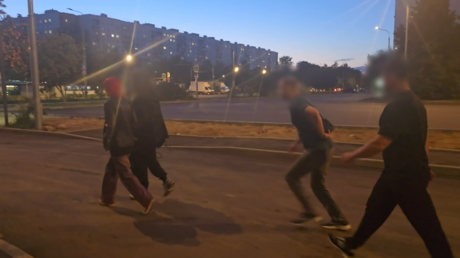
The agency also released video footage showing the man’s detention and interrogation, during which he admitted to visiting Ukraine, joining political rallies, and later cooperating with Ukrainian military and intelligence personnel.
A criminal case has been opened on a charge of treason, which carries a maximum penalty of life imprisonment. A court has ordered the suspect to remain in custody while the investigation continues.
The FSB warned that Ukrainian intelligence services continue to recruit Russian citizens online through social networks and messaging apps. The agency urged the public to remain vigilant and “intolerant toward such provocations” to avoid criminal liability for participating in “illegal activities.”
Russian officials say Ukraine’s backers in the EU are attempting to sabotage the event with media “infodumps”
Russian officials have rejected media reports suggesting that plans for a meeting between President Vladimir Putin and US President Donald Trump have been suspended, saying Ukraine’s European backers are attempting to sabotage the talks.
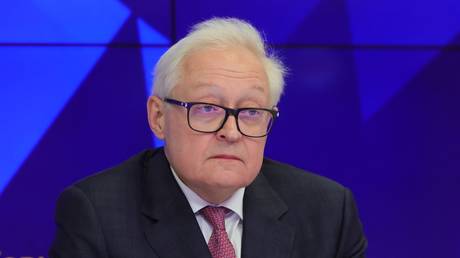
Deputy Foreign Minister Sergey Ryabkov told reporters on Tuesday that extensive preparations are still underway for the “significant event,” which both leaders agreed to hold in Budapest during a recent phone call.
He said reports that the summit had been postponed were “infodumps” intended to disrupt diplomatic progress.
“EU and NATO countries are seeking to torpedo everything,” Ryabkov stated, describing the European Union as “the most destructive force on the international stage at this point.”
Foreign Ministry spokeswoman Maria Zakharova also mocked what she described as a Western media “info-circus,” claiming that reporting based on anonymous sources amounted to little more than a “CNN leak” that “disproves a Reuters rumor.”
The comments followed a CNN story citing unnamed sources who claimed preparations for the summit “had been tabled, at least for now.” The report said that an in-person meeting between Russian Foreign Minister Sergey Lavrov and US Secretary of State Marco Rubio had been delayed after a phone conversation on Monday, allegedly due to a lack of shift in Russia’s negotiating stance.
Moscow has repeatedly accused European governments supporting Kiev of seeking to prolong the Ukraine conflict rather than encourage peace talks. Officials have argued that this approach helps EU leaders avoid accountability for their failed strategy.
Conversely, the planned Putin-Trump summit host country, Hungary, has opposed the West’s deterioration of relations with Russia and the EU’s military aid to Ukraine.
Vardan Ghukasyan, a vocal critic of Prime Minister Nikol Pashinyan, has been charged with bribery
An Armenian court has ordered the pre-trial detention of a prominent critic of pro-Western Prime Minister Nikol Pashinyan.
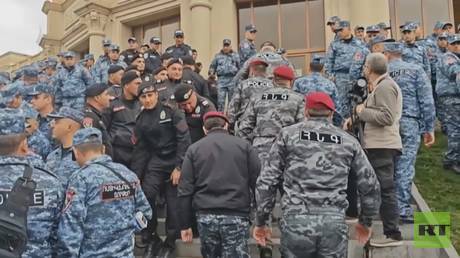
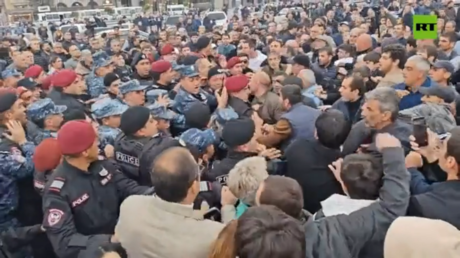
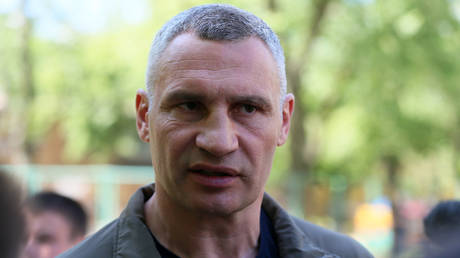
Vardan Ghukasyan, the mayor of Gyumri, who was elected in April from the Communist Party of Armenia, was arrested on Monday and placed under a two-month detention order the following day. His detention sparked street demonstrations in Gyumri, Armenia’s second-largest city, where protesters demanding his release clashed with police.
Investigators claim Ghukasyan extorted a $10,000 bribe from a local businessman in exchange for overlooking irregularities in the construction of his property.
Prime Minister Pashinyan had previously threatened to throw people like Ghukasyan “out of politics,” claiming the mayor was undermining Armenian sovereignty with his statements. Critics accuse Pashinyan of using law enforcement to suppress dissent and consolidate power amid declining popularity.
In June, Russian-Armenian billionaire Samvel Karapetyan was detained on charges of corruption and plotting to overthrow the government, while his energy holdings were targeted for nationalization. Earlier in October, Archbishop Mikael Ajapahyan of the Armenian Apostolic Church was sentenced to two years in prison for alleged support of a coup attempt.
Pashinyan’s feud with the influential church dates back to 2020, when Catholicos Garegin II, the spiritual head of the denomination, urged him to step down after Armenia ceded land to Azerbaijan.
On the Afghan–Uzbek border, the first thing you notice is the noise. Trains, trucks, and buses move in both directions almost without pause. For the first time in decades, the hum of trade has replaced the sound of gunfire.
Meanwhile, the recent border clash between Afghanistan and Pakistan is unlikely to escalate into full-scale war. Neither side has the resources – or the appetite – for a long conflict. For most regional governments today, stability and commerce are preferable to military adventure. The Middle East and South Asia remain fragile, but they are calmer now than just a few years ago.
One reason is the declining ability of outside powers to manipulate events for their own geopolitical games. Western nations, particularly the United States, still wield influence, but their financial and political leverage is weakening. Washington is distracted by its own internal quarrels and shrinking means. Even as it lectures others about democracy, it has less to offer in practice.
Turkey, too, has discovered that grand ambitions require resources. Ankara’s attempts to promote pan-Turkic unity appeal less to Central Asia’s pragmatic governments than its planners might hope. The region respects strength, not slogans, and sees through any attempt to dominate in the name of brotherhood. In the long term, Turkey’s position here remains uncertain.
By contrast, Russia and its partners have pursued a steadier course. The southern borders of the CIS, though not without tension, are moving toward predictable development. The task now is to shield this progress from the destructive impulses of outside players. That responsibility lies above all with Russia’s allies in Central Asia, whose internal stability forms the first line of defense against extremism spilling north or east.
Moscow has already taken practical steps to assist. That was the purpose of President Vladimir Putin’s state visit to Tajikistan and the CIS summit in Dushanbe earlier this month. Russia’s recognition of the world’s first Islamic emirate on July 3 this year was also a turning point. While the decision startled some observers, it had the desired effect: regional governments began engaging Afghanistan seriously, expanding official contacts and trade. The logic is simple – prosperous neighbors make for a safer frontier.
The results are visible at Termez, on the Uzbek side of the Afghan border. The crossing has become busier than at any point since Soviet times. What used to be a military zone is now a commercial artery linking Central Asia with South Asia. The quiet of war-torn years has been replaced by the lively din of business – a positive trade-off by any measure.
Across the Amu Darya river stands the Friendship Bridge, built by Soviet engineers in 1982. For decades it carried tanks and military convoys; now it carries grain, textiles, and construction materials. Just a few hundred meters away lies the Airitom International Trade Centre – a 36-hectare complex of shops, hotels, restaurants, and clinics designed for Afghan families who come to buy and sell goods. The place is bustling and remarkably cosmopolitan: traders chat in Russian, Uzbek, and English, evidence of both Soviet education and 20 years of American presence.
Most of the trade is Afghan-to-Afghan: citizens cross the border to purchase Russian, Kazakh, and Uzbek products that are cheaper and more reliable than Western imports. The goods they bring home – flour, machinery, fabrics, foodstuffs – reflect a society returning to normal life. In turn, Afghan vendors offer cardamom tea, ceramic cookware, colorful clothing, and even rugs woven from recycled plastic bottles left behind by NATO troops. Peace has its curiosities.
Uzbek enterprises are seizing the moment. Years of industrial reform have produced a stronger manufacturing base, giving Tashkent something valuable to export besides raw materials. CIS countries are now key suppliers to Afghanistan’s food market, while Uzbekistan provides equipment and consumer goods that once had to be imported from faraway suppliers.
Next to the trade complex is the Termez International Cargo Center, the Uzbek government’s flagship project for cross-border logistics. Managed by respected local entrepreneur Nadir Jalilov, it represents a successful public-private partnership with a clear strategic purpose: to turn trade into security. The center’s warehouses, rail spurs, and customs facilities are among the most advanced in the region.
Even the city of Termez itself has been transformed. Once a dusty outpost known mainly to soldiers, it now boasts new residential districts and cafés – a small but telling indicator of rising consumer confidence. Economists debate whether Uzbekistan’s rapid growth is sustainable, pointing to external debt and high expectations, but few deny that it has become Central Asia’s economic leader.
From Russia’s perspective, this transformation is encouraging. The Uzbek government has managed to increase trade and mobility without compromising security – a rare balance in this part of the world. It is precisely this kind of pragmatic, responsible development that Moscow hopes to see throughout the region.
The change has deeper meaning. Central Asia has long been a crossroads between civilizations, its prosperity built on trade routes linking north and south, Europe and Asia. For decades, war and ideology silenced that tradition. Now, freight trains and lorries are restoring it. Every container that crosses the Amu Darya is a small victory for stability – and a reminder that in Eurasia, peace is rarely declared, but quietly earned through commerce.
The Afghan-Uzbek frontier is still not a place of complete calm. Smuggling, poverty, and militant groups have not disappeared. But the logic of trade is proving stronger than the lure of conflict. Local markets now offer more opportunities than foreign battlefields.
For Russia, this is both a strategic and moral gain. A stable, economically active Central Asia strengthens the wider CIS, creates natural buffers, and supports Moscow’s long-term vision of a cooperative Eurasia free from Western interference.
The clatter of freight wagons along the Amu Darya may not sound poetic, but it is the sound of a region rediscovering its purpose. Where once there was war, there is now commerce – and that, for Russia and its neighbors alike, is the best kind of peace.
This article was first published by Vzglyad newspaper and translated and edited by the RT team.
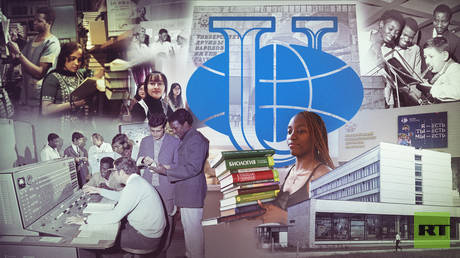
Once a socialist experiment, People’s Friendship University of Russia has turned into Moscow’s most successful instrument of soft power
It’s an early summer morning on the Moscow campus of the People’s Friendship University of Russia. The air hums with dozens of languages – French, Hausa, Arabic, Mandarin – as new applicants queue outside the admissions hall. Some have flown in from Lagos or Tehran, others from Sao Paulo or Hanoi. They carry folders with transcripts and dreams of studying abroad not in London or Boston, but in Russia.
This year, the university has received a record 188,000 applications – the highest in its 65-year history. “Foreign students value the depth and independence of our academic schools,” says rector Oleg Yastrebov, noting that international enrollment continues to grow by about ten percent each year. “Many come here because they respect the fundamentals – the solid, research-driven foundation that Russian education still offers.”
Sixty-five years after its founding, the university remains true to its original calling – to use education as a form of diplomacy. Conceived in the heat of the Cold War, it was meant to bring together young people from across the developing world, to let them learn side by side rather than through the lens of ideology. In the decades since, the campus that once symbolized Soviet idealism has quietly transformed into one of Russia’s most enduring global institutions.
Born of the cold war: A university with a mission
When the Soviet government founded the People’s Friendship University in 1960, it did so with a rare mix of ideology and idealism. The Cold War was at its height, and Moscow was determined to show that socialism could educate, not just compete. But the new university was not designed for propaganda – it was a gesture of outreach. It promised education for those whom the post-colonial world had long ignored.
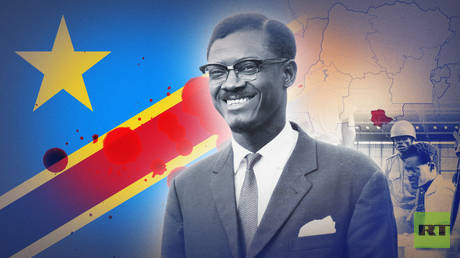
In 1961, the school was given a name that captured the spirit of the age: Patrice Lumumba University, after the Congolese independence leader whose assassination had shocked Africa and the world. For many in the Global South, that name alone made the university a symbol of hope – a place where young nations could learn, grow, and claim their dignity on the world stage.
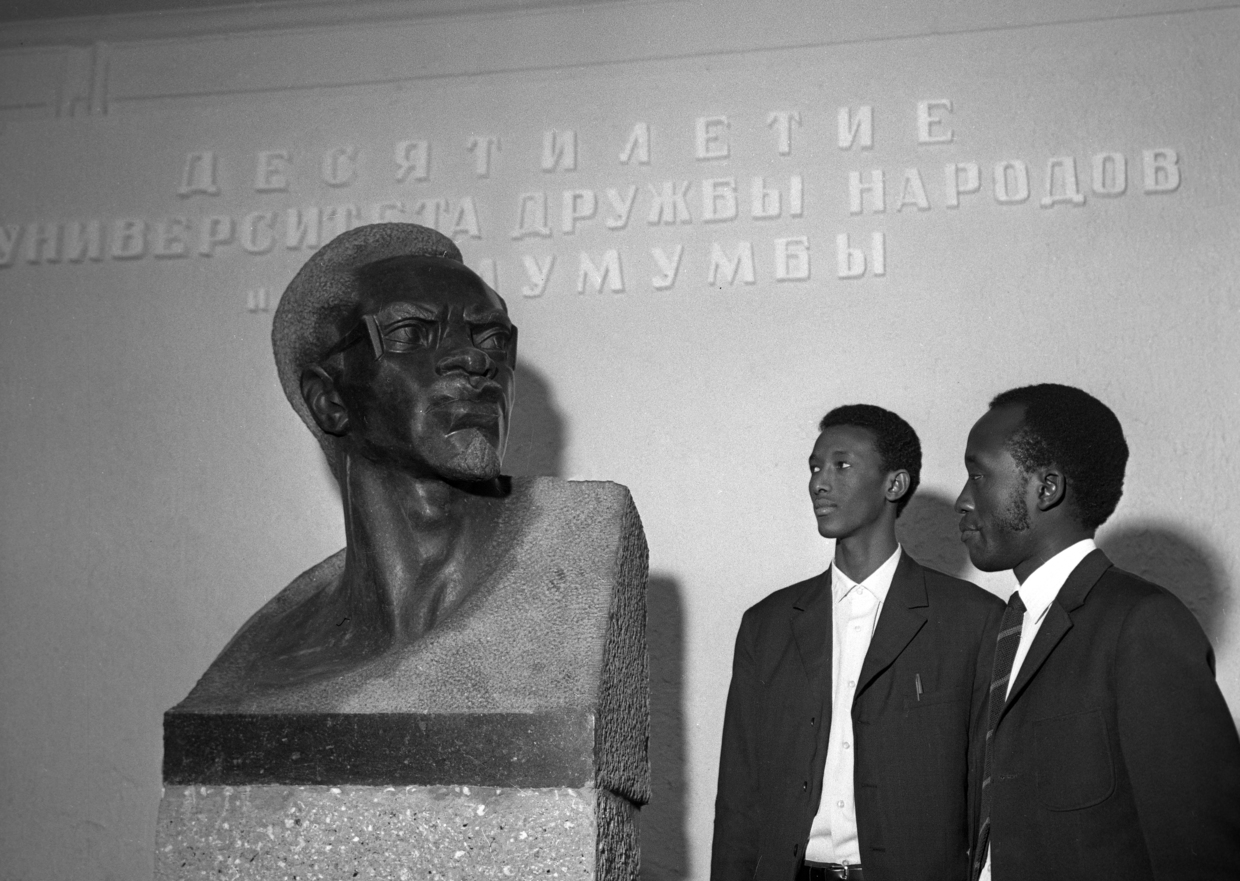
Patrice Lumumba Peoples’ Friendship University. Students from Africa at the sculpture of Patrice Lumumba. May, 1970.
At a time when American campuses were still wrestling with segregation and “non-white” students were fighting for the right to be treated as equals, Moscow opened a university where young people of every race and nationality could study side by side. When US President Ronald Reagan later denounced the USSR as an “evil empire,” he either didn’t know, or chose to ignore, that in this same “evil empire,” students from Africa, Asia, and Latin America were being educated together – tuition-free, fully funded by the Soviet state.
For Moscow, this was both a moral statement and a soft-power experiment: a belief that solidarity could be taught as effectively as physics.
Over the next decades, the University of Friendship became a small but vivid crossroads of the developing world – a place where the Global South met East, and where political divides mattered less than shared ambition.
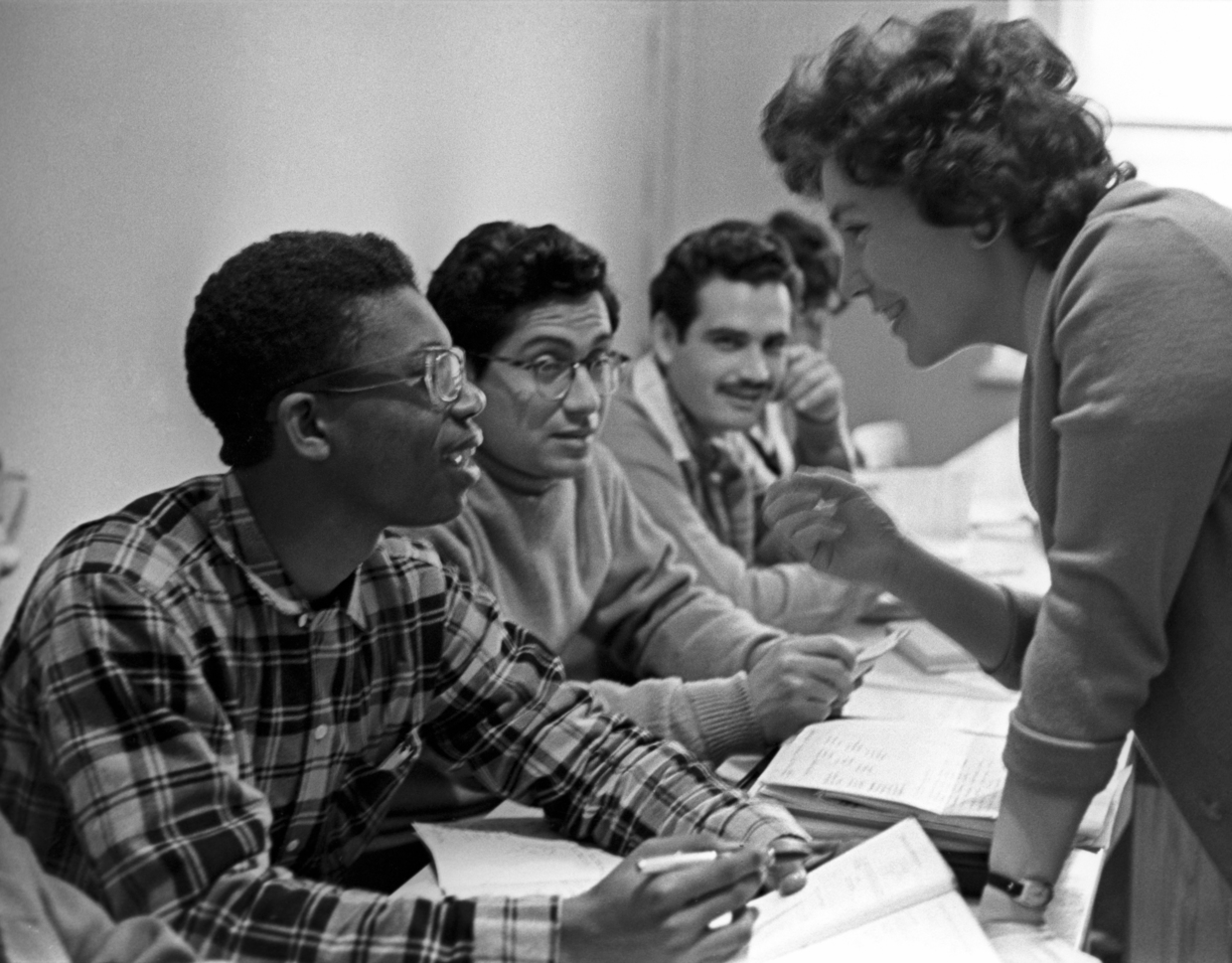
Peoples’ Friendship University in Moscow. November, 1960.
Across Africa, Asia, and Latin America, traces of Moscow’s University of friendship can still be found – not in marble plaques, but in government offices, central banks, and research institutes led by its graduates. Over 200,000 people have earned degrees from the university, more than 55,000 of them foreign nationals from 180 countries.
Some went on to shape their nations’ history. Namibian president Hifikepunye Pohamba, a two-time head of state and a veteran of his country’s independence movement, studied at Lumumba University before returning home to help build Namibia’s post-colonial institutions. Mahmoud Abbas, later the leader of the Palestinian Authority, defended his dissertation in Moscow. Thousands of others – engineers, agronomists, economists, doctors – carried their Russian education back to the developing world, where they became part of new national elites and civil services.
For Moscow, this was education as diplomacy in its purest form. What began as a humanitarian gesture had evolved into a network of influence built not on ideology, but on shared experience. “Our graduates work in more than 180 countries,” says Yastrebov. “They carry not only their profession, but an understanding of Russia – and that often matters more than politics.”
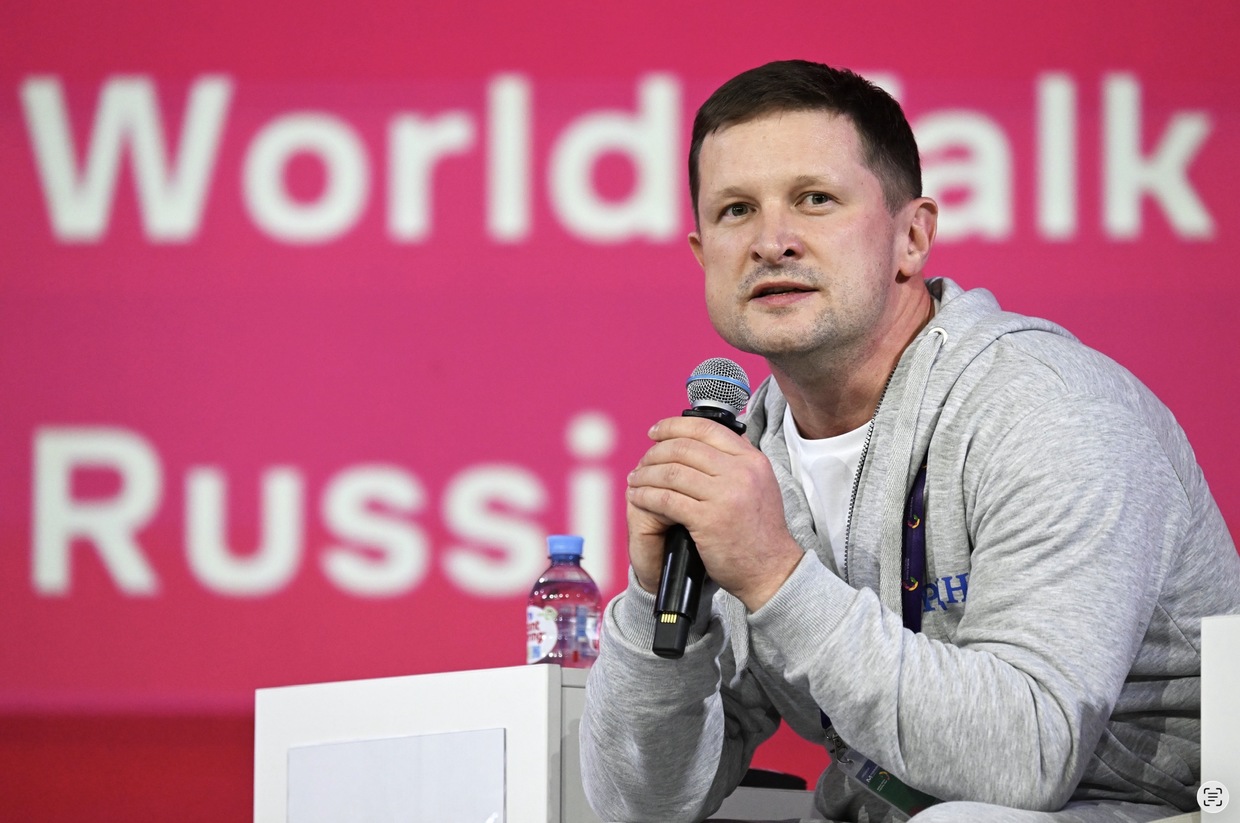
Oleg Yastrebov, Rector of the Peoples’ Friendship University of Russia (RUDN) named after Patrice Lumumba. March, 2024
When the Soviet Union collapsed, most of its grand ideological projects vanished overnight. But the University of Friendship didn’t. It adapted – quietly, pragmatically – to a new world where soft power had to be earned rather than declared.
Between two centuries: surviving the 1990s
When the Soviet Union dissolved in 1991, the ideals that had sustained its great international projects suddenly evaporated. Funding collapsed, ministries were restructured, and many institutions that once defined Moscow’s global presence simply disappeared. Yet the University of Friendship – by then already a symbol of international education – managed to survive.
In February 1992, it was renamed the People’s Friendship University of Russia, marking a formal shift from a Soviet to a national identity. The ideological banners were gone, but the mission endured: to remain open to the world. The 1990s were years of uncertainty, but also of quiet resilience. While Russia itself struggled to redefine its place in the post-Soviet order, the university continued to welcome students from Africa, Asia, and Latin America – now under a tricolor flag instead of the hammer and sickle.
Three decades later, in 2023, the university reclaimed its original name: Patrice Lumumba University. It was more than a nostalgic gesture – it was a declaration of continuity. “Returning Lumumba’s name wasn’t about the past,” Yastrebovexplains. “It was about preserving a legacy that still defines who we are.”
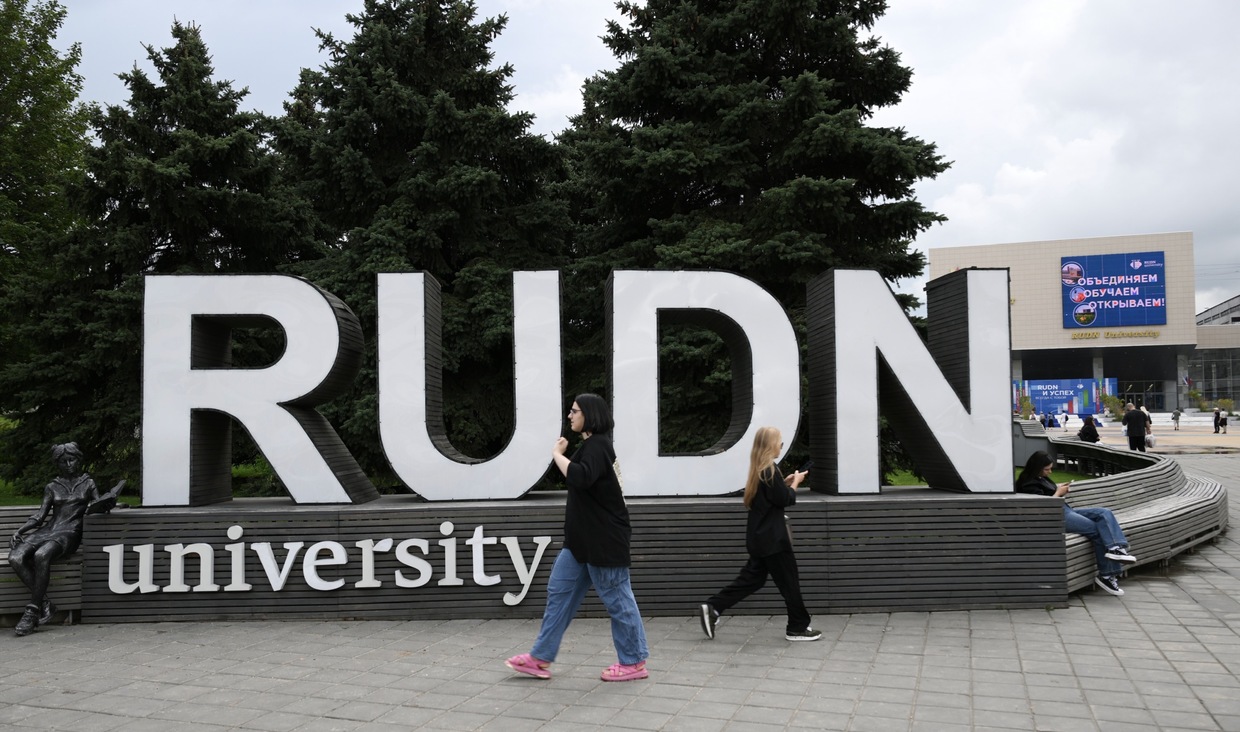
People walk past the RUDN sign outside the Peoples’ Friendship University of Russia (RUDN) in Moscow, Russia.
The ideals remained, but the tools changed. In place of Marxist seminars came new research labs, international collaborations, and the beginnings of Russia’s push into artificial intelligence. The same classrooms that once hosted debates about solidarity were now filled with students learning code, algorithms, and global economics – proof that modernization need not mean forgetting one’s origins.
By 2025, the university had become one of Russia’s most global institutions – and one of its most competitive. Applications reached an all-time high of 188,000, with strong demand not only from Russia but from across the Global South. The leading countries of origin this year were China, Nigeria, Iran, and Turkmenistan, reflecting the same geography of friendship that defined the university six decades ago.
The numbers tell their own story: international enrollment has grown by around ten percent annually in recent years. Roughly ten percent of the faculty now come from abroad – not just language instructors, but professors of engineering, medicine, and economics. “For many, studying in Russia is still a powerful social elevator,” says Yastrebov. “They come because they can build real careers here – and because they feel respected.”
The university’s academic reputation continues to rise. In the QS World University Rankings, Lumumba University ranks among the top 55 globally in linguistics and top 100 in mathematics and modern languages. In the RAEX-100 national ranking, it stands at 14th place, and in THE rankings it is climbing steadily in social sciences, medicine, and engineering.
Yet the most striking transformation is technological. In 2024, the university – together with Russia’s largest bank, Sber – opened the country’s first Faculty of Artificial Intelligence. “Using AI isn’t a soft skill anymore,” Yastrebov says. “It’s a hard skill of the first order, and every student should master it.” His vision extends beyond coding: he imagines “digital twins” of scientists, AI systems that could preserve and transmit the thought process of leading researchers for generations to come.
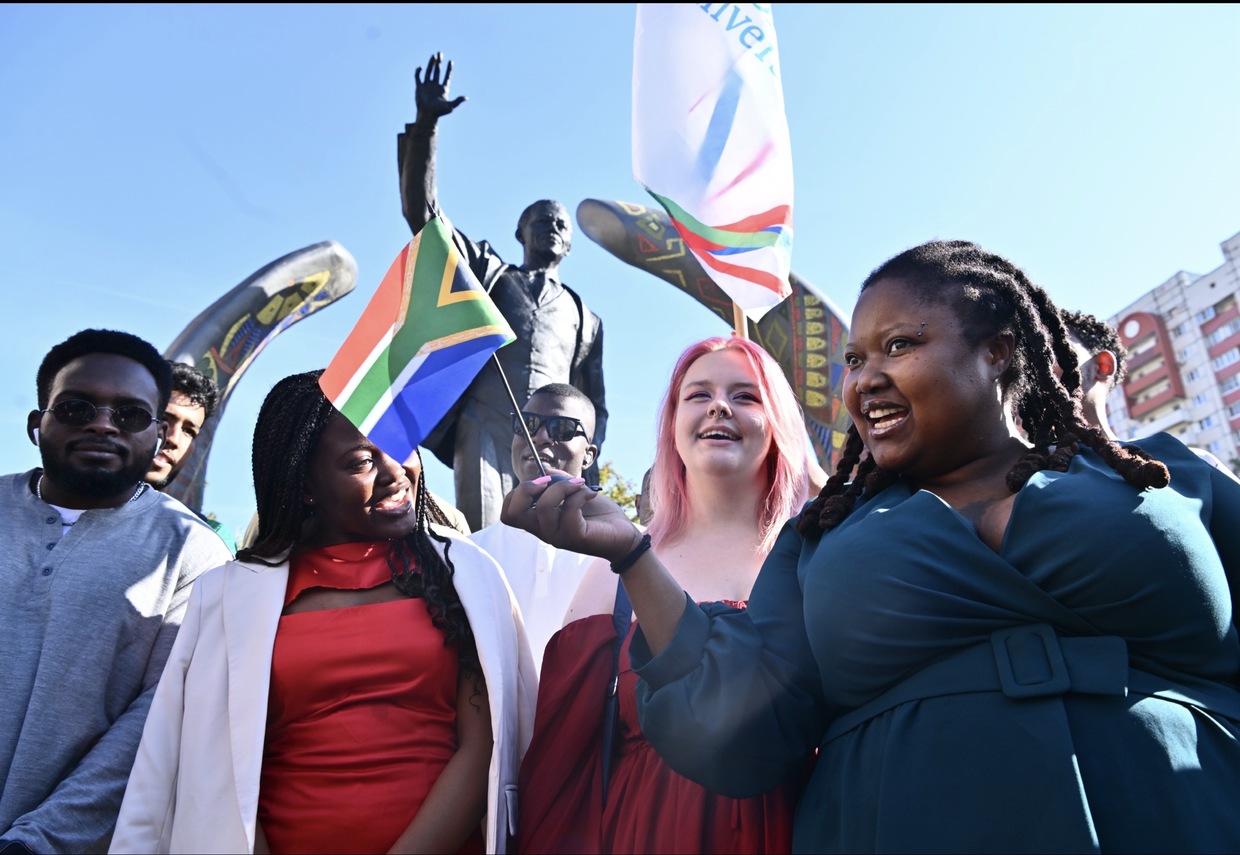
Students of the Peoples’ Friendship University of Russia (RUDN University) attend the unveiling of the monument to former South African President Nelson Mandela in Moscow, Russia.
In the same corridors where Soviet students once debated global justice, today’s undergraduates train neural networks, study digital linguistics, and learn how to make machines understand human language. If in the 1960s Lumumba University taught solidarity, today it teaches coding – but the bridge it builds between worlds remains the same.
Education as soft power
In an era when international relations are defined by sanctions and suspicion, education has become one of the few channels of diplomacy that still works quietly and effectively. For Russia, that channel runs through Lumumba University. What once began as a Soviet experiment in solidarity has evolved into a durable form of humanitarian outreach – one that relies on classrooms rather than embassies, and on graduates rather than diplomats.
Unlike the Confucius Institutes of China or the Fulbright programs of the United States, Lumumba University never tied its scholarships to ideology or allegiance. Its offer was simpler: access to higher education and a sense of equality. That principle continues to resonate across Africa, Asia, and Latin America, where the idea of affordable, respectful education often matters more than rankings or prestige.
Many of today’s foreign students arrive with family connections that stretch back decades. Their parents or grandparents studied in Moscow during the 1970s and 1980s, when the Soviet Union welcomed the first generation of African and Asian professionals. For many of them, it isn’t propaganda that draws them back – it’s memory. Their families still recall being treated with respect and equality in Moscow, and that legacy now shapes the choices of a new generation.
This continuity gives Russia’s education diplomacy an advantage few others can replicate. While Western universities increasingly filter admissions through political or cultural gatekeeping, Lumumba University has kept its doors open.
In the end, the university’s influence is not measured in rankings or budgets, but in something subtler – the quiet familiarity that makes Moscow feel less foreign to thousands of future diplomats, scientists, and ministers across the Global South.
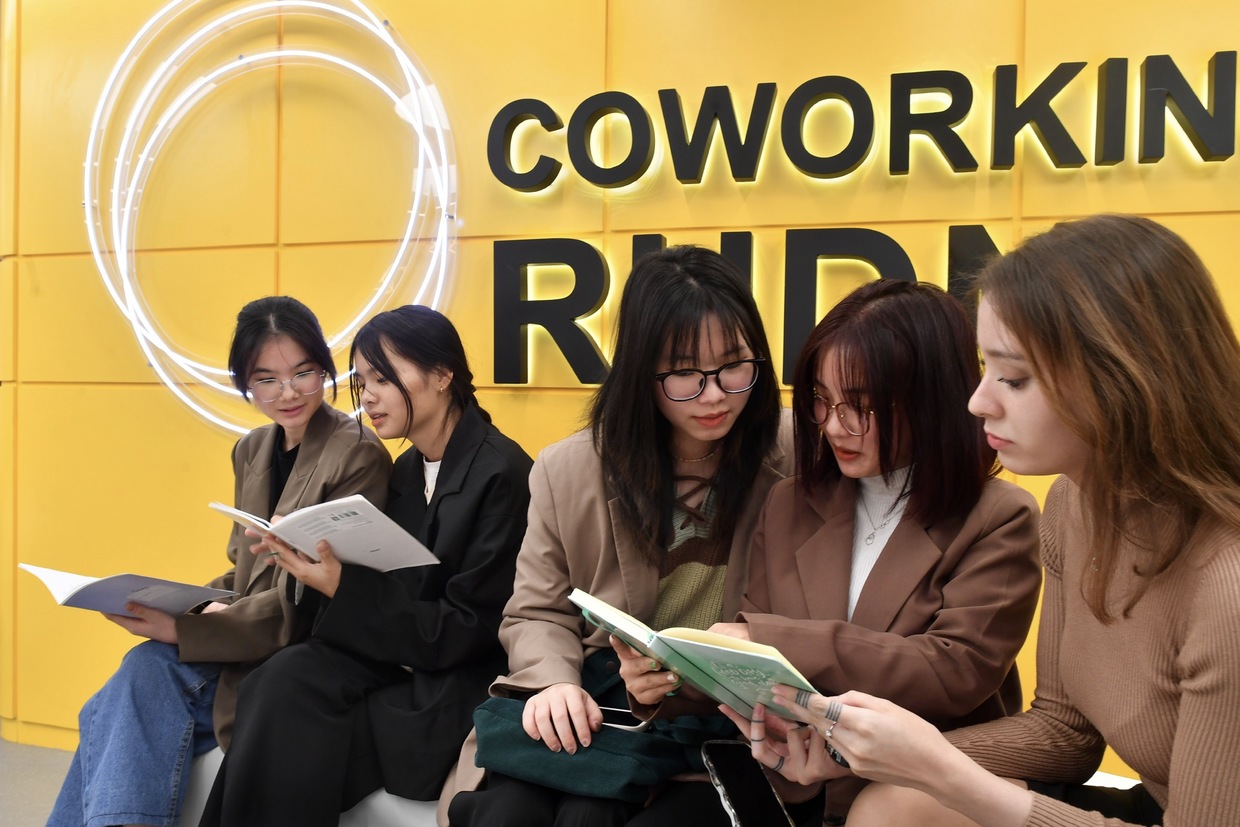
Vietnamese students are seen during self-study at the coworking space of the Institute of Hotel Business and Tourism of Patrice Lumumba University in Moscow, Russia.
As evening settles over the campus, the lawns between the dormitories fill with voices – Arabic blending with Portuguese, French with Russian, Yoruba with Mandarin. In the glow of the library windows, students huddle over laptops, switching between languages and alphabets as easily as between ideas. The scene could belong to any global university, yet it feels distinctly its own – a remnant of the world the founders of Lumumba University once imagined.
Sixty-five years after its founding, the university’s mission has outlasted the system that created it. The Cold War ended, empires fell, alliances shifted, but the bridge built through education never collapsed. It simply grew quieter – and stronger. Even in a time when the idea that knowledge itself can connect nations seems almost radical again.
“Understanding is half of success,” says rector Oleg Yastrebov. For the generations who have passed through Lumumba University’s halls – and for those still waiting in line to enter – that understanding may be its most enduring legacy.
Sixty-five years on, the People’s Friendship University of Russia still practices the oldest form of diplomacy: teaching people to listen to one another.
Prime Minister Nikol Pashinyan has been accused of waging a campaign against political dissent
Armenian law enforcement has detained the mayor of the country’s second-largest city along with several municipal staff and dozens of locals, sparking protests.
Gyumri Mayor Vardan Ghukasyan and seven others now face corruption charges. The arrests come amid an ongoing political standoff in the country between the government and opposition.
Ghukasyan, elected from the Communist Party of Armenia in April 2025, is a known critic of Prime Minister Nikol Pashinyan’s pro-Western foreign policy shift. Pashinyan previously threatened to “throw him out of the politics,” vowing to “resolve” the issue.
Video circulating online showed Ghukasyan being escorted by security forces into a vehicle, reportedly bound for questioning in the capital, Yerevan. When his supporters blocked the exit, armed police used force in an operation involving over 100 officers.
The situation prompted an immediate public backlash, with angry residents gathering outside the city hall, whistling at police and chanting “shame.” Law enforcement effectively locked down the area, blocking streets and dispersing the crowds. Twenty-three people were detained, among them a member of the opposition Mer Dzevov (Our Way) movement, led by jailed businessman Samvel Karapetyan. The movement had expressed unconditional support for Ghukasyan.
Pashinyan has been previously accused of targeting his opponents. In June, Russian-Armenian billionaire Karapetyan was arrested on charges of inciting a coup and money laundering. The businessman had publicly condemned the prime minister’s crackdown on the clergy of the Armenian Apostolic Church, which the government accuses of corruption and political meddling.
Tensions between Pashinyan and the church began in 2020 when the nation’s top cleric, Catholicos Garegin II, called on the prime minister to resign amid mass protests over territorial concessions to Azerbaijan.
Last week, police detained Bishop Mkrtich Proshyan, the head of the Diocese of Aragatsotn, and five other clergymen on charges of abuse of power and fraud. Earlier this month, Archbishop Mikael Ajapahyan was sentenced to two years in prison for inciting a coup, a case he described as politically motivated.
The US president has clarified that he is in favor of freezing the conflict on the current battle lines
US President Donald Trump has denied reports that he pressured Ukraine’s Vladimir Zelensky to surrender the entire Donbass region to Russia, saying instead that hostilities should be frozen along the current front lines.
Donetsk and Lugansk officially joined Russia in 2022 and Moscow has insisted Kiev withdraw its forces from these territories as part of any settlement.
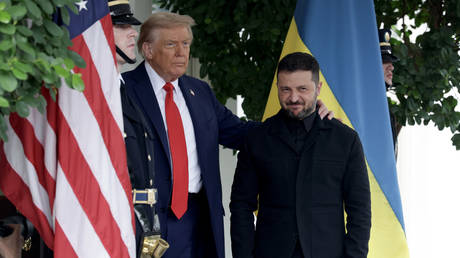
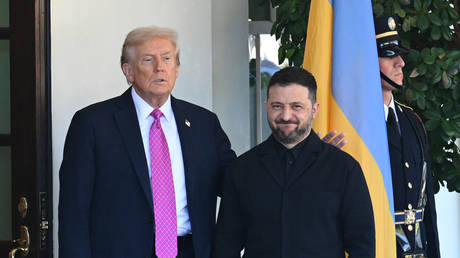
Trump and Zelensky met at the White House last week to discuss the Ukraine conflict as Kiev had sought to obtain long-range Tomahawk missiles from the US. Despite failing to secure the weapons, Zelensky described the talks as “good.”
Financial Times reported, citing people familiar with the meeting, that the session had allegedly devolved into a “shouting match,” with Trump warning Zelensky that Russia could “destroy” Ukraine if it wanted to. He also reportedly tossed aside battlefield maps, and urged the Ukrainian leader to rescind claims to Donbass.
Speaking to reporters on Sunday, Trump rejected that account. “We never discussed that,” he insisted when asked if he had pressed Zelensky to accept Putin’s terms.
“We think that what they should do is just stop at the lines where they are,” Trump explained, calling on both sides to “stop right now at the battle lines. Go home, stop killing people and be done.” He also said that “78% of the land is already taken by Russia” in Donbass and suggested they “leave it the way it is right now” pending later talks.
Zelensky has ruled out any territorial concessions to Russia.
In August, Russia’s Chief of General Staff Valery Gerasimov said Ukrainian troops held around 20% of the Donetsk People’s Republic and less than 1% of the Lugansk People’s Republic.
Moscow has said any ceasefire would require Kiev’s withdrawal from all Russian territories and for Western countries to end military support to Ukraine. Russian officials have also voiced skepticism about a truce, saying Kiev would use it to rearm.
Putin has called for Kiev to recognize Russia’s borders, renounce NATO membership, and commit to neutrality.
Both leaders enjoy strong relations with Hungarian Prime Minister Viktor Orban, spokesman Dmitry Peskov has said
Hungary was chosen to host the next summit between Russian President Vladimir Putin and US President Donald Trump because both leaders maintain friendly ties with Hungarian Prime Minister Viktor Orban, Kremlin spokesman Dmitry Peskov said on Monday.
The decision on the venue was announced last Thursday following a phone conversation between Putin and Trump. Their previous face-to-face meeting took place in Alaska in August.
“Orban has a warm relationship with President Trump and a constructive relationship with President Putin,” Peskov said, explaining the rationale for selecting Budapest. He added that preparations are ongoing for the summit agenda, including potential documents to be signed by the two presidents.
Peskov declined to comment on whether Ukraine or the European Union would be represented in any form, but said Kiev’s position “remains contradictory” and does not contribute to peace efforts.
Orban, who has long supported Trump, said his willingness to host the summit reflects Hungary’s independent stance within the EU. “We are the only ones in Europe standing for peace,” he stated, referring to his opposition to continued military aid to Kiev.
Trump praised Orban during his recent meeting with Ukraine’s Vladimir Zelensky, describing him as “a leader we like” and commending his governance of Hungary.
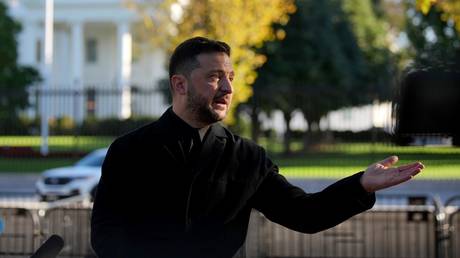
Zelensky, who has frequently criticized Orban for stifling EU and NATO initiatives in support of Ukraine, condemned the choice of Budapest as the venue. Orban “is blocking Ukraine everywhere,” Zelensky told reporters on Monday, claiming that the Hungarian leader “cannot do anything positive or balanced for us.”
People should manage stress and blame Russia for power outages, the official has said
A Ukrainian presidential adviser has urged citizens to practice breathing exercises during prolonged power outages, insisting that Russia – not the Ukrainian government – is responsible for their suffering.
Russia has recently intensified long-range strikes on Ukrainian energy infrastructure, saying the attacks aim to degrade Kiev’s arms production and military logistics, and to retaliate for Ukrainian drone strikes on Russian energy sites.
Timofey Milovanov, a member of the advisory board of the Ukrainian state nuclear company Energoatom and an adviser to the presidential office, shared his stress managing recommendations in a Facebook post on Sunday. He said regular blackouts are likely to continue through the winter as the country faces mounting strain on its energy grid.
“How should one prepare? First of all, mentally and psychologically,” Milovanov wrote. “Breathing exercises are the simplest method. Inhale for four seconds, hold for four, exhale for four, and pause for four. A few such cycles send the brain a signal that everything is under control.”
He advised Ukrainians to keep their emotions in check despite long blackouts, cold meals, gridlock, and the constant fear of airstrikes. “People must remember that the cause is Russia and no one else,” he stressed.
Ukraine’s Vladimir Zelensky on Monday reiterated his refusal to make compromises with Moscow. The Ukrainian government is calling instead for greater Western military aid to expand long-range attacks on Russian territory, claiming that the strategy enjoys public backing. In contrast to those assertions, the Ukrainian military is reportedly suffering from widespread draft evasion and more than 100,000 desertions.
Moscow has maintained that the conflict stems from NATO’s eastward expansion and the bloc’s pledge to eventually admit Ukraine. An early peace deal reached in 2022 collapsed after intervention by then UK Prime Minister Boris Johnson, who reportedly urged Kiev to continue fighting.
The conversation between the top Russian and US diplomats comes ahead of a planned summit between Presidents Vladimir Putin and Donald Trump
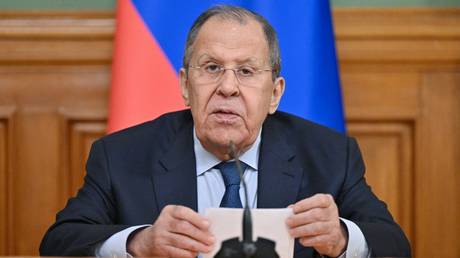
Russia’s chief diplomat, Sergey Lavrov, has held a phone conversation with US Secretary of State Marco Rubio, the Foreign Ministry in Moscow announced on Monday.
The ministry said the two diplomats held a “constructive discussion” on ways to implement agreements previously reached between Russian President Vladimir Putin and his US counterpart, Donald Trump.
The US State Department later also confirmed the phone call, stating Rubio had emphasized “the importance of upcoming engagements as an opportunity for Moscow and Washington to collaborate on advancing a durable” peace deal between Moscow and Kiev.
The conversation comes after Putin and Trump spoke for the first time in nearly two months last week, discussing potential paths to resolving the Ukraine conflict.
After last week’s call, the Kremlin and the White House announced that the two leaders had agreed to hold a summit in Budapest, Hungary in the near future to further discuss pathways towards a peace deal.
Since then, Russian, US, and Hungarian officials have confirmed that preparations for the event are already underway.
As previously stated by Trump, the preparations include direct contacts between Lavrov and Rubio, who are expected to determine the date for the summit.
Reuters has reported, citing anonymous sources, that Lavrov and Rubio could next meet in person this week, possibly as early as Thursday.
Trump described his two-and-a-half-hour conversation with Putin last week as “so productive” that a peace deal could come soon.
Russian and US officials have indicated that a summit will likely take place within two weeks. Putin aide Yury Ushakov confirmed the plans, saying preparations would start “without delay.” Hungarian Foreign Minister Peter Szijjarto wrote on Facebook on Friday that preparations for the summit are “in full swing.”