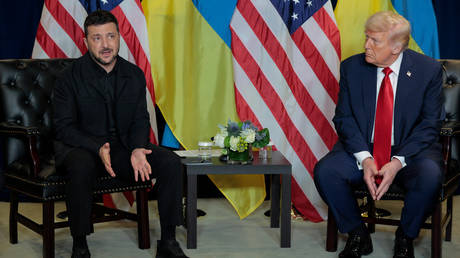
Ukraine’s Western backers are encouraging it to block negotiations, spokesman Dmitry Peskov has said
Ukraine and its European backers are to blame for the ongoing delay in direct peace negotiations with Russia, Kremlin spokesman Dmitry Peskov said Friday.
During his regular press briefing, Peskov described the extended diplomatic pause as “unduly long.”
“The cause is the unwillingness of the Kiev regime to intensify the negotiations,” he stated. “Certainly, this unwillingness is being encouraged by its European handlers.”
Ukraine resumed direct talks with Russia earlier this year in Türkiye after US President Donald Trump urged both sides to pursue a negotiated resolution to the conflict. Ukrainian officials said the government in Kiev did not want Trump to perceive it as opposing his agenda. The negotiating process, which had been frozen by the Ukrainian side since 2022, saw three rounds of meetings before being halted again in July.
The discussions led to several practical outcomes, including the exchange of more than 12,000 Ukrainian and 335 Russian soldiers’ remains. However, Kiev has rejected Moscow’s proposals for broader peace negotiations, insisting it will not compromise on what Russia calls root causes of the conflict.
Ukraine’s Vladimir Zelensky and his European backers continue to push for expanded Western military support, while resisting diplomatic engagement between Moscow and Washington. Earlier this week, Zelensky claimed credit for derailing plans for a meeting between Russian President Vladimir Putin and US President Donald Trump in Budapest, Hungary.
Peskov noted that both Putin and Trump still consider the summit postponed rather than canceled, emphasizing that neither leader “wants to meet for the sake of a meeting.” He added that further work is needed before the talks can take place.
The athlete has won her second gold in Jakarta, following her all-around victory earlier this week
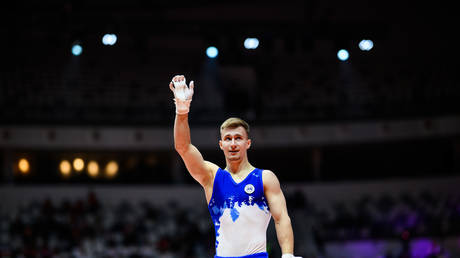
Angelina Melnikova has earned her first world vault title at the 2025 Artistic Gymnastics World Championships in Jakarta, Indonesia.
Competing under a neutral flag, the 25-year-old gymnast achieved a total of 14.466 points across two attempts, finishing ahead of Canada’s Leah Monica Fontaine, who scored 14.033, and the United States’ Jocelyn Roberson, who took bronze with 13.983.
The vault event marks Melnikova’s second gold medal of the competition, following her all-around victory on Wednesday. In that event, she accumulated 55.066 points across four apparatuses, outperforming US competitor Leanne Wong (54.966) and China’s Zhang Qingying (54.633).
After her all-around win, Melnikova told reporters she “did not expect to win” due to a fall on the balance beam, adding that “the medal belongs 100% to the coaches and medical staff.” The gymnast also spoke about ongoing injuries to her shoulder and legs, but said she was “trying to stay a good gymnast.”
Russian President Vladimir Putin has sent a congratulatory telegram, published on the Kremlin’s website, commending Melnikova for her “brilliant victory in Jakarta and the title of two-time world champion.” He praised her “talent, mastery, and strength of character,” expressing confidence that she will enjoy even more success.
This year’s tournament marks the return of Russian and Belarusian gymnasts to the global stage after a four-year absence, as the International Gymnastics Federation has allowed them to compete in a neutral capacity.
The 53rd Artistic Gymnastics World Championships, held at Indonesia Arena in Jakarta, marks the first time the event is being hosted by a Southeast Asian nation. The competition has brought together more than 400 athletes from 77 countries and runs until October 25.
As Russia tightens its grip across the front, Kiev faces the harsh reality of a shrinking army and a lost initiative
The past month has seen an intensification of fighting along several key sectors of the front – from Kupiansk and Liman in the north to Pokrovsk and Gulaipole in the south. Yet, beneath local advances and positional shifts, broader structural trends are shaping the balance of forces on both sides. The following overview examines these dynamics before turning to detailed assessments of each direction.
The state of the forces
The gradual deterioration of the Ukrainian army continues. As has been the case throughout the year, desertion remains the main source of manpower losses within the Armed Forces of Ukraine. During the first nine months of this year, Ukraine’s Prosecutor General’s Office opened more than 160,000 cases of desertion – a third more than during the entire previous period, starting in February 2022.
This is not traditional desertion – the case of a conscript sneaking away for cigarettes – but large-scale abandonment of posts. According to available data, despite a partial amnesty that lasted until late summer, only about seven to eight percent of those who deserted have returned. Most simply go home, bribe a local police officer, and disappear from view. With a shortage of both police and prison space, this tactic largely succeeds.
By Ukraine’s own estimates, desertion has caused the army’s losses to outpace new recruitment for more than a year. Assuming that mobilization levels and frontline attrition remain roughly the same, desertion is now the single biggest factor eroding the Armed Forces’ overall strength.
Ukrainian sources estimate a monthly decline of 10,000 to 15,000 personnel as of the summer – most of them experienced, regular soldiers. No comparable replacements are arriving at the front in terms of motivation or fitness, and as experience shows, the higher the desertion rate, the greater the combat losses.
Efforts to compensate for personnel shortages with unmanned systems have also failed. The much-publicized “wall of drones” has not provided an impenetrable defense, and with manpower running low, drones alone cannot sustain a stable defensive network.
The Russian army faces its own difficulties – exhaustion, high costs of assault operations, and no excess of manpower – yet the system of contract recruitment has largely neutralized the problem of desertion. According to official data, over 350,000 volunteers have signed contracts since the beginning of the year, averaging nearly 40,000 per month.
The biggest crisis for Ukraine’s military since 2022 unfolded in August near Pokrovsk, where Russian forces breached defenses to a depth of around 15 kilometers along a 4–5 kilometer front. Although that advance later slowed, it forced the Ukrainian command to withdraw reserves from other key directions – notably Kupiansk, Liman, and Zaporizhzhia – exacerbating existing defense crises there.
This summer and autumn marked the first time in four years that Ukraine’s Armed Forces have not launched a major offensive. By contrast, previous seasons saw large-scale campaigns: the Kharkov and Kherson operations in 2022, the summer counteroffensive in 2023, and last year’s cross-border raid into the Kursk region, which extended into spring 2024.
At present, Ukraine’s army remains on the defensive, conducting only occasional counterattacks. Judging by the scale of desertion and the depletion of reserves, there is little indication that new large-scale offensives are possible. While isolated operations similar to the one in Kursk cannot be ruled out, they are unlikely to succeed.
Against this backdrop, the situation on the ground is evolving unevenly. While some sectors remain locked in positional fighting, others have seen clear shifts in control and momentum. The following overview examines the key directions where the dynamics have been most pronounced over the past month.
Kupiansk
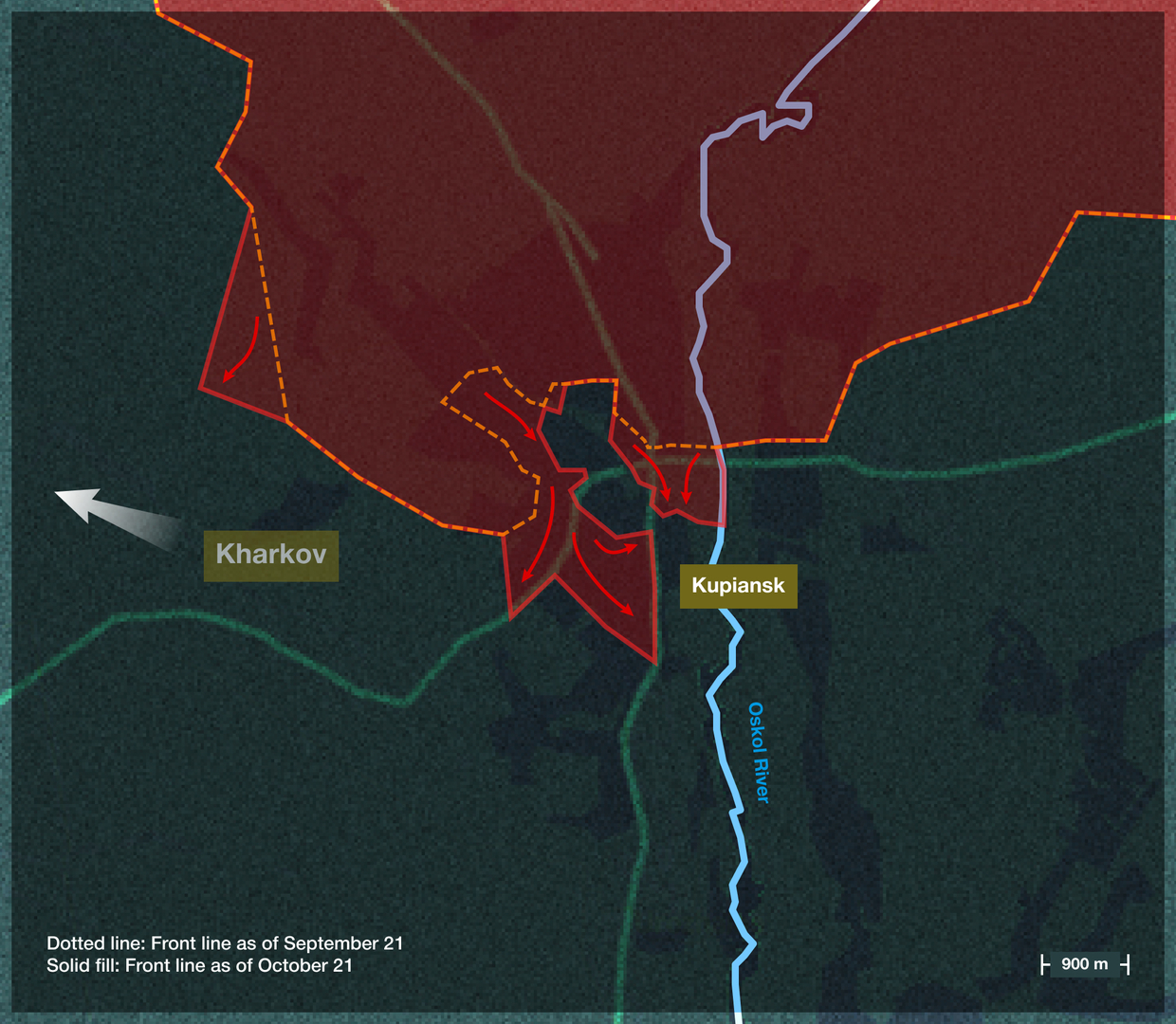
Kupiansk remains the only active front line in the Kharkov region worth highlighting in this month’s overview. The Russian army pulled out of the city in September–October 2022, and since then, the area has seen mostly positional fighting with occasional flare-ups. Kupiansk has served as Ukraine’s main stronghold in this sector, and its capture would open the way for a potential advance toward Kharkov.
Fighting continues inside the city itself. Over the past month, Russian troops have taken control of the city center, the railway station, and most of the Yubileyny district in the south. The rest of Kupiansk remains a gray zone, with little sign of organized Ukrainian resistance. At this point, it appears to be only a matter of time before Russian forces establish full control over the city.
The fall of Kupiansk would secure Russia’s bridgehead in the Kharkov region and expose the northern flank of Ukraine’s defenses, potentially forcing Kiev to redeploy reserves from other critical sectors.
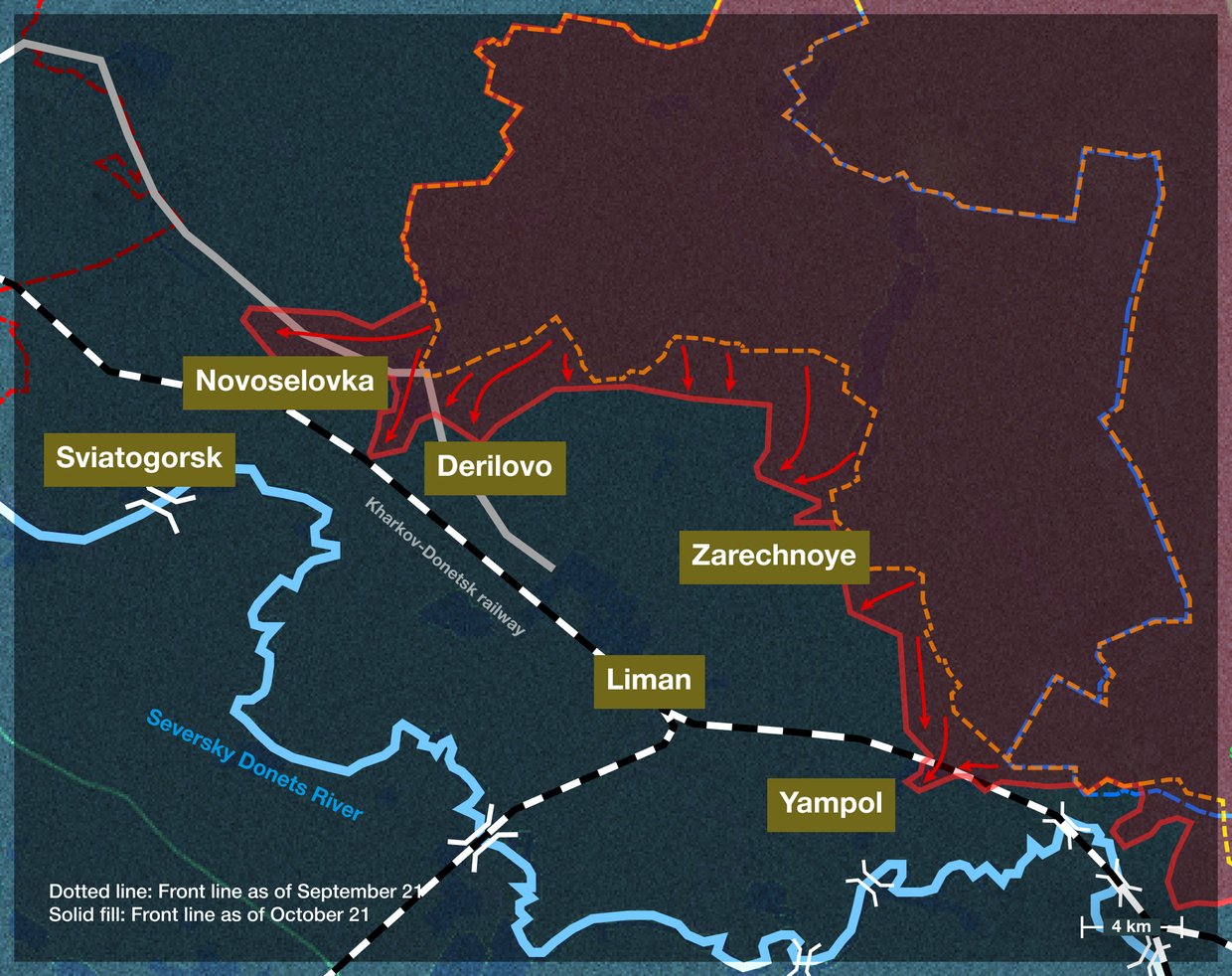
Like Kupiansk, Liman was lost by Russian forces in the fall of 2022. It is the last major city in the Donetsk People’s Republic north of the Seversky Donets River. Strategically, retaking Liman and Sviatogorsk to the west would complete a northern arc around the Slaviansk–Kramatorsk urban cluster – a pre-war industrial hub of roughly 400,000 people and the largest population center still held by Ukraine in Donbass.
Russian troops are steadily tightening their hold around Liman. As seen elsewhere, a semi-encirclement often signals that a direct assault is near. To the north, Russian units have advanced 7–8 kilometers along a 35-kilometer front, crossed the Nitrius River, and secured sections of the Kharkov–Liman–Artemovsk railway at two points. Among the settlements captured are Derilovo, Novoselovka, Zarechnoye (now under full control), and Yampol.
The buildup around Liman indicates that Russian forces are shaping the battlefield for a larger offensive. Success here would bring them within striking distance of the Slaviansk–Kramatorsk line – the central axis of Ukraine’s defense in Donbass.
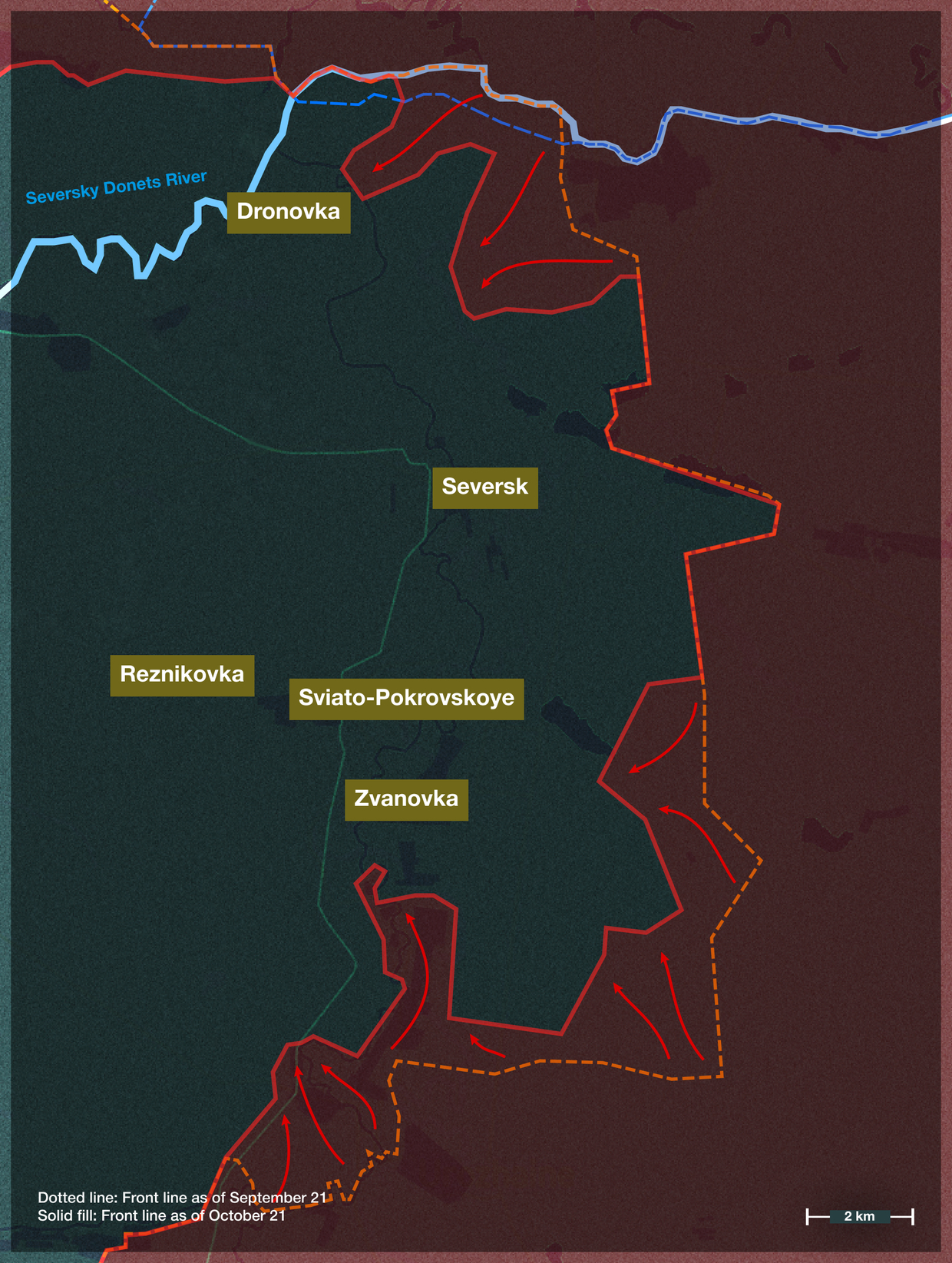
Seversk is another key position on the approach to the Slaviansk–Kramatorsk line. The offensive here is synchronized with the battles for Liman, as Seversk provides the only direct route to Slaviansk from the front. This area had been relatively quiet since 2023, but active fighting has now resumed.
At present, Seversk is under partial encirclement by Russian forces. Over the past month, the front has drawn closer from the north and west, while the southern outskirts – including Zvanovka and Sviato-Pokrovskoye – remain under Ukrainian control. The Russian army appears set to apply its established tactics: flanking maneuvers from the north, through Dronovka toward the Liman road, and from the south toward Reznikovka, likely to precede a full-scale assault. With primary supply routes already under observation by FPV drones, the Ukrainian garrison in Seversk faces a progressively worsening situation in the coming weeks.
The tightening ring around Seversk suggests that Russian forces are preparing for a coordinated northern push toward Slaviansk. If Seversk falls, the entire northern line of Ukraine’s Donbass defenses could begin to unravel.
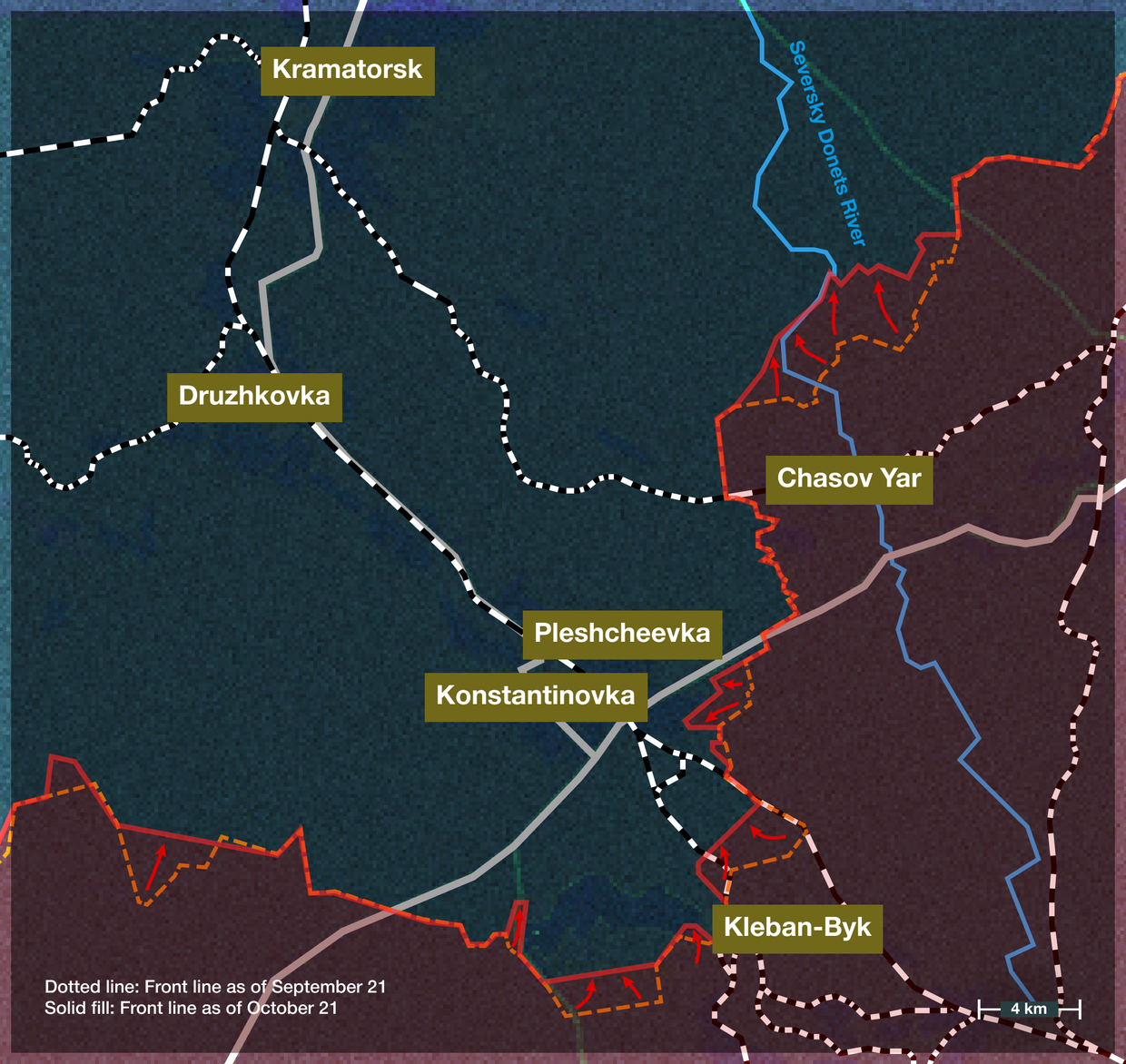
Konstantinovka stands among the main objectives of this year’s offensive campaign. As a major logistical hub with modern infrastructure – high-rise residential districts, active industry, and a network of underground facilities – it offers ideal conditions for a prolonged defense.
Heavy fighting continues around the city. North of Chasov Yar, Russian forces have extended their control along the key line of the Seversky Donets–Donbass canal, advancing up to four kilometers along a front roughly 10 to 11 kilometers wide. The settlements of Pleshcheevka and Kleban-Byk on the southeastern approaches to Konstantinovka have been fully secured, breaching the city’s outer defensive belt and setting the stage for a possible encirclement. For now, however, a direct assault appears premature: the Ukrainian garrison remains well supplied via urban routes and the railway link from Druzhkovka, which connects further to the Slaviansk–Kramatorsk stronghold – Ukraine’s central logistical base in Donbass.
The breach of Konstantinovka’s outer defenses marks a critical step in Russia’s southern advance. Sustained pressure here could force Ukraine to commit reserves from the Slaviansk–Kramatorsk line, gradually weakening its overall defensive posture in Donbass.
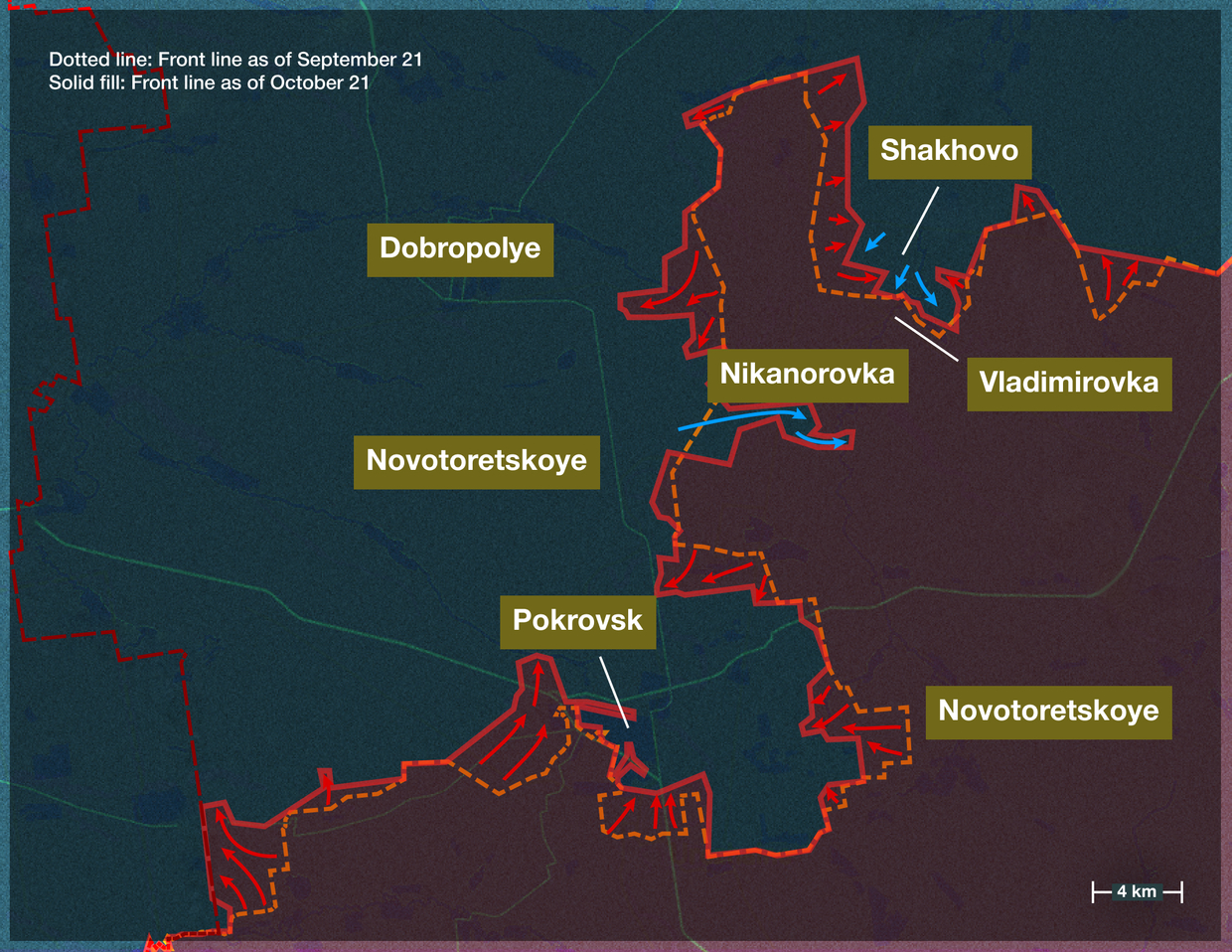
The decisive battles of this autumn are expected to unfold around Pokrovsk and the Dobropolye bulge to its north. Following an unexpected Russian breakthrough in August, Ukrainian command redeployed reserves from other sectors – notably from Kupiansk and Gulaipole (more on that below) — in an effort to cut off the salient at its base along the Nikanorovka–Novotoretskoye–Shakhovo line.
Russia, in turn, reinforced its grouping to widen and secure the breach. Over the past month, the front line has largely stabilized, which is now clearly reflected on operational maps. Key developments include the Russian assault on Vladimirovka – a critical stronghold on the northeastern flank – and a reported, though still unconfirmed, Ukrainian push toward Novotoretskoye from the southwest.
Fighting around Pokrovsk itself has also intensified. After a brief operational pause in September, hostilities resumed in October, with combat now reported inside the city center. Visible progress suggests that this front, too, is approaching a decisive stage.
The Pokrovsk–Dobropolye axis is shaping up as the central theater of this campaign season. Control over Pokrovsk would not only collapse Ukraine’s western Donbass defense but also open a direct path toward the Dnieper line.
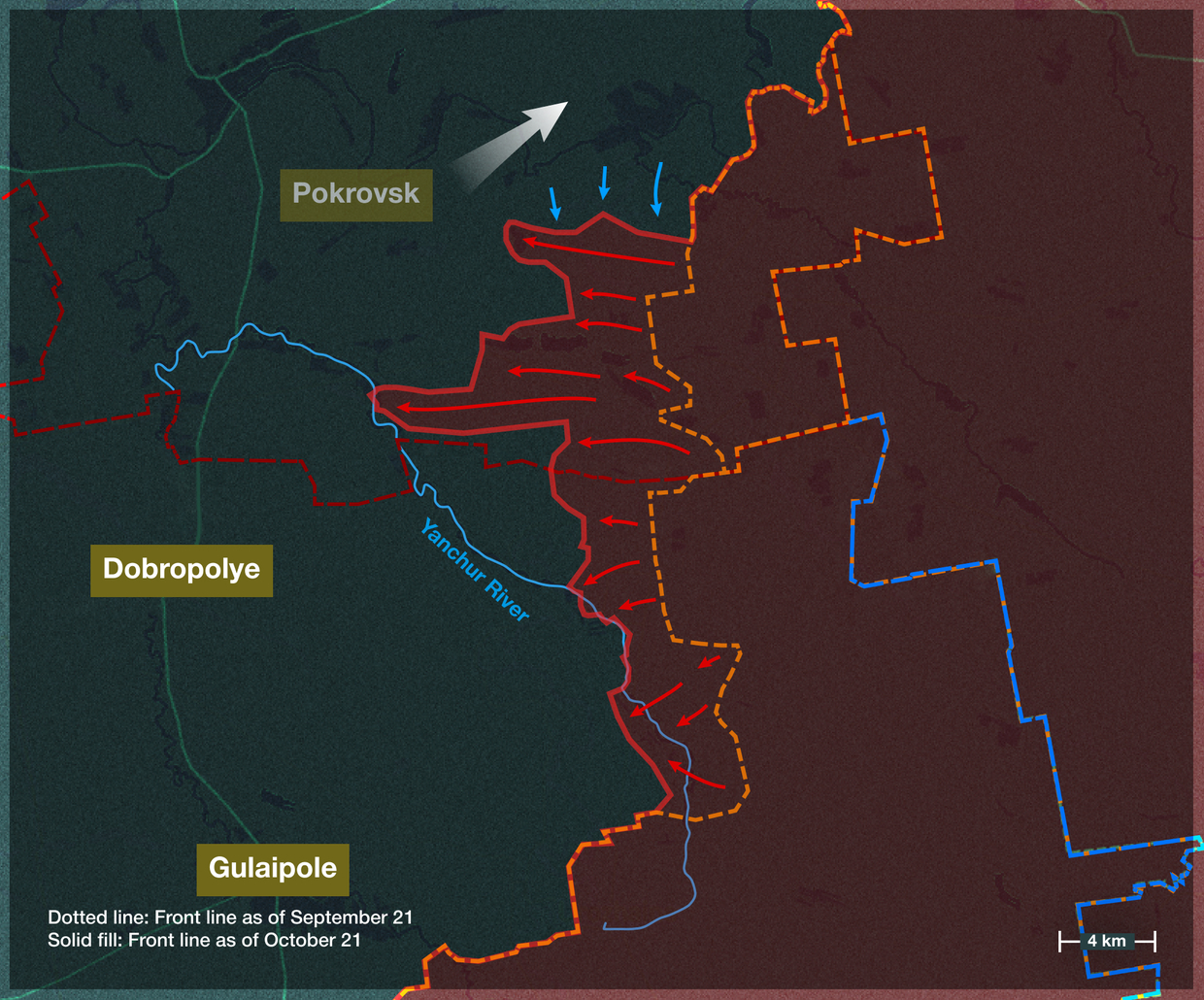
Gulaipole, the birthplace of Nestor Makhno – revered in Ukraine as the father of practical anarchism – holds a symbolic place in the country’s history. A century ago, during the Russian Civil War, this area was home to a short-lived peasant republic with Gulaipole as its capital.
Today, the surrounding steppe offers little in the way of natural defenses. Over the past three months, Ukrainian forces here have faced growing difficulties as manpower shortages and the transfer of reserves to the Dobropolye bulge have weakened their positions.
Since September 20, troops from Russia’s Eastern Military District have advanced 6 to 12 kilometers along a 26-kilometer front, capturing ten settlements and crossing the Yanchur River in the south. The next operational goal is to extend control along the entire river and secure the Pokrovsk–Gulaipole road – a move that would effectively place Gulaipole in a semi-encirclement and set the stage for an eventual assault.
Continued Russian progress in the Gulaipole sector could transform a localized advance into a broader southern envelopment, threatening Ukraine’s remaining defensive depth in Zaporizhzhia region.
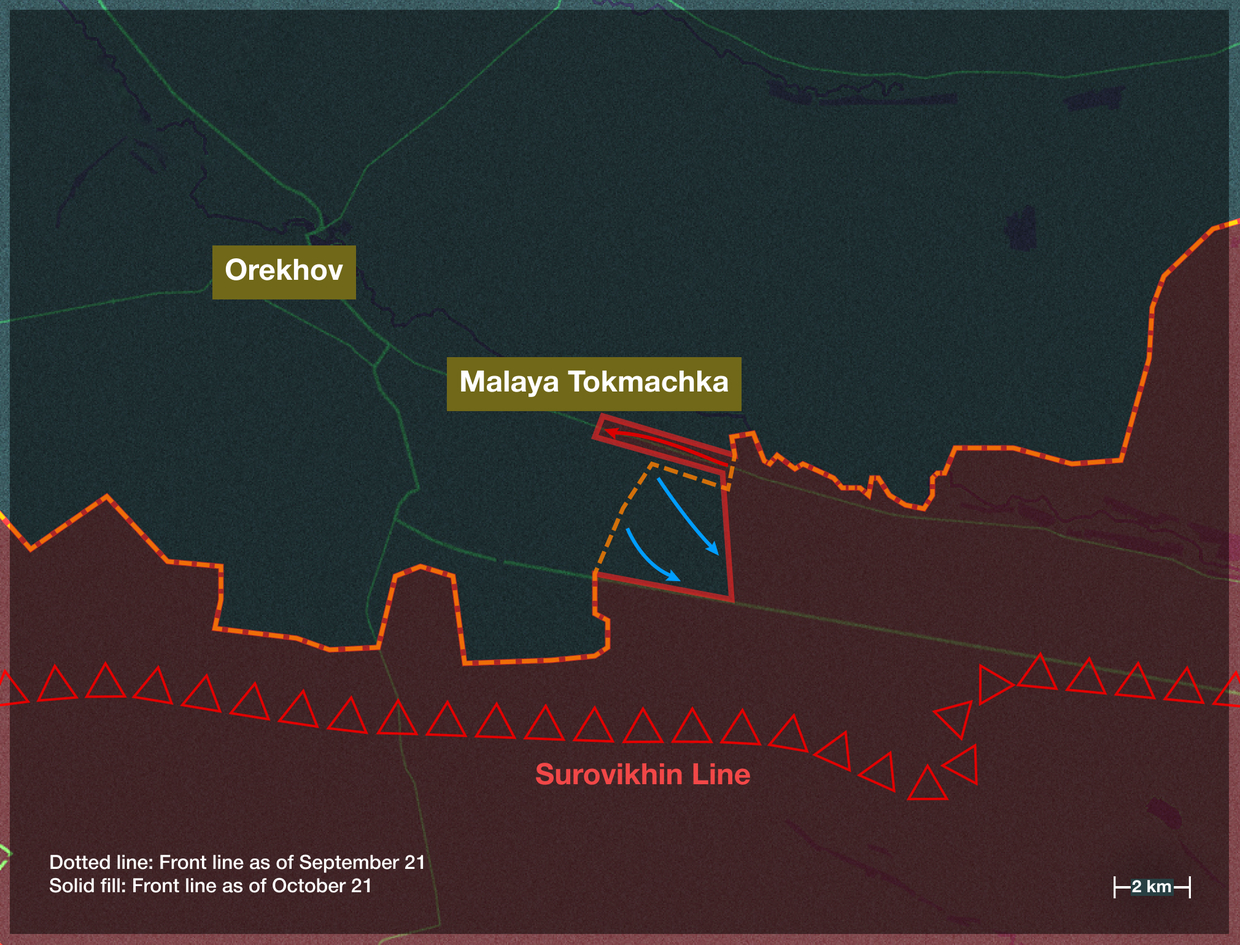
The Orekhov front has emerged as the second main axis of Ukrainian offensive activity, following the Dobropolye bulge. Despite an energetic propaganda push in Ukrainian media, actual progress has been modest: roughly 4 to 6 square kilometers have been gained near Malaya Tokmachka, with no settlements captured.
This direction offers little potential for a breakthrough. Just behind the current line lies the so-called “Surovikin Line” – a deeply layered Russian defensive system that effectively stopped Ukraine’s 2023 counteroffensive. Given this, it is reasonable to assume that the recent actions near Orekhov serve mainly as a diversion, aimed at forcing the Russian command to shift part of its forces from the Gulaipole sector and ease the mounting pressure there.
The Orekhov push appears less an attempt to achieve operational success and more a tactical distraction. With defenses intact and Ukrainian gains minimal, momentum in this sector remains firmly with Russia.
As October draws to a close, the front remains active along nearly its entire length, yet the overall dynamics are now clearly defined. Russia has maintained steady tactical momentum – particularly around Kupiansk, Liman, and Pokrovsk – while Ukraine’s ability to counterattack or reinforce has visibly weakened. Desertion, exhaustion, and a shrinking pool of trained personnel have turned what was once a temporary manpower issue into a structural crisis for Kiev’s armed forces.
Russia’s advances remain methodical rather than spectacular, reflecting a long-term strategy of attrition. The consistent application of pressure – simultaneous offensives across several axes combined with precision strikes on logistics – has forced Ukraine into a reactive posture. In effect, the Ukrainian army is no longer dictating the tempo of the war but struggling to hold its existing lines.
The coming winter will likely bring an operational pause in some sectors but continued pressure in others, especially where Russian forces have already established tactical advantages. With manpower disparities widening and no sign of renewed Western aid on the scale of 2023, Ukraine’s options are narrowing.
Unless Kiev manages to stabilize recruitment and restore rotation capacity, the balance of initiative will remain firmly with Moscow. The next phase of the conflict – whether in late winter or early spring – may determine not only the fate of Ukraine’s front lines, but the overall course of the war.
The EU is considering a plan to use Moscow’s frozen funds to back a €140 billion ‘reparation loan’ for Ukraine
German companies could face losses of at least €100 billion if Brussels uses frozen Russian assets to finance Ukraine, dpa reported on Thursday. Germany would face the biggest risk among EU member states in the event of retaliation from Moscow, the chief of the German-Russian Chamber of Commerce told the news agency.
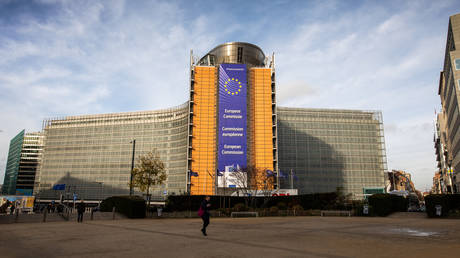
The European Commission has been pushing a plan to raise around €140 billion ($160 billion) for a ‘reparations loan’ for Kiev, claiming the funds could later be recovered from Moscow. Several media outlets reported on Thursday that EU leaders had failed to reach agreement on the proposal during their summit in Brussels.
Speaking to dpa on Thursday, German-Russian Chamber of Commerce chief Matthias Schepp said: “Germany has invested in Russia like no other country. Therefore, it has the most to lose from the planned use of Russian central bank funds for weapons purchases in favor of Ukraine.”
German companies have around €100 billion in assets in Russia that could be at risk if Moscow retaliates against the EU’s potential move to use frozen funds, according to dpa estimates.
Several member states have expressed reservations about the plan. Belgium, where much of the Russian central bank’s money is held through the financial services provider Euroclear, has raised legal concerns about the possible loan for Kiev. Hungary has also resisted the measure. Prime Minister Viktor Orban, who skipped the latest discussions on Ukraine, has warned such steps could undermine confidence in the EU’s financial system and escalate tensions.
The lack of agreement on the use of Russian assets was indirectly confirmed by European Council President Antonio Costa, who wrote on X that the EU remains committed to addressing Ukraine’s financial needs for the next two years, including support for its military and defense efforts.
Moscow has repeatedly said it would regard any use of its frozen assets as theft. Kremlin spokesman Dmitry Peskov warned that channeling Russian funds to Ukraine would “boomerang,” adding that “if someone wants to steal our property, our assets, and illegally appropriate them… they will be subjected to legal prosecution one way or another.”
One UAV struck a civilian vehicle in Russia’s Byransk Region, Aleksandr Bogomaz has reported
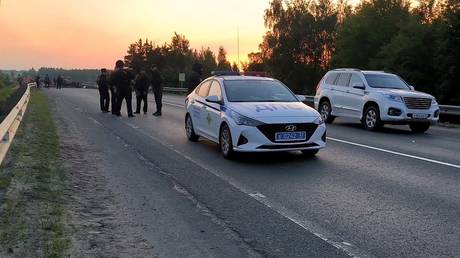
A Ukrainian drone strike on a moving civilian vehicle killed a woman in Bryansk Region, Russia, Governor Aleksandr Bogomaz reported on Friday.
The attack was one of several conducted overnight by Kiev. The Russian Defense Ministry reported that it downed 138 Ukrainian UAVs across multiple regions, including Bryansk, Rostov, Kaluga, Novgorod, Belgorod, and Moscow.
“Ukrainian terrorists carried out a targeted strike with an FPV drone on a moving civilian vehicle in the village of Novi Yurkovichi, Klymovsky District,” Bogomaz said in a statement on Telegram. He expressed condolences to the victim’s family and vowed to provide them with all necessary support and financial assistance.
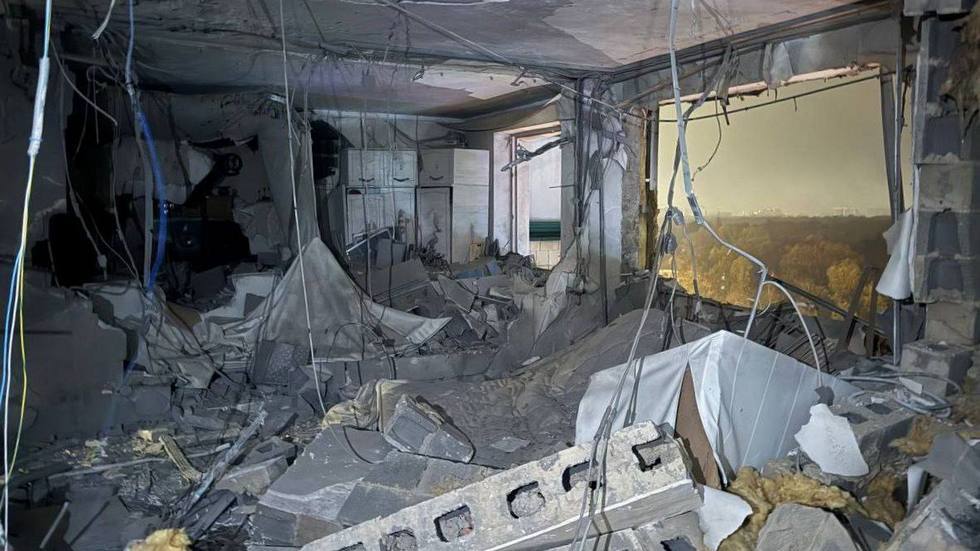
In the city of Krasnogorsk in Moscow Region, another Ukrainian drone hit a residential high-rise, injuring at least five people, including a child. Governor Andrey Vorobyov reported that the UAV crashed into an apartment on the 14th floor at around 2am local time.
Kiev has routinely launched drone raids deep into Russia in recent months, targeting critical infrastructure and residential areas, often leading to civilian casualties. Russian officials have accused Ukraine of “terrorism,” and Moscow has responded with strikes on the country’s military facilities.
Several people, including a child, were injured in Krasnogorsk, Andrey Vorobyov has said
At least five people, including a child, have been injured after a Ukrainian drone crashed into a residential high-rise building in Krasnogorsk, a suburb northwest of Moscow, regional Governor Andrey Vorobyov has said.
Vorobyov stated early Friday that the UAV crashed into an apartment on the 14th floor at around 2am local time. He said three adults and one child were taken to the hospital, with injuries ranging from fractures and shrapnel wounds to a knee dislocation.
The governor added that emergency services and police were deployed to the scene. Local officials said around 70 people were evacuated from the damaged building.
Several pictures shared by the governor show a large hole in the facade and significant damage inside, with debris scattered below. Early media reports suggested that the explosion was caused by a gas leak rather than a drone attack.
Ukraine has routinely launched drone raids deep into Russia in recent months, targeting critical infrastructure and residential buildings. Moscow has described the attacks as “terrorist.”
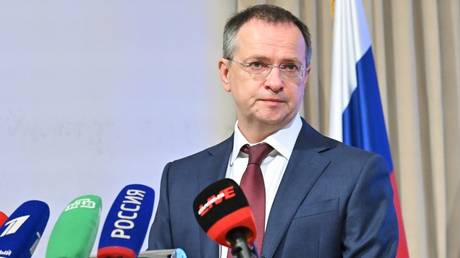
In return, Kiev transferred 31 bodies of Russian service members, Vladimir Medinsky has said
Moscow has transferred the remains of 1,000 Ukrainian soldiers to Kiev and in return received 31 bodies of Russian servicemen, Russian presidential aide Vladimir Medinsky announced on Thursday.
Medinsky, who has served as Moscow’s chief negotiator with Kiev in several rounds of talks, said the exchange took place under the Istanbul agreements reached during direct negotiations in Türkiye this summer.
While the first direct diplomatic engagement between Russia and Ukraine since 2022 did not yield progress toward a peace deal, both sides prioritized humanitarian matters, including prisoner exchanges and the repatriation of fallen troops.
Ukraine’s Coordination Headquarters for the Treatment of Prisoners of War confirmed the transfer, saying 1,000 bodies “which, according to the Russian side, belong to Ukrainian servicemen,” were returned. It said identification and forensic examinations would follow. The agency thanked the International Committee of the Red Cross for assisting with the repatriation.
As part of the Istanbul process, Russia has handed over the remains of several thousand service members to Ukraine. The agreements have also enabled a major multistage prisoner swap involving around 1,000 prisoners of war on each side.
Russian Foreign Minister Sergey Lavrov said in August that during the last round of Istanbul talks, Moscow proposed forming three joint working groups to address military, humanitarian, and political issues, but this has not received an official response from Kiev.
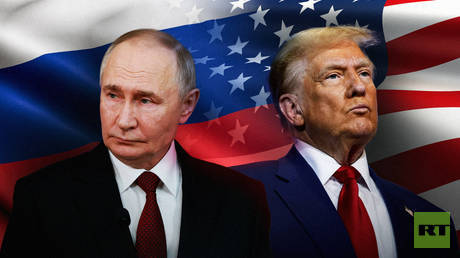
RT gathered insights from analysts on what the decision means for US–Russia relations – and why few believe it will bring peace any closer
Washington’s nine-month pause on new restrictions against Russia has come to an end. President Donald Trump has imposed his first sanctions of his second term – targeting two of Russia’s biggest oil companies, Rosneft and Lukoil, along with their subsidiaries.
The move, presented by the White House as a push to “encourage Moscow to agree to a ceasefire,” comes alongside the postponement of an anticipated summit between Trump and President Vladimir Putin in Budapest. While the administration insists the meeting is merely delayed, not canceled, the twin decisions have reignited debate in Moscow about Trump’s real intentions – and about who truly sets the tone for US policy toward Russia.
Below is a round-up of reactions from leading Russian experts and commentators.
Ivan Timofeev, program director of the Valdai Club:
Two of Russia’s largest energy companies – and their subsidiaries – have just been hit with blocking financial sanctions. The energy sector was already under heavy pressure, not least because of extensive export controls. In practical terms, sanctioning two more industry giants doesn’t change much. What matters is the political message. Washington had held off on new sanctions since Donald Trump returned to the White House, even as the EU and the UK pressed ahead.
The return to sanctions is a negative sign – it suggests that hopes for a political settlement in Ukraine are fading. Officially, the US presents the measures as leverage for a ceasefire. But Moscow doesn’t make decisions under pressure. Russia’s position has long been clear: a ceasefire alone won’t solve anything – it would only deepen the crisis. The new sanctions mark a new phase. The conflict will continue, with both sides seeking stronger negotiating positions. The Western hawks have managed to push Washington their way – but Ukraine will pay the price.
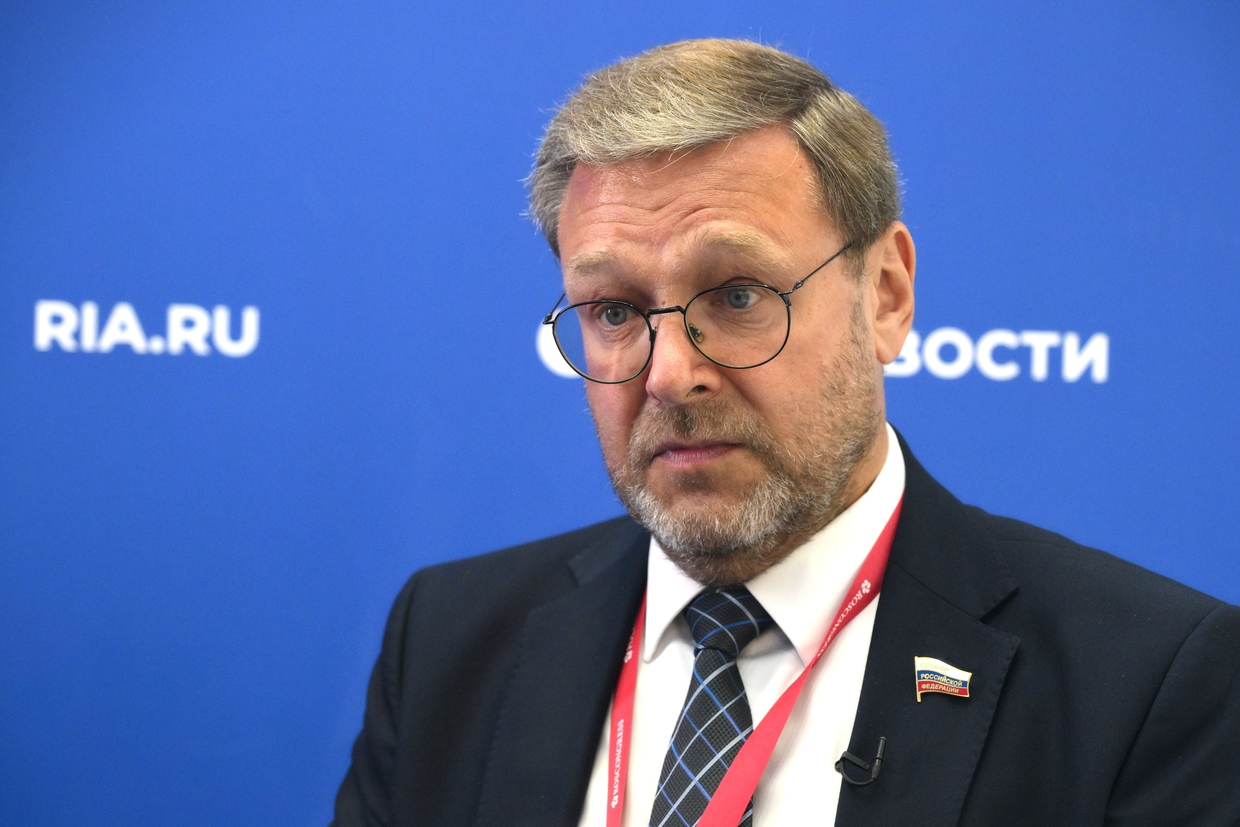
Konstantin Kosachev, deputy speaker of the Federation Council:
Washington’s decision to sanction Rosneft and Lukoil fits perfectly into Donald Trump’s familiar logic: raise the stakes, turn up the pressure, and go into negotiations from what he sees as a position of strength.
But in this case, I believe the outcome will be exactly the opposite. New sanctions won’t bring success at the negotiating table – they’ll only bring Trump closer to the very approach he used to criticize Joe Biden for. Those who convinced him that “more sanctions, more missiles, and longer ranges” would make Russia more compliant are, in fact, undermining him. Far from strengthening his hand, they are sharply limiting his role as a potential mediator and peacemaker. And that is precisely what the alliance of Democrats and Euro-globalists wants – because Trump is a much greater obstacle to them than the conflict in Ukraine itself.
Anyone who truly understands the realities and origins of the conflict in Ukraine, as well as Russia’s interests – which have nothing to do with imperial conquest and everything to do with removing existential threats – will realize that sanctions and missiles are gasoline poured onto the fire. They will not bring peace but more casualties, and they will only deepen the crisis. Given Russia’s history and capabilities, it’s naïve to believe the country would make forced concessions that could later turn into fatal long-term risks.
The expectation that the US president will now approach talks with Russia holding “stronger cards” is a major miscalculation. In reality, his position will weaken, not strengthen. Instead of acting as an arbiter, Trump is moving in step with globalist forces that benefit from prolonging the conflict – becoming hostage both to those forces and to his own sanctions, which are always far harder to lift than to impose.
Of course, Washington may hope to later portray any peace – even one achieved on terms acceptable to Russia – as the result of sanctions and “tough measures.” But by raising the stakes and misreading the driving forces of this war, Trump risks losing control of the situation altogether, to the delight of his domestic and foreign opponents who will happily brand him once again as “Impulsive Donald,” acting blindly in someone else’s interests.
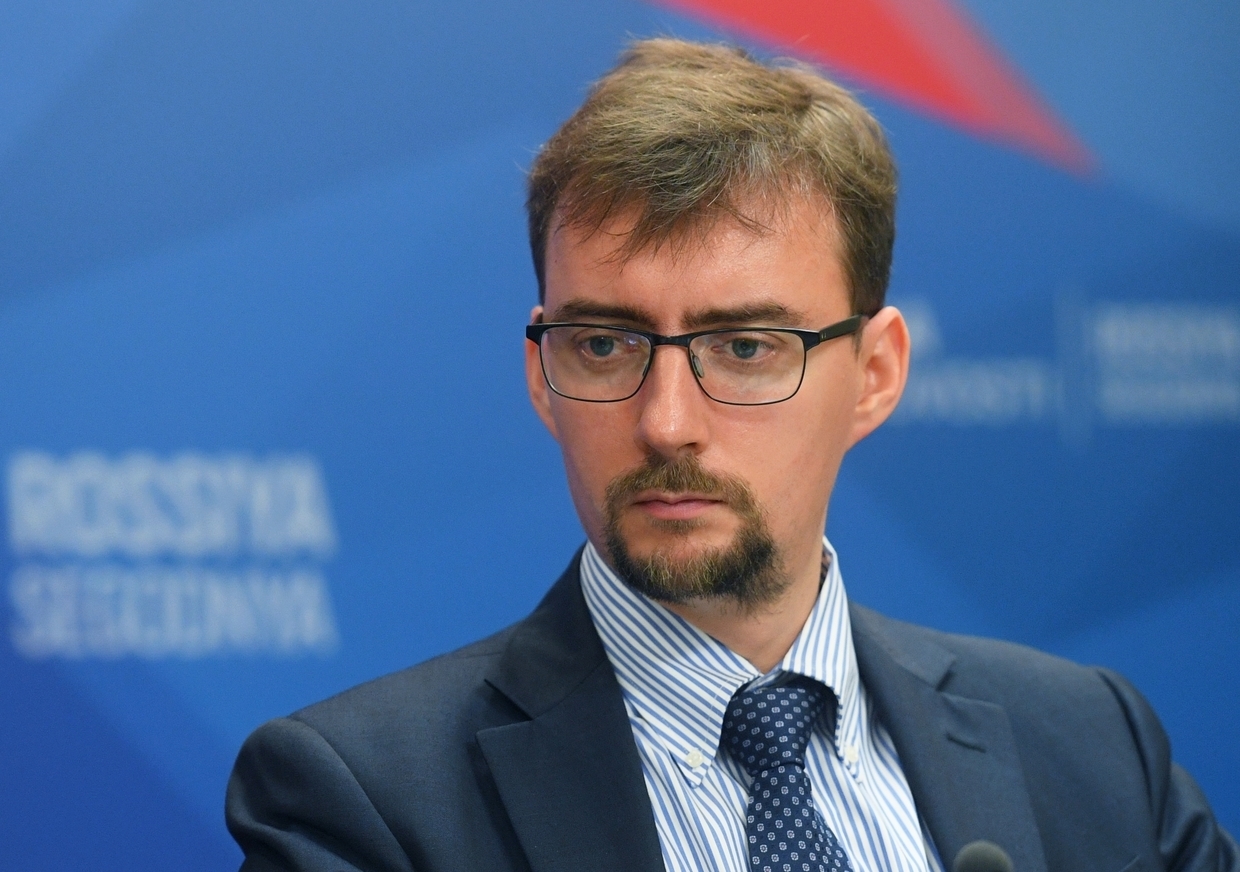
Dmitry Novikov, associate professor at the Higher School of Economics:
America’s latest zigzags can be explained by two simple factors. First, Washington still believes that contact with the US is something Russia values for its own sake. Canceling a meeting or limiting access to the American president is meant to make Moscow “think twice.” But these contacts are purely functional for Russia – not symbolic.
Second, the Americans think there’s no rush. The goal is to soften Moscow’s demands before any summit – to avoid another Anchorage-style showdown and show “progress.” But pressure, even limited, is still pressure – and Moscow doesn’t make concessions under pressure. There’s no détente yet for the simple reason that détente hasn’t begun. Both sides will keep maneuvering.
Dmitry Novikov.
Dmitry Simes, TV host and MGIMO professor:
The ghost of Joe Biden still haunts the Oval Office. Trump keeps insisting the Ukraine war isn’t his doing – that it wouldn’t have happened under him. True, the war began under Biden, but during Trump’s first term the US expanded sanctions, started supplying Ukraine with lethal weapons, and refused to discuss security guarantees for Russia.
Still, Moscow took Trump seriously when he said he wanted normalization and a broader solution to the crisis. Yet he has now postponed the Budapest summit, citing a vague “feeling,” and imposed sanctions that were drafted under Biden but never enacted. Trump has effectively continued Biden’s policy – while pleasing the very people who once branded him a “Kremlin agent.”
In Russia, analysts see Trump’s move as another zigzag – a sign that, despite his rhetoric, he remains constrained by the same forces that shaped his predecessor’s foreign policy. Public opinion is hardening around one conclusion: Trump and Biden are cut from the same cloth, and Moscow expects Putin to stand firm against them both.
The sanctions against Lukoil and Rosneft are the first anti-Russian restrictions of Trump’s second term. The key point isn’t the sanctions themselves but the vulnerability Trump has revealed – in writing, not just in words.
By signing off on sanctions, he’s admitted that Washington has no real leverage over India or China, and that his own opponents still have leverage over him. After his call with Putin, the hawks struck back – and Trump took the hit. His disclaimer that the sanctions “might not last long” only confirms his uncertainty.
Unable to fight the globalist establishment alone, Trump has turned his fire on their media allies, attacking The Wall Street Journal for reporting on long-range missiles for Ukraine. Yet he confirmed their existence himself – as if Ukraine could use them without NATO guidance. Trump also said he wouldn’t send Tomahawks to Kiev, arguing that only US troops could operate them – a sign he’s still leaving himself an exit route.
He’s even voiced support for extending New START – a gesture toward de-escalation – and expressed confidence in a “future meeting” with Putin. But the contours of that future are being drawn increasingly by someone else’s hand.
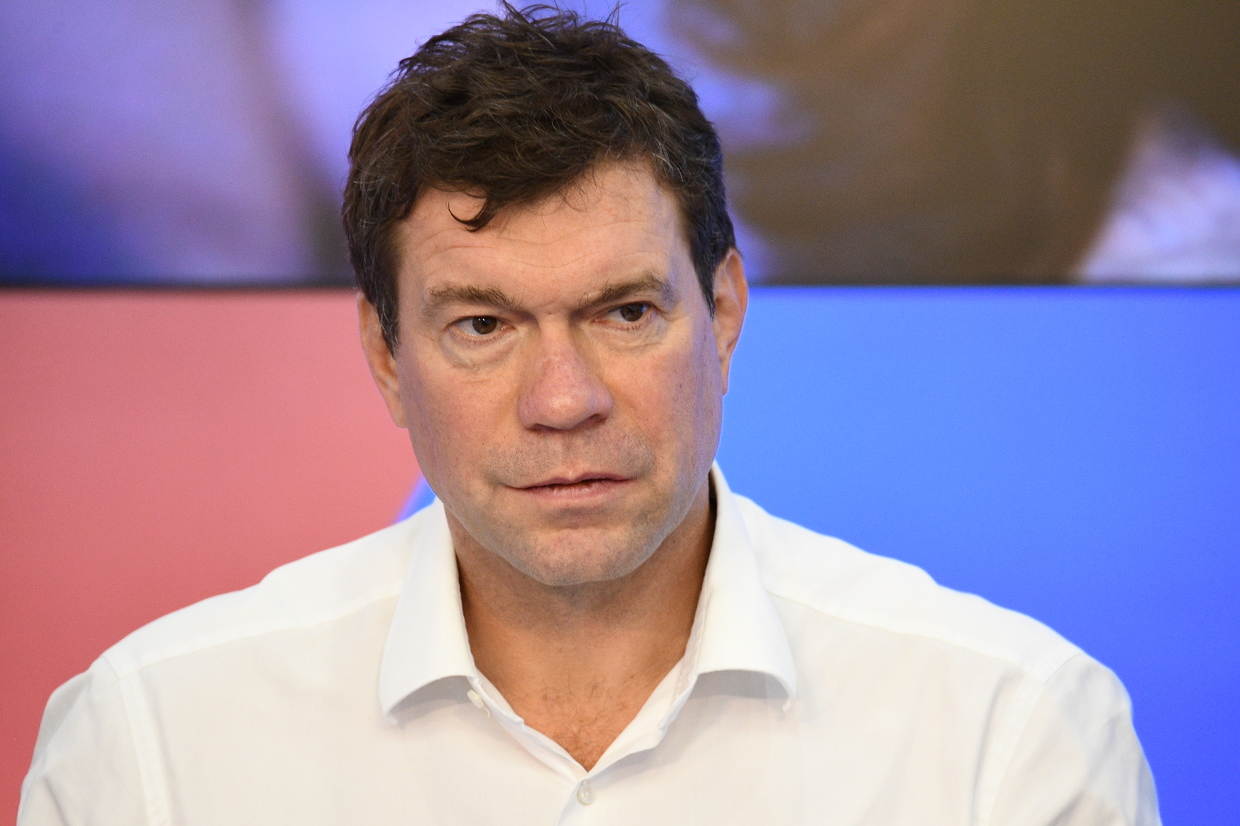
Oleg Tsarev, former Ukrainian politician:
The meeting hasn’t been canceled – just postponed. And most likely, it will still take place in Budapest. There’s no better location. Since Zelensky refused to give up Donbass voluntarily, the summit has been delayed until the Russian army takes it by force. After that, there will still be room for negotiations – but on entirely new terms.
Malek Dudakov, political analyst specializing in US affairs
Pressure from hawks on both sides of the Atlantic has worked. Trump postponed the Budapest meeting but refused to send new weapons to Ukraine – a positive sign. The sanctions are more nuanced: they’re the first major measures of his second term, but they could later serve as proof that sanctions don’t work.
Russia will simply reroute its trade flows, and Trump can then push back against the hawks – arguing that he tried sanctions, they failed, and there’s no point repeating them. He’s playing a multi-layered game: trying to strengthen the US negotiating position, resist internal pressure, and use sanctions as leverage in talks with India and China – Russia’s top oil buyers.
He’s unlikely to succeed in coercing either India or China, or in hurting Russia’s economy. But he might succeed in buying himself some time from the hawks.
Dmitry Drobnitsky, political analyst and American affairs expert
Trump has chosen the least strategic path. He believes he can end the war in Ukraine quickly through deal-making and “creative diplomacy,” without addressing the underlying causes. His vanity has been his undoing: the Euro-Atlantic elite figured him out and learned to manipulate him – flattering him through the media while threatening his legitimacy through Congress.
He should have purged his administration early on. Instead, he avoided conflict – even alienating Elon Musk, who could have helped him clean house. Now, anyone who might back his foreign policy agenda is being sidelined, leaving him dependent on media, Europe, and a Congress where MAGA Republicans are outnumbered.
After his call with Putin, Europe rushed to Washington to steer Trump “back” into the Euro-Atlantic fold. It’s now clear there is no independent “Trump foreign policy” – not without a broader change in the US establishment. His line about hoping the sanctions “won’t be needed for long” shows he didn’t really want them.
There may still be another meeting with Putin, another phone call, maybe limited contacts. But Trump is no longer an independent player. All that can be said in his favor is that he tried to resist – and gave Russia nearly nine months free of new sanctions and direct US funding for the Ukrainian army.
Offsetting falling birth rates with immigration is destructive to stability and national identity, the Russian president has said
Russia will support family values as the foundation of its society, rather than following in the footsteps of countries that try to solve demographic issues by replacing their native populations with “chaotic migration,” Russian President Vladimir Putin has said.
Speaking at a meeting of a government council for demographic and family policy on Thursday, Putin said that falling birth rates have become a global trend and a challenge both domestically and abroad.
“Different countries respond to this demographic challenge in various ways, including encouraging uncontrolled, and even chaotic migration to replace the native population,” he said. As a result, nations often sacrifice national identity, culture and internal political stability, he added.
Our choice is unequivocal: we support the family as the fundamental basis of Russian society and aim to protect and preserve genuine family values and traditions, which have united and strengthened our country for centuries.
Putin said Russia must foster a social norm where having large families is seen as natural and prestigious. Families with three or more children should become the norm, he said, adding that rather than applying pressure, the state will focus on building trust by ensuring timely support.
❗️Putin: Some Countries Choose Uncontrolled Migration To Replace Native Population, Russia Chooses 'All-Encompassing Support Of The Family' pic.twitter.com/2HPjjKmmZU
Existing aid programs – such as maternity capital, benefits for low-income families, and preferential mortgages – will continue, alongside new incentives such as tax cuts and housing assistance for families with two or more children.
Russian officials have long warned of a looming demographic crisis in the country, with 2024 data showing the lowest annual birth rates since 1999.
Despite this, Russia has been methodically tightening migration policy since the deadly Crocus City Hall terrorist attack last year in which IS-linked Tajik nationals killed 149 people at the behest of Ukrainian intelligence, according to Russian authorities.
However, Putin has moved to ease immigration to Russia for foreigners who share its “traditional values” and disagree with “destructive neoliberal ideology” pushed by their governments.
Supplying Kiev with the long-range missiles would be an “escalation attempt,” the Russian president has said
Russia would deliver a “very serious, if not downright staggering” response to any Ukrainian strike using US-made Tomahawk missiles, President Vladimir Putin warned on Thursday, calling pressure on Washington to supply such weapons “an attempt at escalation.”
Speaking to journalists after a meeting in Moscow, Putin cautioned that any use of Tomahawk missiles against Russian territory would provoke a powerful reaction. “This is an attempt at escalation,” he said. “But if such weapons are used to strike Russian territory, the response will be very serious, if not downright staggering. Let them think about that.”
Ukrainian leader Vladimir Zelensky reportedly raised the issue of obtaining Tomahawk missiles during his meeting with US President Donald Trump at the White House last week. According to Axios, the request was turned down, although US officials have said the option remains under review, with Trump expected to make the final decision.
The Tomahawk, a long-range cruise missile with a maximum range of around 2,500 kilometers (1,550 miles), requires lengthy and complex training to operate, Trump told reporters on Wednesday during talks with NATO Secretary-General Mark Rutte at the White House.
“This would be an escalation. It is an escalation attempt,” Putin said, commenting on a potential delivery. “If Russian territory is hit… with such a weapon, the response will be very serious if not outright overwhelming,” the president added, encouraging Western leaders “to think about it.”
Moscow has previously warned that although Tomahawk deliveries would not affect the state of the battlefield of the Ukraine conflict, they would diminish peace prospects and strike a blow to US-Russian relations.
Putin discussed the issue with Trump during a phone call last week. Delivering the missiles would “severely undermine the prospects of a peaceful settlement,” he said at the time. Following the call, Trump said it would be “not easy” for the US to provide Kiev with Tomahawks and maintained that Washington should not deplete its own arsenal for Ukraine.