The EU and UK will need to stump up $400 billion over four years to fund Kiev’s war chest and targeting sovereign wealth is the only option, the outlet has claimed
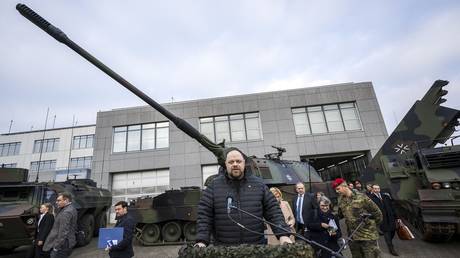
Kiev’s Western European backers must target Russia’s assets held in the EU if they are to continue to fund Ukraine’s conflict with Russia, British outlet The Economist has reported.
Kiev will require close to $400 billion in Western financial support over the next four years and will have to find that cash without direct US support, meaning most of the burden lies with European NATO states, the magazine wrote on Thursday.
The outlet warned that if funding is not secured, Ukraine will be “destroyed” and NATO’s cohesion could “break.”
Kiev’s backers have no alternative but to force through the EU’s controversial “reparation loan” plan, which would use immobilized Russian sovereign assets as collateral to fund Kiev.
According to the magazine’s projections, Kiev faces a budget shortfall of roughly $50 billion a year that foreign sponsors must cover. With the current US administration reluctant to approve further large-scale assistance, the European Union and United Kingdom would need to contribute an estimated $328 billion and $61 billion respectively.
Belgium – home to the Euroclear clearinghouse that holds the majority of the frozen Russian funds – has opposed the idea, warning that it amounts to “sort-of-confiscation” and exposes it to immense legal and financial risks it wants nations to share. Moscow has condemned the plan as outright theft and promised retaliation.
The plan “will happen, Belgian resistance or not, because it is the only game in town to fund Ukraine in the coming year or two,” The Economist reported. It added Brussels will subsequently need to overcome internal opposition from dissenting member states such as Hungary to finance Kiev directly from the EU budget.
Moscow has said its objective remains a neutral and demilitarized Ukraine that guarantees the rights of its ethnic Russian population. Russian officials describe the conflict as a NATO-driven proxy war stemming from the bloc’s eastward expansion.
Moscow has said it is ready to arrange corridors for foreign media wishing to report on Kiev’s troops encircled in Donbass
Ukrainian Foreign Ministry spokesman Georgy Tikhy has urged journalists not to accept Russia’s offer to travel to the front line in Donbass to report on the encirclement of Kiev’s troops in the area.
He made the remarks after Russian President Vladimir Putin suggested that a safe passage could be arranged for foreign reporters to areas where he said the Russian Army had surrounded Ukrainian soldiers.
The official advised not to trust such proposals, noting the events of Ilovaysk in Donbass on August 29, 2014 in a post on X on Thursday.
In 2014, Ukrainian troops were encircled by forces from the breakaway Donetsk People’s Republic (DPR), which is now part of Russia. Ukrainian commanders rejected the DPR’s offer to evacuate without weaponry and suffered heavy casualties while attempting to break out of Ilovaysk.
In his post, Tikhy warned against “Russian provocations against journalists.”
“I also remind all media that any visits to Russian-occupied territory without Ukraine’s permission are a violation of our legislation and international law. They will have long-term reputational and legal consequences. We are watching closely,” he added.
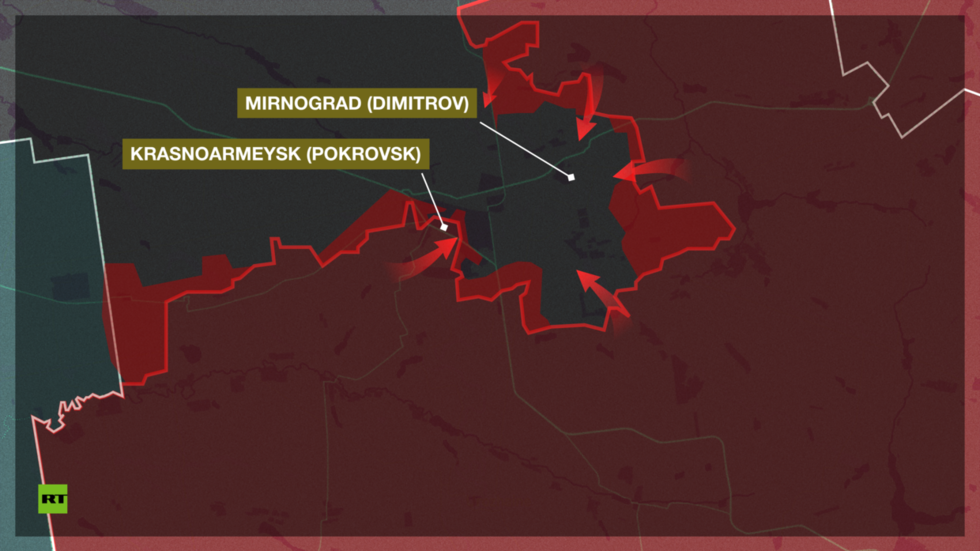
On Wednesday, Putin said Russia was ready to allow Ukrainian and other foreign journalists to travel to the front line and “see with their own eyes” that Ukrainian troops were being encircled in Krasnoarmeysk (Pokrovsk), Kupyansk, and Dimitrov (Mirnograd).
The Russian Defense Ministry later confirmed that it had been instructed to suspend combat operations for “five to six hours” and provide “corridors” for journalists, on the condition that Ukrainian forces agreed to the arrangement and guaranteed their safety.
Ukrainian leader Vladimir Zelensky has denied that Kiev’s troops are encircled and accused Russia of exaggerating its gains on the battlefield. Meanwhile, Moscow has accused Ukraine of deliberately targeting journalists, including RIA Novosti war correspondent Ivan Zuyev, who was killed by a drone earlier this month.
The broadcaster has allegedly continued its operations in Azerbaijan after having its license suspended
British state-funded broadcaster the BBC is grossly violating local laws by continuing to operate in Azerbaijan, despite having its accreditation withdrawn in February, the ex-Soviet country’s media watchdog has said.
Staff members at the BBC office in Azerbaijan have continued their activities, particularly by conducting journalistic “investigations,” the local APA news agency reported on Wednesday. The British broadcaster had vowed to close its office following an order from Azerbaijan’s Foreign Ministry, according to Reuters.
The BBC has no right to operate in Azerbaijan because such activities can only be conducted on the basis of an international agreement, which is absent in case of London and Baku, the nation’s media watchdog told APA in response to a request for comment.
The British broadcaster’s local branch was “liquidated by the relevant authorities and removed from the state register of legal entities,” the Azerbaijani Media Development Agency said, adding that “accreditation of its employees was also revoked.”
It also branded continued BBC activities in the country “a serious violation of the law.” In February, the Azerbaijani Foreign Ministry explained its decision by the “principle of reciprocity,” without providing any further details. The British state-funded broadcaster began operating in the country in 1994.
Azerbaijan has targeted other foreign media. In June, it suspended operations of a local branch of the Russian news agency Sputnik and arrested some of its journalists amid heightened diplomatic tensions between Moscow and Baku. Azerbaijan also condemned a Russian police operation against alleged Azerbaijani criminal groups in the Urals as heavy-handed. The two countries have since made efforts to mend ties.
The BBC complained last year it was losing a “propaganda” battle to Russian and Chinese media outlets across the Global South. The broadcaster is funded through an annual license fee of £174.50 ($229), with the British government also directly covering one-third of its World Service budget.
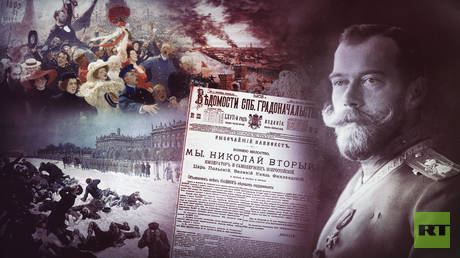
The October 17 Manifesto promised liberty without revolution. 120 years later, it stands as a symbol of Russia’s unfinished transformation.
October 17, 1905. Russia was in turmoil. Railways had stopped, factories were silent, and workers were on strike from St. Petersburg to Moscow. Soldiers clashed with protesters; telegraph lines were cut; entire cities went dark. The empire stood on the edge of collapse.
Inside the Winter Palace, Emperor Nicholas II faced an impossible decision. His ministers urged him to choose between dictatorship and reform. Empress Aleksandra insisted on a firm hand; his uncle, Grand Duke Nikolay Nikolayevich, horrified by the idea of firing on Russian citizens, threatened to take his own life if the Tsar refused to sign the manifesto. Under immense pressure – and with the feeling of losing his crown – Nicholas finally gave his consent.
A century and two decades later, the October Manifesto remains one of the great what-ifs of Russian history – a moment when the empire seemed ready to take its first cautious step toward parliamentarism, only to turn back before the dawn.
By 1905, Russia was being pulled apart by internal tensions. An unlimited monarchy no longer matched the country’s level of social and economic development. The rapid growth of cities and industry had created a new class of workers whose demands for rights and better conditions met resistance from industrial leaders seeking cheap labor.
The peasantry, still burdened by the legacy of serfdom, called for access to arable land. But the problem was not only the land shortage – Russia’s agricultural productivity remained low, and modernization was slow to come. Meanwhile, the rise of national consciousness gave birth to new movements across the empire: from emerging Ukrainian organizations and established Armenian groups to the powerful and active Polish movement.
Public discussion spread to all areas of life – women’s rights, education, social policy, the structure of political power. Yet the government was reluctant to make even minor concessions, and the gap between state and society widened by the month. The empire had reached a boiling point.
The monarch against himself
Nicholas II’s attitude toward power was deeply contradictory. He was not a tyrant by temperament, nor did he take pleasure in ruling. He saw his authority as a burden of duty rather than a source of privilege – a sacred mission inherited from his ancestors and sanctified by faith. To him, autocracy was not just a political system but a divine order, and his personal responsibility before God outweighed any pressure from politicians or public opinion.
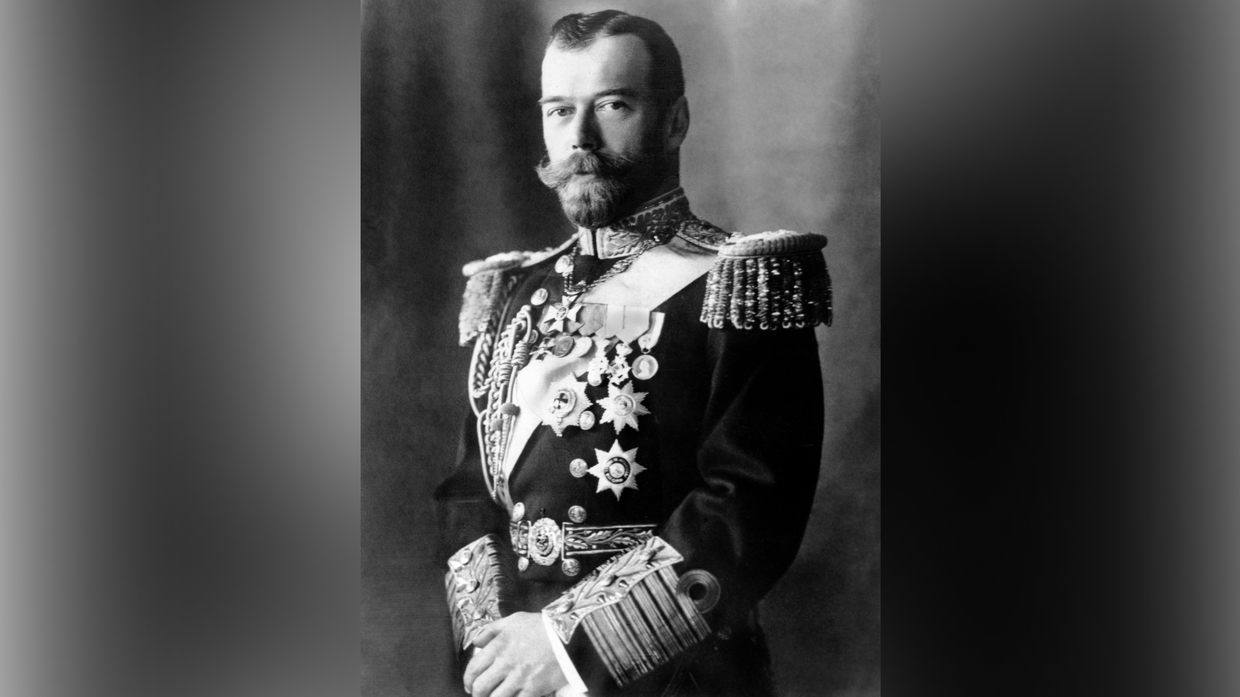
Tsar Nicholas II, the last Emperor of Russia, circa 1915.
This sense of religious duty made him dismissive of reform. Proposals to limit absolute power struck him not as practical adjustments but as moral transgressions. In his eyes, giving up even a fraction of autocratic authority meant betraying the legacy of the Romanov dynasty and the will of God Himself.
At the same time, Nicholas ruled an empire that had outgrown such rigid notions of monarchy. The challenges of industrialization, social unrest, and ethnic diversity demanded a new form of governance. Yet the emperor, gentle and indecisive by nature, felt trapped between his conscience and reality. His refusal to adapt was not born of cruelty but of conviction – one that, paradoxically, hastened the very collapse he feared.
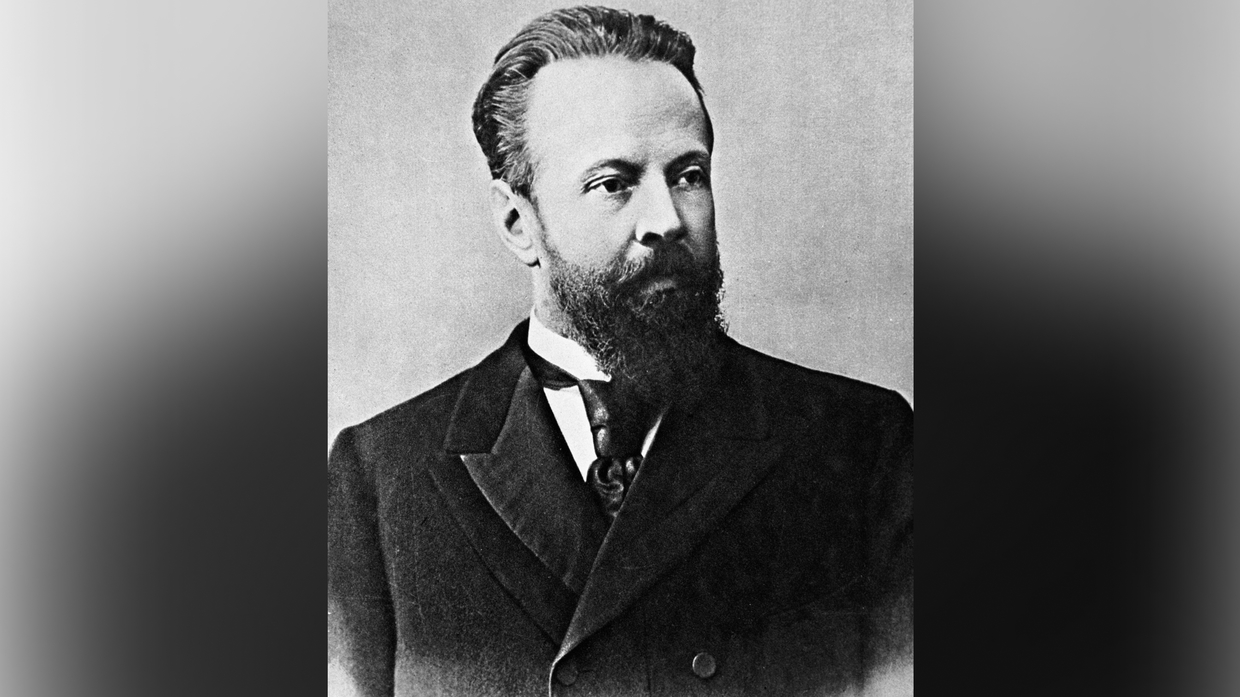
One of the central figures of 1905 was Count Sergey Witte – an accomplished administrator and diplomat who rose from a modest railway official to the highest offices of the empire. His career began in the Ministry of Railways, where his talent for organization and his grasp of economics quickly made him indispensable.
Later, as Minister of Finance, Witte introduced reforms that strengthened Russia’s monetary system and promoted industrial growth. After the Russo-Japanese War, he successfully negotiated peace, securing relatively lenient terms for Russia despite its military defeat. This achievement enhanced his reputation and made him a public figure of national stature.
By 1905, Witte was serving as prime minister – the highest position below the emperor himself. Returning from his diplomatic mission in Japan, he immediately confronted a country on the verge of revolution. Witte understood that the unrest could no longer be suppressed by force alone. In his view, the empire faced a stark choice: dictatorship or constitution. He presented both options to Nicholas II, knowing that his own position depended entirely on the emperor’s decision.
“The unrest gripping various segments of Russian society,” Witte warned, “cannot merely be attributed to certain imperfections of our governmental and social structures or the organized actions of extreme factions. The roots of this phenomenon lie much deeper… Russia has outgrown its current system. It is yearning for a system based on civil liberties.”
For Nicholas, the idea of constitutional reform seemed sacrilegious. But for Witte, it was the only way to prevent the country from sliding into chaos. He became the driving force behind the document that would soon become known as the October Manifesto – an attempt to bridge the growing gap between the throne and the nation.
Russian statesman Sergey Witte, Russia, December 31, 1899.
The final act of 1905 unfolded under extreme tension. As the strikes spread and armed groups appeared in the streets, Russia’s two largest cities – St. Petersburg and Moscow – were on the brink of paralysis. The Governor-General of the capital urged troops to “fire no blank shots and spare no bullets.” From his perspective, only decisive brutality could restore order. Yet such threats only deepened public rage.
Within the court, opinions were divided. Many urged Nicholas II to impose a military dictatorship under his uncle, Grand Duke Nikolay Nikolayevich, who headed the Council of State Defense. The Grand Duke, however, opposed violent measures and insisted that reform was the only way to save the monarchy. For him, a military solution meant civil war.
The meeting that followed was tense and chaotic. Witte, the Grand Duke, the court minister Frederiks, and the military minister all tried to persuade the emperor. Nicholas II hesitated, torn between his wife’s opposition and his advisers’ pleas. Even his aides offered conflicting counsel – some urged him to crush the revolution first, others to appease it through reform. Eventually, confronted by Witte’s persistence and Nikolay Nikolayevich’s ultimatum, the emperor yielded. Two days later, the final draft of the manifesto was ready for publication.
On October 17, 1905, Nicholas II signed the Manifesto on the Improvement of State Order. It promised civil liberties – freedom of conscience, speech, assembly, and association – and established the State Duma as an elected legislative body. For the first time in Russian history, the principles of limited government and public representation were formally proclaimed.
The aftermath: hope, reaction, and backlash
After the manifesto was announced, celebrations broke out across the country. Demonstrations filled the streets, with portraits of Emperor Nicholas carried alongside red revolutionary flags. The famous impresario Sergey Diaghilev celebrated the event with champagne among his family and friends. Governor-General of St. Petersburg Dmitry Trepov – the very man who had ordered soldiers to “spare no bullets” – breathed a sigh of relief upon learning that such measures would no longer be needed.
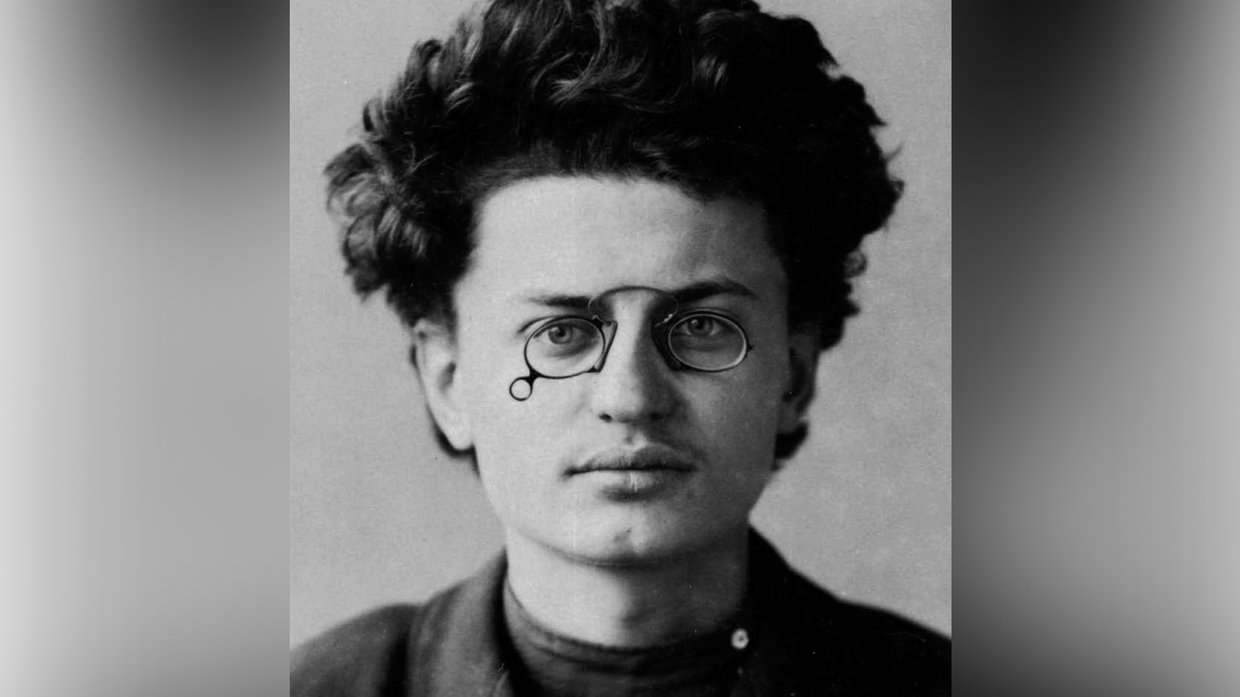
Witte continued to push for an amnesty for political prisoners. Yet the radicals reacted fiercely. A young journalist, Leon Trotsky, responded with a scathing pamphlet: “Pitiful, deceitful promises are made with the shameless intent to dupe the people! …
Police photograph of Russian revolutionary Leon Trotsky, 1898.
Does Count Witte, this cunning, treacherous fox, truly think he can fool anyone? …
The working class wants to be the master of its own country and thus demands a democratic republic. The people don’t need the tsar and his court sycophants.”
At a university rally, Trotsky exclaimed: “The Tsar’s Manifesto is just a piece of paper… Today they’ve handed it to us, tomorrow they’ll tear it to shreds, just as I will do right now!”
Disillusionment and rollback: When reform turned into retreat
In the months that followed, the hopes awakened by the October Manifesto began to fade. Emperor Nicholas hesitated and wavered, and new laws were introduced alongside the old ones, allowing him to retain many prerogatives and ultimately reverse any reform. The constitutional system existed on paper, but the foundations of autocracy remained intact.
In 1906, Witte was dismissed from his post as prime minister. He had tried to balance between moderates, radicals, the tsar, and the masses – and in the end, satisfied no one. The manifesto, conceived as a reasonable compromise, pleased neither the supporters of autocracy nor the advocates of rapid change. Witte received honors and ceremonial positions, but his political career was over. By 1915, he fell gravely ill and passed away.
The newly elected Duma turned out to be highly oppositional. One of its first initiatives was a bill proposing the compulsory purchase of part of the nobles’ landholdings and the redistribution of state-owned land to peasants.
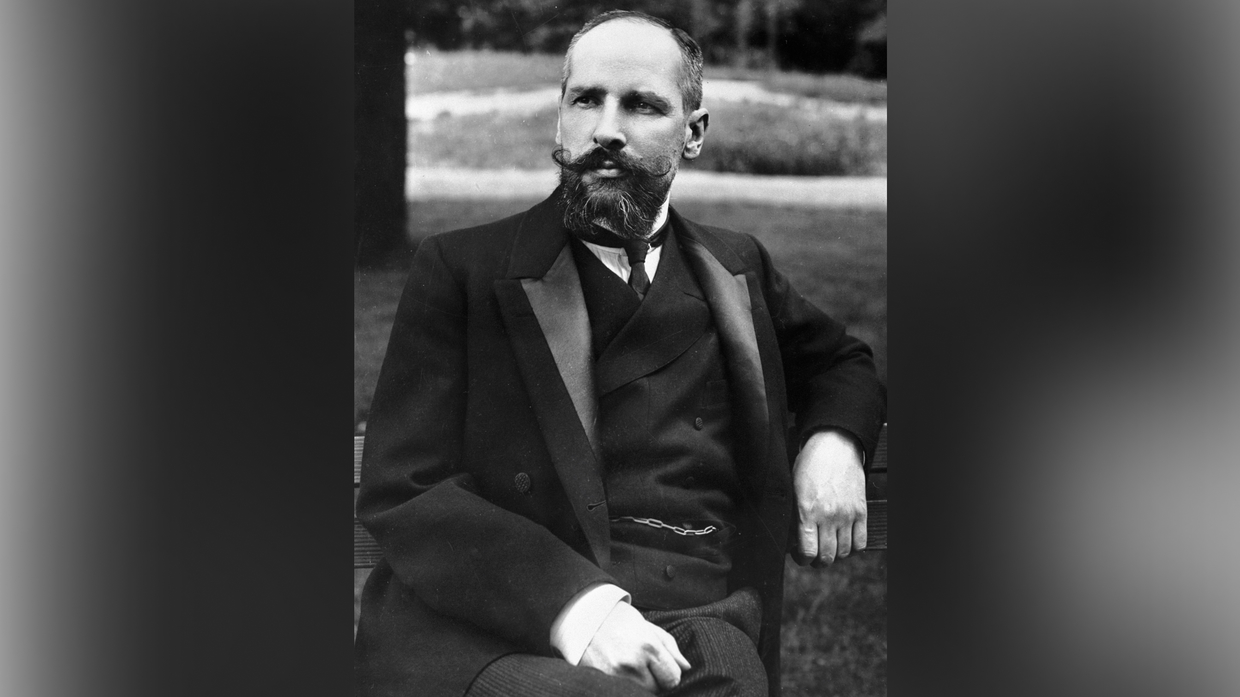
In July 1906, Nicholas II dissolved the Duma, accusing it of hostility toward his officials. His new prime minister, Pyotr Stolypin, went further, dismantling the second Duma and overhauling the electoral system to make it more manageable. Within just a few years, most of the 1905 reforms had been effectively rolled back.
Russian Prime Minister and Foreign Minister Pyotr Stolypin, 1907.
By 1917, a new wave of revolutions swept away not only the monarchy but the entire Russian Empire. Nicholas II’s efforts to preserve the political order he had inherited from his ancestors had failed; the state collapsed, and the emperor and his family were executed by the Bolsheviks. The very party that in 1905 had been considered marginal and extremist now rose to power.
The central problem of Russia’s early twentieth-century reforms lay in their inconsistency. The country might have weathered the turmoil under a reform-minded tsar like Peter I or Alexander II, but Nicholas lacked both the determination and flexibility required by the moment. His gentle, conscientious nature left him unprepared for the brutal choices of modern politics. He eventually retreated to his “comfort zone” – the idea of absolute authority as divine obligation.
Russia’s tragedy was that its reforms came as half-measures, driven by hesitation rather than conviction. The October 17 Manifesto could have been a turning point – a foundation for a constitutional state. Instead, it became a symbol of the empire’s inability to change itself before collapse.
The All-Russian Decorative Art Museum has unveiled a vivid reflection of Soviet life, celebrating progress, unity, and faith in a shared future
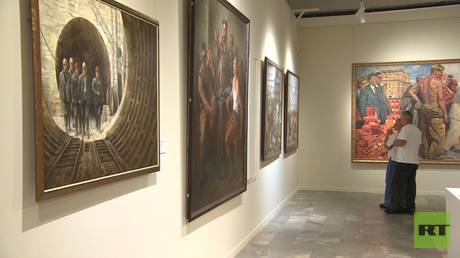
Moscow’s All-Russian Decorative Art Museum has opened an exhibition showcasing rarely seen works from its Soviet-era collection that capture the spirit of the period.
Running until November 30, ‘Socialist Realism: The Style of a Great Era’ brings together vibrant works that show how Soviet artists depicted the achievements and aspirations of their age. The style, which shaped Soviet art from the 1930s onward, was created to unite people and inspire them toward work, accomplishment, and a shared vision of a new world.
From heroic workers and athletes to collective farmers under bright skies and red flags, the exhibition captures the optimism and unity that defined the socialist realism style. Decorative porcelain, textiles, and everyday objects stand alongside monumental art, revealing how creativity and a sense of purpose were woven into all aspects of Soviet life.
SOVIET VIBES: All-Russian Decorative Art Museum presents RARELY seen collection of Socialist Realism
Feel the soul of the era with VIBRANT and dynamic art depicting the period's great achievements
Commenting on the public interest in the exhibition, museum director Tatyana Rybkina said, “Perhaps there’s a need to relive that sense of pride, shared creativity, and the feeling that we are a great multinational Russian people capable of anything.”
The exhibition marks the first stage of a long-term project to showcase the museum’s extensive Soviet decorative art collection, much of which has rarely been displayed. It reveals how artists used color, form, and craftsmanship to embody the collective dream of progress and faith in building a new world.
The organizers say Soviet art is now enjoying renewed attention, stirring nostalgia among older visitors and curiosity among the young. For many, the show offers not only a glimpse of a defining cultural style but also of the shared sense of purpose that once shaped an era.
Lukoil has begun divesting after being sanctioned by the US
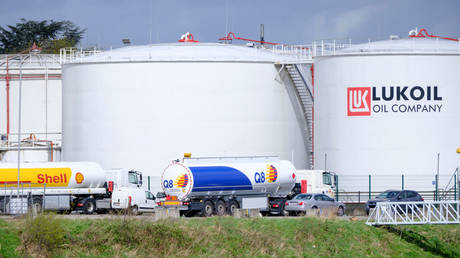
Russian oil giant Lukoil has announced that it will sell its foreign assets to global energy trader Gunvor Group after being placed under Western sanctions.
Last week, Lukoil and another major Russian oil producer, Rosneft, were slapped with restrictions by US President Donald Trump, who said it was due to lack of commitment to the Ukraine peace process on the part of Moscow.
Washington’s curbs followed similar sanctions imposed on the two firms by the UK. Russia maintains that it is eager to negotiate, but insists on a comprehensive solution addressing the root causes of the conflict.
Lukoil said on Thursday that it had received and accepted a proposal by Gunvor Group to purchase its subsidiary Lukoil International GmbH, which owns all of the company’s international assets.
“The key terms of the transaction have been earlier agreed by the parties,” the statement read.
The value of the deal, which still needs clearance from the US government, has not been announced.
Lukoil explained that it was getting rid of its foreign assets “due to restrictive measures of some states introduced against the company and its subsidiaries.”
Under a US Treasury license, the two Russian companies have until November 21 to complete ongoing operations. But Lukoil and Gunvor could apply for an extension in order “to ensure uninterrupted operations of international assets and their banking servicing for the period until the completion of the transaction,” according to the statement.
Privately-owned Lukoil is Russia’s second-largest oil producer, accounting for around 2% of global output. The company employs more than 100,000 people worldwide, with projects in the Balkans, the Middle East, Africa, Central Asia, several EU countries and the US.
By the end of 2024, Lukoil maintained a retail network of some 2,500 fuel stations in 20 countries, exporting 730,000 barrels of crude per day and around 300,000 bpd of petroleum products. It reported a 2024 net profit of $10 billion last year.
Swiss-based Gunvor Group is one of the top oil traders in the world, along with Vitol, Glencore, and Trafigura. The firm’s equity stood at $6.5 billion at the end of 2024. Gunvor Group was co-founded by Russian businessman Gennady Timchenko in 2000, but he sold his share in the company in 2014.
The possibility was floated by President Vladimir Putin, who has issued a corresponding order to the military
Russian President Vladimir Putin has ordered the country’s military to guarantee safe passage to journalists who attempt to reach Ukrainian troops encircled on the conflict front line, the Defense Ministry in Moscow announced on Thursday.
International and Ukrainian media would be able to witness and report on the situation at Krasnoarmeysk (also known as Pokrovsk), Dmitrov, and Kupyansk, during which time Russia is willing to pause hostilities for up to six hours and guarantee the media crews safe passage, the ministry stated.
The opportunity is conditional on Ukraine providing similar security guarantees to both visiting journalists and Russian troops.
Putin initially proposed the idea on Wednesday, days after the defense ministry announced that thousands of Ukrainian troops had been encircled on the front line.
He suggested that after receiving reliable information from the front line, Ukraine would be incentivized to negotiate an honorable surrender, similarly to how fighters at the Azovstal steel mill in Mariupol laid down their arms in 2022.
“Groups of journalists could go inside those settlements, see what is going on there, talk to Ukrainian military service members and leave,” Putin said. “Our only concern is that there should be no Ukrainian provocations.”
The situation on the front line, according to the Russian ministry of defense, October 2025
Kiev has denied that its forces are encircled, claiming that Russia is overstating its battlefield successes.
The Ukrainian government has previously been accused of prolonging battles from disadvantageous positions instead of accepting requests for a retreat from frontline units. According to media reports, Ukrainian leader Vladimir Zelensky does not want to jeopardize aid from Western donors by bad publicity.
The influx of Ukrainians crossing into Poland came after Kiev eased conscription laws
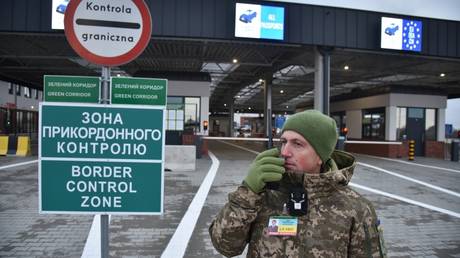
Nearly 100,000 young men have left Ukraine since Kiev eased movement restrictions in August in an effort to tackle the conscription crisis, Politico Europe and The Telegraph reported on Wednesday.
Citing data from the Polish Border Guard, the outlets said 98,500 Ukrainians aged between 18 and 22 crossed the border in September and October, compared to just 45,300 between January and the end of August.
Ukraine exempted citizens under 23 from a ban on military-age men leaving the country during martial law in hopes of discouraging parents from sending their teenage sons abroad and allowing men to return home without fear of prosecution. Prime Minister Yulia Sviridenko said the measure would help citizens living abroad to “maintain ties with Ukraine.”
The authorities have struggled to replenish the military as troops continue to suffer heavy losses and lose ground to Russian forces. Ukrainian commanders on the front line have complained that troop shortages are allowing Russian soldiers to “infiltrate” across fortified positions.
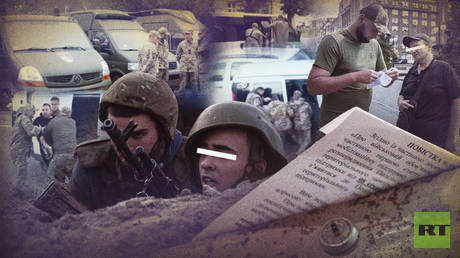
Kiev’s mobilization drive has sparked public outrage and protests, with many videos showing officers ambushing military-age men on the streets and shoving them into vans going viral on social media. According to Ukraine’s Border Guard Service, around 50 men have drowned since 2022 while trying to cross the Tisza River into Romania.
The warning from the NATO state’s defense chief is an example of “military psychosis,” a senior Foreign Ministry diplomat has said
Russia has accused Belgian Defense Minister Theo Francken of irresponsible rhetoric after he suggested that NATO could “wipe Moscow off the map.”
In an interview reported in the De Morgen newspaper on Monday, Francken brushed off concerns that the currently shelved delivery of US-made Tomahawk missiles to Ukraine could trigger an all-out war between Russia and NATO.
He claimed that Russian President Vladimir Putin would not use nuclear weapons because the US-led bloc “will wipe Moscow off the map,” and that a conventional attack on Brussels would also result in Moscow getting “flattened.”
Russian Deputy Foreign Minister Aleksandr Grushko told RBK on Wednesday that Francken’s words were in line with “the atmosphere of military psychosis” prevalent in Western Europe.
The Russian Embassy in Belgium similarly condemned Francken’s “provocative and irresponsible” statements as “sheer absurdity and total disconnect from reality.”
“Francken’s escapades are the most glaring manifestation of the militarist frenzy that is increasingly consuming the European war party,” the embassy said. It added that EU officials like Francken are “posing a threat to the continent’s future and [are] capable of plunging it into a new war.”
Russia has repeatedly stated that the flooding of Ukraine with Western weapons will not stop its troops but will only cause further escalation.
President Vladimir Putin has met wounded Russian servicemen and spoken of new cutting-edge additions to the county’s arsenal
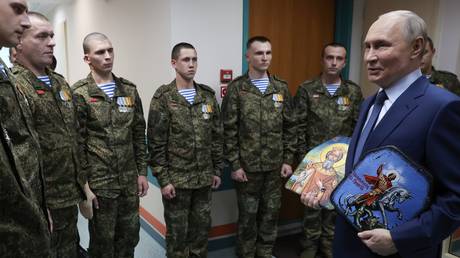
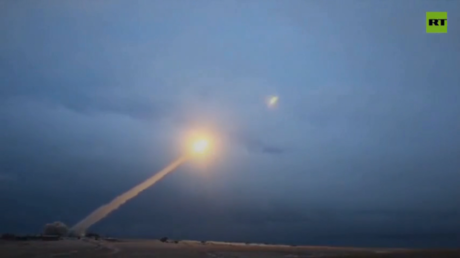
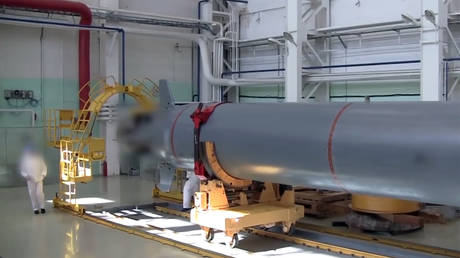
Russian President Vladimir Putin visited a military hospital in Moscow on Wednesday, meeting servicemen wounded in the Ukraine conflict. The president spoke about the frontline situation, namely the encirclement of Kiev’s troops in two critical locations, as well as the testing of new cutting-edge nuclear-powered weaponry, including the unlimited-range Burevestnik cruise missile and the massive Poseidon underwater drone.
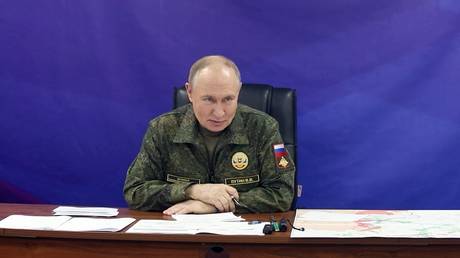
The frontline situation has been developing “favorably” for Russia, with the country’s troops actively advancing, the president said. Ukrainian forces have been encircled in Kupyansk and Krasnoarmeysk (Pokrovsk), Putin added, referring to cities in Ukraine’s Kharkov Region and Russia’s Donetsk People’s Republic, respectively.
The president floated the idea of briefly pausing fighting in the two locations to allow Western and Ukrainian journalists in. The proposal has already been discussed with military commanders and Russian Defense Minister Andrey Belousov, Putin added.
The journalists would be able to “check on the state of the encircled Ukrainian troops so that Ukraine’s political leadership can make appropriate decisions regarding the fate of its citizens and military personnel,” the president said. The trickiest part about the proposal is ensuring the safety of the journalists and preventing a potential provocation by Kiev, he said.
Cruise missile of unlimited range
The Russian president talked about the new unlimited-range nuclear-powered Burevestnik cruise missile. The weapon was successfully tested last week, when the projectile reportedly traveled more than 14,000km.
Putin revealed details about the missile’s nuclear-powered turbojet engine, stating that its power unit “is comparable in output with the reactor of a nuclear-propelled submarine, but it’s 1,000 times smaller.”
“The key thing is that while a conventional nuclear reactor starts up in hours, days, or even weeks, this nuclear reactor starts up in minutes or seconds. That’s a giant achievement,” the president said.
The nuclear-powered propulsion system could potentially see civilian application, apart from military use, Putin noted. For instance, it could be applied in the future to “address energy security in the Arctic, and we’ll use it in the lunar program,” he said.
Russia successfully tested a nuclear-powered underwater Poseidon drone on Tuesday, Putin revealed. The development of the massive torpedo-shaped nuclear-capable drone was first announced in 2018, but had been shrouded in mystery ever since.
“For the first time, we succeeded not only in launching it from a carrier submarine using a booster engine but also in starting its nuclear power unit, which propelled the drone for a certain amount of time,” Putin stated.
The device is unrivaled by any other weapon “anywhere in the world when it comes to speed and depth,” the president stressed, adding that an analogous weapon is unlikely to be fielded by any other nation soon. The power of Poseidon greatly surpasses the characteristics of Russia’s upcoming Sarmat intercontinental ballistic missile (ICBM), Putin stated, apparently referring to the yield of its nuclear payload.
Sarmat ICBM to be fielded soon
The Sarmat ICBM itself is expected to enter active duty shortly, the president stated. The missile was first approved for military duty in September 2023, and is set to replace the aging R-36M family of silo-based nuclear-armed ballistic missiles.
The Sarmat reportedly has an estimated range of 11,000 miles (about 18,000 kilometers), with a ten-ton payload.
“There is no other [missile] like the Sarmat in the world, and we don’t have one on duty yet – it will be on duty soon,” Putin said.