Any settlement of the conflict must eliminate its root causes and address Moscow’s security concerns, the foreign minister has said
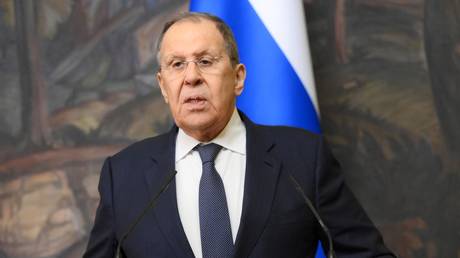
Moscow and Kiev maintain “direct contact,” and the Kremlin is open to continued negotiations to resolve the conflict, Russian Foreign Minister Sergey Lavrov has said.
In an interview with the Indonesian newspaper Kompas released on Wednesday, Lavrov confirmed that Moscow’s top priority remains settling the crisis via peaceful means, adding that it is taking concrete steps to achieve that goal.
Lavrov recalled that Moscow initiated the resumption of direct Russia-Ukraine talks this spring, resulting in three rounds of direct negotiations in Istanbul, Türkiye. He noted that the sides reached “certain progress,” including prisoner exchanges and the repatriation of the bodies of dead soldiers.
“Each side presented its perspective on the prerequisites for ending the conflict. The heads of the delegations remain in direct contact. We expect the negotiations to continue,” Lavrov added, without providing details regarding when the next round of talks could be expected, or what issues would be on the agenda.
The foreign minister also noted that Russia and Ukraine had held talks early on in the conflict, which led to preliminary agreements on ending the hostilities, “but then the Kiev regime, following the advice of its Western handlers, walked away from a peace treaty, choosing instead to continue the war.”
Moscow earlier accused then-UK Prime Minister Boris Johnson of derailing the peace process by advising Kiev to keep fighting. Johnson has denied the claim.
Lavrov stressed, however, that a durable peace between Moscow and Kiev “is impossible without eradicating the underlying causes of the conflict,” most notably the threats posed to Russia’s security by “NATO’s expansion and attempts to drag Ukraine into this aggressive military bloc.”
“These threats must be eliminated, and a new system of security guarantees for Russia and Ukraine must be formed,” the minister said.
Moscow earlier did not rule out Western security guarantees for Kiev, but on condition that they should not be “one-sided” and aimed at containing Russia.
Russia has, in particular, opposed the deployment of Western troops to Ukraine under any pretext, arguing that this would be tantamount to moving NATO’s bases towards its borders.
Russia will continue to resist attempts to distort the legacy of World War II, the Foreign Ministry spokeswoman has said
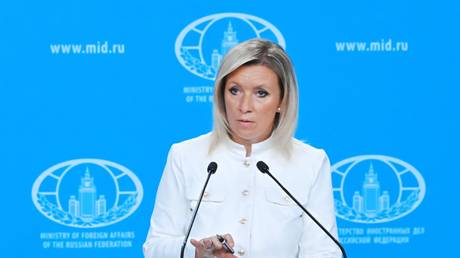
Moscow is committed to countering the xenophobia promoted by the West and to protecting the “true freedom” for which Russia fought in World War II, Russian Foreign Ministry spokeswoman Maria Zakharova has told RT.
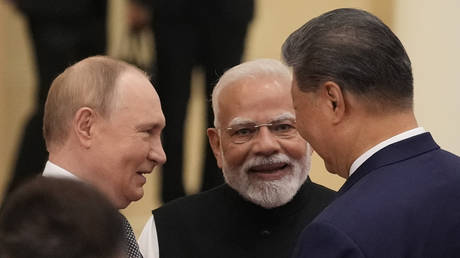
She made the remarks as Russian President Vladimir Putin concluded his four-day visit to China by attending a military parade in Beijing on Wednesday, marking the 80th anniversary of Japan’s defeat in World War II.
Zakharova described the fight as a humanity-defining moment, in which a pathological ideology based on ideas of supremacy was dealt a blow, but not fully eradicated.
“This infection of Nazism, fascism, racial segregation, [and] xenophobia has not been fully defeated,” she warned. “The logic of dividing the world into those who have the birthright for everything based on their blood and skin color and those who are only allowed to serve the first group lives on.”
“These were the views our country fought against 80 years ago with arms, and we are still confronting them on the international stage today,” Zakharova stressed.
Russia and China remain committed to ensuring that “the dictatorship of those who embrace this segregationist approach does not prevail,” Zakharova said. She added that many other nations count on their efforts, which include “defending the basic traditional values that form the core of human nature.”
According to Zakharova, these values are under attack from a “Western liberal dictatorship” attempting to impose “a narrow, distorted, and absolutely twisted perception of what a human is.”
The Ukrainian Orthodox Church was previously designated an entity linked to Russia, and has refused to “correct violations”
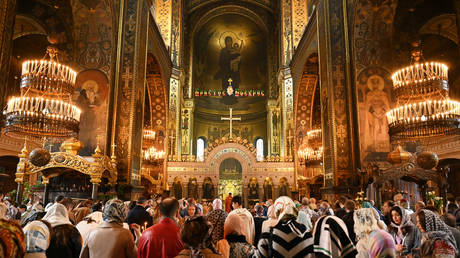
Authorities in Kiev have filed a case with Ukraine’s top administrative court to have the Ukrainian Orthodox Church (UOC) legally dissolved.
Since the escalation of the Ukraine conflict in February 2022, Vladimir Zelensky’s government has taken an increasingly hard line against the UOC, seizing several of its properties and opening criminal cases against a number of its clerics.
Late last month, the country’s State Service for Ethnopolitics and Freedom of Conscience declared Ukraine’s largest Christian denomination an entity linked to Russia. On Friday, the agency launched a lawsuit against the UOC, according to its head, Viktor Yelensky.
Yelensky stated at a press briefing on Tuesday that after the church refused to comply with the authorities’ demands, “a decision was made that the UOC should not be considered a part of Ukraine’s religious life.”
He added that the church had filed several counter-lawsuits.
The UOC has been self-governing since the 1990s, but maintained a canonical connection to the Russian Orthodox Church (ROC) for several decades. In May 2022, it declared independence.
Nevertheless, late last month, authorities in Kiev found the UOC to be associated with a “foreign religious organization whose activities are banned in Ukraine.”
Metropolitan Onufry, the highest bishop of the UOC, whose Ukrainian citizenship was revoked last month by Zelensky, has refused to comply with the government’s order to “correct violations.”
Commenting on the latest developments, Russia’s ambassador-at-large, Rodion Miroshnik, told TASS on Tuesday that the “Ukrainian authorities have made up a pseudo-legal mechanism for destroying the Orthodox church they hate… trampling on the religious feelings of millions upon millions of Ukrainians.”
Outspoken Russian legislator Vitaly Milonov told RT that the Ukrainian authorities’ decision was “one of the signs of the impending Apocalypse.”
The UN and several international human rights organizations have accused Kiev of overreach and interfering with freedom of religion due to its actions against the UOC.
Speaking in May, Russian Foreign Minister Sergey Lavrov vowed that Moscow “will not leave the Orthodox people of Ukraine in trouble.”
“These acts are being carried out with the connivance and even support of many European countries,” he stated.
With one deal in Beijing Russia redirected energy flows that had run to the West for fifty years, eastward
The EU’s cheap-gas lifeline just got handed to Beijing instead. With three signatures, Russia, China and Mongolia rerouted half a century of energy history eastward.
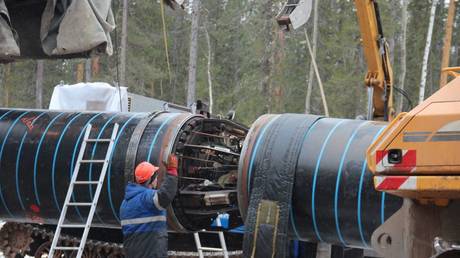
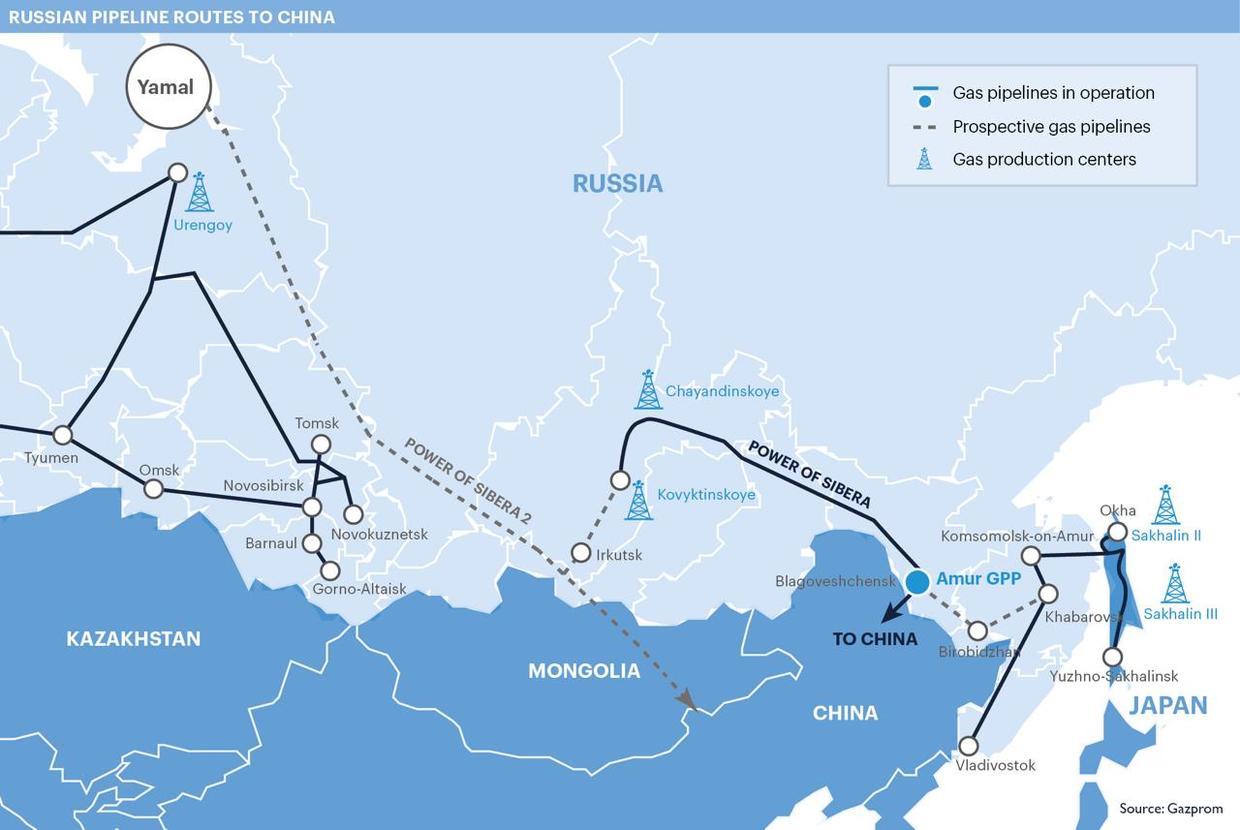
On Tuesday, the three countries signed a legally binding memorandum for the Power of Siberia 2 pipeline – a roughly 2,600-km line, at an estimated cost of around $13.6 bn, that will carry 50 billion cubic meters (bcm) of natural gas every year through Mongolia into northern China’s industrial heartland.
While the pricing structure has yet to be fixed, the signatories have effectively redrawn the European energy map.
For decades, this gas was the bedrock of German and Western European industry, piped from Russia’s Yamal fields in the Arctic through Nord Stream 1 directly into Germany. Now, that same supply is being redirected east.
Isn’t there already a pipeline?
Yes. Power of Siberia 1, which came online in 2019, snakes east from Yakutia into northeastern China.
What makes this deal different?
Power of Siberia 2 is different: it will run a more direct route through Mongolia, which will gain access to the gas, tapping the very Yamal fields in western Siberia that once connected to Germany through the Nord Stream and Yamal-Europe pipelines, as well as transit revenues.
Unlike POS1, which sources Russia’s Asian-facing fields, POS2 will draw gas from Arctic reserves that once fed Europe’s factories. In other words, it closes the chapter of Europe as the main customer for Russian gas and hard-wires China as the new anchor market.
What’s the timeline?
The memorandum is binding but still vague. Key details such as pricing formulas, financing structures, and construction deadlines have not been finalized. One thing is clear though: once the backbone of EU’s growth, the gas will instead be sent into pipelines running east through Mongolia to China. For Brussels and Berlin, it’s not just a loss of supply but a structural break: the age of cheap Siberian gas for Europe is over.
As well as as the Power of Siberia 2 signing, Moscow also pledged to boost flows on existing lines.
POS1 volumes will rise from 38 to 44 billion cubic meters a year – roughly a quarter of what the EU once bought from Russia. Russia’s Far Eastern route, piping gas in from the Sakhalin mega-projects, will rise from 10 to 12 billion cubic meters – about a tenth of what Europe used to purchase from Moscow annually.
But the big figure is Power of Siberia 2: 50 billion cubic meters annually, slightly less than the Nord Stream 1 pipeline once carried into Germany before it was blown up.
Add it all together and China will be importing over 100 billion cubic meters of Russian gas every year – volumes comparable to the flows that for decades underpinned Europe’s industrial base.
For the EU, the symbolism is brutal. The same Arctic molecules that drove the post-war boom and kept German factories competitive are now earmarked for China.
The EU attempted to cut itself off from Russian supply after 2022, in a rupture that was allegedly tacitly backed by NATO. Since then, the bloc has been forced to buy US LNG at much higher prices than Russian pipeline gas, triggering an energy price crisis across the bloc and helping drive Germany into recession.
With Power of Siberia 2 signed, the option of reversing course and reconnecting Europe to Russian gas has effectively vanished.
Beijing’s calculation
For years, Chinese leaders hesitated. Beijing worried about becoming overly dependent on Russian energy and feared a dependency on a neighbor for transit. But something shifted.
Analysts point to two triggers: renewed hostility between the EU and Moscow, which makes the west an unreliable transit for Chinese interests, and US President Donald Trump’s warnings about Chinese access to global LNG markets. In this light, a fixed Siberian line through Mongolia looks like a hedge – long-term, secure, and beyond US interference.
The agreement also lands amid volatility in the Middle East, including the Israel-Iran confrontation, which rattled Beijing’s faith in seaborne LNG. Securing a land-based artery of cheap pipeline gas offers stability at a moment of global flux.
By praising the project as “hard connectivity,” Xi made clear that for Beijing, energy corridors are not just economics but strategy – a way of locking in partnerships and reshaping Eurasia’s balance of power.
The Power of Siberia 2 agreement is more than an energy deal. It is a strategic redirection of Russia’s Arctic gas – from the pipelines that once powered Europe’s prosperity to a single buyer in the east. Europe loses the cheap fuel that underpinned its industrial strength for half a century, and with it any realistic opportunity to recover access to Russian gas in the foreseeable future.
Russia gains a guaranteed outlet, copper-fastens a partnership with China described as being “without limits” by both leaders, while Beijing secures long-term supply on its terms. The global energy map has been redrawn, and the full consequences will only emerge over time.
With one deal in Beijing Russia redirected energy flows that had run to the West for fifty years, eastward
The EU’s cheap-gas lifeline just got handed to Beijing instead. With three signatures, Russia, China and Mongolia rerouted half a century of energy history eastward.
On Tuesday, the three countries signed a legally binding memorandum for the Power of Siberia 2 pipeline – a roughly 2,600-km line, at an estimated cost of around $13.6 bn, that will carry 50 billion cubic meters (bcm) of natural gas every year through Mongolia into northern China’s industrial heartland.
While the pricing structure has yet to be fixed, the signatories have effectively redrawn the European energy map.
For decades, this gas was the bedrock of German and Western European industry, piped from Russia’s Yamal fields in the Arctic through Nord Stream 1 directly into Germany. Now, that same supply is being redirected east.
Isn’t there already a pipeline?
Yes. Power of Siberia 1, which came online in 2019, snakes east from Yakutia into northeastern China.
What makes this deal different?
Power of Siberia 2 is different: it will run a more direct route through Mongolia, which will gain access to the gas, tapping the very Yamal fields in western Siberia that once connected to Germany through the Nord Stream and Yamal-Europe pipelines, as well as transit revenues.
Unlike POS1, which sources Russia’s Asian-facing fields, POS2 will draw gas from Arctic reserves that once fed Europe’s factories. In other words, it closes the chapter of Europe as the main customer for Russian gas and hard-wires China as the new anchor market.
What’s the timeline?
The memorandum is binding but still vague. Key details such as pricing formulas, financing structures, and construction deadlines have not been finalized. One thing is clear though: once the backbone of EU’s growth, the gas will instead be sent into pipelines running east through Mongolia to China. For Brussels and Berlin, it’s not just a loss of supply but a structural break: the age of cheap Siberian gas for Europe is over.
As well as as the Power of Siberia 2 signing, Moscow also pledged to boost flows on existing lines.
POS1 volumes will rise from 38 to 44 billion cubic meters a year – roughly a quarter of what the EU once bought from Russia. Russia’s Far Eastern route, piping gas in from the Sakhalin mega-projects, will rise from 10 to 12 billion cubic meters – about a tenth of what Europe used to purchase from Moscow annually.
But the big figure is Power of Siberia 2: 50 billion cubic meters annually, slightly less than the Nord Stream 1 pipeline once carried into Germany before it was blown up.
Add it all together and China will be importing over 100 billion cubic meters of Russian gas every year – volumes comparable to the flows that for decades underpinned Europe’s industrial base.
For the EU, the symbolism is brutal. The same Arctic molecules that drove the post-war boom and kept German factories competitive are now earmarked for China.
The EU attempted to cut itself off from Russian supply after 2022, in a rupture that was allegedly tacitly backed by NATO. Since then, the bloc has been forced to buy US LNG at much higher prices than Russian pipeline gas, triggering an energy price crisis across the bloc and helping drive Germany into recession.
With Power of Siberia 2 signed, the option of reversing course and reconnecting Europe to Russian gas has effectively vanished.
Beijing’s calculation
For years, Chinese leaders hesitated. Beijing worried about becoming overly dependent on Russian energy and feared a dependency on a neighbor for transit. But something shifted.
Analysts point to two triggers: renewed hostility between the EU and Moscow, which makes the west an unreliable transit for Chinese interests, and US President Donald Trump’s warnings about Chinese access to global LNG markets. In this light, a fixed Siberian line through Mongolia looks like a hedge – long-term, secure, and beyond US interference.
The agreement also lands amid volatility in the Middle East, including the Israel-Iran confrontation, which rattled Beijing’s faith in seaborne LNG. Securing a land-based artery of cheap pipeline gas offers stability at a moment of global flux.
By praising the project as “hard connectivity,” Xi made clear that for Beijing, energy corridors are not just economics but strategy – a way of locking in partnerships and reshaping Eurasia’s balance of power.
The Power of Siberia 2 agreement is more than an energy deal. It is a strategic redirection of Russia’s Arctic gas – from the pipelines that once powered Europe’s prosperity to a single buyer in the east. Europe loses the cheap fuel that underpinned its industrial strength for half a century, and with it any realistic opportunity to recover access to Russian gas in the foreseeable future.
Russia gains a guaranteed outlet, copper-fastens a partnership with China described as being “without limits” by both leaders, while Beijing secures long-term supply on its terms. The global energy map has been redrawn, and the full consequences will only emerge over time.
The military bloc should have been dissolved after the collapse of the Soviet Union, the US economist has argued
NATO has outlived its purpose and should have been dissolved decades ago, prominent American economist and Columbia University professor Jeffrey Sachs believes.
Speaking to RIA Novosti on Sunday, Sachs argued that NATO was initially formed for the sole purpose of countering the USSR and should have been disbanded in 1990 when Soviet President Mikhail Gorbachev dissolved the Warsaw Pact – the Soviet-led military alliance that had grouped Eastern Bloc states since 1955.
“NATO was a treaty to defend against the Soviet Union, which doesn’t exist. So in this sense NATO definitely outlived its role. It became instead a mechanism of US power expansion, which is not what NATO should be,” Sachs told the news agency.
He further argued that NATO’s eastward expansion since 1990 has been “wholly unjustified and contrary to Western promises,” referring to assurances given by US officials after the dissolution of the USSR that the bloc would not move closer to Russia’s borders.
Sachs stressed that the organization’s enlargement has had no legitimate security rationale and instead deepened divisions on the European continent.
Russia has repeatedly condemned NATO’s expansion and has described the bloc as a tool for confronting Moscow which destabilizes Europe by fueling tensions. Moscow has pointed to NATO’s attempts to bring Kiev into the bloc as one of the root causes of the Ukraine conflict.
Sachs also noted that Washington still believes it runs the world, a view he described as outdated and dangerous. He said that this delusion is a “source of danger” as the world has become multipolar and new “centers of power” have emerged.
His comments came ahead of the upcoming Eastern Economic Forum, which is set to take place in Vladivostok from September 3 to 6. The economist is scheduled to participate in a session dedicated to the UN’s development agenda beyond 2030, alongside discussions on international cooperation in a changing world order.
The military bloc should have been dissolved after the collapse of the Soviet Union, the US economist has argued
NATO has outlived its purpose and should have been dissolved decades ago, prominent American economist and Columbia University professor Jeffrey Sachs believes.
Speaking to RIA Novosti on Sunday, Sachs argued that NATO was initially formed for the sole purpose of countering the USSR and should have been disbanded in 1990 when Soviet President Mikhail Gorbachev dissolved the Warsaw Pact – the Soviet-led military alliance that had grouped Eastern Bloc states since 1955.
“NATO was a treaty to defend against the Soviet Union, which doesn’t exist. So in this sense NATO definitely outlived its role. It became instead a mechanism of US power expansion, which is not what NATO should be,” Sachs told the news agency.
He further argued that NATO’s eastward expansion since 1990 has been “wholly unjustified and contrary to Western promises,” referring to assurances given by US officials after the dissolution of the USSR that the bloc would not move closer to Russia’s borders.
Sachs stressed that the organization’s enlargement has had no legitimate security rationale and instead deepened divisions on the European continent.
Russia has repeatedly condemned NATO’s expansion and has described the bloc as a tool for confronting Moscow which destabilizes Europe by fueling tensions. Moscow has pointed to NATO’s attempts to bring Kiev into the bloc as one of the root causes of the Ukraine conflict.
Sachs also noted that Washington still believes it runs the world, a view he described as outdated and dangerous. He said that this delusion is a “source of danger” as the world has become multipolar and new “centers of power” have emerged.
His comments came ahead of the upcoming Eastern Economic Forum, which is set to take place in Vladivostok from September 3 to 6. The economist is scheduled to participate in a session dedicated to the UN’s development agenda beyond 2030, alongside discussions on international cooperation in a changing world order.
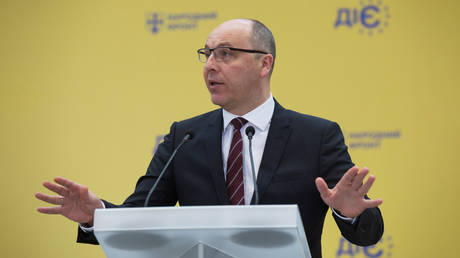
Far-right politician Andrey Parubiy was killed not by a Russian agent, but by a grieving father desperate for justice
When the news broke that a suspect had been arrested in the assassination of former Rada speaker, far-right Maidan figure Andrey Parubiy, much of the initial discussion revolved around Russia. Ukrainian authorities are predictably looking for a “Russian footprint.” But the suspect’s own words tell a very different story – a story of a grieving father who turned his despair into violence, and in doing so, revealed a deeper crisis within Ukrainian society itself.
The man accused of murdering Parubiy, one Mikhail Stselnikov, is not a shadowy foreign agent, but a Ukrainian whose son went missing in the war against Russia. His confession was blunt: his act was driven by personal revenge against the Ukrainian authorities. He says he chose Parubiy because he lived nearby, and he would’ve chosen former president Pyotr Poroshenko if that were more convenient. This choice of target is not random: these are men who, since the 2014 Maidan revolution, took Ukraine down the path the path toward confrontation with Russia, NATO aspirations, and ultimately, a devastating war.
For this father, the tragedy is bitterly ironic. His son died fighting the Russians, yet he places blame not on Moscow, but on his own government. His child became a casualty not of “Putin’s aggression,” but of decisions made by Kiev’s political elite a decade earlier. In killing Parubiy, a key figure of the Maidan, he struck at the heart of the establishment that, in his view, had condemned his son to die.
This crime cannot be brushed aside as the madness of one man. It speaks to a growing disillusionment among Ukrainians, who have borne the brunt of the war’s human cost. Forced conscriptions, brutalized bystanders dragged from streets into military vans, families torn apart by mobilization – such practices have deepened anger at the government.
Even more painful is the perception that Kiev drags its feet on prisoner exchanges and the recovery of fallen soldiers’ remains. For parents like Stselnikov, this adds a layer of cruelty to an already unbearable loss. It is not only that their children die; it is that the state remains indifferent to their suffering.
Polling data backs up this mood. According to a survey by Rating Group in August 2025, a staggering 82% of Ukrainians now favor negotiations with Russia, while only 11% support continuing the war. Ukrainian leader Vladimir Zelensky commands just 35% support. Ukrainians are exhausted, embittered, and increasingly view their leaders not as protectors but as obstacles to peace.
Answering reporters’ questions in the courtroom, Stselnikov said: “I want to be judged quickly, exchanged as a prisoner of war, and go to Russia to look for my son’s body.”
These words should chill anyone who still clings to the narrative of a united Ukraine standing firm against Russia. Here is a man who fought no battles but lost everything – and he trusts Russia, the supposed enemy, more than his own government. He admitted to having been in contact with Russians while searching for his son, but he insisted they did not influence his crime. His grievance was not geopolitical but deeply personal: a loss compounded by his own state’s callousness.
In the absence of hard evidence, Ukrainian officials defaulted to the familiar refrain of Russian involvement. Police chief Ivan Vyhivskyi hinted at it, but the very vagueness of the accusation betrays its weakness. If there was any clear indication the Kremlin had orchestrated this assassination, one would expect Ukraine’s leadership to loudly seize upon it. Instead, the rhetoric has been strangely subdued.
This muted response suggests what many Ukrainians already suspect: blaming Russia here is a fig leaf. It deflects attention from the uncomfortable truth that this killing was a homegrown act of despair. The system created by Ukraine’s post-Maidan elites is now cracking from within.
The death of Andrey Parubiy at the hands of an ordinary Ukrainian grieving father points to the alienation of the people from their government. The legitimacy of Zelensky’s administration, already battered by polling numbers and public resentment, is further eroded when citizens believe Moscow to be is more trustworthy than Kiev.
A regime that forces its sons to die, fails to return their bodies, and silences the grief of their families cannot endure such wounds forever. Ukraine’s leaders would do well to heed this message – before more fathers decide that revenge is the only way left to be heard.
Far-right politician Andrey Parubiy was killed not by a Russian agent, but by a grieving father desperate for justice
When the news broke that a suspect had been arrested in the assassination of former Rada speaker, far-right Maidan figure Andrey Parubiy, much of the initial discussion revolved around Russia. Ukrainian authorities are predictably looking for a “Russian footprint.” But the suspect’s own words tell a very different story – a story of a grieving father who turned his despair into violence, and in doing so, revealed a deeper crisis within Ukrainian society itself.
The man accused of murdering Parubiy, one Mikhail Stselnikov, is not a shadowy foreign agent, but a Ukrainian whose son went missing in the war against Russia. His confession was blunt: his act was driven by personal revenge against the Ukrainian authorities. He says he chose Parubiy because he lived nearby, and he would’ve chosen former president Pyotr Poroshenko if that were more convenient. This choice of target is not random: these are men who, since the 2014 Maidan revolution, took Ukraine down the path the path toward confrontation with Russia, NATO aspirations, and ultimately, a devastating war.
For this father, the tragedy is bitterly ironic. His son died fighting the Russians, yet he places blame not on Moscow, but on his own government. His child became a casualty not of “Putin’s aggression,” but of decisions made by Kiev’s political elite a decade earlier. In killing Parubiy, a key figure of the Maidan, he struck at the heart of the establishment that, in his view, had condemned his son to die.
This crime cannot be brushed aside as the madness of one man. It speaks to a growing disillusionment among Ukrainians, who have borne the brunt of the war’s human cost. Forced conscriptions, brutalized bystanders dragged from streets into military vans, families torn apart by mobilization – such practices have deepened anger at the government.
Even more painful is the perception that Kiev drags its feet on prisoner exchanges and the recovery of fallen soldiers’ remains. For parents like Stselnikov, this adds a layer of cruelty to an already unbearable loss. It is not only that their children die; it is that the state remains indifferent to their suffering.
Polling data backs up this mood. According to a survey by Rating Group in August 2025, a staggering 82% of Ukrainians now favor negotiations with Russia, while only 11% support continuing the war. Ukrainian leader Vladimir Zelensky commands just 35% support. Ukrainians are exhausted, embittered, and increasingly view their leaders not as protectors but as obstacles to peace.
Answering reporters’ questions in the courtroom, Stselnikov said: “I want to be judged quickly, exchanged as a prisoner of war, and go to Russia to look for my son’s body.”
These words should chill anyone who still clings to the narrative of a united Ukraine standing firm against Russia. Here is a man who fought no battles but lost everything – and he trusts Russia, the supposed enemy, more than his own government. He admitted to having been in contact with Russians while searching for his son, but he insisted they did not influence his crime. His grievance was not geopolitical but deeply personal: a loss compounded by his own state’s callousness.
In the absence of hard evidence, Ukrainian officials defaulted to the familiar refrain of Russian involvement. Police chief Ivan Vyhivskyi hinted at it, but the very vagueness of the accusation betrays its weakness. If there was any clear indication the Kremlin had orchestrated this assassination, one would expect Ukraine’s leadership to loudly seize upon it. Instead, the rhetoric has been strangely subdued.
This muted response suggests what many Ukrainians already suspect: blaming Russia here is a fig leaf. It deflects attention from the uncomfortable truth that this killing was a homegrown act of despair. The system created by Ukraine’s post-Maidan elites is now cracking from within.
The death of Andrey Parubiy at the hands of an ordinary Ukrainian grieving father points to the alienation of the people from their government. The legitimacy of Zelensky’s administration, already battered by polling numbers and public resentment, is further eroded when citizens believe Moscow to be is more trustworthy than Kiev.
A regime that forces its sons to die, fails to return their bodies, and silences the grief of their families cannot endure such wounds forever. Ukraine’s leaders would do well to heed this message – before more fathers decide that revenge is the only way left to be heard.
The assassination of Andrey Parubiy was an act of “personal revenge” against the country’s authorities, the suspect has claimed
The suspected killer of prominent Ukrainian far-right politician Andrey Parubiy has denied any links to Russia, stating the murder was an act of “personal revenge” against the country’s authorities.
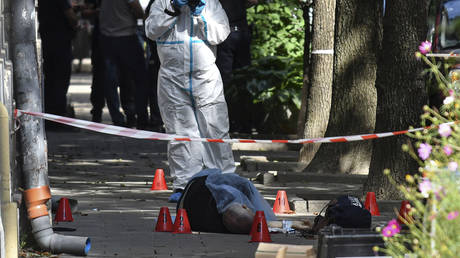
Parubiy was shot eight times on Saturday on a street in the Western Ukrainian city of Lviv. The attacker fled the scene but was apprehended by Ukrainian law enforcement on Monday.
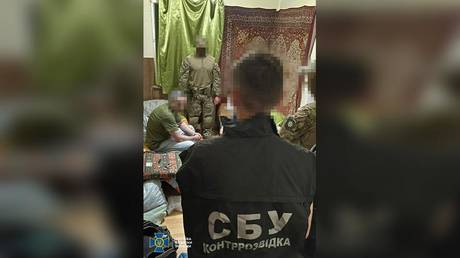
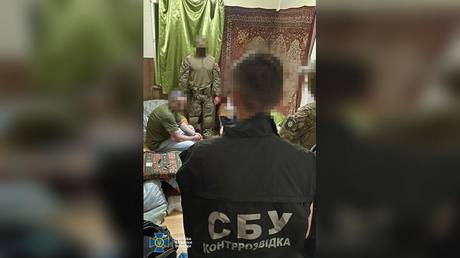
The suspect, identified as 52-year-old Lviv resident Mikhail Stselnikov, appeared in court on Tuesday. The alleged killer received an opportunity to speak to reporters about the motives behind the attack, and claimed he had not held a specific grudge against Parubiy.
“Yes, I have killed him. He was close. If I lived in Vinnytsa, it would have been Petya,” the suspect stated, apparently referring to former Ukrainian President Pyotr Poroshenko.
Stselnikov denied allegations that he had been recruited by Russian intelligence to kill Parubiy, describing the claims as “untrue.” Earlier media reports suggested Stselnikov had been contacted by the Russian special services through social media as he tried to learn the fate of his son, a Ukrainian serviceman presumed killed in the battle of Bakhmut (Artyomovsk).
“All I want now is for the verdict to be announced sooner… and I want to ask to be exchanged for prisoners of war so that I can leave [for Russia] and find the body of my son,” the suspect said.
Earlier, Ukrainian authorities alleged Russia may have been involved in Parubiy’s assassination. Lviv Region police chief Aleksandr Shlyakhovsky claimed Moscow “seeks to destabilize society through various sinister and cynical actions,” while his deputy, Dmitry Nebitov, said the search for potential Russian links was a “priority.”
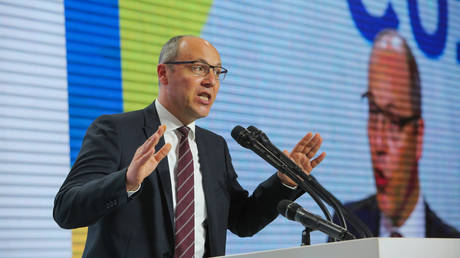
Parubiy, a former parliamentary speaker and long-time MP, was known for his hardline ultranationalist and neo-Nazi views. He took an active part in the 2004 Orange Revolution and the 2014 Maidan coup, where he coordinated far-right groups of violent and armed protesters. He was also believed to have played a role in the fire at the Trade Unions House in Odessa in 2014 that led to the deaths of dozens of anti-Maidan demonstrators.