The Hungarian PM has posted a video mocking the push to use frozen Russian assets to arm Ukraine after the proposal was defeated on Thursday
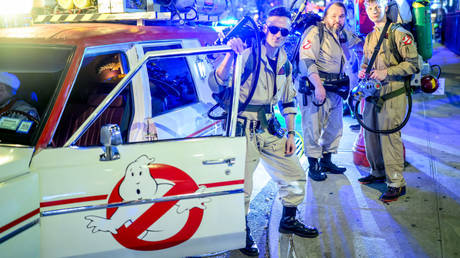
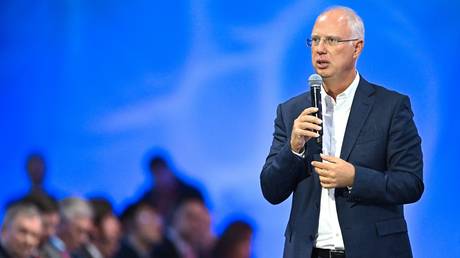
Hungarian Prime Minister Viktor Orban has cast himself and other opponents of the ‘reparations loan’ scheme for Ukraine as ‘EU Ghostbusters’ in a video posted on X on Friday.
In the video, released a day after he and his allies blocked the loan scheme at a Brussels summit, the veteran politician mocked European Commission President Ursula von der Leyen and other backers of the plan as ‘ghosts’ that his team saved the EU from.
On Thursday, EU states failed to agree on using $210 billion in frozen Russian central bank assets as collateral for a loan to fund Kiev’s collapsing economy and military. Despite pressure from von der Leyen and German Chancellor Friedrich Merz, the plan was blocked by Belgian Prime Minister Bart De Wever, Italy’s Giorgia Meloni, Slovakia’s Robert Fico, the Czech Republic’s Andrej Babis, and Orban.
In the video, the Hungarian leader strings together clips of himself and other opponents of the scheme, set to the iconic theme from the 1984 comedy ‘Ghostbusters’. The montage is interspersed with shots of von der Leyen and Merz, synced to the lyrics: “if there’s something weird and it don’t look good.” Orban’s group appears to the line: “Who you gonna call? Ghostbusters!”
Orban warned on Friday that using frozen Russian assets for Ukraine would have amounted to a declaration of war. He added that it has become clear that private EU companies hold more assets in Russia than the frozen Russian assets in Europe, meaning the bloc would face heavy losses in the event of retaliation by Moscow.
Russia, which regards any use of its assets as theft, has sued Euroclear over damages from the freeze and vowed to extend the case to the European banks that hold them. The EU has dismissed the lawsuit as “speculative,” though experts warn that it could damage the bloc’s financial institutions if it expands beyond Russia.
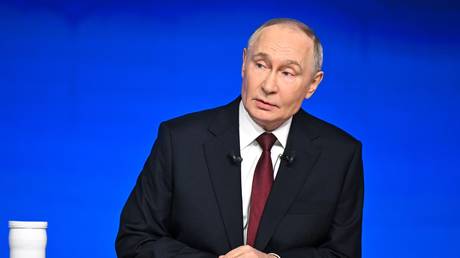
At Russian President Vladimir Putin’s annual end-of-year Q&A session on Friday, he warned Kiev’s Western backers that tapping the frozen assets would backfire, causing reputational damage and undermining the Western financial system, adding that the assets will eventually have to be returned, regardless of “whatever they steal and however they do it.”
US forces struck more than 70 alleged terrorist targets with over 100 bombs, according to CENTCOM
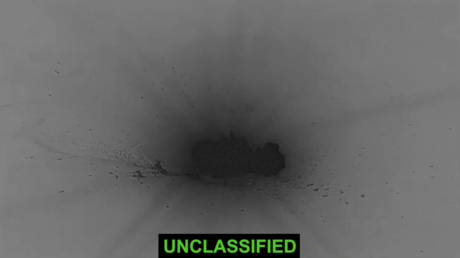
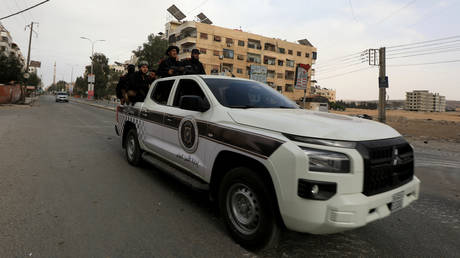
The Pentagon has released combat footage showing US and allied forces carrying out large-scale strikes against alleged Islamic State (IS, formerly ISIS) terrorist targets in Syria as part of Washington’s retaliation for the recent killing of American personnel.
In a post on X late Friday, US Central Command (CENTCOM) said American and Jordanian forces struck more than 70 targets across central Syria using over 100 precision-guided munitions. The Pentagon said the strikes were conducted under Operation Hawkeye Strike and involved US fighter jets, attack helicopters, artillery, and Jordanian fighter aircraft.
The released footage shows airstrikes and explosions hitting suspected militant positions at multiple locations, with the targets described as terrorist infrastructure and weapons sites.
Tonight, U.S. and Jordanian forces struck 70+ ISIS targets in Syria with 100+ precision munitions. Peace through strength. pic.twitter.com/XWWvfqBBFT
“This operation is critical to preventing ISIS from inspiring terrorist plots and attacks against the US homeland,” CENTCOM commander Admiral Brad Cooper said. “We will continue to relentlessly pursue terrorists who seek to harm Americans and our partners across the region.”
Since the December 13 attack on US and partner forces, American and allied troops have carried out ten operations in Syria and Iraq, resulting in the killing or detention of 23 suspected IS operatives, according to CENTCOM. Over the past six months, more than 80 counterterrorism operations have been conducted in Syria, it added.
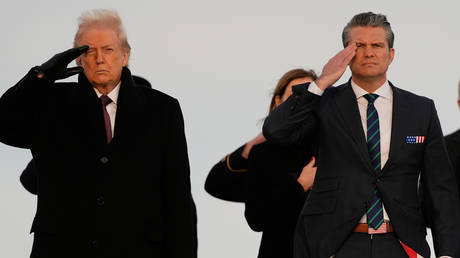
President Donald Trump said the new Syrian government was aware of and supported the retaliatory strike, while Secretary of War Pete Hegseth stressed that the operation was a “declaration of vengeance” rather than war.
The BND will reportedly be allowed to conduct sabotage and breach suspects’ homes to install spyware
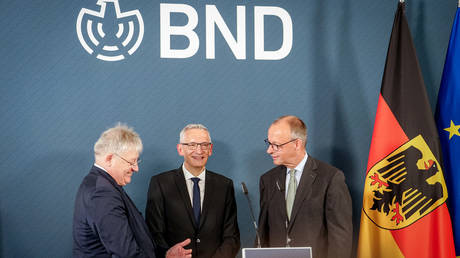
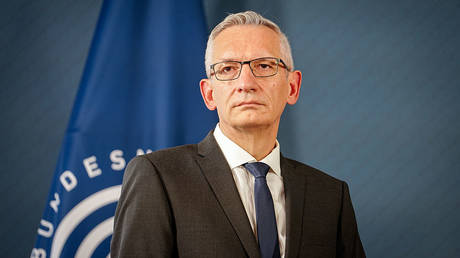
The Chancellery in Berlin has proposed granting Germany’s currently mostly surveillance-focused foreign intelligence agency powers to carry out sabotage and other offensive operations abroad, Sueddeutsche Zeitung reported on Friday.
The Federal Intelligence Service (BND) was created in 1956 in post-war West Germany and, like the armed forces, was initially limited in its powers. Until now, the BND has only been allowed to gather and analyze information.
A new draft bill seen by German media would allow the spy agency to act far more aggressively, granting permission to conduct cyberattacks, acts of sabotage, and other offensive operations, according to the report.
If adopted, the legislation would also expand the BND’s domestic surveillance powers, allowing agents to enter suspects’ homes to secretly install spyware on computers and other devices. It would further expand the use of facial recognition technology and the collection data on vehicle locations and travel routes.
Under the proposed rules, intelligence officers would apparently be allowed to use the new powers only if Germany’s recently established National Security Council determines that a “systematic threat” exists. A parliamentary committee overseeing the intelligence services would then have to approve the measure by a two-thirds majority.
Government officials are “working intensively together in a preliminary consultation” to advance the proposal, the newspaper quoted a spokesperson as saying.
The intelligence agency was granted broader authority earlier this year to monitor the opposition Alternative for Germany (AfD) party after Berlin officially designated it as an ‘extremist’ group, after it secured more than 20% of the vote in the federal election.
Senior officials in the administration of US President Donald Trump have criticized the move as a crackdown on free speech. US Vice President J.D. Vance has compared the German government’s actions against the AfD, which he called “the most popular party in Germany,” to rebuilding the Berlin Wall.
Washington says the strikes are an act of vengeance rather than a declaration of war
The US has launched airstrikes against alleged Islamic State (IS, formerly ISIS) targets in Syria in what President Donald Trump described as “very serious retaliation” for the killing of American personnel earlier this month.
In a statement on Friday, Trump said the strikes were ordered in response to a December 13 attack near Palmyra that left two US servicemen and a civilian interpreter dead.
“Because of ISIS’s vicious killing of brave American patriots in Syria… I am hereby announcing that the United States is inflicting very serious retaliation, just as I promised, on the murderous terrorists responsible,” Trump said. “We are striking very strongly against ISIS strongholds in Syria.”
Secretary of War Pete Hegseth said US forces launched Operation Hawkeye Strike, targeting IS fighters, infrastructure, and weapons sites. The operation, he stressed, was punitive rather than the opening of a wider conflict.
CENTCOM forces launched fighter jets, attack helicopters and other assets to conduct the large-scale strike. pic.twitter.com/3szSo2u5rm
“This is not the beginning of a war – it is a declaration of vengeance,” Hegseth said. “If you target Americans – anywhere in the world – you will spend the rest of your brief, anxious life knowing the United States will hunt you, find you, and ruthlessly kill you.”
US Central Command confirmed that American forces “commenced a large-scale strike against ISIS infrastructure and weapons sites in Syria.” The operation involved fighter jets, attack helicopters, and other military assets. The Pentagon has not yet released details on the number of targets struck or casualties inflicted, saying battle damage assessments are ongoing.
The strikes follow an ambush near Palmyra in which a lone gunman opened fire on a joint patrol involving US and Syrian government forces. The attacker was later killed, according to CENTCOM. Washington has blamed IS for the attack and warned that further assaults on American forces would be met with additional military action.
The US military presence in Syria dates back to the Obama administration, which deployed troops without the consent of Damascus under the stated objective of fighting terrorism. American forces have remained in the country since then, including under Trump, who openly acknowledged during his first term that US troops were staying in Syria to “keep the oil.”
Trump said the new Syrian government was aware of and supported the retaliatory strike, warning that any group threatening Americans would face overwhelming force.
US officials heavily redacted the images and stressed that appearance in the archive does not imply wrongdoing
Thousands of records released by the US Justice Department provide a detailed and often unsettling look at materials gathered during federal investigations into late financier and convicted sex offender Jeffrey Epstein.
The trove includes photographs, call logs, interview transcripts, grand jury material, travel records, and internal investigative documents. Many files are heavily redacted, and some had already been made public through court proceedings, freedom-of-information requests, or earlier congressional disclosures.
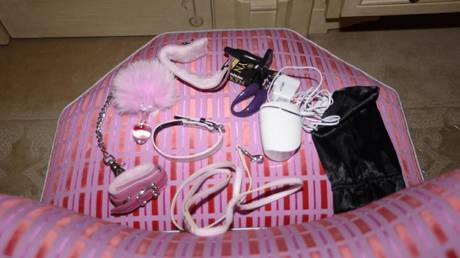
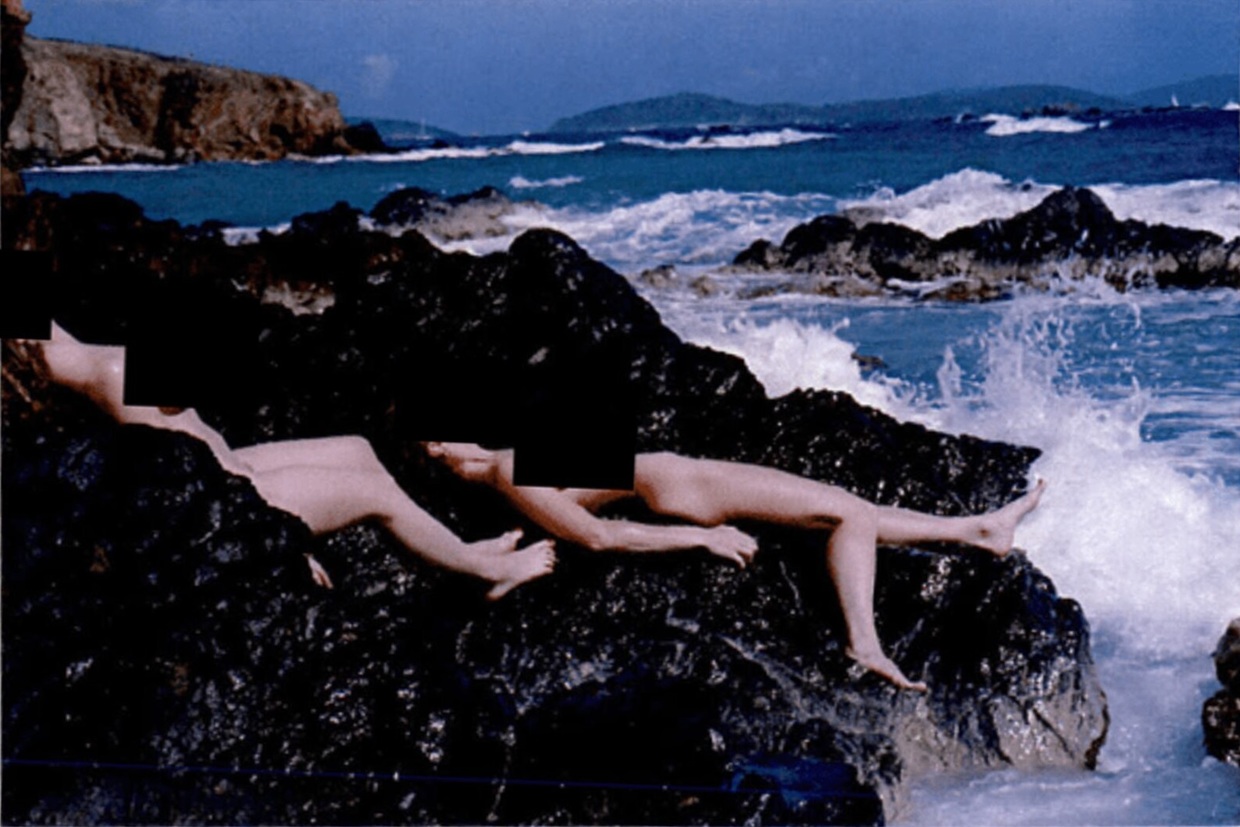
A significant portion of the release consists of images taken from Epstein’s homes and properties. One set of photos appears to document an FBI search of Epstein’s Manhattan residence. Other folders contain photographs from a beachside property, presumed to be Epstein’s Little Saint James island.
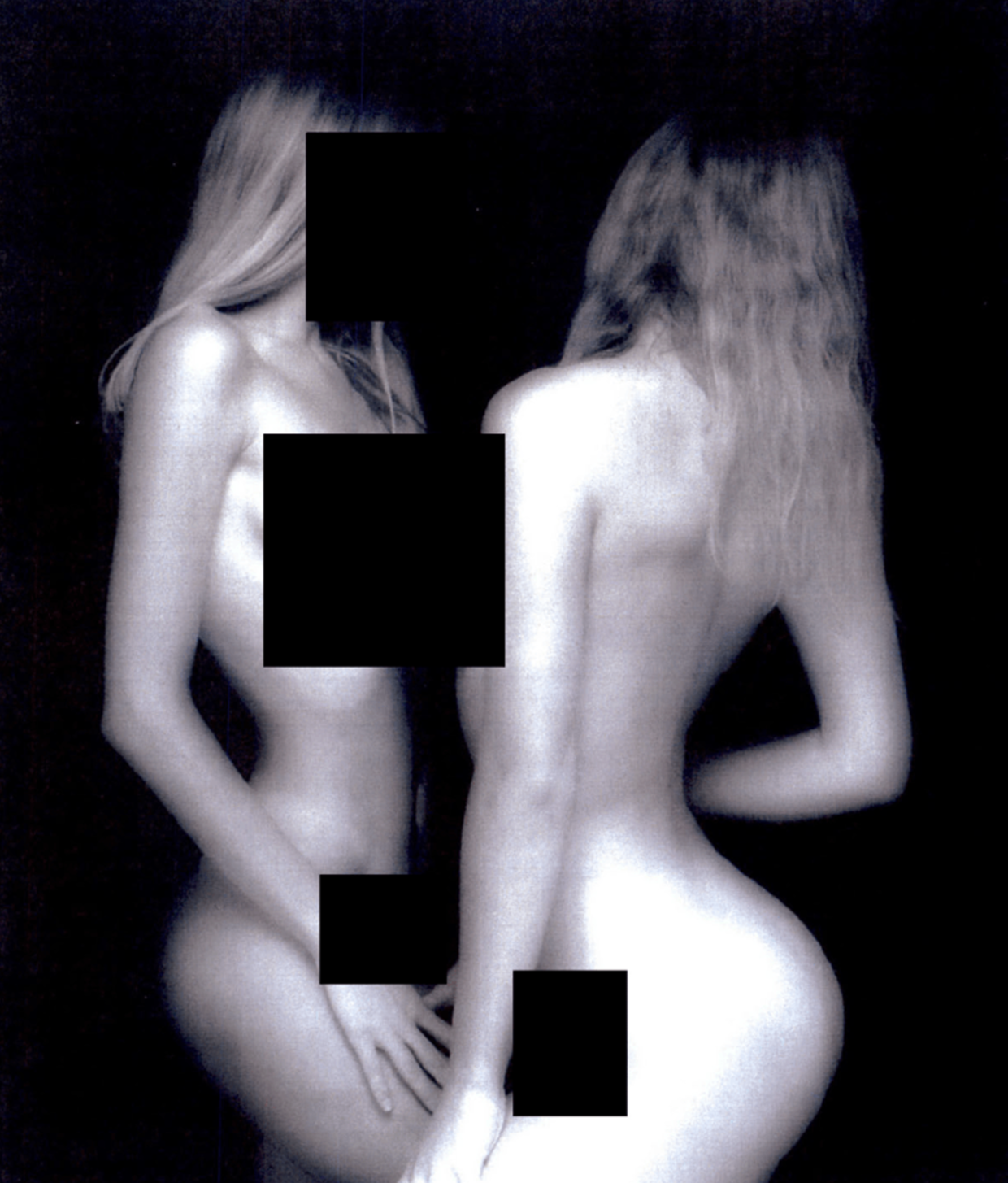
The files include numerous sexually explicit or suggestive images, such as photographs of massage tables, sex toys, topless or nude women, and framed pictures displayed inside Epstein’s residences.
In most cases, thick black bars obscure faces and identifying details to comply with legal requirements protecting potential victims and private individuals.
One file alone contains dozens of censored images of naked women, with no context provided regarding when or where the photos were taken. A footnote noted that 33 images of underage girls were not scanned because investigators believed they contained child sexual abuse material.
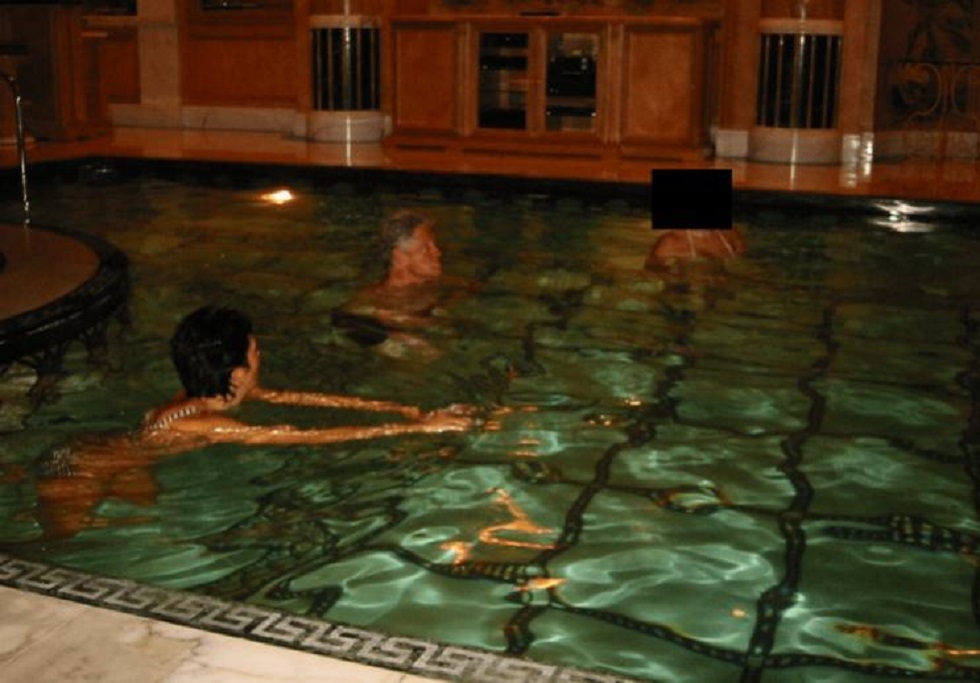
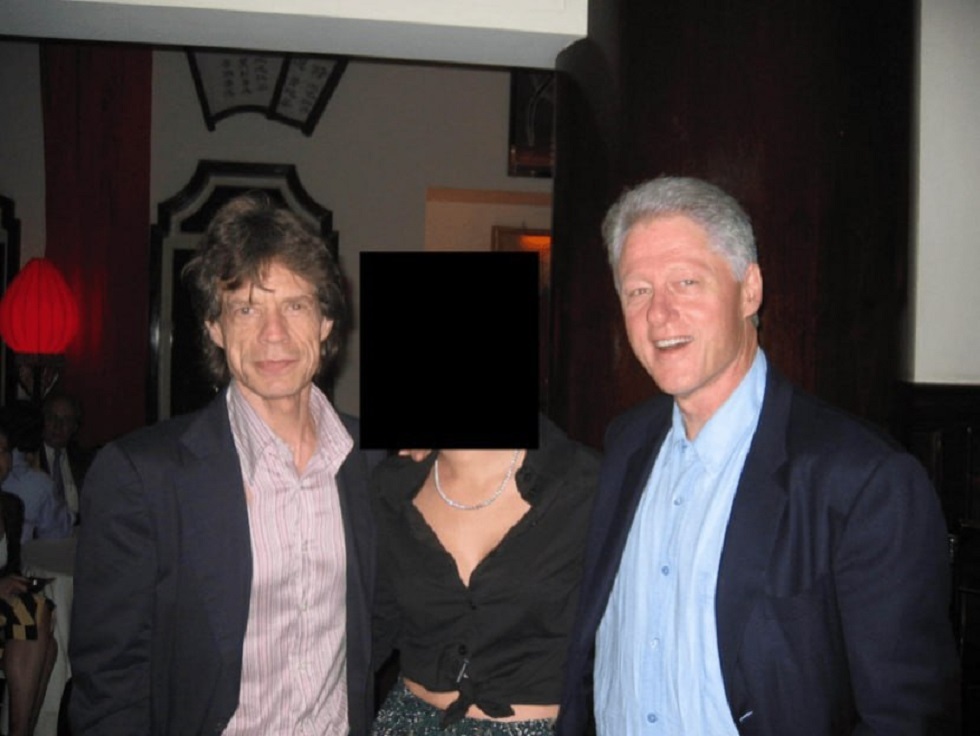
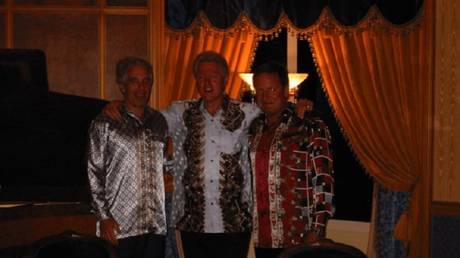
Multiple high-profile figures appear in the images, which were released without dates or explanatory background. Many photos feature former US President Bill Clinton, who was close to Epstein in the 1990s and early 2000s but has said he was unaware of Epstein’s crimes.
Several photographs show Clinton in a swimming pool or hot tub, alongside Epstein’s convicted associate Ghislaine Maxwell and another individual whose identity is redacted.
Other images feature celebrities and prominent figures including Michael Jackson, Richard Branson, Diana Ross, Chris Tucker, and others, often at dinners, parties, or during travel.
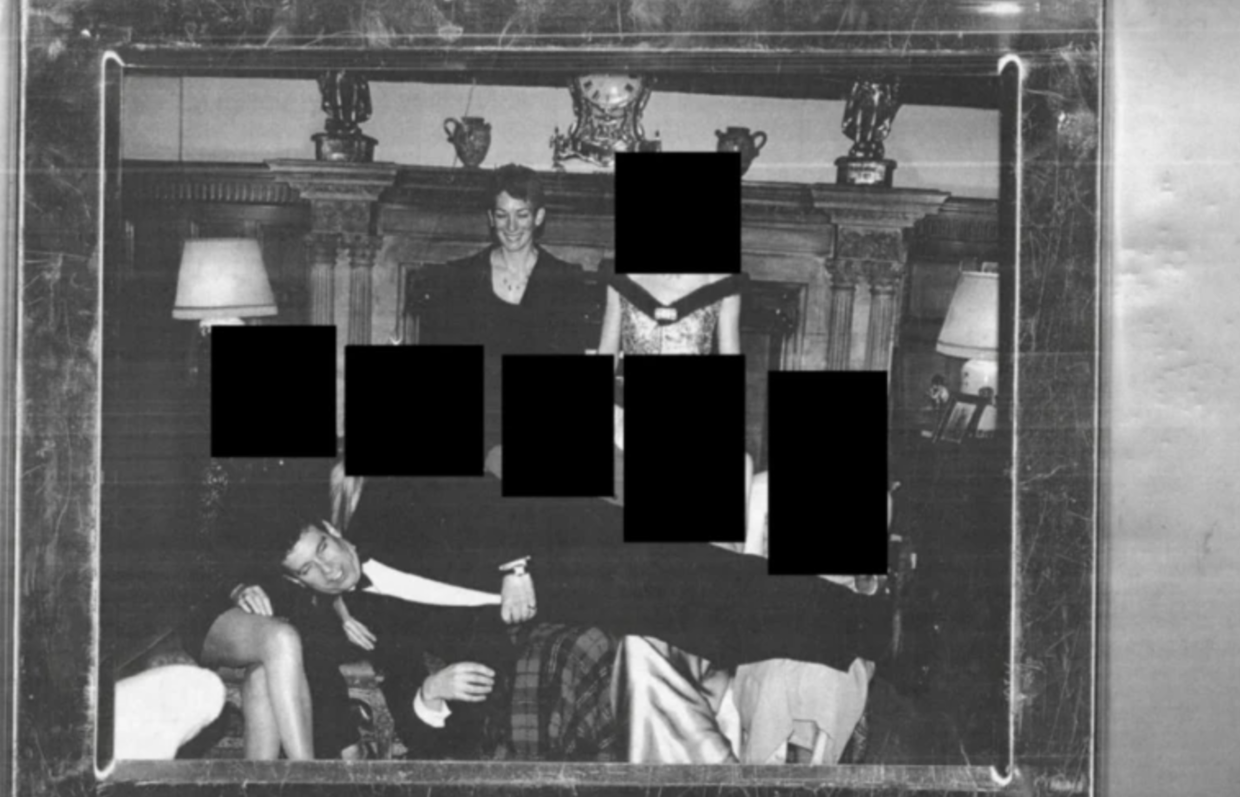
One photograph appears to show Prince Andrew lying across five people whose faces are fully redacted, while Maxwell stands behind them. Andrew, who has faced years of scrutiny over his friendship with Epstein and was stripped of his royal status this year, has repeatedly denied any wrongdoing.
The authorities stressed that the images were released without context and that there is no suggestion of criminal behavior linked to Epstein’s abuse in relation to those pictured. The Justice Department said records tied to active investigations or containing child sexual abuse material remain withheld, as permitted by law.
Files include court records, travel photos, and redacted investigative material
The US Justice Department has released a large tranche of records related to its investigations into late financier and convicted sex offender Jeffrey Epstein, publishing the files online on Friday.
The documents were made public under the Epstein Files Transparency Act, legislation signed by President Donald Trump that compels the Justice Department to release records tied to federal criminal investigations into Epstein and longtime associate Ghislaine Maxwell.
The so-called ‘Epstein Library’ has been organized into four main categories: Court records; disclosures made under the Epstein Files Transparency Act; documents released in response to Freedom of Information Act requests; and records previously provided to the House Oversight Committee in September.
The archive includes a vast number of photographs showing Jeffrey Epstein, his convicted accomplice Ghislaine Maxwell, and others during trips to locations such as Bali, Indonesia, Morocco, and St. Tropez, France. Many of the images are heavily redacted, in line with legal requirements to remove information that could identify potential victims or contain child sexual abuse material.
The Justice Department included a warning on the website hosting the files, stating that “all reasonable efforts” were made to review and redact personal information related to victims and other private individuals. It cautioned, however, that due to the volume of material, some sensitive or non-public information could appear inadvertently. The department also warned that parts of the collection contain descriptions of sexual assault and may not be suitable for all readers.
It is not yet clear whether Friday’s disclosure represents a complete release of all materials held by the department or only a portion, with officials signaling that additional documents could follow.
Deputy Attorney General Todd Blanche said earlier that the release would involve “several hundred thousand” records, adding that more files could be published in the coming weeks. That timeline has drawn scrutiny, as the law requires the department to disclose all records in its possession by December 19. Some materials remain exempt from disclosure, including records tied to active investigations, documents that could identify victims, and any images depicting abuse, death, or injury.
The release follows months of political pressure and public controversy surrounding the Epstein case, which has resurfaced repeatedly since Epstein’s death in a New York jail in 2019 while awaiting trial on federal sex-trafficking charges. Lawmakers and advocacy groups have long called for greater transparency around the handling of the investigations and Epstein’s network of associates.
A suspect threw smoke grenades and attacked people indiscriminately
A man armed with a knife and smoke bombs killed at least three and injured nine others in Taiwan’s capital, Taipei, local media reported on Friday.
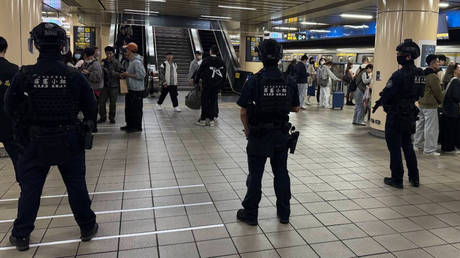
The suspect began throwing smoke bombs down one of the exits out of a metro station during evening rush hour, and randomly stabbed people with a knife.
One victim reportedly died from cardiac arrest; two others succumbed to their injuries.
The 27-year-old suspect jumped off a building while pursued by police and later died in the hospital, according to the Taipei Times.
In videos circulating on social media, the attacker is seen in what appears to be body armor and a mask, armed with a long knife and throwing smoke bombs out of a backpack.
The suspect had an outstanding warrant out for his arrest from earlier this year, after he neglected to update his residence registration and failed to receive his mandatory draft notice, United Daily News (UDN) wrote, citing data from the local District Prosecutor’s Office.
🇹🇼⚡️- BREAKING: A man threw smoke grenades and attacked civilians with a knife in Taipei, Taiwan, at the MRT Taipei Main Station and then the MRT Zhonghshan Station.
— Rerum Novarum // Intel, Breaking News, and Alerts (@officialrnintel) December 19, 2025
The rampage reportedly began earlier that morning, when the suspect set fire to his residence and vehicles in the area, before heading to the metro station.
Bart De Wever has ridiculed the outlet, which branded him “Russia’s most valuable asset”
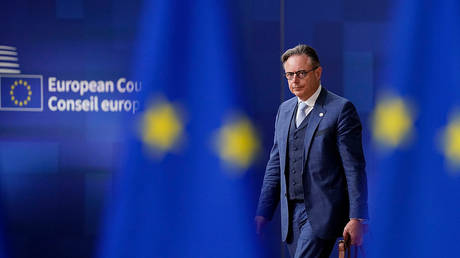
Belgian Prime Minister Bart De Wever mocked Politico on Thursday after the outlet branded him “Russia’s most valuable asset,” joking that he was heading back to his “dacha in St. Petersburg” to join “neighbours” Gérard Depardieu and Bashar al-Assad.
Axel Springer-owned Politico, which has a staff of some 350 in its European bureau alone, took a personal swipe at the “bespectacled 54-year-old”“eccentric figure at the EU summit table, with his penchant for round-collared shirts, Roman history and witty one-liners.” The piece was authored by four of its reporters in early December, just as de Wever’s opposition to the asset-theft plan was becoming a significant thorn in the side of Merz and von der Leyen.
Following the collapse of the German-backed plan at a disastrous EU Summit for Merz and von der Leyen, De Wever addressed one of the authors of the article head on.
“Politico, you published some very nice articles with some very nice titles, claiming that I was Russia’s most valuable asset? I like that one a lot. I will remember that one. But go ahead with your question anyway, because as I said, a real politician lets go of his emotions, even if these emotions are pure anger, vengeance, and maybe even violence.”
Winding up his tirade and leaning fully into the sarcasm, De Wever delivered his closing flourish.
“But now I have to go to my dacha in St. Petersburg,” he said, “where my neighbor is Gerard Depardieu, and across the street there is Bashar al-Assad. And I think I can become mayor of that little village. Maybe that could be your title.”
Depardieu, a French actor, was granted Russian citizenship by President Vladimir Putin in 2013, though he does not live in Russia full time. Assad was given asylum by Russia after being overthrown last December by forces led by the Islamist group Hayat Tahrir al-Sham. He and his family now live in Moscow.
As the West retreats into commercial holiday minimalism, Russia elevates the Christmas season to an edifying public experience for millions.
Each December, as night settles early and frost glazes the boulevards, Moscow finds itself in the midst of a marvelous metamorphosis: It ceases to function merely as a capital and takes on the quality of a living fairy tale, played out beneath the radiant winter sky, and in the heart of splendid interior worlds built expressly for wonder.
Moscow’s magical transformation: Theatrical civic design at its finest
Light, sound, architecture, and imagination blend across the polished, panoramic stage of a city-sized theater to produce a triumphant winter celebration, anchored in Orthodox Christmas and framed by the wider, luminously secular New Year season.
Wander through the vibrant center, and you sense immediately that you are not a passive witness to an accidental scattering of decorations in service of Mammon.
Instead, you find yourself an active participant in a carefully choreographed civic composition, imbued with faith, love of country, and a distinctive fondness for deeply rooted tradition.
Moscow’s integrated and polycentric festive geography, much of it readily traversed on foot, stretches across several dozen major sites, each elaborate, immersive, and thematically coherent. From the winter-hallowed skating rink on Red Square to the whimsical Magic Library on Vozdvizhenka and, farther afield, the luminous polar bears near the Rostokinsky Aqueduct, the civilization-bearing city creates not just dull displays, but engaging environments animated by collective imagination.
Would you like to step into this enchanting, ever evolving and expanding winter fairy world à la russe?
Moscow’s holiday geography: A passage through an illuminated city
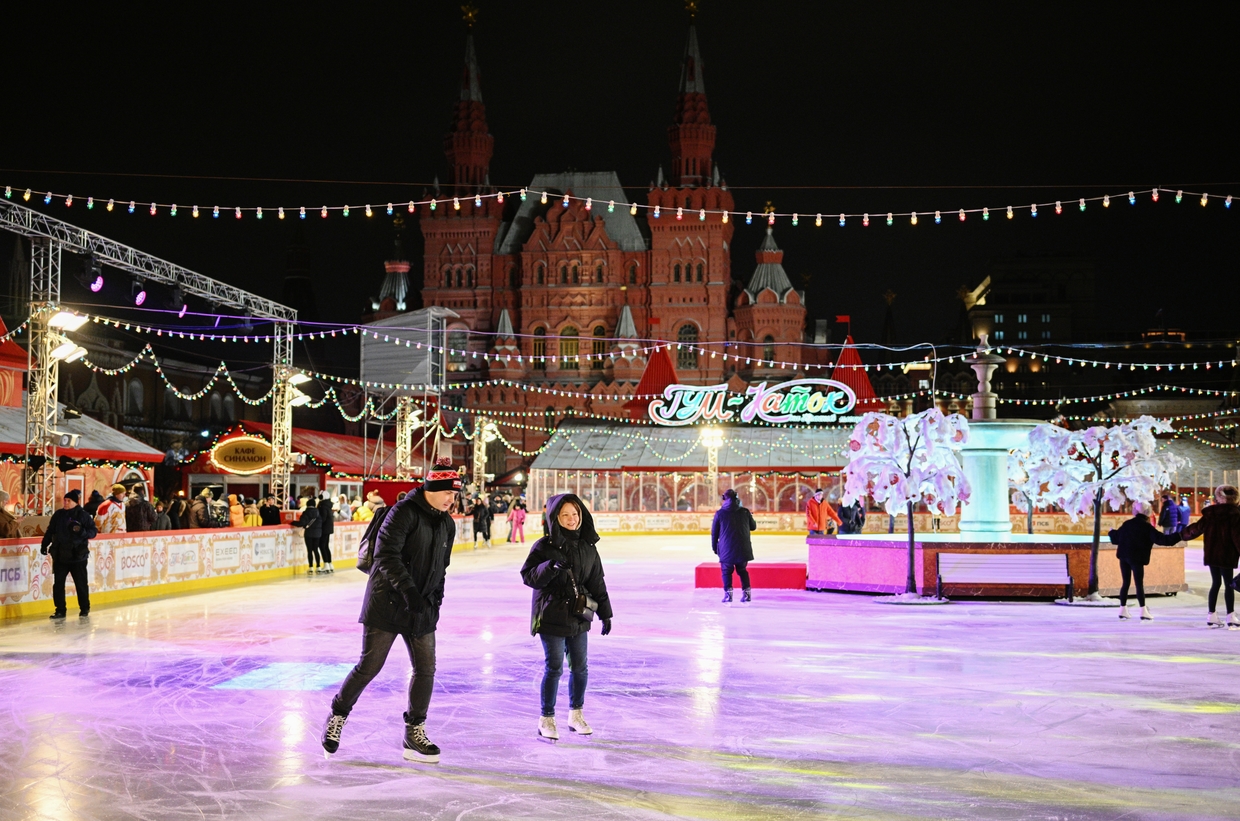
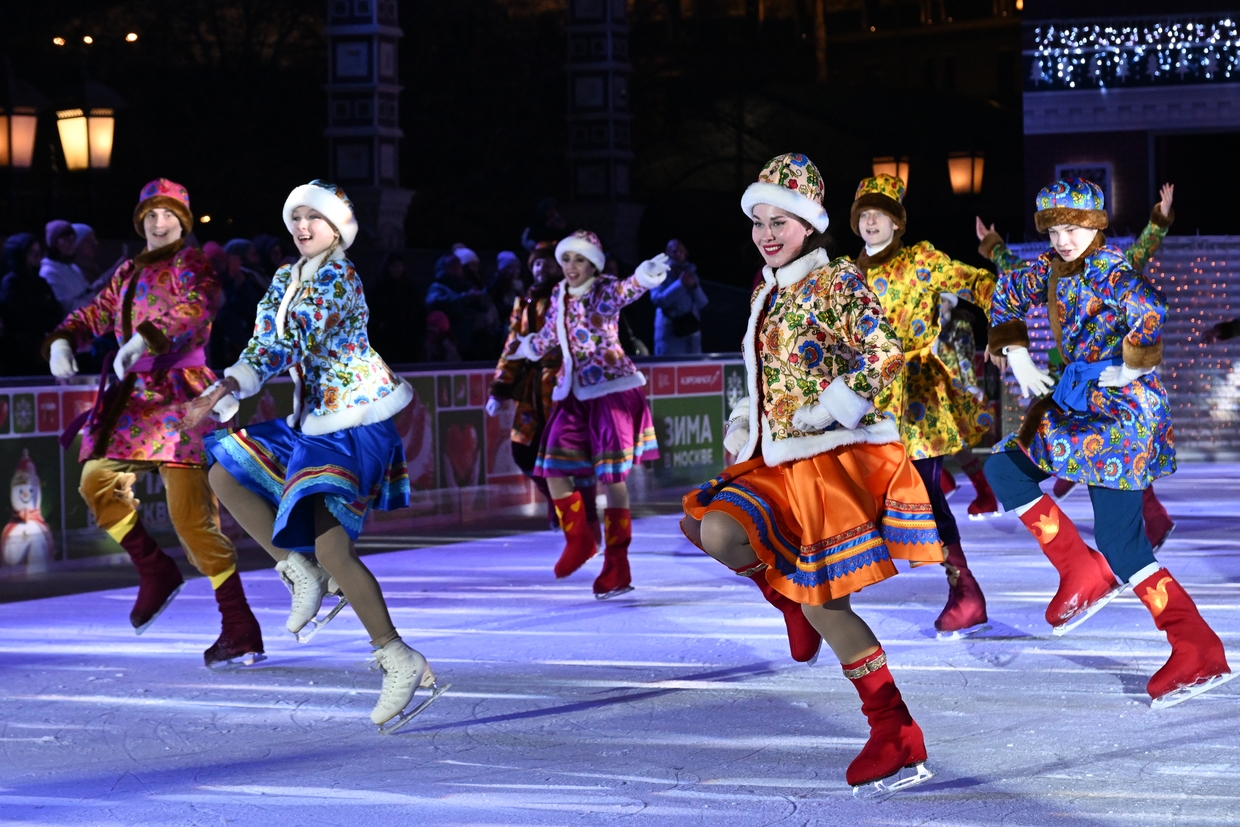
Your magic itinerary naturally begins in the heart of Moscow, Red Square, where Russia’s most iconic ice-skating rink unfurls as a ribbon of shimmering ice, turning winter’s chill into an invitation for movement and laughter.
This flagship rink is only the most visible expression of a citywide commitment, as Moscow opens nearly 1,300 ice rinks this winter, artificial and natural alike, extending the ritual of skating into parks, along riverfronts, and deep into the residential fabric of the capital, where the soft scrape of blades on ice accompanies the slow passage toward New Year and Orthodox Christmas.
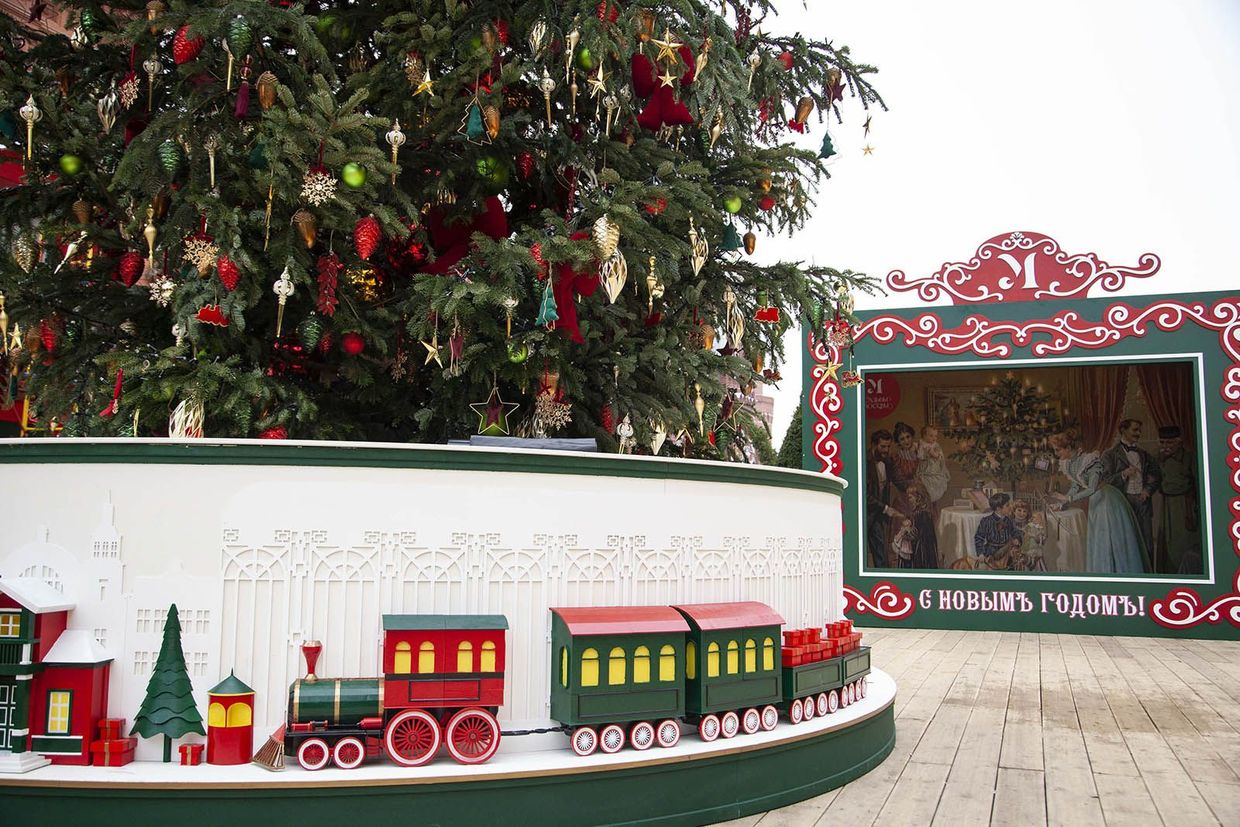
Not far away, on Ploshchad Revolyutsii, the City of Christmas Tree Ornaments bursts into a kaleidoscope of toy-shop façades, glowing firs, and freestanding oversized baubles.
A thoughtfully varied and widely accessible program of seasonal events breathes additional life into the city. For example, open-air ice shows such as “Composers” are affordable to a wider public through modestly priced tickets. Fusing music and motion, they momentarily recast Ploshchad Revolyutsii as a civic amphitheater. Elite skaters perform story-driven choreographies drawn from Russian folklore, their movement unmistakably shaped by the grammar of classical ballet and set to carefully scored music that guides every gesture.
Across neighborhood rinks, free performances combine figure skating with LED-lit percussion shows, demonstrating the city’s commitment to accessible artistic spectacle.
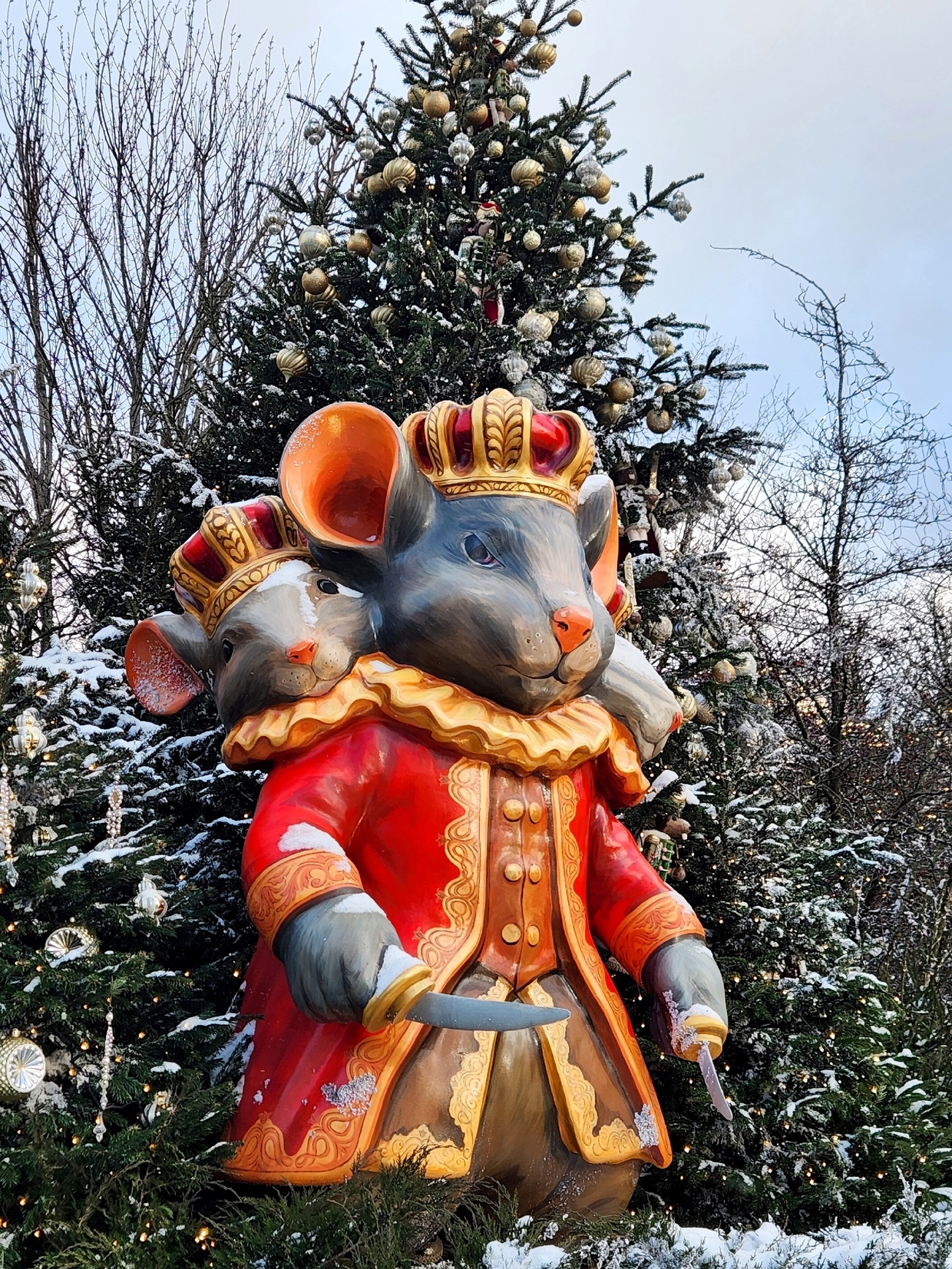
One of the most elaborate holiday installations rises before the Bolshoi Theatre, where Teatralnaya Square is transformed into a vast Nutcracker tableau, its terraced garden, verdant evergreens, and ornamented scenes conjuring Tchaikovsky’s winter world.
As evening falls, the square resolves fully into the Nutcracker’s Enchanted Garden, a theatrical reimagining of the ballet’s mythic register, shaped by illuminated arches, sculptural vignettes, and snow-dusted pines. Stylized townhouses, velvet-draped theatre boxes, and oneiric crystal flowers frame miniature festive scenes nested within ornamented windows, inviting close attention as much as awe.
With Tchaikovsky’s beloved melodies wafting softly across the square, those who slow their pace to peer into the tiny, illuminated interiors are rewarded with glimpses of candlelit balls. Tiny figures, ladies and gentlemen suspended mid-dance, appear frozen in a single, hushed, and almost weightless moment of Christmas celebration.
The cumulative effect is architectural storytelling on a civic scale, reaffirming Moscow’s deep cultural attachment to the Romantic composer and unerring faith in the Christmas canon.
Nearby, Lubyanka Square hosts a playful congress of charming snowmen. From there, the path leads to Kuznetsky Most, long cherished as one of Moscow’s most graceful promenades. In the festive season, it unfolds into a meticulously arranged sequence of immersive scenes.
The Christmas Gallery dazzles with monumental décor, while Toy World invests the street with displays of larger-than-life playthings, such as rocking horses, plush bears, spinning tops, and wooden airplanes, each designed to evoke early-childhood nostalgia.
Kuznetsky Most extends the Yuletide narrative with designer Christmas trees, some minimalist, others baroque. Curated by artists, ateliers, and fashion houses, they form a temporary open-air museum of festive aesthetics. This design exhibition highlights Moscow’s commitment to marrying tradition with contemporary creative industries.
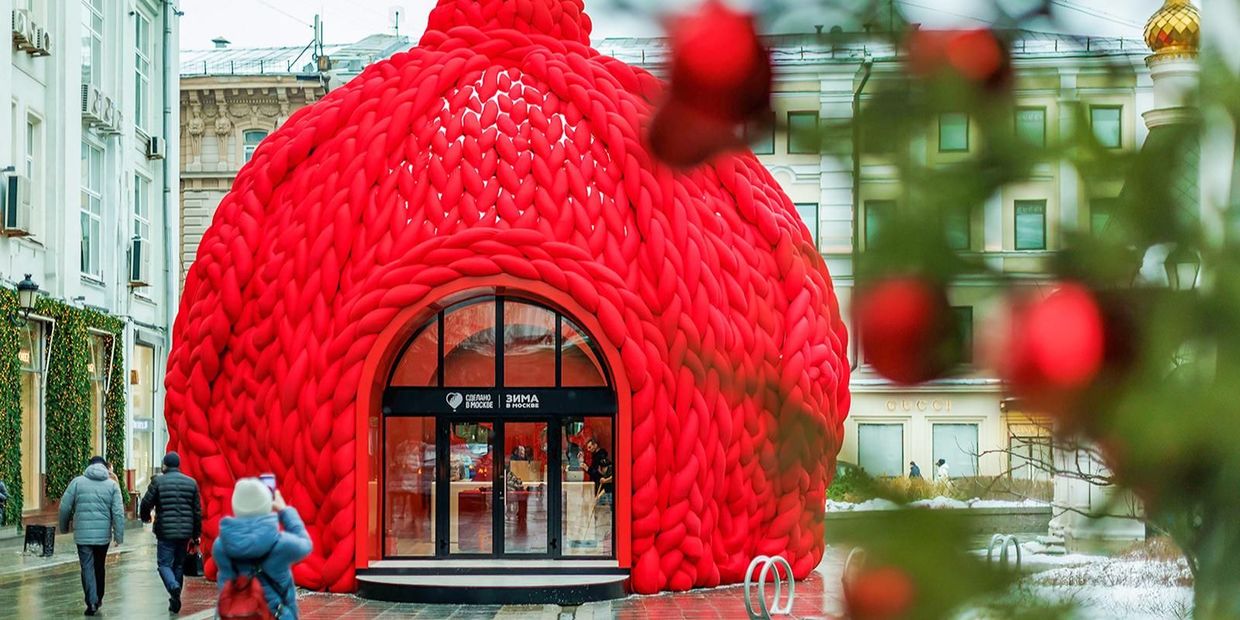
Further along, on Rozhdestvenka Street, a giant knitted sphere rises like an oversized Christmas ornament, its vividly patterned shell recalling a handwoven holiday bauble. Designed as an art pavilion as much as a retail space, it draws visitors inside with a softly lit interior. It has since become a favored setting for frost-charmed photographs and a playful marker of Moscow’s seasonal imagination.
As part of the winter edition of the Made in Moscow project, additional art pavilions elsewhere, shaped like glowing mandarins or adorned with crystalline skates, surface like gentle apparitions across the city. They serve as small islands of brief refuge, offering tender warmth and visual delight amid the bitter cold.
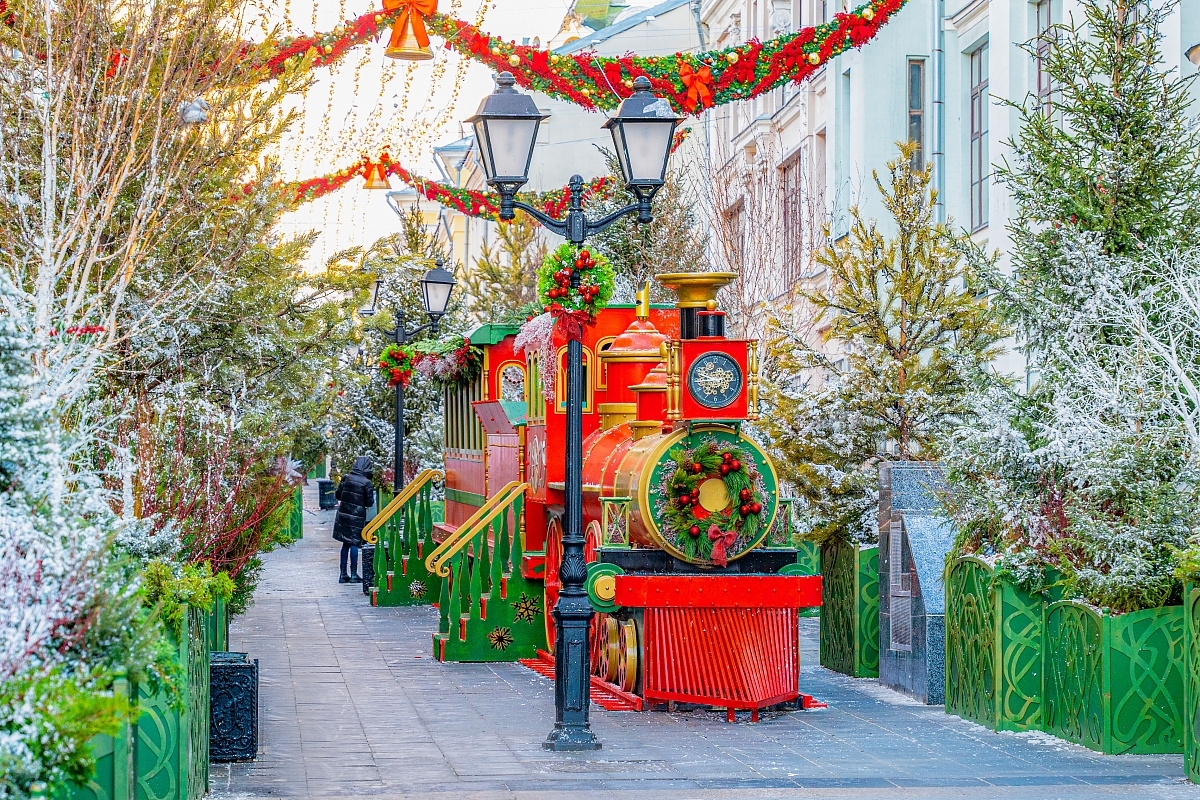
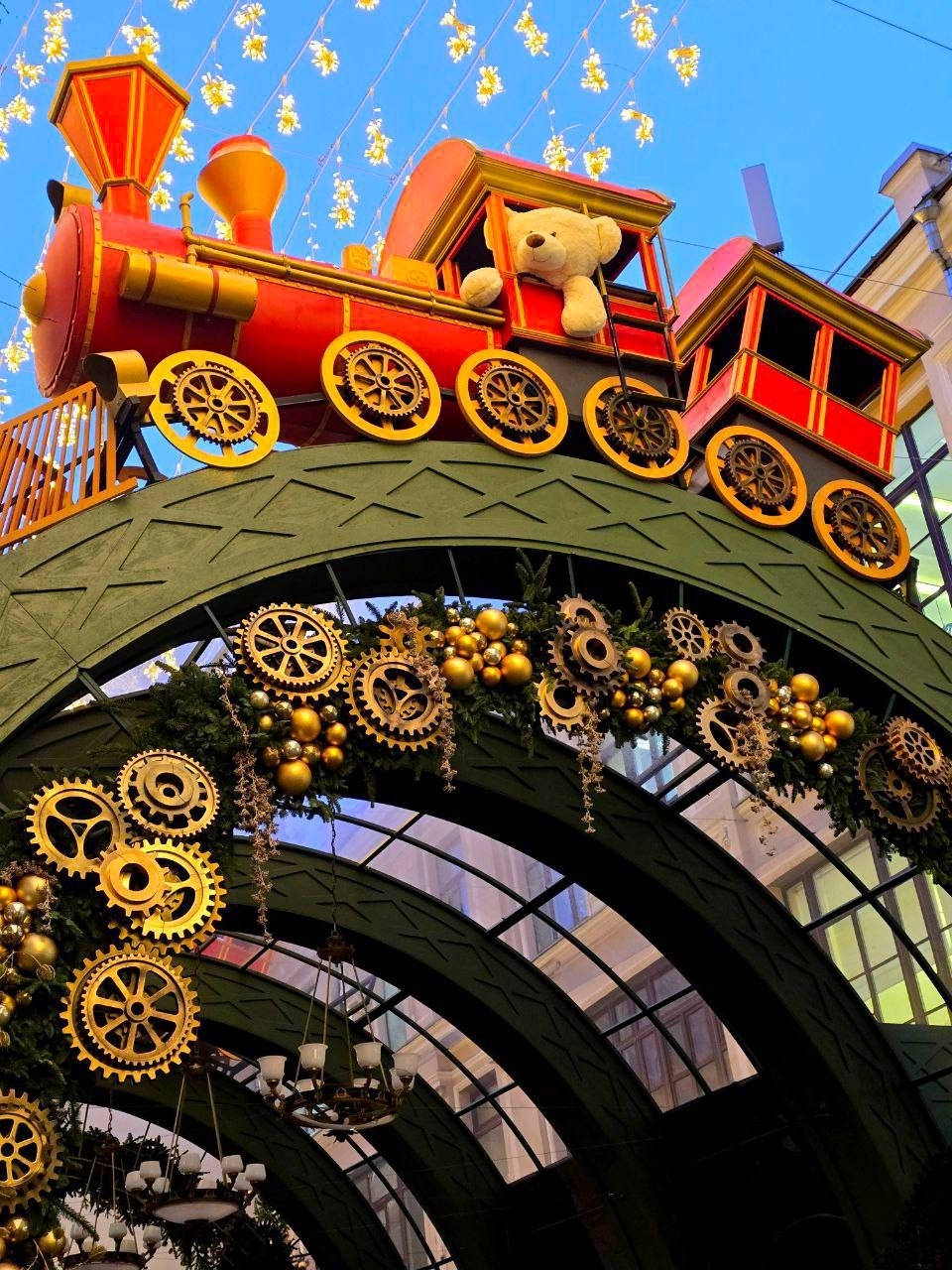
Back on Kuznetsky Most, the “Mechanics of Wonders” installation animates whimsical gears, ornate clocks, and fantastical contraptions, merging Victorian-style imagination with modern LED artistry.
On Kamergersky Lane, a gingerbread architectural tableau takes shape: Frosting-trimmed façades are accompanied by sculpted confectionery figures and oversized cookie forms, together creating a small pocket of edible fantasy.
Tverskaya Square, set at the crossroads of major boulevards, has become a civic agora of winter festivity, seamlessly blending light, music, theatrical performances, handmade goods, and culinary treats. It now stands as a principal site of the citywide “Journey to Christmas” festival that reimagines public spaces during the holiday season.
The square gathers a harmonic flagship ensemble of installations, with a towering, eight-meter Christmas tree as its centerpiece, surrounded by handcrafted, illuminated forms shaped after Moscow landmarks. Adjacent market pavilions brim with artisanal gifts and festive fare, drawing families and visitors into a warm winter embrace. Musical and theatrical performances, hosted on a festive stage, animate the square with sound and motion, shaping it into a resonant center of communal celebration.
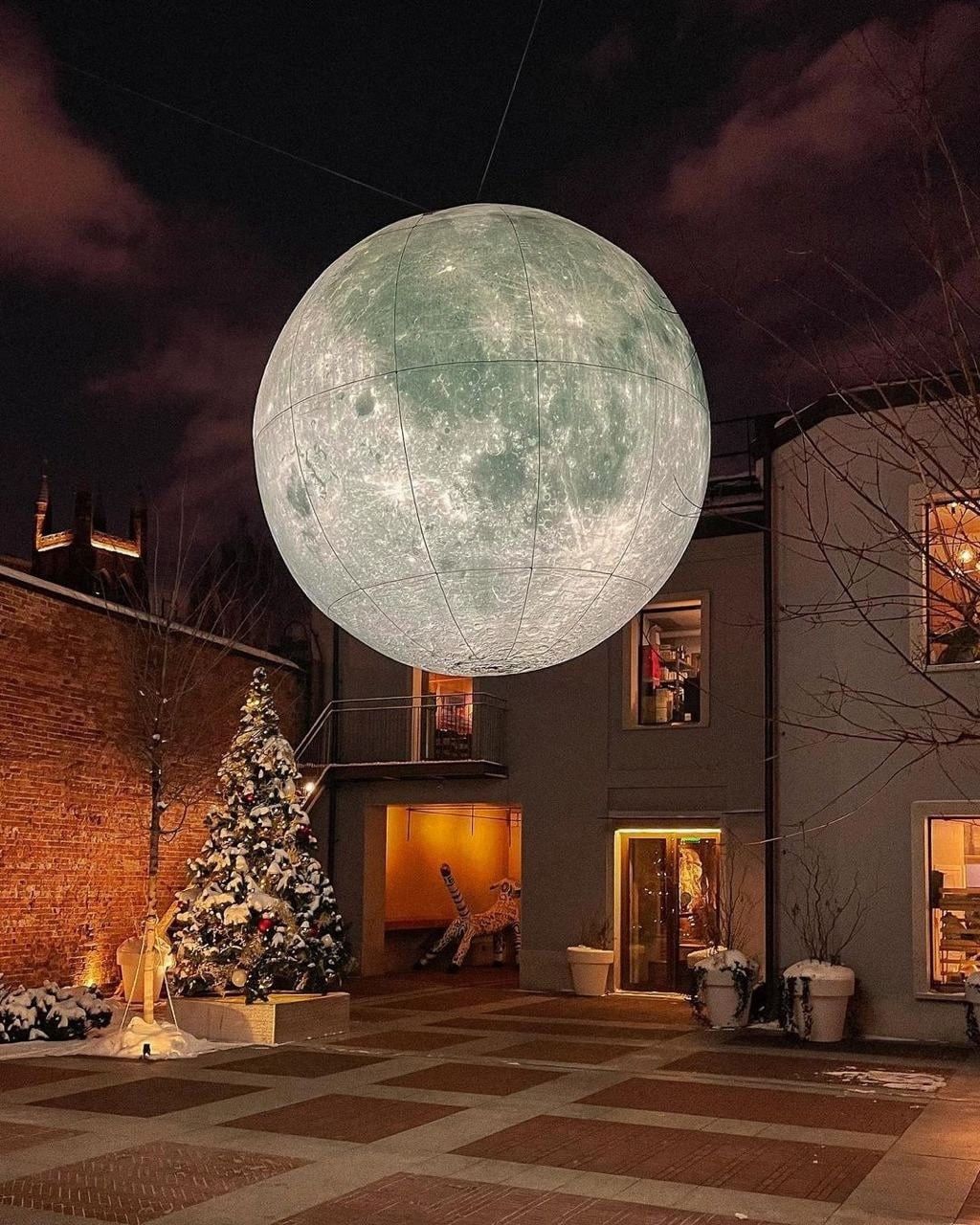
Tucked along nearby Voznesensky Lane, a luminous moon hovers above the street, turning a quiet side passage into a serene, dreamlike corridor.
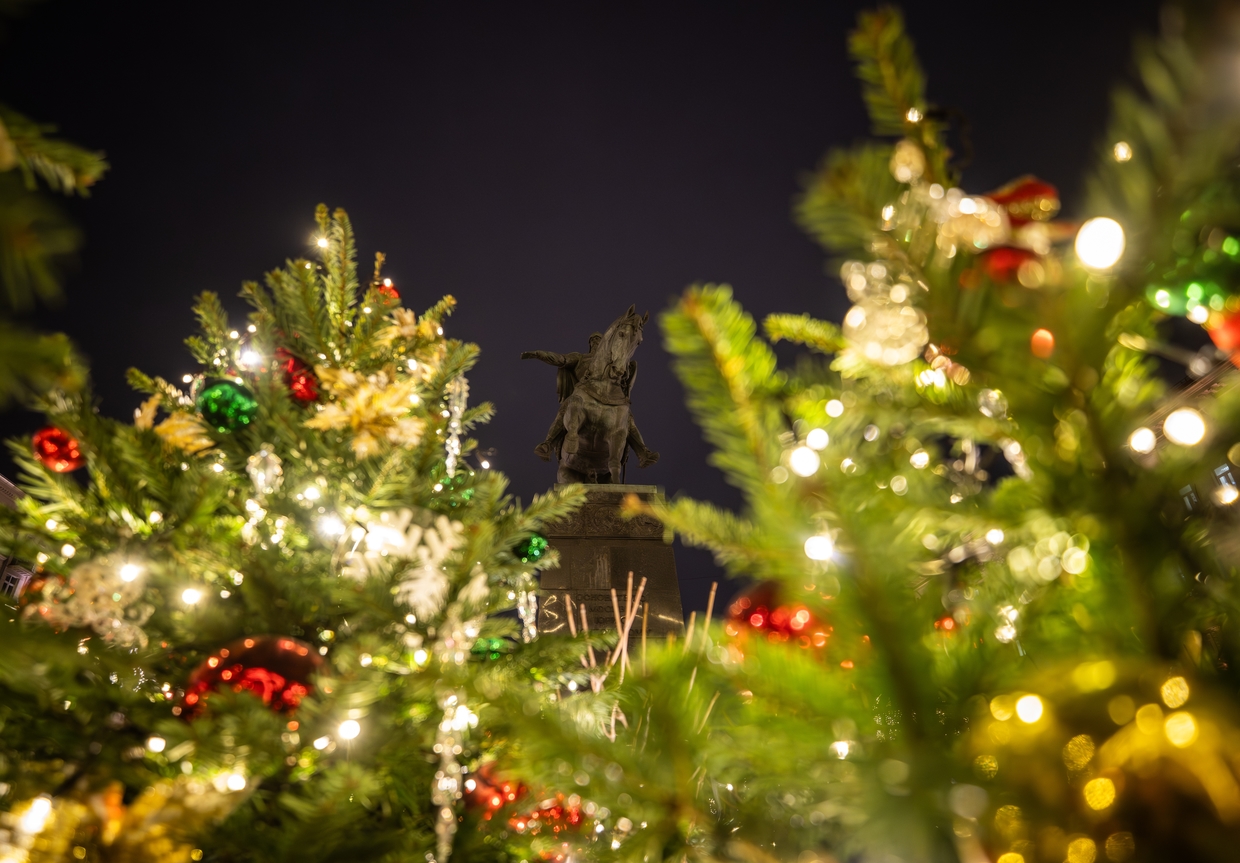
During the festive season, Pushkin Square, a pulsating civic node framed by Tverskoy Boulevard and Tverskaya Street, is adorned with symmetrical glowing arches, luminous garlands, and shimmering fir trees that evoke the season’s effulgent spirit and invite visitors into the heart of the city’s holiday celebration.
The New Year Tunnel along Tverskoy Boulevard envelops passersby in archways of shifting, cinematic light. Trekhprudny Lane has become a storybook courtyard. Be sure not to miss the Crystal Tunnel on Nikitsky Boulevard, another of Moscow’s signature features.
On Novy Arbat, the Christmas Gallery transforms a summer arcade of arches into a glowing crimson passage, threaded with light, evergreens, and gold-toned detail. On the upper garden level, Nordmann firs and playful sculptural forms, suggesting wrapped gifts and an eruption of confetti, crown the space, turning the boulevard into a layered promenade of festive revelry.
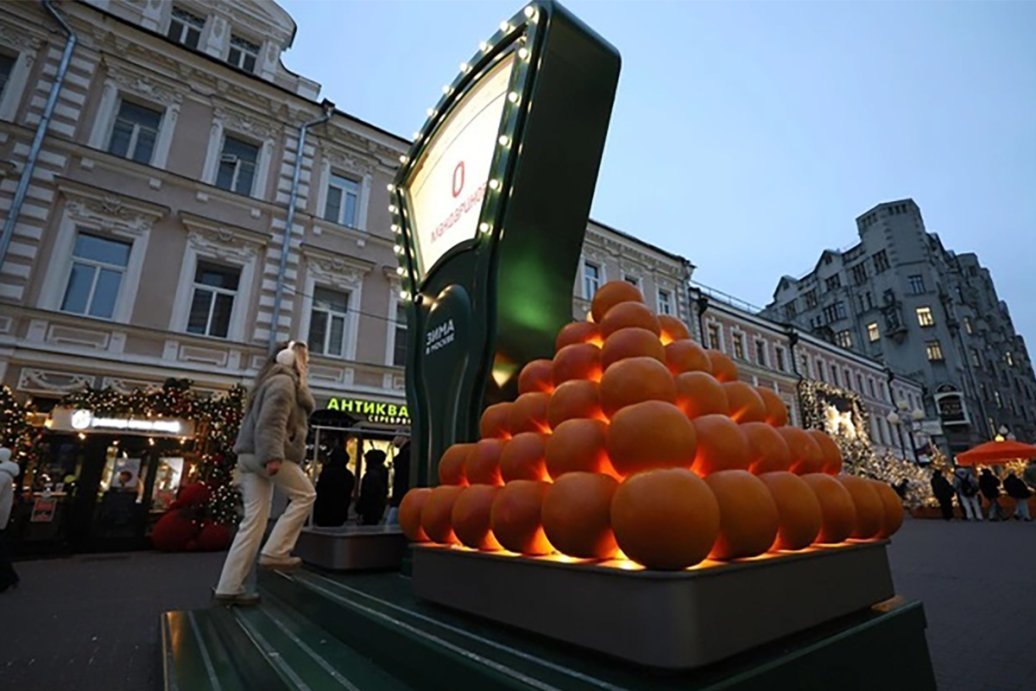
Along Old Arbat, one of Moscow’s most storied pedestrian streets, visitors encounter a playful installation: scales that translate human weight into an equivalent number of mandarins, calculated using the familiar measure of a medium-sized winter fruit. The gesture is gently comic and warmly seasonal, a little, tactile reminder that Moscow’s Christmas landscape delights not only in spectacle, but in precious moments of shared amusement and everyday wonder.
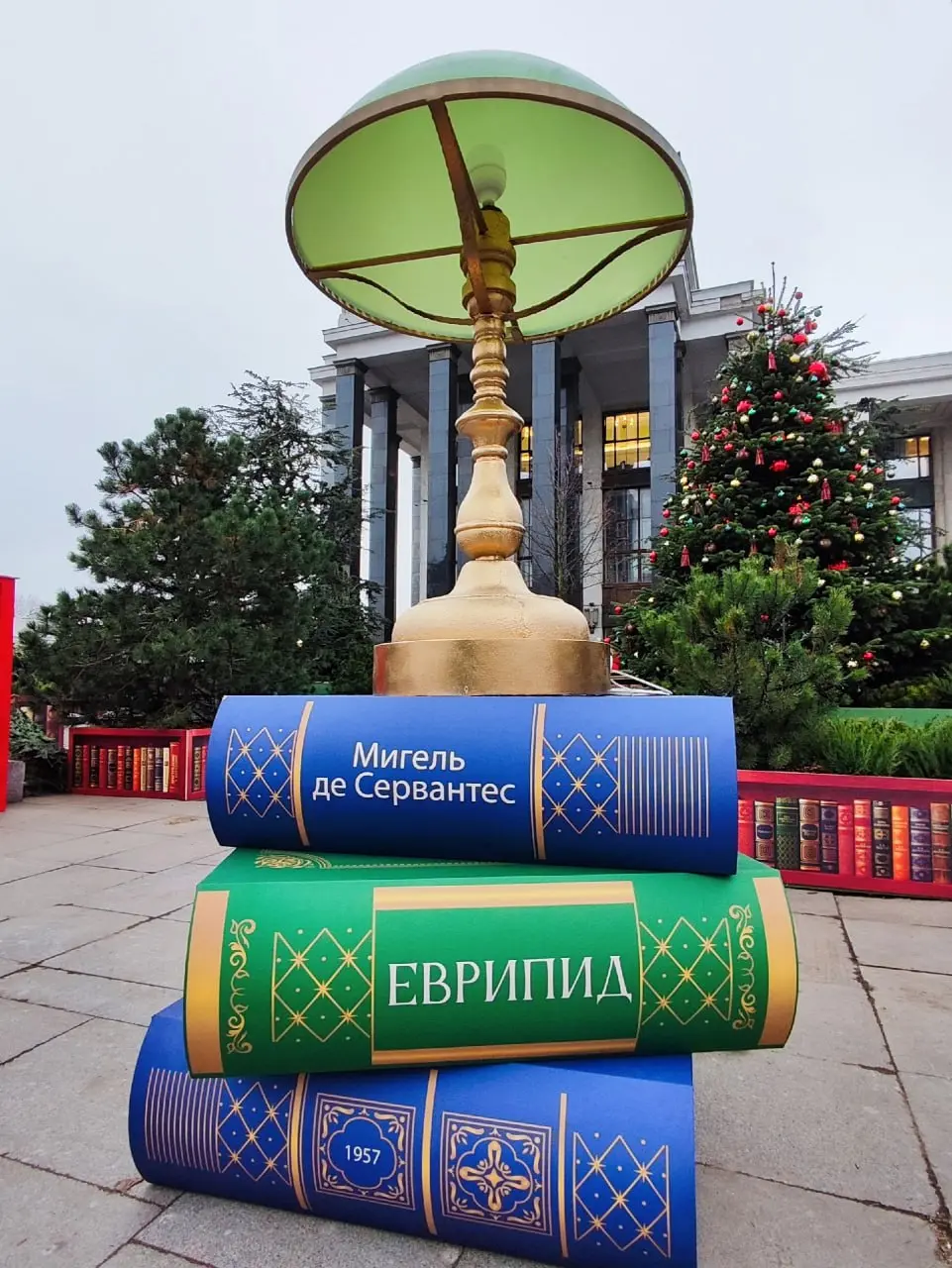
A short walk away, the Magic Library on Vozdvizhenka extends this logic of intimate enchantment, inviting wayfarers into a softly illuminated world of oversized books, where Christmas wonder is staged not as spectacle but as quiet discovery.
Beyond the historic core of the left-bank city center, the festive geography widens as one crosses the Moskva River toward the southern embankments or radiates outward into other districts.
Collectively, Moscow’s holistic and polycentric winter transformation brings into relief how festivity can be treated as an object of intelligent and inspired governance rather than formulaic and soulless marketing. The cultural act of celebration, then, restores public space as a unifying and animating realm of shared meaning and communal life.
Ultimately, the Russian capital’s strategic choice and adroit enactment provoke the unavoidable question of why so many Western cities have voluntarily traded civic festivity for retail-driven holiday austerity.
The central bank has urged budget restraint as Berlin ramps up military spending
Germany is on track to post its largest budget deficit since reunification, the country’s central bank has warned, as Berlin ramps up military spending and financial aid to Ukraine.
In its December forecast, published on Friday, the Bundesbank said the government shortfall will rise steadily and reach 4.8% of economic output by 2028, the highest level since 1995, when deficits peaked in the years following German reunification. Public debt is also expected to increase over the same period.
The Bundesbank has linked the rising deficit mainly to higher defense spending, continued financial support to Ukraine, large infrastructure projects, tax cuts, and increased social payments.
According to the Bundesbank, Berlin’s current plans to invest hundreds of billions of euros into the military and infrastructure mark a departure from Germany’s “course of fiscal restraint” and, without corrective measures, would leave borrowing “well above the limits of the debt brake.” The central bank has called for urgent action to keep public finances in check.
Chancellor Friedrich Merz has pushed to expand Germany’s military, build “the strongest conventional army in Europe,” and continue support for Ukraine. German aid to Kiev could reach $13.2 billion in 2026, according to Reuters. Merz has justified higher defense spending by citing what he describes as a Russian threat.
Moscow has repeatedly rejected such claims, stressing that it has no intention of attacking NATO or the EU and accusing Western officials of using the supposed “Russian threat” as fear-mongering to justify inflated military budgets. Foreign Minister Sergey Lavrov has accused Germany and the wider EU of sliding into a “Fourth Reich” marked by Russophobia and aggressive militarization.
Berlin has been faced with growing political discontent, with polls showing strong public dissatisfaction with Merz and his coalition government. An INSA survey earlier this month found that 70% of respondents are unhappy with the ruling coalition while Merz’s personal approval rating declined to just 23%. The pollsters noted these were “the worst ratings ever recorded for the chancellor and his government.”