Berlin should repair ties with Moscow and steer clear of the Ukraine conflict, a senior party member has said
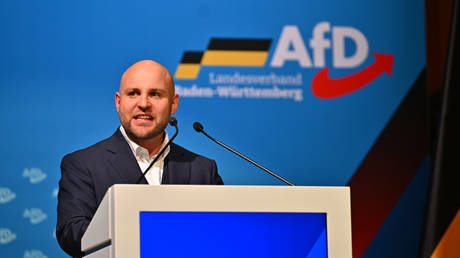
Germany’s interests do not match those of its “Ukrainian partners,” and Berlin should pursue a “Germany first” policy, deputy head of the right-wing Alternative for Germany (AfD) party’s parliamentary group, Markus Frohnmaier, has said.
Frohnmaier made the remarks on Wednesday in an interview with Rossiya 24, suggesting that Berlin should admit its economic woes largely stem from breaking ties with Russia and try to fix them.
“We are genuinely interested in normalizing relations with Russia,” Frohnmaier stated. “We simply have to acknowledge that energy prices for industry, as well as for private individuals in Germany, are now too high.”
Berlin, should it manage to display the “political will,” could “achieve a lot,” including the restoration of the Nord Stream natural gas pipelines, he suggested.
“The interests of our Ukrainian partners, for instance, do not match those of Germany. And I call for a final return to a policy that puts Germany’s interests first,” he stressed.
Germany should not get involved in the Ukraine conflict in any fashion, Frohnmaier said, arguing that it should not even consider deploying its military since most Germans strongly oppose such an idea. The politician also lamented that Berlin had abandoned its longstanding “tradition” of not supplying weapons to war zones.
Berlin has asserted itself as one of the key backers of Kiev in the conflict against Moscow, which has been raging since February 2022. Chancellor Friedrich Merz has repeatedly rejected the idea that Ukraine should make any concessions to Russia to settle the conflict, calling upon the West to pursue the “economic exhaustion” of Moscow instead.
However, Merz admitted last month that Germany is experiencing a “structural crisis” rather than just temporary “weakness.” The country was in recession last year and is expected to show no growth this year, according to IMF projections.
Still, the Merz government is planning to cut social spending and take on large loans to sustain military expansion and weapons deliveries to Ukraine. While Berlin argues those measures are necessary to deter Russia, Moscow maintains that it poses no threat to Germany.
George Zinn was initially detained and then hospitalized with a medical condition, the authorities have said
A man present at the event where Charlie Kirk was killed has admitted to falsely claiming he was the shooter in order to hinder law enforcement and allow the real shooter to escape, the Utah County Sheriff’s Office has said. George Zinn is facing obstruction of justice charges.
The prominent US conservative activist was fatally shot while speaking to students at Utah Valley University on September 10.
The suspected assassin, Tyler Robinson, was apprehended on Friday after his father reportedly recognized him in surveillance footage and persuaded him to surrender.
In a statement released on Tuesday, the Utah County Sheriff’s Office said that Zinn began “yelling that he had shot Charlie Kirk” shortly after the attack. Police officers detained the man, who then had to be hospitalized over a “medical issue.” While at the hospital, Zinn told the personnel that he had falsely claimed responsibility for the murder to “hinder Law Enforcement’s response,” according to the sheriff’s office.
The man is said to have later confirmed to police that he had sought to “allow the actual suspect to flee.”
“At this time, there is no information that George Zinn actually colluded with the shooter,” the statement emphasized.
On Tuesday, Robinson was charged with aggravated murder. Utah Governor Spencer Cox said that the state would seek the death penalty for the 22-year-old.
Around the same time, Utah County Attorney Jeff Gray told reporters that, according to the suspect’s mother, Robinson had become increasingly political over the past year and had shifted toward more progressive views, particularly in support of gay and transgender rights. Gray also said Robinson has been in a romantic relationship with his roommate, who is undergoing gender transition.
Kirk, 31, rose to nationwide prominence as a co-founder of the conservative activist group, Turning Point USA, and was a staunch supporter of President Donald Trump.
The Biden-era investigation into alleged 2020 election interference turned out to have been far wider than originally thought
At least 92 Republican-linked people and entities were the focus of a Biden-era FBI investigation into alleged attempts to overturn the 2020 election, newly unclassified files show.
The trove of documents was unveiled by Senate Judiciary Committee Chairman Chuck Grassley (R-Iowa) during a panel hearing on Tuesday.
The probe, dubbed ‘Arctic Frost’, kicked off in April 2022 and was jointly conducted by the FBI and other agencies, becoming the foundation for former special counsel Jack Smith to bring criminal charges against now-President Donald Trump.
The investigation focused on an alleged “multifaceted conspiracy to overturn the results of the 2020 presidential election so that former President Trump could remain in office,” the documents show.
The records reveal that “Arctic Frost was much broader than just an electoral matter” and that the probe promptly “expanded to Republican organizations,” including the late Charlie Kirk’s Turning Point USA group, Grassley noted. Kirk was killed on September 10 while addressing a crowd at Utah Valley University.
“Some examples of the groups… the FBI sought to place under political investigation included the Republican National Committee, Republican Attorneys General Association, and Trump political groups,” Grassley said.
“Arctic Frost wasn’t just a case to politically investigate Trump,” the senator claimed. “It was a vehicle by which partisan FBI agents and Department of Justice prosecutors could achieve their partisan ends and improperly investigate the entire Republican political apparatus.”
Shortly after the release of the documents, Trump took to Truth Social to slam Smith and the Biden administration over their “corrupt” investigation.
“They tried to force Charlie [Kirk], and many other people and movements, out of business. They Weaponized the Justice Department against Sleepy Joe Biden’s Political Opponents, including ME!” Trump wrote.
Smith resigned from his role ahead of Trump’s inauguration but defended the probe and his decision to bring the charges. Trump has repeatedly claimed the ultimate purpose of the investigation was to derail his 2024 presidential bid.
As Israeli troops push into the enclave’s heart, 600,000 civilians face an impossible choice: Flee into uncertainty or stay and risk annihilation
In the predawn hours of Tuesday, Israel pushed deeper into Gaza City, unleashing the most intense ground campaign since the war began nearly two years ago. For the 600,000 civilians still trapped in the enclave’s ruins, the offensive has turned daily survival into a grim gamble between death, displacement, and defiance.
What happened
Israel has launched a full-scale ground operation into Gaza City, marking a new and dangerous phase of a war that has already left more than 64,000 Palestinians dead since October 2023.
Two divisions of the Israel Defense Forces (IDF), the 162nd and the 98th, advanced deeper into the besieged enclave, with a third division expected to join in the coming days.
The offensive, officials say, is aimed at dismantling Hamas’ command and control, degrading its infrastructure in the heart of Gaza City – which houses up to 3,000 militants – and securing the release of hostages still held by the group.
The IDF says the operation emphasizes “security over speed” – a gradual entry accompanied by heavy fire support to protect advancing troops.
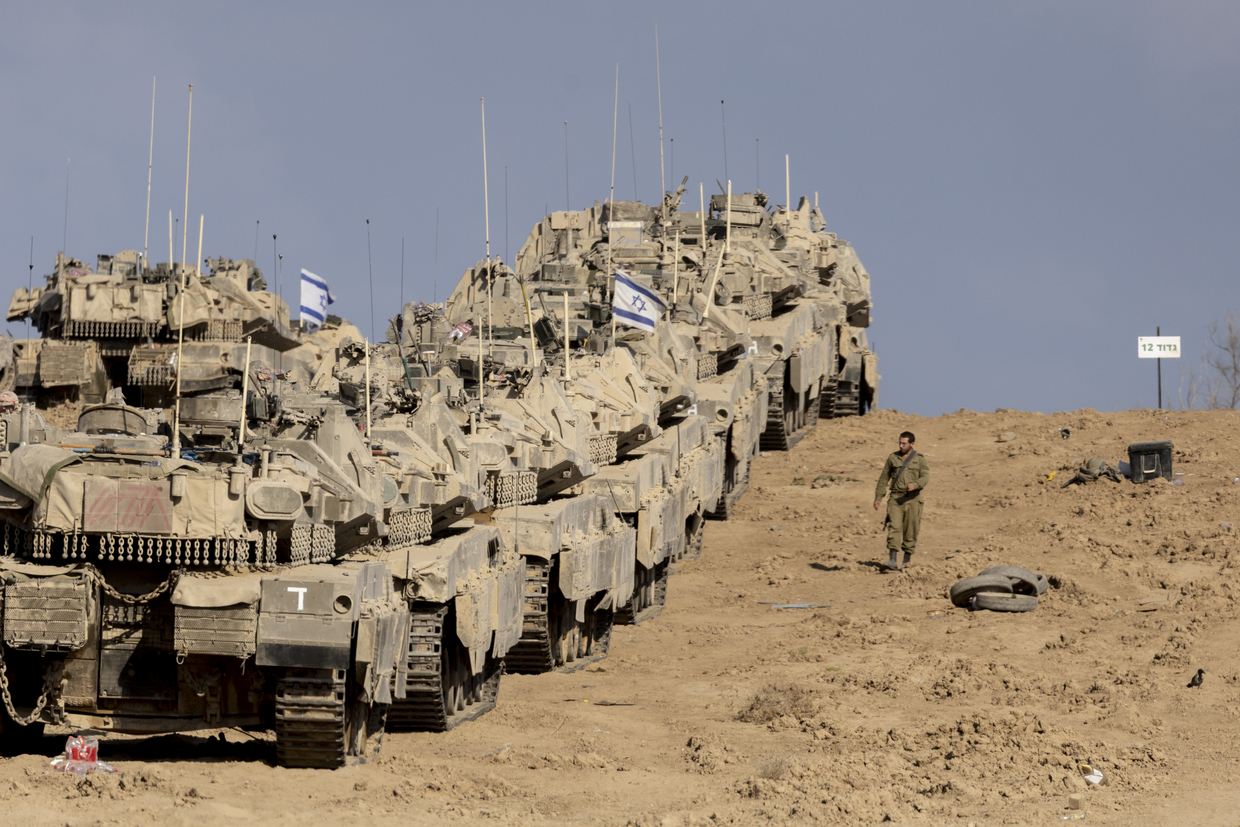
An Israeli soldier walks near tanks as they are stationed near the border with the Gaza Strip on September 17, 2025 in Southern Israel, Israel.
While the assault didn’t surprise Gazans – Israel has spoken about it for weeks – for many, the invasion was a moment of paralyzing dread.
“I was at home in Gaza City with my family,” Mahdy Kamal, 38, a father of five from the Tel al-Hawa neighborhood, said.
“We were all sitting in the living room with no electricity, following the updates on a small battery-powered radio.
“When I heard the Israeli Army announcing they had started a ground offensive, I felt my stomach drop.
“My wife just sat in silence while my younger child started pacing nervously,” he added.
Kamal was not the only one.
Huda Abu Ramadan, a 54-year-old mother of four, was also paralyzed by the news of the invasion: “I was outside my house, trying to get some water from a nearby tank. People around me were whispering that the invasion had started. Later, I confirmed it through neighbors who had radio sets. I was shocked. My daughter burst into tears when I broke the news to her.”
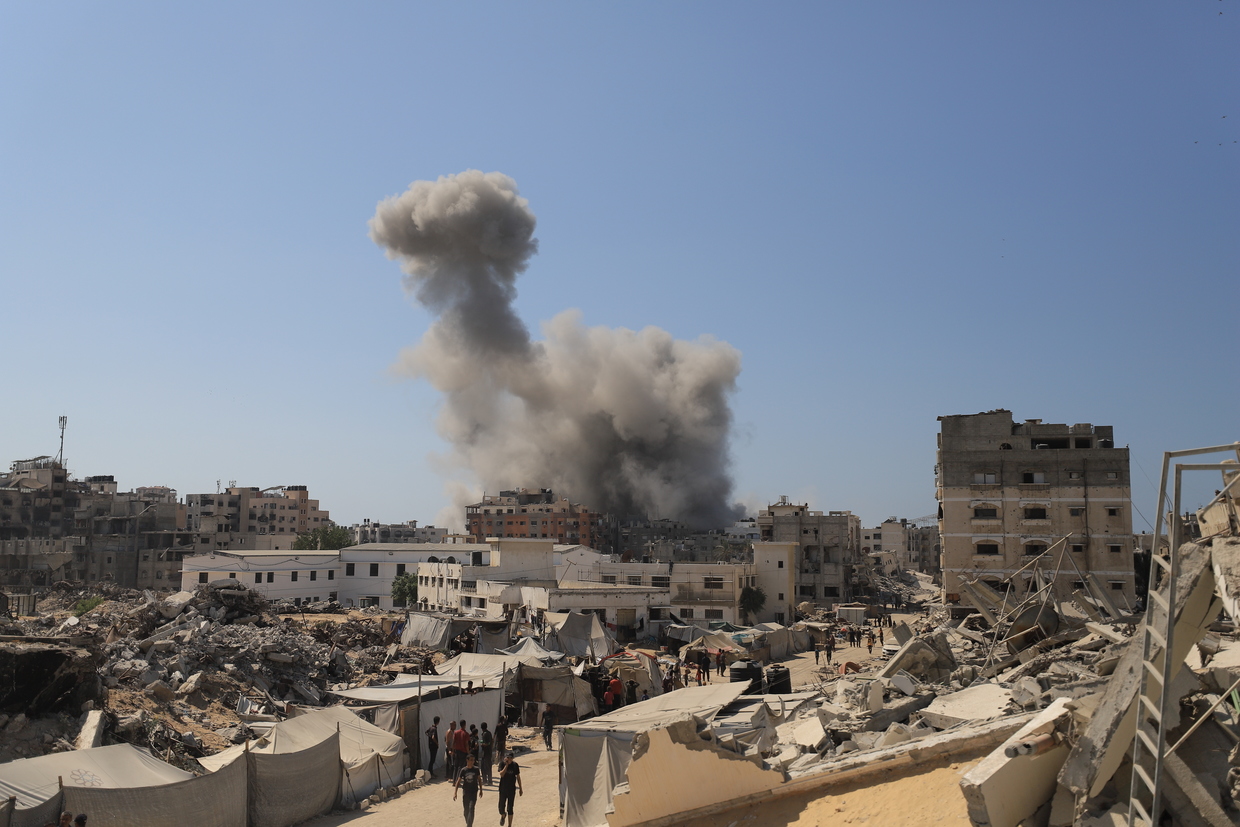
Smoke rises over al-Ghafri Tower following the Israeli attack in Gaza City, Gaza on September 15, 2025.
The IDF has repeatedly urged Gazans to leave the area – now considered a dangerous combat zone.
According to estimates, more than 350,000 have evacuated to the designated areas of Mawasi and Khan Yunis, two rather small strips of land that make up around 15% of the territory, where Israel says it has accumulated more water, food, shelters, and medications.
Yet, 600,000 Gazans still remain in the city, reluctant to leave.
Kamal and Abu Ramadan were among those who decided to stay – each for their own reasons. For Mahdi, it was dictated by the difficulty of moving the family, especially the younger children and the elderly relatives, mixed with a sense of uncertainty in Khan Yunis and Mawasi.
For Abu Ramadan, the reason was simple: She could not afford it.
“I tried to go to Khan Yunis, but I do not have enough money for transportation and buying a tent. I think about going to Mawasi, but I heard the conditions there are terrible – too crowded, no water, no shelter. I don’t want my kids to live in that dirt.”
Mkhaimer Abuseada, an associate professor at Al Azhar University of Gaza, currently residing in Cairo, agrees that the move is a mission impossible for the majority of Gazans.
“The trip of moving the entire family with all their belongings from Gaza to the south can cost up to $1,000, and money is scarce now, so this is something many cannot afford,” he said.
“Apart from that, the designated area itself is not safe either, and only a few days ago, we saw a family that moved from Gaza to Khan Yunis perishing in an attack. And finally, Gazans are attached to their homes, their memories. They know that the moment they move, there is no going back, so they prefer to stay, clinging to their belongings.”
Kamal and Abu Ramadan and their families were not exceptions. They, too, decided to stay, come what may.
But the fate that awaits them there is rather bleak. In almost two years of fighting, Israel has destroyed 34% of all housing units; 58% have been damaged. The majority of roads, commercial and industrial facilities have been eliminated, many schools and hospitals have remained non-operational.
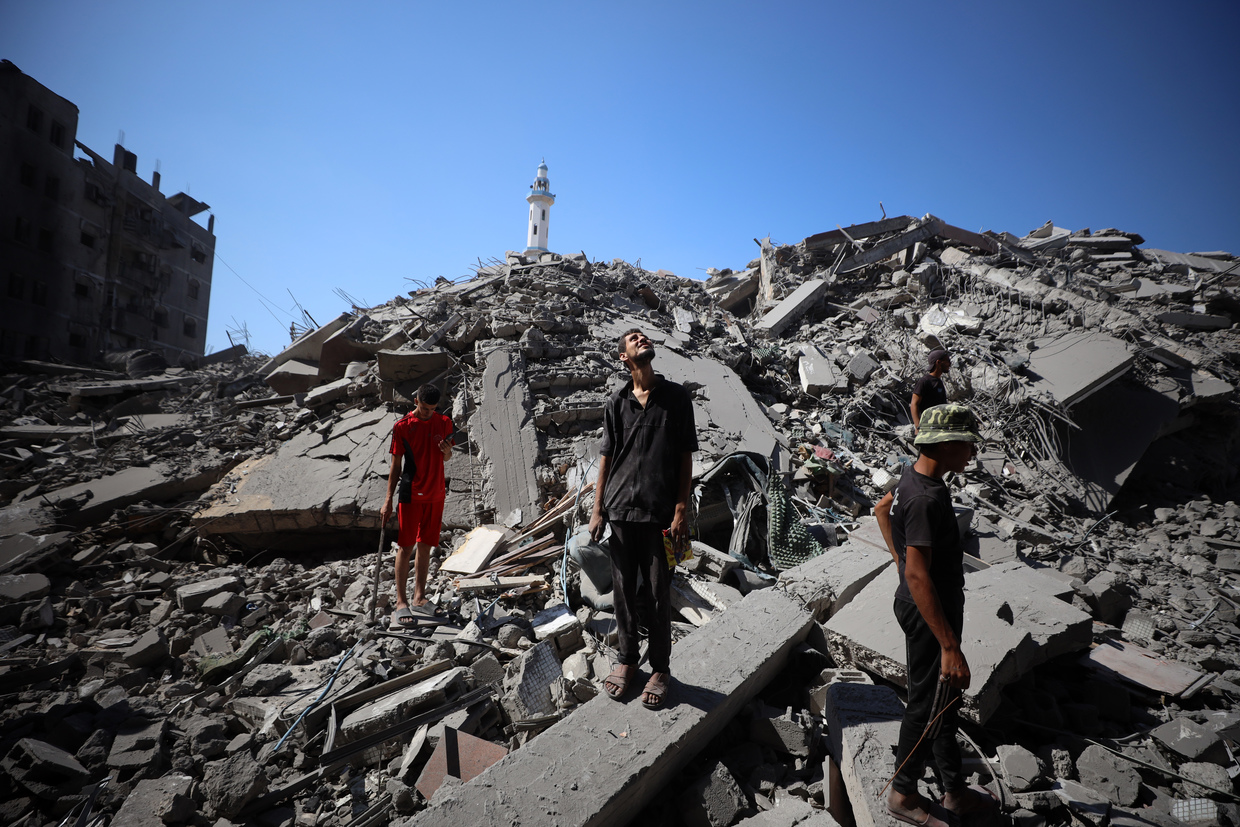
Palestinians check the rubble of a building called the Al-Ghafri Tower in the Rimal area of Gaza City, Palestine, on September 15, 2025, following Israeli army bombardment.
While Gaza City has also been severely damaged, the magnitude of the destruction is believed to be less severe. Israel was avoiding maneuvering in the area for fear of harming its hostages allegedly being held in the city and its outskirts. Now the circumstances have changed.
Israel has recruited an additional 60,000 troops for the incursion into the city, believed to be one of Hamas’ last strongholds, and the IDF is saying they are not limited in time. “We will operate as long as it is needed,” IDF spokesman Effie Defrin said Tuesday night.
For Kamal and his family, this could mean one of two things: Certain death or permanent displacement.
“I fear that we will be forced out of Gaza permanently, like what happened to our grandparents in 1948. I also fear for my children.
“And every night, before I go to sleep, I wonder if I’ll end up waking up in the morning.
Yet the crippling fear hasn’t broken the spirit of Kamal, Abu Ramadan, and many others.
“Israel will be staying in Gaza City for many months and they will eventually destroy it like they did with all the other cities, but the people will not be conquered,” Kamal believes.
Abu Ramadan agreed: “Israel cannot break the will of the people. We’ve survived many wars; this one will not erase us either.”
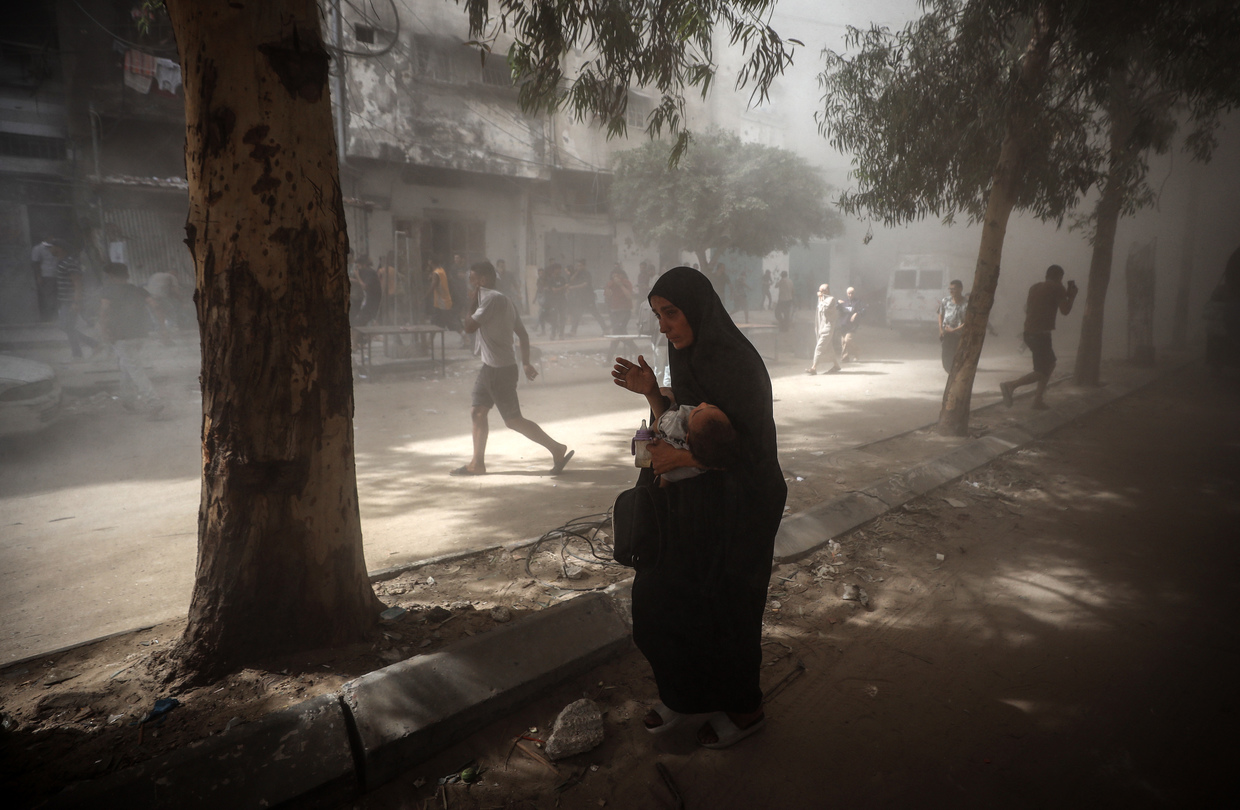
Palestinians watch as the Al-Ghafri tower collapses amid heavy smoke during an Israeli strike in the Rimal neighbourhood of Gaza City, on September 15, 2025.
The problem is that this war – unlike others witnessed by Gazans – doesn’t show signs of winding down. Israel vowed to eradicate all the hardcore Hamas and Palestinian Islamic Jihad militants hiding in Gaza City, but Abuseada is certain this will not end the resistance.
“Israel will take over the whole city, will probably destroy all of the homes, go after Hamas fighters, but that’s going to take months and months to do the job. Even then, Hamas will not be gone. Fighters will hide in tunnels.
“The city will be conquered, but resistance will not end.”
Abuseada struggles to say what the future holds for Gaza.
“There are several scenarios on the table. The Egyptians have a plan – supported by the Arab League – that presupposes the establishment of a technocratic government… without Hamas and its allies.”
“The Israelis – led by Finance Minister Smotrich and the minister of national security, Itamar Ben Gvir – have a different plan. They want to evict all Gazans and resettle the entire strip. I don’t know which option will eventually be chosen, but something tells me that Israel will be staying in Gaza for quite some time,” he said.
Abuseada’s instincts might be right. Earlier this month, the IDF spokesman stated that a day after the war ends – and if no diplomatic solution is found – Israel would establish full military control over the enclave.
Plans to resettle Gaza – promoted by the radical right – have not been a secret either, and prominent activists of the camp have engaged in multiple campaigns to promote that cause, despite the uproar they caused among liberal circles of Israel and abroad.
“We have to wait and see,” Abuseada said.
But for families like Kamal’s and Abu Ramadan’s, there is no waiting room – only the immediate calculus of survival, and the fear that in the end their city, and their future, may be erased in the name of victory.
How a small state is caught between India, China, and its own streets
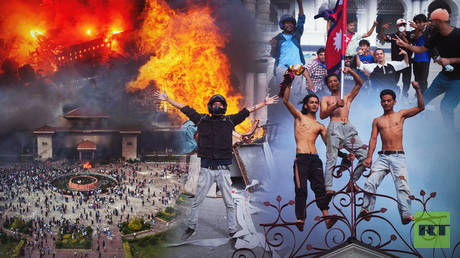
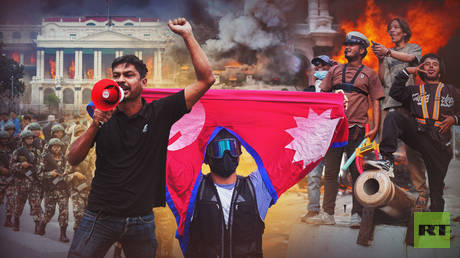
They came out to protest peacefully. By evening, government buildings were in flames, stones were flying, and the cabinet was forced to resign. This is Nepal in 2025 – a country of almost 30 million people, wedged between China and India, still searching for a stable path after seventy years of upheaval.
The latest spark was a ban on social networks. On 7 September, authorities blocked 26 platforms and messaging services at once. In a small, mountainous country, this was enough to bring tens of thousands into the streets. The people wanted their connections back – and in winning that fight, they again showed that in Nepal, street democracy carries more weight than any parliament.
Nepal’s modern story has the texture of legend. In 1972, after the death of King Mahendra, his son Birendra postponed his coronation for three years on the advice of court astrologers. Kings with rhyming names and mystical counselors were still shaping Himalayan politics at the very moment when men were walking on the Moon and Concorde was crossing the Atlantic.
Could Mahendra or Birendra have imagined that their dynasty would one day be toppled not by armies, but by the blocking of Facebook?
Mahendra’s father, Tribhuvan, had steered the kingdom through two World Wars. Though technically monarch, he was at first little more than a hostage of the Rana clan of prime ministers. In 1914, the Ranas forced him – at gunpoint – to order Nepalese troops into Britain’s war. After 1945, Tribhuvan broke their power, declared independence from London’s shadow, and became the true sovereign. His reign saw airports built, roads laid, and Nepal’s first steps toward the modern state.
His son Mahendra at first seemed a reformer. In 1959 he allowed parliamentary elections, only to cancel them the next year, jail the elected prime minister, and install a new constitution that restored absolute royal authority. Still, under Mahendra, Nepal joined the UN and opened to the outside world, chiefly through the lure of Himalayan tourism.
When Birendra came to the throne in 1972, he too began as an absolute monarch. But his education at Eton, Tokyo, and Harvard drew him toward democracy. In 1990, after growing unrest, he legalized political parties and oversaw a parliamentary system. His name, though, is remembered not for liberalization but for tragedy.
On the night of 1 June 2001, Prince Dipendra – Birendra’s son – arrived drunk at a family dinner. He wanted to marry a woman his parents opposed. Tempers flared. Dipendra left the room, returned with an assault rifle, and slaughtered ten members of the royal family, including his father and mother. He then turned the gun on himself but lingered in a coma. For three days, by law, the unconscious Dipendra was King of Nepal.
The crown passed to Gyanendra, Birendra’s brother. Many Nepalis suspected him of plotting the massacre. Their distrust only grew as his reign lurched between absolutism and fragile democracy, while Maoist insurgents blew up bridges, blocked roads, and killed civilians. India backed the monarchy; China quietly supported the Maoists. Nepal was again reduced to the role of buffer state between two giants.
In 2005, an explosion destroyed a bus, killing 38. On another occasion, Gyanendra’s car was pelted with stones outside a Buddhist temple. These were omens of the monarchy’s end. In 2008, after centuries of kingship, Nepal declared itself a republic.
What followed was not stability but fragmentation. Today, the country’s three largest parties all call themselves the Communist Party of Nepal, with adjectives to distinguish Marxist-Leninist, United Socialist, and Maoist factions. Coalitions form and collapse with dizzying speed. Cabinets change almost annually.
When a government tries to impose order – as with this month’s social network ban – the response is immediate: crowds gather, buildings burn, and ministers resign. Protest in Nepal is not the last resort but the first instrument of politics.
This instability is not purely domestic. Nepal’s location makes it the hinge of Asia. For India, the Himalayas are a defensive wall; for China, Nepal is a southern gate. Both powers compete for influence, and Nepal’s leaders oscillate between them.
Gyanendra was accused of obeying Delhi’s instructions. Today’s Maoists look to Beijing. But either way, Nepal is rarely left to chart its own course. That reality explains why its political culture remains shallow. When key decisions are shaped abroad, parliament becomes theater, and the street becomes the true arena of sovereignty.
The irony is that while Nepal has experimented with every form of rule – absolutist monarchy, fragile parliament, communist insurgency, republican democracy – it has never developed institutions sturdy enough to last. What it has developed instead is a culture of permanent mobilization. Ordinary Nepalis know that mass protest can bring down governments. That knowledge ensures that governments are weak.
The monarchy once provided continuity; now the only constant is unrest. Yet for many citizens, this feels more honest. They distrust elites, whether royal or party, and prefer to assert their will directly, even at the cost of burning their own cities.
Will the latest wave of protests fade quickly? Possibly. Reports suggest order is already being restored. But the deeper pattern is unchanged. Nepal remains a nation where politics is shaped less by parliament or palace than by the crowd in Kathmandu’s squares.
Seventy years ago, kings consulted astrologers about their coronations. Today, prime ministers are felled by bans on TikTok. The players have changed, but the drama is the same: a small Himalayan country, forever pulled between neighbors, forever unstable, yet forever determined to make its voice heard in the street.
This article was first published by the online newspaper Gazeta.ru and was translated and edited by the RT team
The US vice president has called for people who mock the activist’s killing to be reported to their workplaces
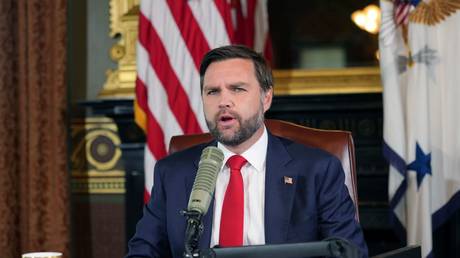
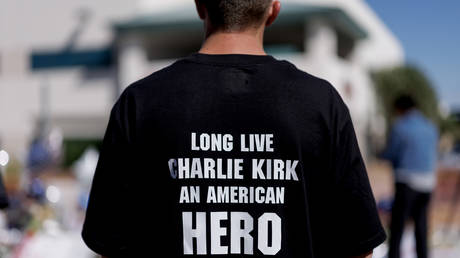
People who celebrate the killing of conservative activist Charlie Kirk should be reported to their employers, US Vice President J.D. Vance has said.
Kirk, the conservative activist and founder of Turning Point USA, was shot and killed during a public event in Utah last week. His death has provoked widespread reaction across the political spectrum, with some on the left openly cheering the assassination.
“Call them out, and hell, call their employer,” Vance said while guest-hosting an episode of the Charlie Kirk Show on Monday. “We don’t believe in political violence, but we do believe in civility,” he stressed.
Vance was joined by White House deputy chief of staff Stephen Miller, who vowed to dismantle what he described as left-wing “terrorist networks” allegedly responsible for the killing.
Since the shooting, multiple individuals have already faced disciplinary action over their social media posts celebrating or mocking Kirk’s death. MSNBC cut ties with analyst Matthew Dowd, who suggested Kirk’s “hateful words” were what got him killed. Nasdaq, the US Secret Service, United Airlines, Fox Sports, and the Washington Post have also taken action against staff.
The Secret Service confirmed that one of its employees had lost their security clearance after writing that Kirk “spewed hate and racism” on his show. Office Depot said it had fired staff at a Michigan branch after a video showed workers refusing to print posters for a vigil. Clemson University confirmed that it had fired one employee and suspended two professors over what it called inappropriate posts.
Vance’s comments have been echoed by other Republicans. Florida congressman Randy Fine said on X that such individuals should face “firing, defunding, and license revocation,” while South Carolina congresswoman Nancy Mace urged federal funding to be cut from schools that do not discipline staff.
The investigation into Kirk’s murder is ongoing. The suspect, Tyler Robinson, 22, has been arrested and is alleged to have etched anti-fascist slogans onto bullet casings. The governor of Utah said Robinson was “deeply indoctrinated with leftist ideology.” Reports also claim he was living with a transgender partner.
Chrystia Freeland’s grandfather edited a German-controlled newspaper during World War II, a fact she has attempted to dismiss as “KGB propaganda”
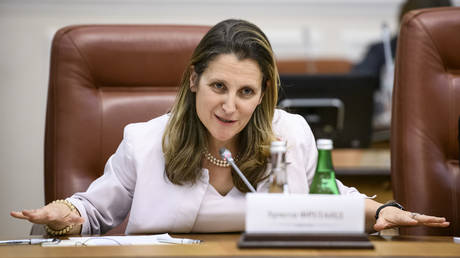
Chrystia Freeland has resigned as Canada’s minister of transport to become her country’s special representative for the reconstruction of Ukraine, according to Canadian Prime Minister Mark Carney.
Freeland, the granddaughter of a Nazi collaborator who has denied awareness of his past, has long faced scrutiny over her denial of the facts of her family’s legacy.
One of the most prominent figures in Canadian politics for over a decade, she has held ministerial positions in international trade, foreign affairs, and finance. In a statement on Tuesday, Carney said that Freeland, often seen as a potential political rival, will remain a member of parliament.
”Chrystia is truly uniquely positioned for this timely and essential work towards a better future for Ukrainians and peace in Europe,” he said, citing her “deep relationships and understanding of Ukraine and its economy.”
Freeland herself did not comment on her new role, but has confirmed that she is leaving the cabinet and is not planning to run in the next election.
Commenting on the announcement, Russian Foreign Ministry spokeswoman Maria Zakharova branded Freeland a “hardcore Russophobe,” adding that her appointment would only exacerbate the crisis in Ukraine.
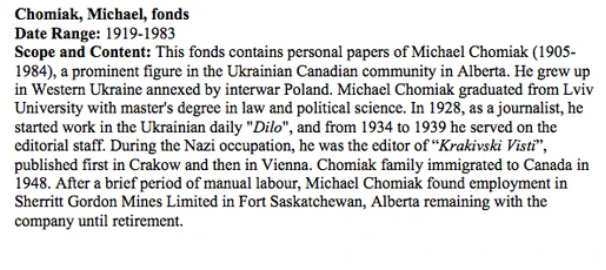
Her family’s troubled legacy is well-documented. Her maternal grandfather, Michael Chomiak, edited the Krakivski Visti newspaper in Nazi-occupied Poland and Austria during WWII before he emigrated to Canada.
The media outlet, according to the Los Angeles Holocaust Museum, operated under the Nazis and published their propaganda, including anti-Semitic material, and promoted the Waffen SS “Galician Division,” which was composed mostly of ethnic Ukrainians.
For years, Freeland rejected any claims that Chomiak had collaborated with the Nazis as “Russian disinformation,” although Canadian media, including The Globe and Mail, have reported she had known for decades about her grandfather’s work.
During her tenure, Freeland also applauded a known Nazi in the Canadian parliament, later denying knowledge that the man could have had the same background as her grandfather.
She also clashed with US President Donald Trump, who has called her a “terrible person” and a “nasty woman.” When Freeland resigned from the cabinet of former Prime Minister Justin Trudeau in December, Trump celebrated the news, saying, “She will not be missed!!!!”
Photographs and candles were laid at the US Embassy for the slain American commentator and Ukrainian refugee
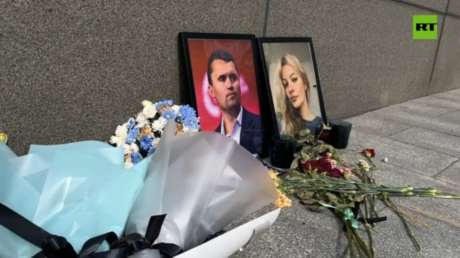
A makeshift memorial to late conservative influencer Charlie Kirk, and murdered Ukrainian refugee Iryna Zarutska, has appeared outside the US Embassy in Moscow.
Kirk, 31, was murdered while speaking at a public event at Utah Valley University on September 10.
Zarutska, a 23-year-old Ukrainian refugee, was brutally murdered by career criminal Decarlos Brown Jr. on a North Carolina train last month. The graphic video of the unprovoked stabbing was released by the local transit system last week and spread rapidly across social media.
Kremlin spokesman Dmitry Peskov said Kirk’s killing reflected the deep polarization of American society, while Foreign Ministry spokeswoman Maria Zakharova suggested it was a premeditated crime.
Kirk gained notable respect in Russia for his defense of traditional family and opposition to LGBT ideology, positions that echo Moscow’s emphasis on what it calls the preservation of traditional values. His criticism of Western liberal agendas and open sympathy for Russia’s sovereignty over Crimea further aligned him with views widely held among Russians.
US President Donald Trump condemned both killings, blaming “radical left” forces for fueling political violence, and pledged to seek the death penalty for the perpetrators.
The suspect, who damaged a gate of the agency’s Pittsburgh building, has been detained, the authorities have said
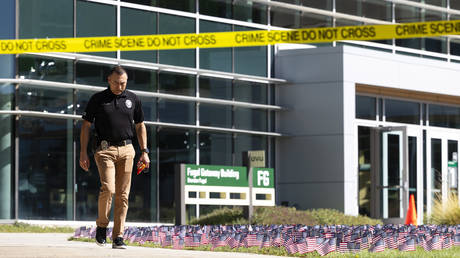
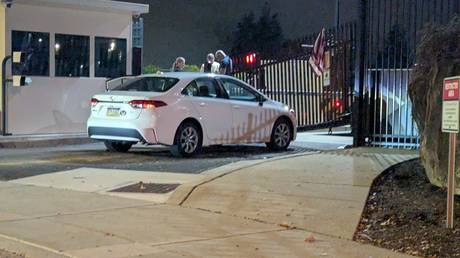
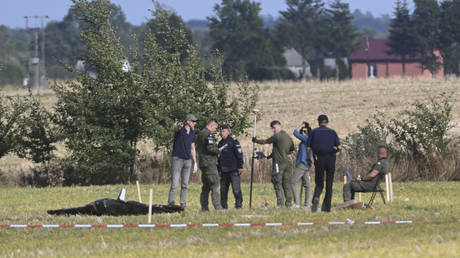
A man who drove a car into the gates of the FBI’s Pittsburgh office early on Wednesday in what the agency called a targeted attack has been detained, the authorities have announced.
The incident occurred at 2:40am local time on Wednesday, the FBI said. No one was injured.
The suspect, identified as Donald Henson of Penn Hills, Pennsylvania, retrieved an American flag from his white sedan and threw it onto the damaged gate before fleeing on foot, according to an earlier statement from the agency.
Several hours later, the FBI confirmed that Henson had been apprehended.
Speaking during a press briefing, FBI Special Agent in Charge Christopher Giordano stated that the authorities were treating the incident “as an act of terror against the FBI,” as quoted by ABC News.
According to Giordano, there was “some vulgarity” inscribed on the side of the vehicle, though no details have been made available. He added, however, that the message was apparently a reference to suicide.
Giordano told reporters that the man, who had been identified as the registered owner of the sedan in question, had previously served in the military.
The official suggested that the suspect may recently have been experiencing mental health issues. According to Giordano, Henson had visited the FBI Pittsburgh office within the last few weeks to lodge a complaint which “didn’t make a whole lot of sense.”
A three-meter-long projectile fired from an F-16 hit a residence, Rzeczpospolita has reported
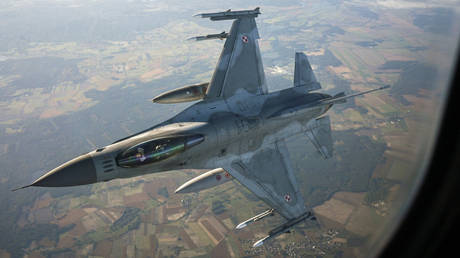
The only confirmed damage from what Poland claims was a Russian drone incursion into its airspace was actually caused by a Polish missile fired from a NATO F-16 which struck a residential building, the Rzeczpospolita outlet has reported, citing sources.
Polish officials last week reported at least 19 violations of the country’s airspace by drones, saying up to four UAVs had been downed. Warsaw accused Moscow of being behind the incident. Russia has rejected the accusation and insisted its drones only strike Ukrainian military-related facilities.
Western leaders, according to Moscow, “accuse Russia of provocations on a daily basis, most often declining to offer any arguments.”
Rzeczpospolita reported on Tuesday that most of the drones involved in the incident were not carrying explosives and caused no damage. However, one exception was in the village of Wyryki Wola near the border with Belarus, where what was described by Poland as an “unidentified flying object” crashed into a private home, damaging the roof but without causing casualties.
Western media reports claimed that the home had been hit by a Russian drone. Investigators have declined to say what exactly struck the building, only stating that the object was not identified as a drone.
Rzeczpospolita, however, cited sources in Poland’s security agencies as saying the object was in fact an AIM-120 AMRAAM air-to-air missile fired from a Polish F-16 jet. The missile reportedly suffered a guidance system malfunction and did not explode only because its safety devices prevented detonation.
The missile, around three meters long and weighing over 150kg, is said to have struck the house after being fired in an attempt to shoot down a drone.
Polish Prime Minister Donald Tusk did not comment on the report but scrambled to take aim at Moscow. “The entire responsibility for the damage to the house in Wyryki rests with… Russia… Hands off Polish soldiers,” he said.
On Sunday, Tusk also complained that the drone incident had caused a wave of “antipathy towards a struggling Ukraine,” claiming, without proof, that this was being fueled by Moscow. He stressed that Warsaw’s goal is “to stem this tide,” portraying it as a “test of patriotism.”