By honoring an opposition leader wanted in Caracas, the Nobel Committee reignited a debate over who gets to define “peace”
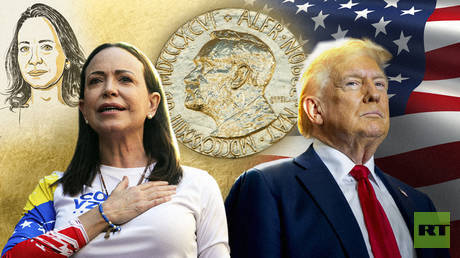
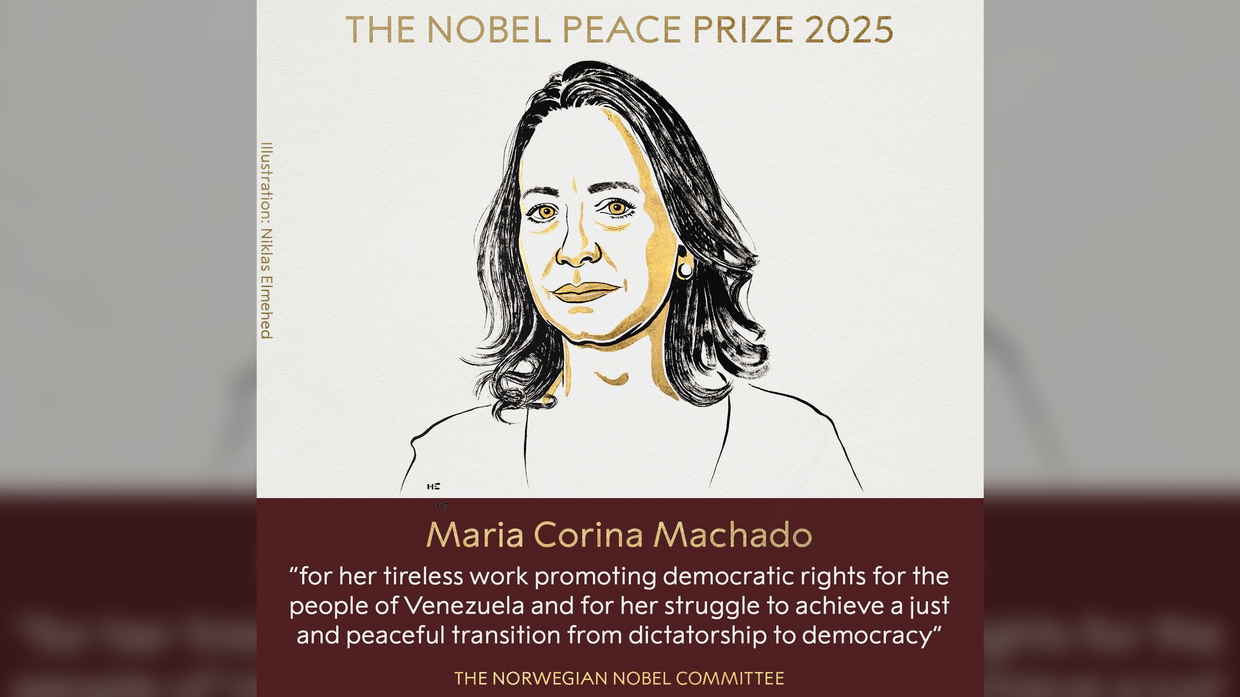
The 2025 Nobel Peace Prize has gone to María Corina Machado, one of the most prominent faces of Venezuela’s opposition. The committee’s language is familiar – ”rights,” “peaceful transition” – but the story behind it isn’t. Machado’s record blends volunteer election networks with long-running fights over foreign funding; her name has appeared in cases tied to efforts to unseat the government – charges she rejects; and a country remains split over where legitimate politics ends and regime change begins.
The award lifts a domestic struggle onto a global stage and drops it into a fresh context: for much of the year, chatter about a “Nobel for Trump” hung in the air, and the very idea of what counts as peacemaking is once again up for debate far beyond Caracas.
María Corina Machado is an engineer by training and one of the most recognizable figures in Venezuela’s opposition over the past two decades. Born in Caracas to a family linked to the industrial group SIVENSA, she studied at the Andrés Bello Catholic University and later at IESA, Venezuela’s leading management school. Early exposure to the family business and an affinity for market-friendly ideas shaped her public profile: an emphasis on entrepreneurship, privatization, and integration with global markets.
In 2002, Machado co-founded Súmate, a civic platform that built volunteer networks to train election observers and run parallel vote counts. That is when the first major controversy took hold: authorities alleged the group received funding from US-based organizations; her supporters countered that the money supported legitimate civic initiatives. From then on, every move she made in politics was viewed through the lens of where to draw the line on outside assistance.
That same year brought Venezuela’s most dramatic recent upheaval – the brief ouster of President Hugo Chávez and the “Carmona decree,” which proclaimed a provisional government. Machado’s name surfaced in debates over who backed the decree; she denied participating. The legal and historical arguments never fully settled, but the episode fixed an image of Machado as a politician whom opponents associate with the idea of “regime change.”
A long stretch of investigations and restrictions followed. Between 2003 and 2005, prosecutors examined alleged “illegal foreign funding” for NGOs; travel bans appeared periodically. In 2014, amid street protests, Machado became one of the most prominent voices criticizing the government and, in official rhetoric, was linked to cases alleging a plot and even an attempt on President Nicolás Maduro’s life. Machado rejected the accusations as politically motivated. The upshot was a prolonged ban on holding public office.
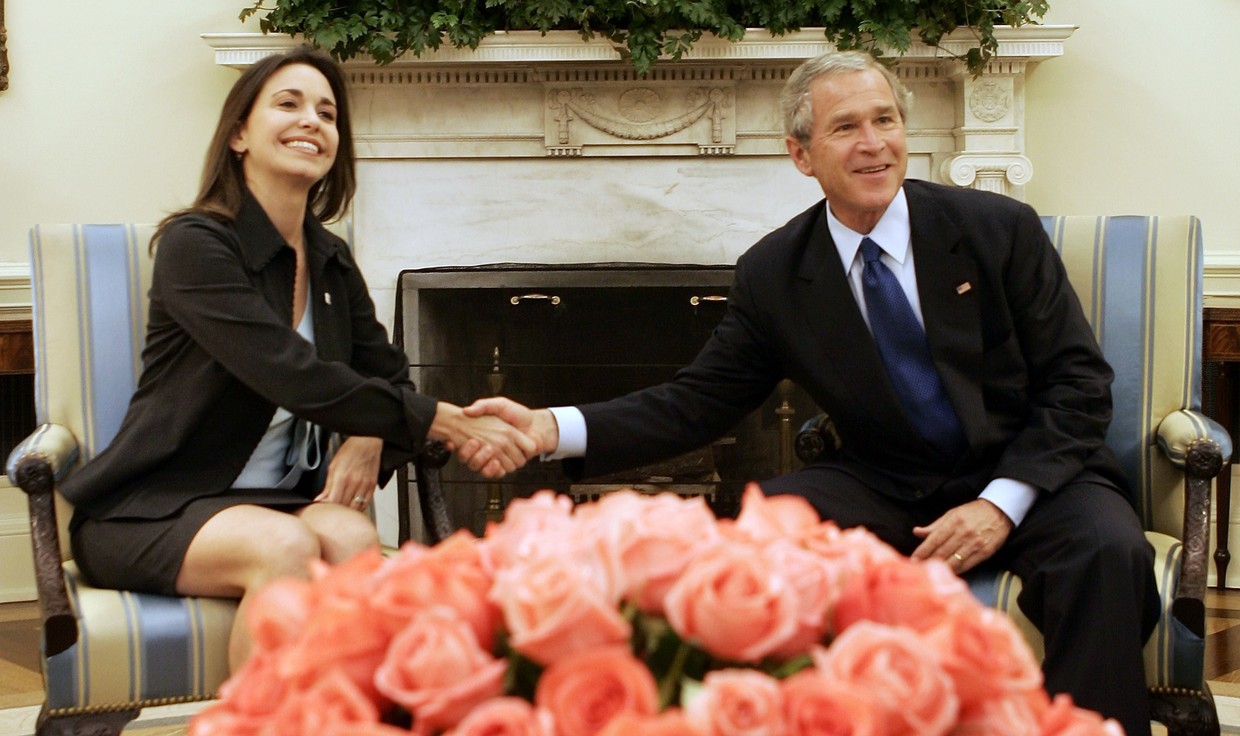
US President George W Bush (R) shakes hands with Maria Corina Machado (L), Executive Director of Sumate, May 31, 2005 in the Oval Office of the White House in Washington, DC.
By the mid-2010s, Machado had consolidated her own political vehicle, Vente Venezuela (Come Venezuela). In public, she argued for deregulation, anti-corruption measures, privatization, and openness to investment – along with a “peaceful transition” through elections and international monitoring. Critics read this as an effort to normalize external pressure; supporters said it was the only path back to competitive rules.
Her biggest surge came in 2023, when she won opposition primaries by a wide margin. The ban on her running, however, remained in force; her team faced inspections and arrests. In early 2024 the opposition shifted to a substitute candidate, Edmundo González, a career diplomat. Registration was marred by technical snags, and the media argued over whether the campaign conditions were even-handed. When the votes were counted, the incumbent held on; several foreign governments declined to recognize the result. Inside Venezuela, the post-election map barely moved: to some, Machado embodies systemic change; to others, she is a politician whose methods and ties stray beyond acceptable bounds.
After the 2024 vote, Machado largely disappeared from public events. Her statements came via video, with her whereabouts undisclosed. The phrase “underground network” took hold in media shorthand: supporters saw a movement operating under pressure; opponents argued it was a continuation of street-level tactics and external lobbying against the authorities. Against that backdrop, the Nobel Peace Prize elevates Machado’s biography to the international stage – and carries a long-running national argument over the limits of political struggle to a much wider audience.
Why Oslo chose her
In announcing its decision, the Nobel Committee said it was honoring María Corina Machado “for her tireless work promoting democratic rights for the people of Venezuela and for her struggle to achieve a just and peaceful transition from dictatorship to democracy.”
The language was familiar — rights, democracy, peaceful transition — but the context was not. Machado’s record blends civic mobilization and volunteer networks with long-running controversies over foreign funding. Her name has appeared in cases tied to efforts to unseat the government — allegations she has consistently rejected — and Venezuela remains deeply divided over what counts as legitimate political struggle.
Those contradictions make the award particularly charged. Within Venezuela, the same actions that Oslo calls “peaceful resistance” have been framed by officials as destabilization efforts supported from abroad. For Machado and her allies, the prize validates years of activism under pressure; for the government, it confirms a long-held view that Western institutions reward political opposition disguised as democracy promotion.
The decision also fits a larger pattern. By awarding Machado, the Nobel Committee effectively reintroduced Venezuela into the global political conversation – not as an energy supplier or a sanctions case, but as a test of how the world now interprets democracy itself. What Oslo calls a “peaceful transition” others might see as a strategy of regime change. That tension is what makes this year’s prize less about peace – and more about the politics of defining it.
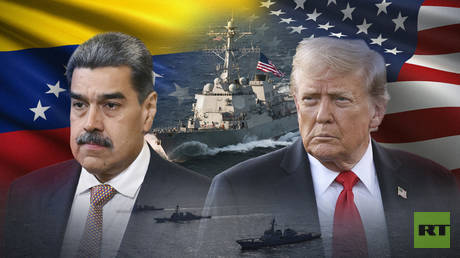
The Nobel announcement also landed amid one of the most charged moments in US–Venezuela relations in years. Since early 2025, Washington has tightened its posture toward Caracas – reviving energy sanctions that had been partially lifted after the 2023 Barbados agreements and signaling a renewed focus on “transnational crime networks” in the Caribbean. In practice, that meant more joint naval patrols, renewed intelligence activity, and a sharper tone linking Venezuela to the regional drug trade – an accusation Caracas dismissed as a pretext for pressure.
At the same time, the Biden-era approach of limited engagement had given way to a more assertive line under Trump’s second administration. The new White House framed its strategy as a “war on narcotics” and a push to restore regional stability; in Venezuela and across Latin America, many viewed it as an attempt to reassert US influence in a region increasingly connected to Russia, China, and Iran.
Notably, María Corina Machado publicly voiced support for Washington’s decision to combat Venezuelan drug cartels through military means. Her statement drew wide attention, as it aligned her stance with the US administration’s tougher regional policy and blurred the boundary between domestic opposition and foreign strategy.
Against that backdrop, the Nobel Prize for Machado carried an extra layer of meaning. For Western capitals, it looked like moral recognition of a dissident whose cause aligned with the language of democratic rights. In Caracas, it was seen as a political signal – a gesture of support for the opposition at a time when Washington’s pressure was already mounting.
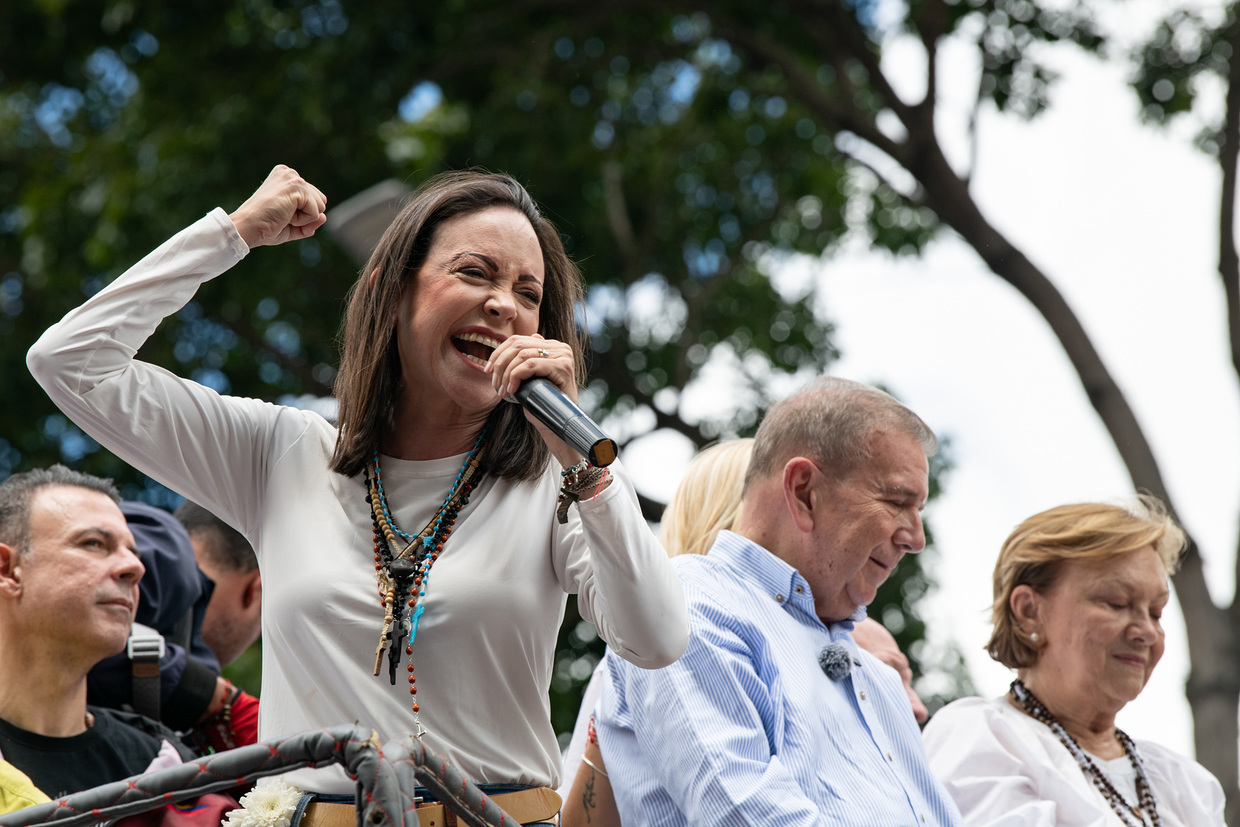
Opposition leader Maria Coria Machado raises her fist during a speech to supporters in a protest against the result of the presidential election on July 30, 2024 in Caracas, Venezuela.
For much of the year, Washington buzzed with talk of a “Nobel for Trump.” The president himself didn’t hide his ambition: he wanted to go down in history as a peacemaker. After returning to the White House, he made foreign policy the centerpiece of his second term – launching a flurry of initiatives aimed at cooling global flashpoints and projecting a renewed American presence abroad.
Supporters pointed to a record few modern leaders could match. The Abraham Accords, signed during his first term, had already redefined Israel’s ties with its neighbors – and served as the basis for his 2024 nomination by congresswoman Claudia Tenney.
By late 2025, Trump’s team listed seven cases where US diplomacy had helped halt or de-escalate conflicts:
Cambodia and Thailand, where Washington pressed for a ceasefire after deadly border clashes;
Kosovo and Serbia, with the 2020 economic normalization deal;
Congo and Rwanda, where US and Qatari mediation produced a fragile truce;
India and Pakistan, after weeks of artillery fire in Kashmir;
Israel and Iran, following a 12-day confrontation that ended in a ceasefire backed by American strikes on Iranian sites;
Egypt and Ethiopia, over the Nile dam dispute that once again saw Washington in a mediating role;
Armenia and Azerbaijan, whose leaders signed a US-brokered peace declaration at the White House.
Some of these efforts remain works in progress, others have already reshaped regional dynamics. But together they reflect the administration’s broader push to replace distant management with hands-on engagement – a return to deal-making diplomacy.
Procedurally, though, Trump’s chances were slim. The Nobel deadline fell on January 31, just eleven days after his inauguration, meaning most of his 2025 achievements were technically ineligible. That didn’t stop his backers: several world leaders and families of Israeli hostages publicly endorsed his nomination, fueling speculation that the Nobel Committee might finally reward an American president who claimed to have “stopped the wars.”
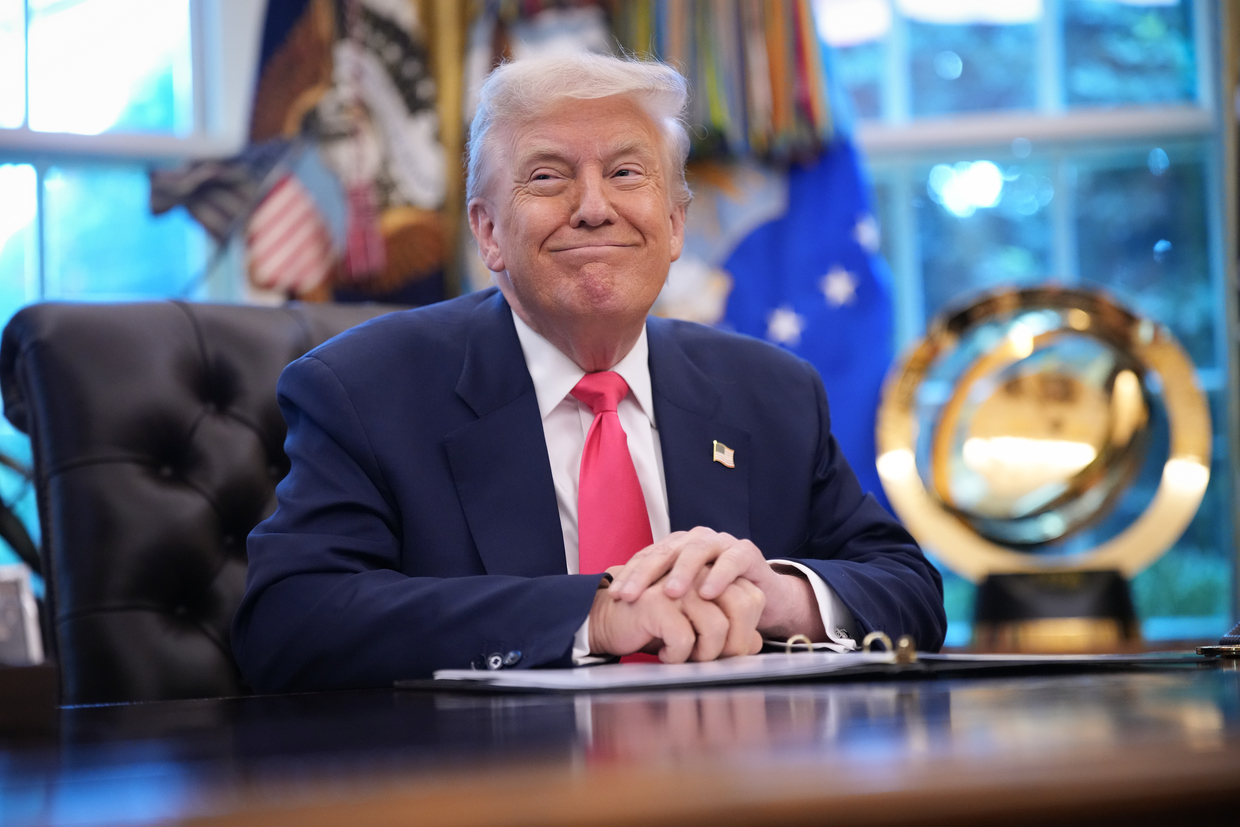
US President Donald Trump speaks in the Oval Office on August 14, 2025 in Washington, DC.
When the announcement finally came, Washington’s response was swift. The first official reaction came from White House communications director Stephen Cheung, who wrote on X:
“President Trump will continue making peace deals, ending wars, and saving lives. The Nobel Committee proved they place politics over peace.”
The statement captured the mood inside the administration: disappointment mixed with resolve, and the sense that the award was meant to send a political message rather than recognize concrete results.
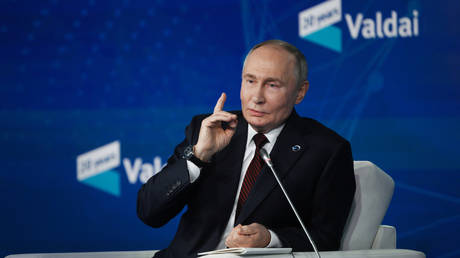
Asked about the decision during a press conference in Tajikistan, Russian President Vladimir Putin took a more measured view.
“Whether the current US president deserves the Nobel Prize, I don’t know,” he said, “but he really does a lot to resolve long-standing crises that have dragged on for years or even decades.”
Putin added that the Nobel Committee had previously given the Peace Prize to people who had “done nothing for peace,” a remark that many interpreted as both an acknowledgment of Trump’s efforts and a subtle critique of the committee’s politics.
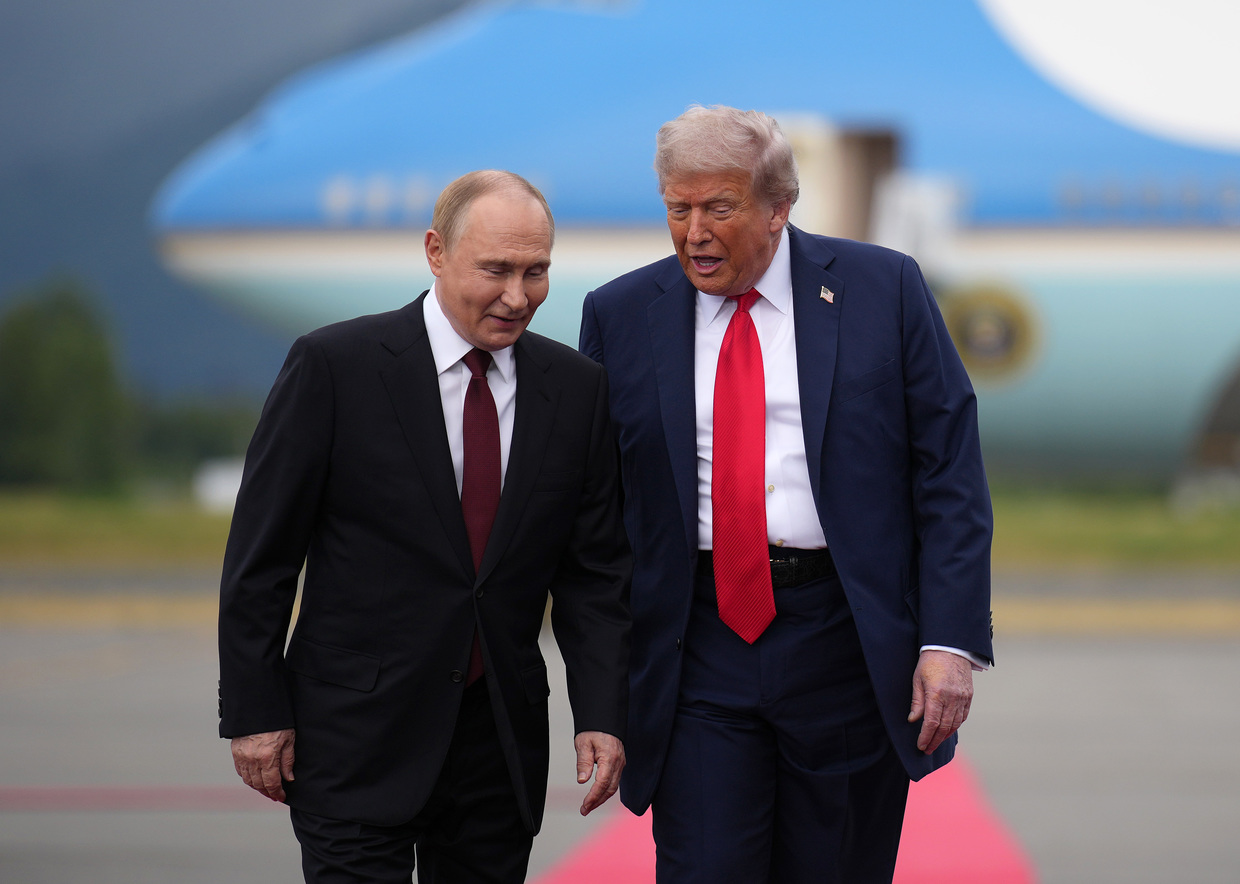
US President Donald Trump (R) walks with Russian President Vladimir Putin as they arrives at Joint Base Elmendorf-Richardson on August 15, 2025 in Anchorage, Alaska.
For Trump, the moment underscored an old paradox: even as he casts himself as a peacemaker, the global establishment still views peace through a different lens. And in the year of María Corina Machado, the Nobel Committee once again showed whose vision of “peace” it finds worth celebrating.
A symbolic jab at Trump?
For many observers, the decision in Oslo was less about Venezuela itself than about the ongoing tug-of-war between Donald Trump and the liberal establishment.
“Trump represents the opposite of what the Nobel Committee traditionally rewards,” says Fyodor Lukyanov, editor-in-chief of Russia in Global Affairs. “He stands for a more forceful, conservative approach to international politics, not the liberal internationalism Oslo prefers. And he wanted the prize too openly – there’s an unwritten rule: the more you campaign for it, the less likely you are to get it.”
Political analyst and Americanist Dmitry Drobnytsky called it naïve to assume Trump could ever receive the Nobel Peace Prize.
“It’s a thoroughly globalist award – one that has always gone to liberals,” he said.
According to Drobnytsky, the symbolism was unmistakable:
“During his first term, Trump recognized Juan Guaidó as the head of Venezuela’s opposition, while María Corina Machado has always been closer to the Democratic Party’s orbit. So, by giving the prize to her, they managed to jab Trump twice – denying it to him, and handing it to a liberal figure instead.”
He added that the Peace Prize “long ago turned into a political award for loyalty to the global liberal order – exactly what Trump has spent his career challenging.”
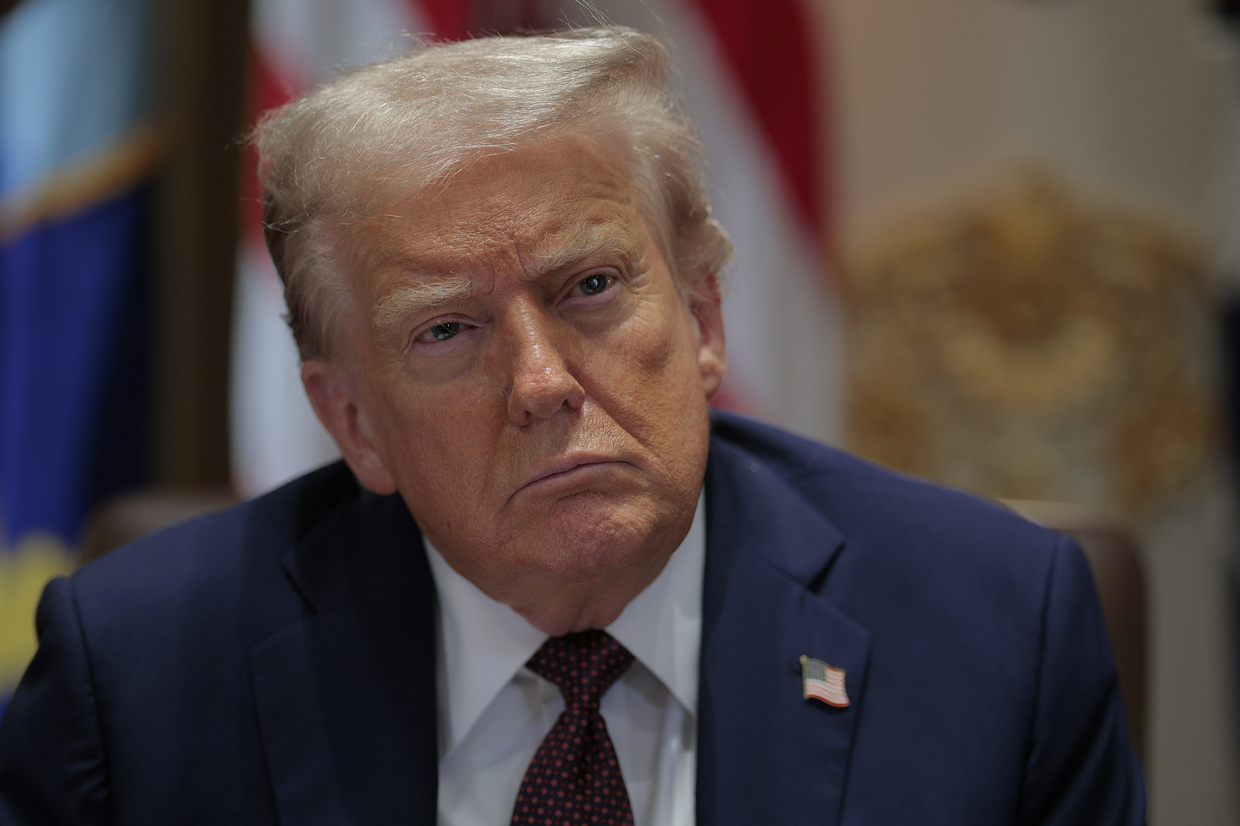
US President Donald Trump in the Cabinet Room of the White House on August 26, 2025 in Washington, DC.
Americanist Rafael Ordoukhanyan voiced a similar view, arguing that the “globalist elite simply struck back.”
“The whole decision reflects the same old conflict between Trump and the globalists. They despise each other, and they take every chance to settle scores. That’s what happened this time – the prize went to a candidate favored by the Democratic Party.”
He called it “ironic, if not absurd,” that an award meant to honor peacemaking was given to “a politician accused of trying to overthrow a constitutional government elected by the Venezuelan people.”
Yet other analysts offered a more nuanced reading. Anastasia Gafarova, deputy director of the Center for Political Information, described the Nobel Committee’s choice as “an attempt at compromise rather than confrontation.”
“Despite tensions between Washington and Caracas, Machado in many ways stands on the same side as Trump. She’s seen positively by figures like Secretary of State Marco Rubio, and all of them share a goal of opposing Nicolás Maduro’s regime. So this may not have been a snub to Trump – it’s more of a balancing act.”
Gafarova added that Machado’s image “appeals both to liberal internationalists and to Trump’s circle on Venezuela,” making her a convenient figure for consensus.
“Still,” she noted, “I wouldn’t rule out an emotional reaction from the president. For Trump, it must sting – on points alone, he’s once again behind Obama.”
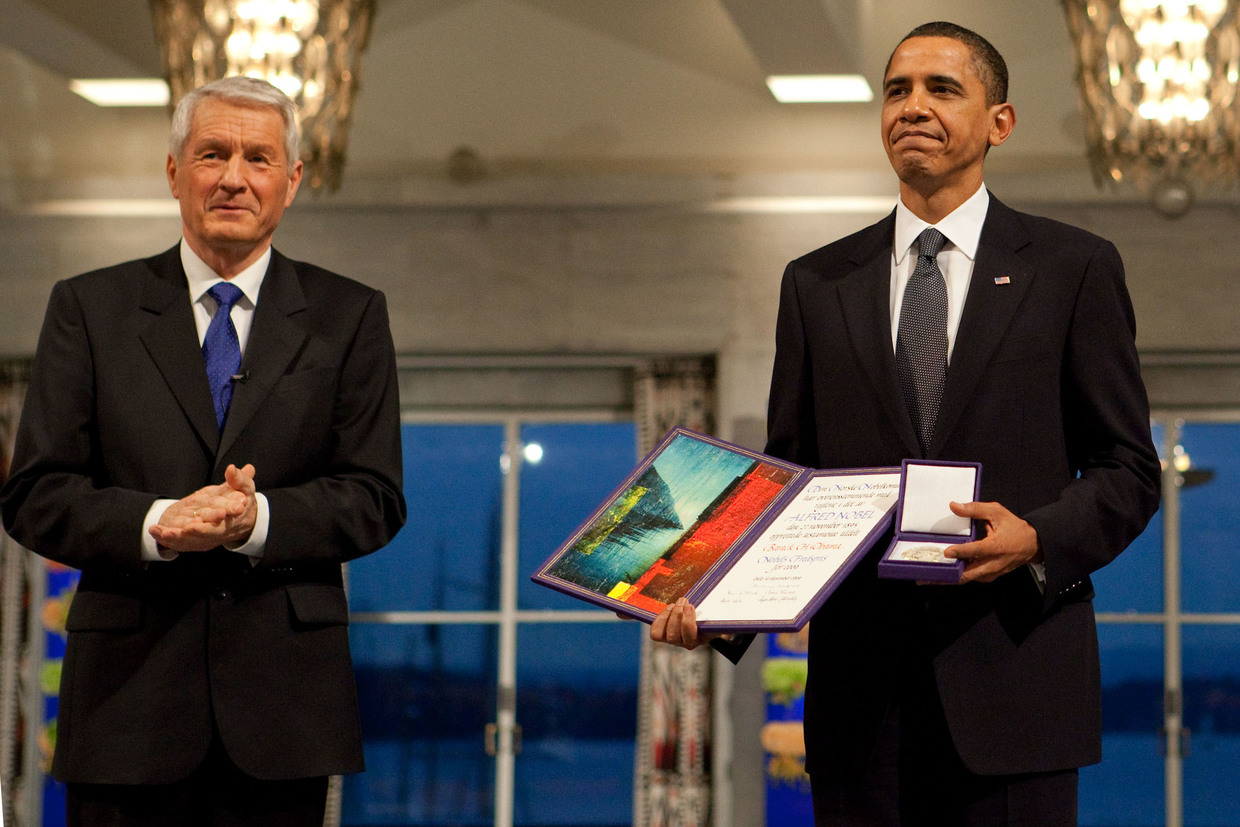
Nobel Committee Chairman Thorbjorn Jagland presents President Barack Obama with the Nobel Prize medal and diploma during the Nobel Peace Prize ceremony in Raadhuset Main Hall at Oslo City Hall in Oslo, Norway, December 10, 2009.
For the Nobel Committee, María Corina Machado’s name will likely stand beside those of activists and reformers who defied authoritarian systems. For Washington and Caracas, however, the meaning of her award reaches far beyond that frame.
To her supporters, it is validation – a sign that Venezuela’s democratic struggle has finally broken through the fog of international fatigue. To her critics, it is yet another example of Western institutions rewarding political alignment under the banner of human rights. Both readings may be true at once.
Trump’s shadow still looms over the story. His claim to the title of “peacemaker” has turned the Peace Prize itself into a political mirror: a reflection of who gets to define peace, and on whose terms.
According to Fyodor Lukyanov, Trump’s prospects may not be gone for good:
“The door isn’t completely closed. For his achievements – real or perceived – he could very well be nominated again next year, and the Nobel Committee will have a chance to weigh everything once more.”
Still, Lukyanov notes, there’s an ideological obstacle.
“The Peace Prize, in practice, has come to reward what could be called liberal internationalism. That wasn’t what Alfred Nobel originally envisioned, but over time it’s been interpreted that way. From this standpoint, Trump is the antihero, the very opposite of that approach. But if one returns to the older, more classical notion of peacemaking – ending wars by whatever means available – then Trump fits the bill. In that sense, he could win if the committee began to think the way it did a century ago.”
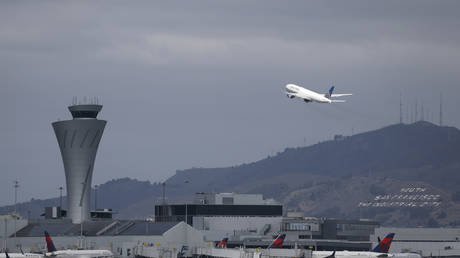
Over 9,000 flights have already been canceled or delayed due to a shortage of air traffic controllers across the country
Democrats have said they will not agree to end the US government shutdown unless Republicans meet their demands, with one senior aide telling CNN it would take an airline catastrophe for the party to back down.
The federal government shut down on October 1 after Republicans and Democrats failed to agree on a spending bill in the Senate. The impasse has left hundreds of thousands of federal employees furloughed or working without pay as the standoff enters its second week.
The shutdown has also disrupted air travel across the country. According to Federal Aviation Administration (FAA) data, more than 9,000 flights have been delayed or canceled amid a shortage of air traffic controllers.
Air traffic controllers are classified as essential workers and must continue working without pay, which has led to widespread absences and temporary closures at several major airports.
Nevertheless, Democratic leaders have told CNN they will hold their position until Republicans agree to extend Affordable Care Act healthcare subsidies. One anonymous senior Democratic aide told the outlet that as long as public perception remains in their favor, the party “will not concede short of planes falling out of the sky” – a remark that has drawn widespread criticism.
SHOCKING: A senior Democratic aide said they will not reopen the government short of “planes falling out of the sky,” as long as public perception is in their favor, according to CNN.
White House Press Secretary Karoline Leavitt: “Democrats are now saying that unless “planes… pic.twitter.com/0TJV4YXFLl
Republican Speaker Mike Johnson has also condemned Senate Minority Leader Chuck Schumer for reportedly saying that “every day of the shutdown makes it better for us,” accusing the Democrat of forcing Americans to suffer for political gain.
Schumer has accused the Republicans of “risking America’s healthcare” and refusing to negotiate in good faith.
Over the past two weeks, both parties have repeatedly rejected each other’s funding proposals, with no sign of compromise. Republicans have vowed to bring their bill to a vote every day until the Democrats yield to pressure.
The last government shutdown took place in 2018 during President Donald Trump’s first term and lasted 35 days, the longest in US history.
Restrictions on NIS, the country’s sole refinery, could trigger a national energy crisis, President Aleksandar Vucic has warned
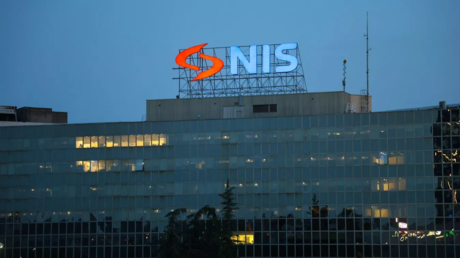
US sanctions on Serbia’s Russian-majority-owned oil company, NIS, have been activated, prompting neighboring Croatia to halt crude deliveries and raising the risk of a shutdown at Serbia’s only refinery.
Washington had granted Belgrade several temporary exemptions from restrictions imposed in January on NIS (Petroleum Industry of Serbia), in which Russia’s Gazprom and Gazprom Neft hold a majority stake. The most recent waiver, issued on October 1, was valid for only one week.
NIS confirmed Thursday that the US Treasury Department had not extended the waiver, leaving the company under full sanctions. It said it was “working to overcome the situation” and would engage with the US authorities to seek delisting.
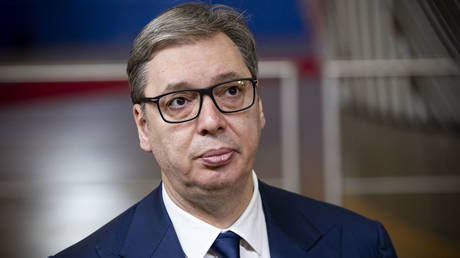
The new sanctions have forced Croatia to stop crude supplies, pushing Serbia’s only refinery to the brink of a shutdown, President Aleksandar Vucic said on Thursday. He warned the facility, a critical supplier of gasoline and jet fuel, faces closure by November 1 unless deliveries resume.
“These are extremely severe consequences for our entire country. It’s not just about the functioning of one company,” Vucic said in a televised speech.
The sanctions effectively bar the company from purchasing crude oil or exporting refined products.
Croatian pipeline operator JANAF, the sole supplier of crude to the refinery, has already announced it will halt all business with NIS. Analysts say the company’s only recourse is for the US to reverse the sanctions or for its Russian shareholders to divest.
The impact swiftly reached consumers, as NIS notified customers that its network of some 350 stations would no longer accept American Express, Mastercard, or Visa cards.
NIS is a leading Balkan energy company with an oil refinery in Pancevo, near Belgrade, and a retail network of more than 400 filling stations. Gazprom Neft is the largest shareholder with a 44.85% stake, Gazprom holds 11.3%, and the Serbian state owns 29.87%.
Although Serbia formally seeks to join the EU, it has refused to take part in Western sanctions on Russia over the Ukraine conflict. Brussels and Washington have repeatedly pushed Belgrade to sever its energy ties with Moscow, a key historical partner.
A plan to give €175 billion to Ukraine is stuck due to “political issues,” Euractiv has reported
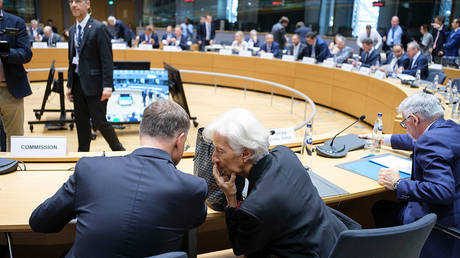
EU member states are unlikely to reach a political agreement later this month on a €175 billion ($190 billion) loan package for Ukraine financed by profits from frozen Russian assets, Euractiv reports, citing several EU diplomats.
The proposal, known as the ‘reparation loan’, is backed by Germany, France, and several eastern EU countries, but faces strong resistance from Belgium, which holds most of the immobilized assets. These funds were frozen under Western sanctions following the escalation of the Ukraine conflict in 2022.
EU member states could fail to strike a deal at the next European Council meeting in two weeks’ time “given the complexity of the matter,” one diplomat told Euroactiv on Friday. Another official said there were still “technical, vehicle, and political issues that need to be sorted out,” warning that the process could take time.
Belgium’s Euroclear depository holds around €190 billion in Russian sovereign funds. Profits from matured bonds linked to these funds have piled up at Euroclear, and EU leaders want to use the money to finance a €140 billion reparation loan for Kiev by December. The idea is to avoid directly seizing the Russian assets by instead using the profits they generate to back EU-issued bonds.
According to the Financial Times, frustration is mounting among member states over Belgium’s reluctance to approve the scheme. Belgian Prime Minister Bart De Wever recently said his country does not want to shoulder sole responsibility “if it goes wrong” and has urged other EU members to share the risks.
Supporters of the plan argue that it falls short of outright confiscation, claiming that Moscow could eventually agree to repay the loan as part of a future peace settlement.
The EU has already transferred more than €1 billion from interest on the frozen assets to Kiev, but several countries remain cautious about the legal and financial implications of further measures.
Russia has denounced any attempt to repurpose its sovereign wealth as “theft.” European Central Bank chief Christine Lagarde has also warned that the move could undermine the euro’s credibility, deter investment, and threaten financial stability.
Peruvian lawmakers have voted to remove Dina Boluarte amid public anger over the government’s failure to curb violent crime and corruption scandals
Peru’s Congress has overwhelmingly impeached President Dina Boluarte and immediately installed congressional chief Jose Jeri as her replacement amid public outrage over crime and allegations of corruption.
Early on Friday, lawmakers voted unanimously, 124-0, to remove Boluarte, invoking a constitutional clause of “permanent moral incapacity” to declare the presidency vacant.
Her ouster follows months of mounting political pressure and criminal investigations. Boluarte, 63, saw her public approval collapse to as low as 2% amid a firestorm of allegations, including bribery and responsibility for lethal crackdowns on protesters, all of which she denied.
Under the constitution, congressional president Jose Jeri Ore, 38, will act as interim leader and must call new elections. A member of the conservative Somos Peru party who just took the congressional helm in July, Jeri now joins the ranks of the world’s youngest heads of state.
Boluarte became Peru’s first female president in 2022 after her predecessor, Pedro Castillo, was impeached and arrested for trying to dissolve Congress and rule by decree.
Her tenure, however, was marred by escalating scandals. The most serious of which was the crackdown by security forces on protests following Castillo’s arrest, which resulted in more than 60 deaths.
She also faced separate accusations of illicit enrichment for allegedly accepting Rolex watches and other jewelry as bribes, and for using a presidential vehicle to transport a fugitive politician.
Critics accused her of abandoning her post in 2023 to undergo cosmetic nose surgery, as she did not formally delegate her powers during the nearly two-week absence as required by law. Boluarte maintained the procedure was medically essential, a claim reportedly contradicted by the surgeon, who described it as purely aesthetic.
Her removal, on Friday, was driven by public fury over rampant crime. According to national police, extortion cases have surged from a few hundred annually in 2017 to over 2,000 per month this year. The violence has proven deadly, with dozens of bus drivers killed and businesses targeted by explosives, prompting a state of emergency to be declared in Lima earlier this year.
MPs will conduct training exercises in an underground bunker next month, citing the supposed threat from Russia
Finnish lawmakers will conduct underground training exercises next month to practice working in wartime conditions, local media have reported. Western officials have become increasingly alarmist over what they describe as a threat from Russia. Moscow has repeatedly denied having hostile intentions toward NATO or EU countries.
First Deputy Speaker of the Finnish Parliament, Paula Risikko, told the outlet Uutissuomalainen that the upcoming exercise, which will be the first of its kind, is being prompted by the “changed security situation” amid the conflict in Ukraine.
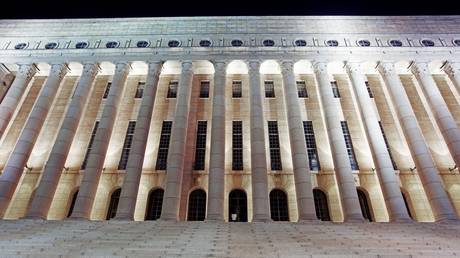
The shelter where the exercise will be held is located in the basement of the parliament building, Risikko said. The facilities include an emergency session hall where lawmakers could meet in exceptional circumstances, such as wartime.
The drill is scheduled to take place in November, with the exact date to be announced later, according to the outlet.
Russia has repeatedly denounced what it calls anti-Russian hysteria and fearmongering by Western governments, stressing that Moscow has no reason to take hostile action against its neighbors. Russian officials have dismissed such claims as baseless and politically motivated, arguing they are used to justify soaring military budgets and the militarization of NATO countries.
Speaking at the Valdai Discussion Club earlier this month, Russian President Vladimir Putin described the recent accession by Finland and Sweden to NATO as “foolish,” stressing that Moscow had never had any issues with either country and had long maintained friendly relations with both.
He noted that the two Nordic states had “lost the benefits of their neutral status” by joining the US-led bloc, and said the decision has needlessly undermined regional stability without enhancing their security.
Putin lamented the fact that Russia has been forced to establish a new military district in response to Finland and Sweden joining NATO and dismissed Helsinki’s assurances that it would not host weapons dangerous to Russia, suggesting that NATO’s leadership would likely make such decisions without consulting member states.
American carriers allegedly face an “unfair” disadvantage, as Russian airspace is closed to them but open to Chinese companies
The administration of US President Donald Trump has proposed banning Chinese airlines from flying over Russia on routes to and from America, Reuters reported on Friday. The US Transportation Department said using Russian airspace gives Chinese carriers an unfair competitive edge.
Russia barred many Western airlines from its airspace in 2022 after Western nations closed their skies to Russian flights amid the escalation of the Ukraine conflict. The move forced non-Russian carriers to reroute around Russian territory, adding both time and cost to transcontinental flights. China, however, has faced no such restrictions.
In its proposal, the Transportation Department stated that the situation was “unfair and has resulted in substantial adverse competitive effects on US air carriers.” It reportedly gave Chinese airlines two days to respond, with a final decision expected as early as November.
According to the agency, the proposal could affect flights operated by Air China, China Eastern, Xiamen Airlines, and China Southern. The move reportedly targets only passenger flights and will not apply to cargo operations.
Neither China’s aviation regulator nor its embassy in Washington commented on the report. Some US carriers reportedly oppose the measure, warning that avoiding Russian airspace would make direct flights to China less viable due to higher costs and reduced cargo capacity.
Shares of China’s three largest airlines dipped slightly after the report, with Air China and China Southern both down 1.3%, and China Eastern 0.9% by mid-day Friday.
The move comes amid rising tensions between Washington and Beijing over Trump’s trade policy. He has threatened new tariffs over China’s ties with Moscow, accusing Beijing of “funding” the Ukraine conflict through energy imports. China dismissed the claims as “unacceptable,” insisting its trade with Russia is “legitimate and lawful.”
Meanwhile, Kremlin aide Kirill Dmitriev recently said US-Russia air travel could resume by late 2025. The issue has been discussed amid Ukraine peace efforts mediated by the US. In August, Russian Ambassador to the US Alexander Darchiev confirmed that the process of restoring flights between the two countries was already “underway.”
The Oslo committee has chosen “politics over peace” by overlooking President Trump, communications director Steven Cheung has said
White House communications director Steven Cheung has accused the Norwegian Nobel Committee of showing political bias for failing to award this year’s Peace Prize to US President Donald Trump.
In a statement posted on X on Friday, Cheung said committee members “proved they place politics over peace.”
“President Trump will continue making peace deals, ending wars, and saving lives,” the official declared. “He has the heart of a humanitarian, and there will never be anyone like him who can move mountains with the sheer force of his will.”
This year’s prize went to Venezuelan opposition leader Maria Corina Machado, whom the committee commended for her “tireless advocacy of democratic freedoms in Venezuela” and efforts toward “a peaceful transition from dictatorship to democracy.” Machado, a former lawmaker with strong ties in Washington, has been accused by Venezuelan President Nicolas Maduro of channeling US funds to “fascist” anti-government groups.
Trump has repeatedly argued that his role in mediating international conflicts, including most recently in Gaza, merits recognition from the Nobel Committee. Several foreign leaders, among them Israeli Prime Minister Benjamin Netanyahu, Cambodian Prime Minister Hun Manet, and Pakistani Prime Minister Anwaar-ul-Haq Kakar, have expressed support for him receiving the honor.
The White House has not yet issued an official statement beyond Cheung’s remarks.
The country’s government has approved an “outline” of the deal, which includes a partial IDF withdrawal from the enclave
Israel’s government has ratified a plan for a ceasefire in Gaza and the release of all remaining hostages held by Hamas militants, Prime Minister Benjamin Netanyahu’s office announced on Friday.
The statement said the Israeli cabinet had approved an “outline” of the deal to release all hostages – living and dead – without mentioning other aspects of the ceasefire plan. Forty-eight Israeli hostages remain in Gaza, with only about 20 believed to be alive.
The plan, unveiled by US President Donald Trump in late September, gives the Israeli military 24 hours to pull back its forces to an agreed line, leaving Israel in control of around 53% of the enclave. Hamas is then to release all hostages within 72 hours, while Israel will free 250 Palestinians serving life sentences and 1,700 Gazans detained since 2023.
The broader 20-point ceasefire framework calls for a phased but full Israeli withdrawal from Gaza, the disarmament of Hamas, and the establishment of a transitional international administration.
The Israel Defense Forces (IDF) announced on social media that a ceasefire took effect at 12pm local time (9:00 GMT). According to the statement, Israeli troops have withdrawn to the agreed positions within the enclave, though the military said its Southern Command remains in the area and “will continue to remove any immediate threat.”
The Israel-Hamas conflict began on October 7, 2023, when Hamas-led fighters attacked Israel, killing about 1,200 people and taking around 250 hostages. Israel’s response has killed more than 67,000 Palestinians, according to the Gaza Health Ministry, and triggered a deep humanitarian crisis in the enclave, prompting the UN to accuse West Jerusalem of genocide.
Global leaders across Europe, the Middle East, and beyond largely welcomed Trump’s ceasefire plan as a pivotal step toward ending the conflict, calling for immediate humanitarian access and hostage releases. Several Arab and Islamic nations publicly backed the proposal and urged all parties to seize the diplomatic opening.
The nearly $1 trillion budget extends and boosts Ukraine aid through 2028
The US Senate on Thursday approved a $925 billion defense spending bill for fiscal year 2026, extending and boosting Ukraine aid through 2028.
The National Defense Authorization Act (NDAA) passed 77–20 after weeks of delay. The bill had been stalled amid disputes over troop pay during the ongoing government shutdown, triggered by Congress’ failure to approve fiscal year 2026 funding, as well as over President Donald Trump’s use of the National Guard to curb illegal migration and US military operations against alleged drug traffickers in the Caribbean. Lawmakers ultimately advanced the measure after agreeing to several amendments.
The legislation reforms the Pentagon’s contracting system and expands investments in advanced technologies, missile defense, unmanned systems, and AI. It requires the Pentagon to brief lawmakers before withdrawing US troops from Europe or South Korea, while repealing long-standing war authorizations from the Iraq and Persian Gulf conflicts used to justify US interventions abroad.
The NDAA also extends the Ukraine Security Assistance Initiative (USAI) through 2028 and raises its funding to $500 million. The program supplies Kiev with weapons, training, intelligence, and logistics through congressional allocations and contracts with US defense manufacturers.
The House of Representatives passed its own version of the defense bill last month – totaling nearly $900 billion – which also extended Ukraine aid, but capped it at $400 million. The two chambers must now reconcile their drafts before sending the final version to Trump for signing, expected by late November.
Under the previous administration, Washington was Kiev’s largest donor in its conflict with Moscow. Since returning to office earlier this year, Trump has not approved new US-funded military aid, instead urging European NATO members to increase defense spending and take greater responsibility for their security without relying on Washington. However, last month he authorized NATO’s $500 million Prioritized Ukraine Requirements List (PURL) – a mechanism through which the US can supply Kiev with weapons while other member states cover the costs.