Hundreds of public figures have signed a letter calling for a global ban on a form of AI that could outthink humans
Hundreds of dignitaries across tech, academia, politics, and entertainment have signed a letter urging a ban on the development of so-called “superintelligence,” a form of AI that would surpass humans on essentially all cognitive tasks.
The group argues that the creation of superintelligent AI could trigger economic chaos, undermine human freedom, and even threaten human extinction if left unchecked. The call follows months of escalating warnings from experts who say existing AI models are advancing faster than regulators can keep up.
Among the 4,300 signatures as of Thursday are Apple cofounder Steve Wozniak, Virgin Group founder Richard Branson, media celebrities Kate Bush and Will.I.am, and tech “godfathers” such as Geoffrey Hinton and Yoshua Bengio.
The statement calls for the prohibition to be imposed until “there is broad scientific consensus that [the development] will be done safely and controllably,” as well as “strong public buy-in.”
Despite growing alarm over AI’s potential risks, global regulation remains patchy and inconsistent.
The European Union’s AI Act, the world’s first major attempt to govern the technology, seeks to categorize AI systems by risk level, from minimal to unacceptable. Yet critics say the framework, which could take years to implement fully, may be outdated by the time it comes into force.
OpenAI, Google DeepMind, Anthropic, and xAI are some of the big tech companies that are spending billions to train models that can think, plan, and code on their own. The US and China are positioning AI supremacy as a matter of national security and economic leadership.
Beijing’s new five-year plan pushes for technological independence amid a deepening trade war with the US
China has vowed to accelerate the push for technological self-reliance, stepping up a long-running drive that has gained new urgency amid the escalating trade war with the United States.
The pledge came in a communique released by the ruling Communist Party on Thursday after it approved a draft of the country’s next five-year development plan. The party listed “substantial improvements in scientific and technological self-reliance and strength” among its main objectives for the period of 2026–2030.
Washington has been gradually tightening restrictions on China’s access to semiconductors and other advanced technology vital for numerous sectors, including artificial intelligence, while imposing tariffs on Chinese goods. In January, President Donald Trump backed a $500 billion federal initiative to secure American leadership in advanced AI systems, a move seen in Beijing as part of a broader campaign to contain its technological rise.
President Xi Jinping has said China aims to achieve “superiority in AI” and strengthen domestic production of chips and software as part of its modernization drive.
Beijing has retaliated with export curbs on rare-earth metals essential to US high-tech industries, in what Trump last week openly called a “trade war.”
The Chinese Foreign Ministry has framed Beijing’s strategy as part of a broader vision for “an equal and orderly multipolar world,” stressing that it “will always commit to self-confidence and self-reliance.” It has also repeatedly accused Washington of economic bullying.
American firms are shuffling off discarded electronics to developing countries, environmental watchdog BAN has alleged
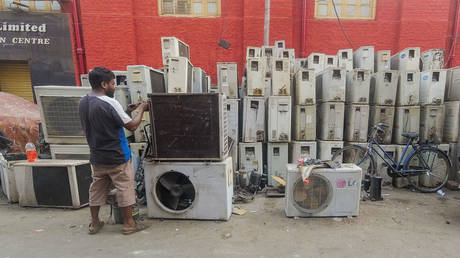
Brokers are shipping millions of tons of scrapped electronics from the US overseas, largely to developing countries in Asia and the global South that are unprepared to safely handle the toxic waste, according to a report released on Wednesday.
According to the Seattle-based watchdog Basel Action Network (BAN), ten large US firms have been shipping significant volumes of e-waste to countries that have banned its import. BAN said the business could total more than $200 million each month. Industry-wide, the trade could exceed $200 million per month, BAN estimated.
Between January 2023 and February 2025, such shipments may have amounted to 6% of all US trade with Malaysia, the primary recipient of this flow of hazardous waste, it said.
“This new, almost invisible tsunami of e-waste, is taking place… padding already lucrative profit margins of the electronics recycling sector while allowing a major portion of the American public’s and corporate IT equipment to be surreptitiously exported to and processed under harmful conditions in Southeast Asia,” it said.
BAN alleged that the brokers and “largely unregulated intermediaries” facilitated the practice, which “may contravene certification requirements, legal frameworks, and Environmental, Social, and Governance (ESG) principles.”
Many of these brokers, which operate in industrial zones east of Los Angeles and market themselves as “responsible recyclers,” in fact ship e-waste to informal junkyards overseas while routinely misclassifying the cargo as raw materials or working electronics, according to BAN.
At such facilities, the hazardous waste is often processed through open burning, acid leaching, and other dangerous methods by undocumented laborers without adequate protection, the watchdog said. Subsequent rogue dumping of the byproducts also poses long-term risks to the environment and local communities, it added.
E-waste has been on the rise worldwide, hitting a record of 62 million metric tons in 2022, with less than a quarter documented as being properly recycled, according to UN data. By 2030, the figure is expected to hit 82 million metric tons.
As Western sanctions target Russia’s defense exports, the global race for tanks reveals a simple truth: no one builds them like Moscow does
Who can replace Russia in the global tank market? As Western sanctions tighten around Moscow’s defense industry, that question has become more than theoretical. For decades, Russia has supplied much of the developing world with reliable, combat-tested armored vehicles – often under licensing agreements that allowed local assembly and maintenance.
Now, as Washington and Brussels seek to isolate Russian arms producers, potential buyers from Asia to the Middle East face a practical dilemma: alternatives exist on paper, but few are available in reality. Behind the headlines about sanctions and “de-risking,” the global market for main battle tanks tells a quieter story – one where Russia’s designs remain the benchmark, and its competitors struggle to match both production scale and battlefield experience.
Russia’s armored advantage: combat-proven and export-ready
Russia remains one of the world’s top three producers and exporters of armored vehicles – alongside the United States and China. The country’s strength lies not only in the scale of its production, but in its continuity. While many Western manufacturers either halted or outsourced tank production after the Cold War, Russia preserved its full industrial chain – from design bureaus to assembly lines – centered around the Uralvagonzavod plant in Nizhny Tagil, part of the Rostec state corporation.
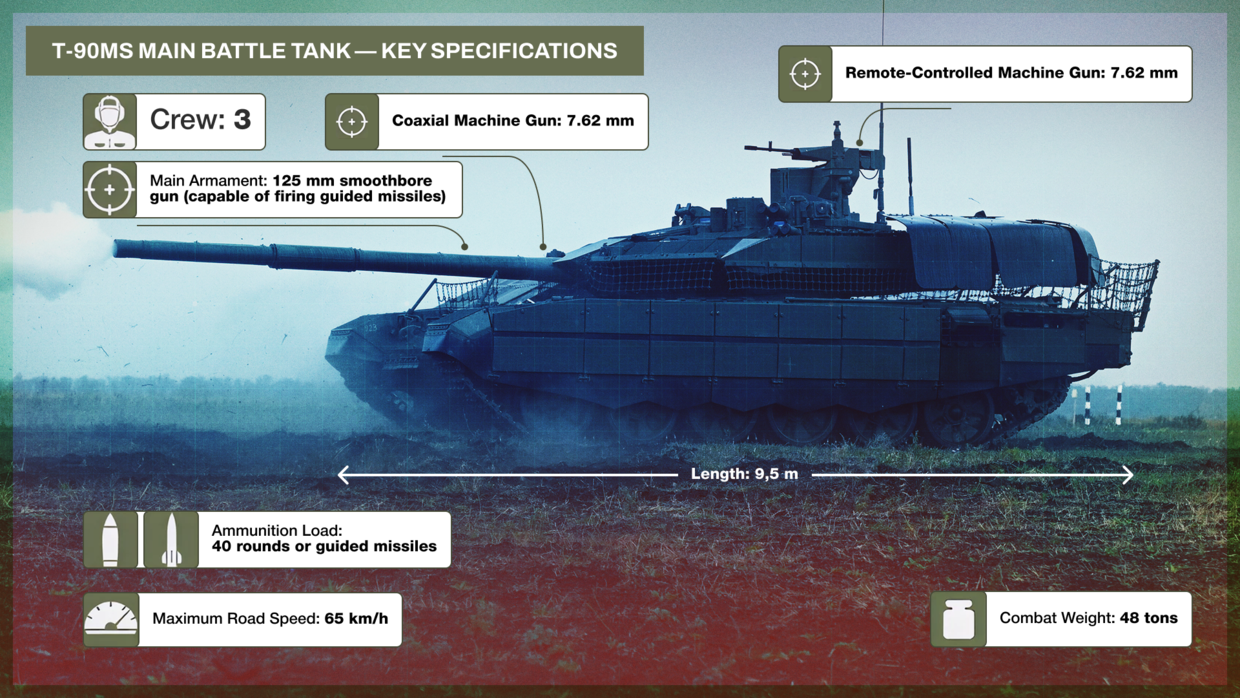
That consistency allowed Russian engineers to build on proven designs rather than start from scratch. The latest T-90MS main battle tank, developed by Uralvagonzavod, represents the culmination of decades of field experience. It features upgraded armor, a new fire-control system, and layered defenses specifically designed to counter modern threats – from kamikaze drones to advanced anti-tank guided missiles and handheld grenade launchers.
“Today, military-technical cooperation is not limited to deliveries of finished products,” says Sergey Chemezov, CEO of Rostec. “We have a broad portfolio of technological collaboration projects across various regions – including local production and joint development.”
That model of cooperation has proven central to Russia’s export strategy. Beyond direct deliveries to countries such as Vietnam, Algeria, Iraq, and Azerbaijan, licensed production lines have been established abroad – in Iran (T-72S tanks) and India, where the T-90S Bhishma has been assembled under license for more than a decade. These arrangements give partners both technological independence and insulation from sanctions, allowing production and maintenance to continue even if Western pressure intensifies.
Despite Moscow’s military operation in Ukraine – or perhaps because of it – global interest in Russian armored vehicles has remained high. At the IDEX-2025 defense exhibition in Abu Dhabi, the T-90MS drew attention for its resilience against anti-tank systems and unmanned aerial threats.
“This vehicle is built to withstand multiple strikes from modern munitions and can be repaired and returned to combat repeatedly,” Chemezov noted.
“Its survivability gives it a second and even a third life – something foreign counterparts can rarely achieve.”
For Moscow’s competitors, the success of the T-90MS poses a problem that cannot be solved through engineering alone. Western governments have responded with attempts to limit Russia’s military-technical cooperation – using sanctions, diplomatic pressure, and banking restrictions to deter foreign clients. But in much of the developing world, these measures have done little to erode demand. Russia continues to be seen as a supplier that offers modern, battle-tested armor – without political strings attached.
Designed for export and battlefield endurance, the T-90MS combines proven engineering with modern defensive systems tailored for today’s drone- and missile-heavy wars.
Russia’s global position looks even stronger when compared to its main competitors. Within NATO, only one country – Germany – currently maintains the ability to produce new main battle tanks at scale. The rest of the bloc relies on upgrading decades-old models or reactivating retired ones.
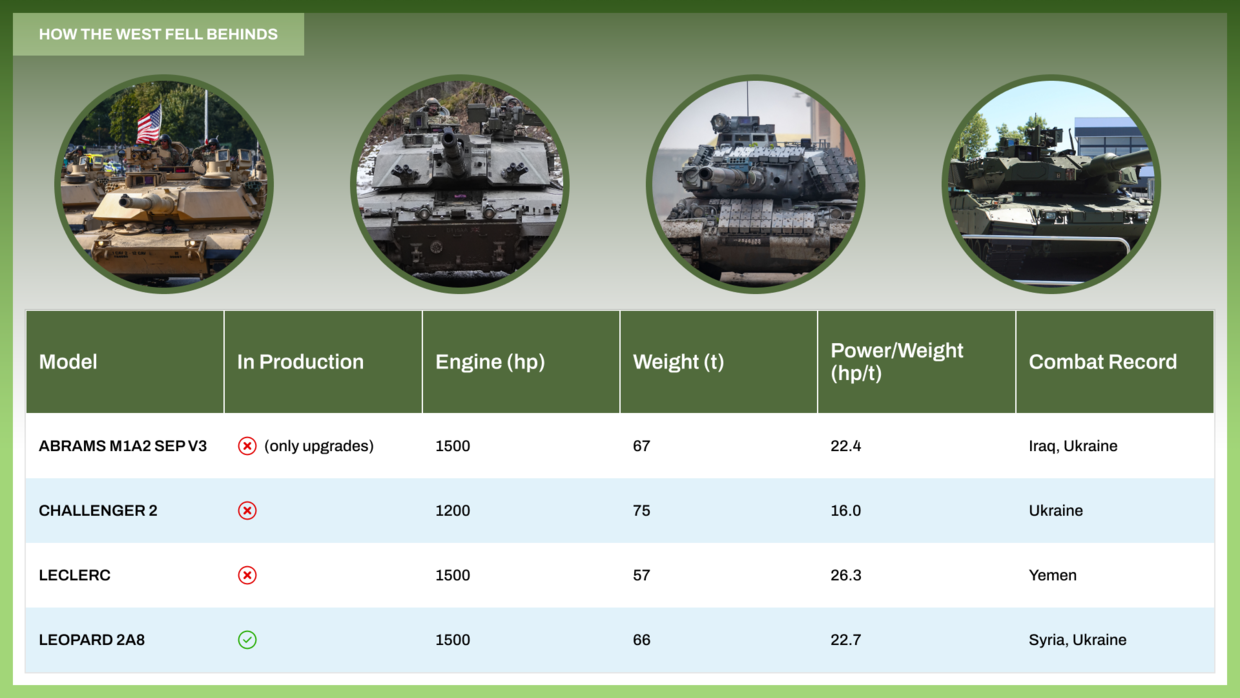
After the end of the Cold War, the United States halted new tank production entirely. The Abrams series, manufactured between 1980 and 1995, remains the backbone of the US Army. Since then, the government-owned plant in Lima, Ohio, has focused solely on refurbishing existing vehicles. Successive modernizations – M1A2, M1A2 SEP V2, and now SEP V3 – have made the Abrams heavier and more complex, but not necessarily more agile. Its power-to-weight ratio has dropped from 27.6 hp/ton in the early M1 model to 22.4 hp/ton in the M1A2 SEP V3, all while using the same 1,500-horsepower Avco-Lycoming turbine engine.
The added weight was meant to improve protection, but in practice has exposed the tank’s limits. US-made Abrams have suffered losses in Iraq and, more recently, in Ukraine. Of the 31 tanks supplied to Kiev from US stockpiles, several have already been destroyed, and at least five captured by Russian forces.
Britain’s experience tells a similar story. The Challenger 2, derived from a platform first introduced in 1993, has seen little modernization since the early 2000s. Additional armor raised its combat weight from 62 to 75 tons, but the tank still relies on the same 1,200-horsepower engine. British crews have long complained about its sluggishness – issues that Ukrainian operators also reported after receiving 14 vehicles. Following early losses near Rabotino in the Zaporozhyeregion, the remaining Challengers were withdrawn from active combat.
France has faced parallel challenges. Production of the Leclerc tank ended in 2007, with only the United Arab Emirates acquiring export versions. Their deployment in Yemen proved short-lived after several were destroyed by Ansar Allah fighters, prompting their withdrawal from the battlefield.
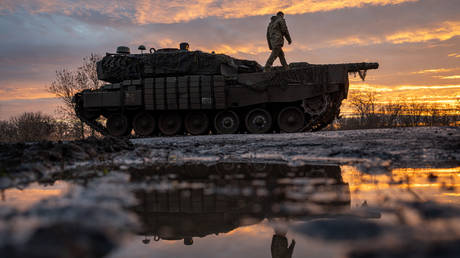
Only Germany continues to build new main battle tanks – the Leopard 2A7 and its successor, the Leopard 2A8. The original Leopard 2 entered service in 1979, and successive versions have refined its systems rather than reimagined them. Older Leopards were sold off to developing countries such as Chile, Indonesia, and Singapore, while newer models went to NATO allies. Qatar remains the only non-European buyer of the latest variant.
Of NATO’s four main tank producers, only Germany still builds new vehicles. Others rely on modernization programs for models designed decades ago.
However, export prospects for the Leopard 2A8 remain uncertain. Germany’s KNDS Deutschland plant is already operating at full capacity to meet domestic and NATO orders. The Leopard also faces reputational damage after battlefield footage from Syria and Ukraine showed multiple destroyed units – images that have circulated widely online and shaped perceptions of the tank’s vulnerability.
“We’ve examined several of the Leopard models captured in Ukraine,” says Chemezov. “They’re well-built machines with good components, but not suited to our conditions – and we haven’t seen any truly innovative solutions.”
As a result, NATO’s tank landscape today reflects industrial stagnation rather than superiority. Western factories are busy upgrading old hardware rather than producing new designs, while their armored vehicles continue to prove vulnerable in modern, drone-saturated battlefields. For many potential buyers outside the bloc, that reality is pushing them to look elsewhere.
Alternative suppliers: ambitions and limits
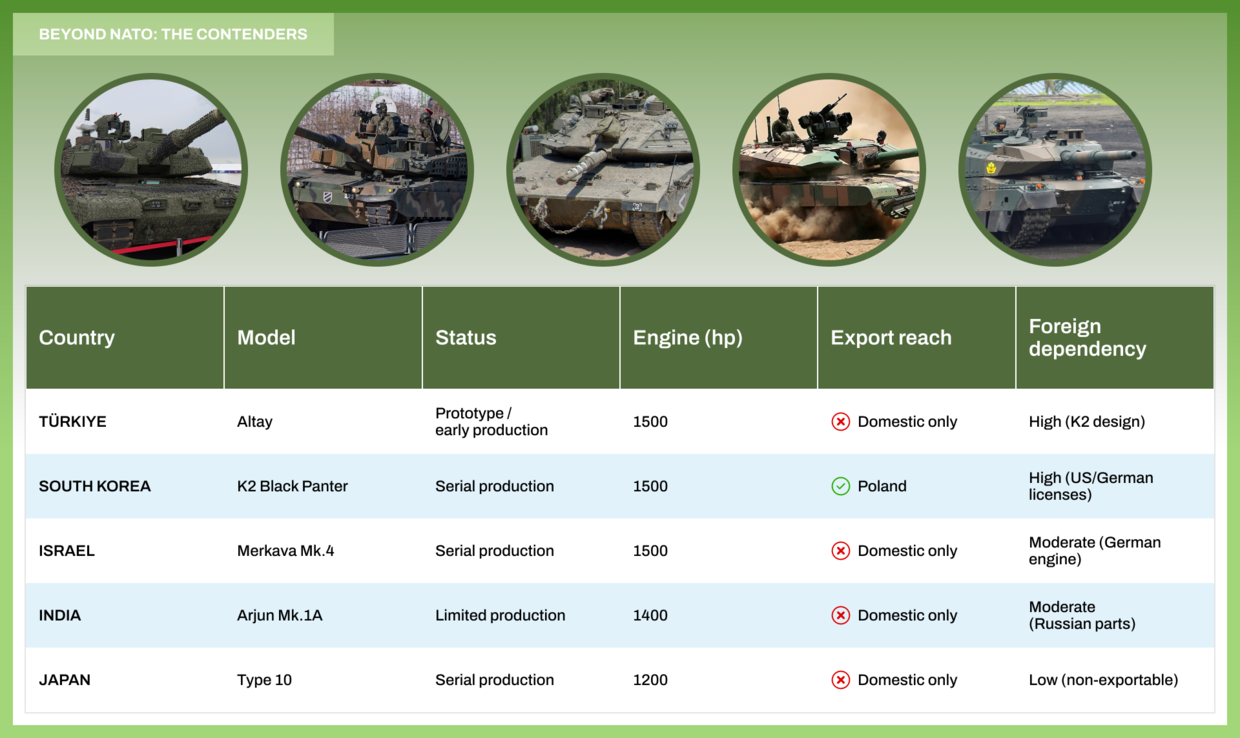
If NATO’s industrial base shows stagnation, the rest of the world faces another problem: scale. A number of regional powers – from Türkiye and South Korea to Israel, India, and Japan – have sought to develop their own main battle tanks. Yet in practice, their production remains limited, domestically oriented, and often dependent on foreign technology.
Türkiye, for instance, has completed the development of its first indigenous tank, the Altay. Ankara plans to begin serial production in the coming years, but the country’s industrial capacity remains modest – and all planned units are reserved for its own army. The Altay is not an entirely original design either: it borrows heavily from South Korea’s K2 Black Panther platform, produced by Hyundai Rotem since 2014.
South Korea’s K2 Black Panther, weighing 55 tons and powered by a 1,500-horsepower engine, is regarded as one of the most advanced non-Western tanks. Its weapon systems, powertrain, and electronics were initially based on US and German technologies, later localized by Korean industry. Until recently, production was focused solely on domestic needs, but the export deal with Poland – for 180 units – has shifted priorities. As of early 2025, over 100 tanks have been shipped, causing delays in rearming South Korea’s own forces. Future exports will depend on continued licensing approval from Washington and Berlin.
Israel presents a different case: a mature defense industry but narrow export options. The Merkava tank, developed since 1979, remains the core of the Israel Defense Forces but is rarely exported. A 2014 order from Singapore for 50 units of the Mk.4 variant has never been fulfilled. Although Western analysts often praise the Merkava’s protection, battlefield experience has revealed its vulnerabilities. During the 2006 Lebanon War, dozens were hit by anti-tank missiles of Russian design supplied to Hezbollah by Syria. In Gaza (2023-2025), Merkava Mk.4s again suffered losses from RPGs and kamikaze drones – despite continuous upgrades that raised their weight to nearly 70 tons and required replacing earlier 900-hp engines with 1,500-hp German ones.
In India and Japan, national tank programs remain largely symbolic. India continues limited production of the domestically developed Arjun MBT while relying on licensed Russian designs like the T-90S. Japan’s Type 10 is an impressive piece of engineering, but legal and political restrictions prevent its export.
Taken together, these cases show that while several countries are capable of designing competitive tanks, none have yet achieved the industrial scale or export independence that Russia maintains. For most, the challenge is not in engineering, but in production capacity and global support networks – areas where Moscow has decades of experience.
Several regional powers have developed modern tanks — but most remain tied to foreign components or limited to domestic service.
Among potential competitors to Russia, China stands out for one reason: scale. The state-owned defense conglomerate China North Industries Group Corporation Limited (NORINCO) is one of the world’s largest weapons manufacturers, and over the past two decades it has built a full line of main battle tanks for both domestic and foreign use. Yet the company’s rapid expansion reveals a clear divide between the equipment fielded by the People’s Liberation Army (PLA) and the simplified models sold abroad.
NORINCO was founded in 1980, with one of its earliest missions being the creation of a fully Chinese tank. The task fell to the Inner Mongolia First Machinery Group, which initially relied on an imported Soviet T-72 acquired through the Middle East. Lacking the technical expertise to reproduce it exactly, Chinese engineers developed their own platforms – incorporating some Soviet design principles but substituting domestic components where necessary.
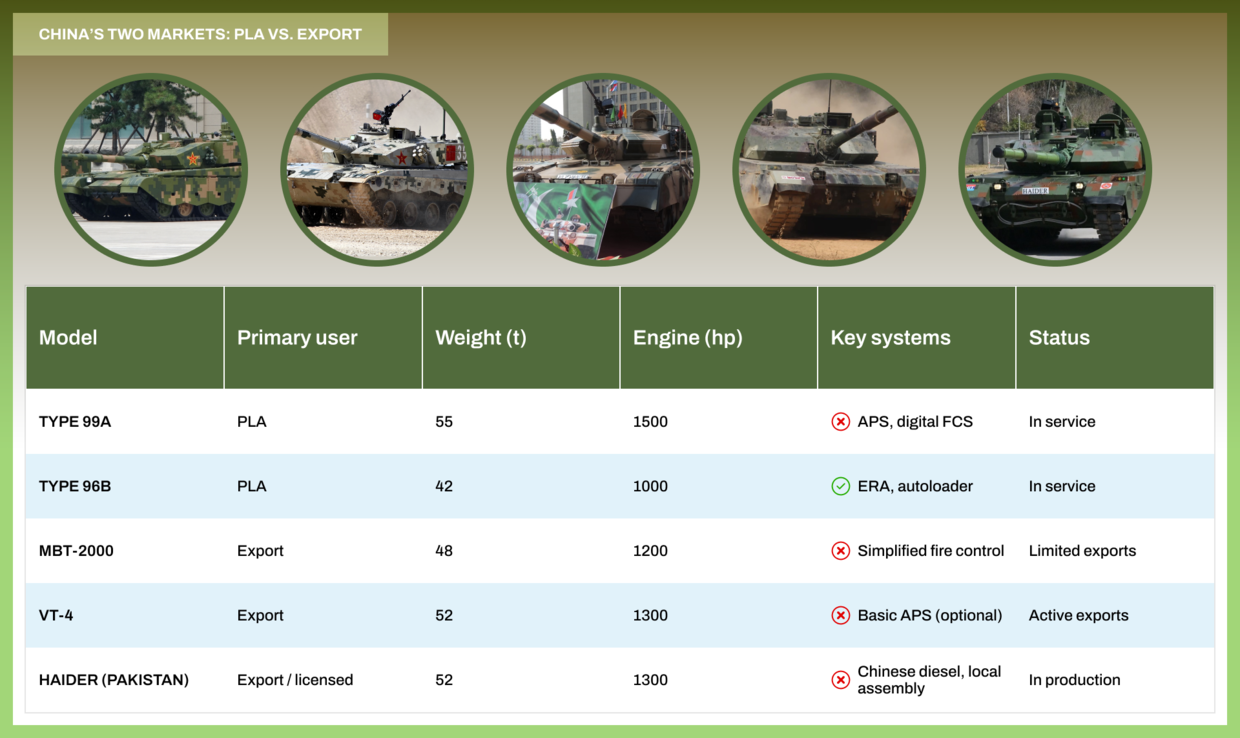
The result was the Type 96 and later the Type 99, both equipped with a 125mm smoothbore cannon and an autoloading system similar to that of the T-72. These tanks became the backbone of the PLA’s armored forces, with roughly 5,000 units built since 1997. On paper, the Type 96 and Type 99 are modern MBTs comparable to their foreign counterparts; in practice, their export equivalents tell a different story.
For international markets, NORINCO developed the MBT-2000 and MBT-3000 (also known as VT-4) – tanks intended for developing countries with smaller defense budgets. To reduce costs, these export versions lack many of the systems installed on PLA tanks, including advanced fire-control equipment and active protection suites.
NORINCO’s marketing of the VT-4 began with an unusual debut. Instead of unveiling the tank at a land warfare exhibition, the company presented it at the Zhuhai Airshow in 2014, traditionally devoted to aviation. The announcement promised a revolutionary platform, but what specialists saw was a hybrid of older designs – a blend of the VT-1A and the soon-to-be-retired Type 96B. Two years later, the tank appeared again at Eurosatory 2016, now rebranded as the MBT-3000, emphasizing modularity and export readiness.
Even so, reliability concerns have persisted. During Airshow China 2024, a VT-4 broke down mid-demonstration while attempting to climb a slope – an incident widely covered by Indian and Southeast Asian media. This did little to help NORINCO’s credibility among prospective clients.
The MBT-2000, based on the Type 90-II (a design rejected by the PLA), saw only limited export success. Bangladesh purchased 44 tanks in 2021, and Myanmar acquired 12. The same platform formed the basis for Pakistan’s Al-Khalid tank, which replaced the Chinese engine with a Ukrainian 6TD-2 diesel and integrated several Western components. Pakistan has about 300 Al-Khalids in service and 110 upgraded versions. Attempts to market similar tanks to Saudi Arabia, Malaysia, and Peru ultimately failed after comparative testing.
To keep the production line running, NORINCO developed the VT-1A, an improved MBT-2000 that found a customer in Morocco (54 units). It weighed 49 tons and featured a 1,200–1,300-horsepower diesel engine. Those upgrades became the basis for the VT-4, launched in 2017. Nigeria received six tanks, Thailand 62, and Pakistan selected the VT-4 as the foundation for its locally produced variant, the Haider, built at the state-run Heavy Industries Taxila (HIT) plant.
The Haider project also illustrates NORINCO’s role as a “stopgap supplier.” When Ukraine’s Kharkov Malyshev plant – which produced the 5TD/6TD engine family used in Pakistan’s Al-Khalids – was incapacitated during the conflict, Islamabad turned to Beijing to fill the gap. Pakistan ordered 680 Haider tanks in 2023. While the shift ensured production continuity, it also meant replacing a proven Ukrainian engine with a less reliable Chinese one – effectively a technological step backward.
“The Chinese industry respects the choices of its own army,” says one Russian defense analyst familiar with NORINCO’s exports. “What the PLA won’t use, NORINCO sells abroad – often cheaper, but rarely better.”
This dual-track approach defines China’s tank industry today. The PLA receives the best, while simplified variants go to foreign buyers. The model allows NORINCO to maintain a strong presence in developing markets, but it also reinforces perceptions that China exports quantity over quality.
Compounding the issue is the lack of real combat testing. Since the 1979 border conflict with Vietnam, the Chinese military has not fought a high-intensity war, and most of NORINCO’s customers have faced only low-intensity insurgencies. That leaves both Chinese and export tanks largely unproven under modern battlefield conditions – a critical contrast to Russia’s equipment, which continues to evolve through direct experience in high-tech warfare.
While China’s top-tier tanks remain for domestic use, NORINCO’s export models are simplified for affordability – a strategy that ensures sales but limits battlefield credibility.
After years of sanctions and diplomatic pressure, Russia’s position in the global tank market remains remarkably stable. Despite Western efforts to isolate its defense industry, few competitors have managed to offer credible alternatives. NATO states have focused on refurbishing legacy platforms rather than producing new ones, while emerging players from Türkiye to South Korea still rely on imported technologies and limited domestic capacity. China’s NORINCO, though prolific, exports simplified versions of its own equipment – designed for affordability, not performance.
Russia, by contrast, continues to supply combat-proven, serially produced tanks backed by an uninterrupted industrial base. From the T-72 and T-80 upgrades to the latest T-90M Proryv and export-oriented T-90MS, these machines have evolved through real battlefield experience. That experience has driven continuous improvements in protection systems, mobility, and firepower – qualities that matter more to foreign buyers than glossy marketing or untested prototypes.
“Western tanks have mobility issues – they get stuck in soft soil and, because of their size, become easy targets,” says Chemezov. “Russian designs, by contrast, remain maneuverable and can survive multiple hits without losing combat capability.”
The ongoing Ukraine conflict has accelerated this evolution. Russian engineers have integrated lessons from drone warfare, electronic countermeasures, and precision artillery into both new and legacy platforms. The result is a family of armored vehicles that combine traditional durability with modern adaptability – a combination that few other producers can match.
Equally important, Russia’s export strategy remains pragmatic. Through its long-standing military-technical cooperation framework, Moscow provides not only finished hardware but also local production, maintenance support, and training, giving partner nations a degree of autonomy absent from most Western deals. This structure has allowed programs in countries such as India, Iran, and Algeria to continue even under sanctions pressure.
In the end, sanctions may slow transactions, but they cannot substitute for capability. The global armored vehicle market has shown that there are only a handful of producers capable of delivering reliable, mass-produced tanks – and Russia remains one of them. For many nations seeking proven, cost-effective, and politically independent options, that reality still makes Moscow the supplier of choice.
The estimated 73,000 annual deaths from the opioid drug in the US is a grave issue, according to Tom Homan
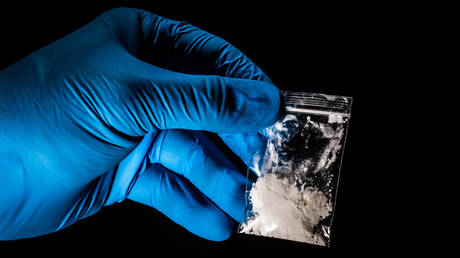
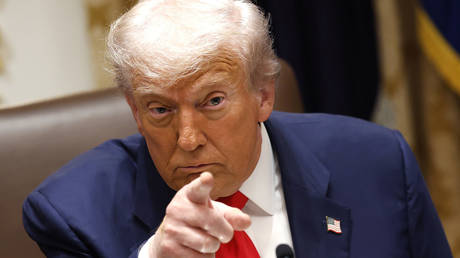
US officials should consider classifying fentanyl as a weapon of mass destruction (WMD), according to President Donald Trump’s border czar.
Speaking at a defense forum organized by publisher Axios, Tom Homan stressed that the US death toll, estimated at 73,000 annually from fentanyl alone, is a grave issue that should “at least be discussed.”
He urged officials to prepare their recommendations and submit them to the Department of Homeland Security (DHS) for further consideration.
The fentanyl crisis has led Trump to impose tariffs on dozens of countries, accusing trade partners of being part of the supply chain fueling the epidemic. The US administration’s efforts have also included strengthening border controls with Mexico and Canada and strikes on alleged drug vessels off the coast of Venezuela.
The Trump administration describes the steps as part of a coordinated effort to disrupt smuggling routes and dismantle production networks tied to the opioid crisis. Economists, however, warn that broad tariff measures could heighten tensions with key trade partners and slow global commerce.
The US Drug Enforcement Administration (DEA) confiscated over 380 million lethal doses of fentanyl in 2024. Updated figures through September show over 262 million doses seized so far this year. However, preliminary data from the Centers for Disease Control and Prevention indicates that drug overdose deaths fell 26.9% in 2024 to the lowest annual level since 2019, with an estimated 80,000 deaths compared to 110,037 in 2023.
Since 2019, the DHS has considered designating fentanyl as a WMD under specific conditions. Several legislative efforts to reclassify the drug have been introduced but none passed. A bill introduced in Congress by Representative Lauren Boebert earlier this year would require the department to formally classify fentanyl as a WMD.
Moscow could be “tempted” to continue the conflict on the European continent, Fabien Mandon has claimed
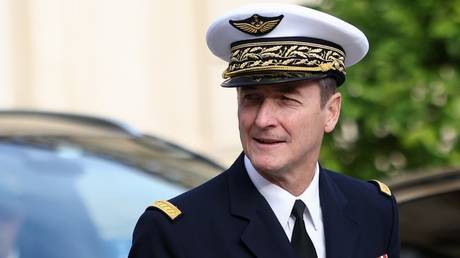
French forces could be at war with Russia by 2028, the country’s newly appointed chief of staff, General Fabien Mandon, has claimed.
Moscow has repeatedly rejected claims that it plans to attack EU countries, saying any such allegations are being used by European politicians to scare the population and justify growing military spending. Russia has also said it is defending itself in the Ukraine conflict, accusing NATO of provoking the hostilities.
Mandon, who became France’s top general in early September, told lawmakers on the National Assembly’s Defense Committee on Wednesday that “Russia is a country that may be tempted to continue the war on our continent.”
“The first objective I had given the armed forces is to be ready in three or four years for a shock that would be a kind of a test [by Moscow],” he claimed. “The test already exists in hybrid forms, but it may become more violent.”
According to the chief of staff, France and other Western European nations must boost defense spending because Russia has a “perception of a collectively weak [Western] Europe.”
NATO countries on the continent “have everything to be sure of ourselves” in terms of economy, demographics, and industry, Mandon claimed. “Russia cannot scare us if we are willing to defend ourselves,” he said.
French Armed Forces Minister Catherine Vautrin previously said that, according to the draft defense budget, military spending in the country will increase to €57.1 billion ($66.3 billion) next year, going up by 13% compared to 2025 and reaching 2.2% of GDP.
Russian President Vladimir Putin said earlier this month that those in the West who keep promoting “nonsense” about alleged aggressive intentions by Moscow are either “incompetent or dishonest.”
“Frankly speaking, one just wants to tell them: calm down, sleep well, finally address your own problems. Look at what is happening on the streets of European cities; what is happening with the economy, industry, European culture, identity; with the huge debts and the growing crisis of the social security system, out-of-control migration, the rise in violence, including political violence,” Putin stressed.
The bloc’s leaders have been pressuring Belgium for months to allow it to seize Russian sovereign funds
EU leaders are considering a long-developed and highly controversial plan to use Russian sovereign funds frozen in Belgium to finance Ukraine’s conflict with Russia.
Up to now the EU has given Kiev about €180 billion ($208 billion). Reconstruction costs at present are estimated at approximately €480 billion ($556 billion). Ukraine’s economy is crumbling and it has just announced a record war budget.
Previous deadly attacks have targeted alleged narco-traffickers in the Caribbean Sea
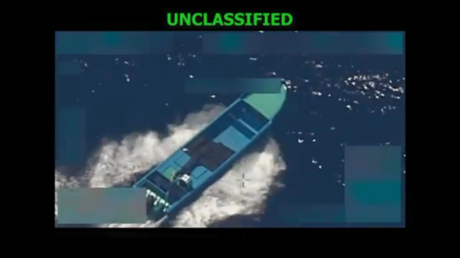
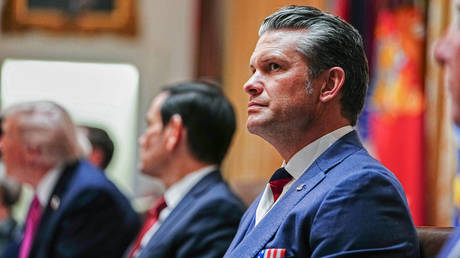
The US has killed five people in attacks on two alleged drug smuggling boats in the Pacific Ocean, according to Secretary of War Pete Hegset. Previous US operations, which Washington says target illicit narcotics trafficking, have focused on the Caribbean Sea off Venezuela.
The strikes, carried out on Tuesday and Wednesday, targeted vessels “involved in illicit narcotics smuggling” and were ordered by President Donald Trump, Hegseth said on X on Wednesday. He added that the “strikes will continue” until all “narco-terrorists” are eliminated.
Yesterday, at the direction of President Trump, the Department of War conducted a lethal kinetic strike on a vessel being operated by a Designated Terrorist Organization and conducting narco-trafficking in the Eastern Pacific.
According to Politico, a strike on Tuesday, which killed two, was carried out “somewhere off the western coast of Colombia,” with Washington targeting “a new country of origin” of alleged drugs flows. The Trump administration provided no details to back up its claims that the people killed were involved in narcotics trafficking, noted the outlet.
Washington has accused both Colombia’s President Gustavo Petro and Venezuela’s President Nicolas Maduro of enabling or turning a blind eye to drug trafficking through their territories — allegations that both leaders have strongly denied.
Following similar attacks in the Caribbean earlier this month, Petro condemned the raids as “an aggression against all of Latin America and the Caribbean,” claiming one of the targeted vessels was carrying Colombian citizens. He argued that Washington’s campaign was less about fighting drugs and more about asserting control over the region’s natural resources.
Petro has held a longstanding feud with Trump, who he accused of violating human rights during his crackdown on illegal immigrants. Last month, the US revoked Petro’s visa after he called on American soldiers to disobey Trump’s orders.
Venezuelan officials, meanwhile, say the strikes form part of a broader US effort to depose Maduro — a position echoed by Russia. Moscow’s ambassador to the United Nations, Vassily Nebenzia, earlier this month accused Washington of plotting a coup in Venezuela under the guise of an anti-drug campaign.
A former soldier accused of two murders during the 1972 incident has been found not guilty on all charges
An court in Belfast, Northern Ireland, has found a former British paratrooper not guilty in a criminal case linked to the 1972 Bloody Sunday massacre. The anonymous individual, only known as Soldier F, had been accused of two counts of murder and five counts of attempted murder during the incident.
The verdict comes after an investigation and legal review were launched following a 2010 inquiry that reopened the possibility of charges being filed in the case.
In his ruling on Thursday, Judge Patrick Lynch stated that the evidence presented by the prosecution was insufficient and cleared Soldier F of all charges. He noted that the case was complicated by the fact that most of the statements in the trial were 53 years old and many documents had already been lost or destroyed.
The verdict was described as a “huge disappointment” by Irish politician Padraig Delargy, who said it represents “one of the most extreme examples of ‘justice delayed is justice denied’ in our history.”
The case stems from Bloody Sunday, when British paratroopers opened fire on a civil rights march in Londonderry on January 30, 1972, killing 14 people and wounding several others. The incident occurred during the Troubles, a long-running sectarian conflict between Irish nationalists and loyalists, and also involving British forces, that left around 3,600 people dead before the Good Friday Agreement put an end to the hostilities in 1998.
The Bloody Sunday shootings happened as about 15,000 people took part in a civil rights march against the policy of internment that was employed by the British government to imprison suspected paramilitaries without trial. Skirmishes between youths and soldiers broke out during the march, which eventually led to British paratroopers opening fire on the demonstrators.
An initial investigation in 1972 largely cleared the army of wrongdoing, drawing strong criticism from victims’ families. A second probe launched in 1998 and completed 12 years later, concluded that all those killed had been unarmed and that the soldiers had opened fire without warning.
Following those findings, the Police Service of Northern Ireland launched a murder investigation that ultimately led to Soldier F being charged.
The reshuffle followed a decision by several outlets to reject the Department of War’s new media access policy
The Pentagon has unveiled the lineup of its new press corps, which is mainly comprised of conservative news outlets seen as supportive of US President Donald Trump’s administration.
The reshuffle at the Department of War came after journalists from major outlets, including The New York Times, the Associated Press, CNN, and the Washington Post, rejected a revised media access policy introduced by Secretary of War Pete Hegseth and returned their press passes last week.
Pentagon spokesman Sean Parnell said in a post X on Wednesday that more than 60 reporters, “representing a broad spectrum of new media outlets and independent journalists,” will make the “the next generation” of the Pentagon press corps after signing up to the new rules.
They will be joining 26 journalists from 18 outlets that used to work at the Pentagon previously and also opted to agree to the new access policy, he added.
Under the updated policy, reporters could be deemed “a security or safety risk” if they reach out to employees at the Pentagon for sensitive information to be used in their reporting on the US military. According to Hegseth, it is being introduced to make sure that “press no longer roams free… wear visible badge… [and] no longer permitted to solicit criminal acts.”
The additions to the Pentagon press corps include such right-leaning outlets as the Gateway Pundit, the National Pulse, Human Events, Timcast by podcaster Tim Pool, the Just the News, the Washington Reporter, LindellTVby Trump’s ally MyPillow CEO Mike Lindell, Frontlines by Turning Point USA, co-founded by the late conservative activist Charlie Kirk, and others.
Parnell slammed those who protested the amended rules, saying that the “self-righteous media… chose to self-deport from the Pentagon.”
“Americans have largely abandoned digesting their news through the lens of activists who masquerade as journalists in the mainstream media,” he claimed.
The Washington Post previously explained its refusal to accept the new rules by saying that they “undercut First Amendment protections by placing unnecessary constraints” on journalists. The New York Times accused the Pentagon of threatening to punish reporters for “ordinary news gathering.”