The International Olympic Committee is expected to unveil a new policy early next year, sources have told the outlet
The International Olympic Committee (IOC) is poised to bar transgender women from competing in female events at the Olympics under a new eligibility policy, The Times has reported, citing sources.
The move would mark a major shift from the IOC’s current approach of allowing transgender participation with reduced testosterone levels while leaving the criteria to individual sporting federations. The reported change has been linked to new IOC President Kirsty Coventry, who was elected in March and is the first woman to head the body. She has pledged to “protect the female category.”
According to the report on Monday, the IOC is likely to announce the policy change early next year, possibly around its session at the Winter Olympics in February.
The revision is reportedly based on a scientific review of transgender athletes that found physical advantages linked to being born male can persist even after testosterone levels are medically reduced. The findings were presented to IOC members last week by the body’s medical and scientific director, Jane Thornton, and were received “hugely positively,” one source said.
The participation of transgender athletes in female sports remains a contentious issue. Cases such as US swimmer Lia Thomas and New Zealand weightlifter Laurel Hubbard sparked debate about whether such competitors have an unfair advantage over biological females. In 2021, the IOC declared there should be “no presumption of advantage” for transgender women and, a year later, handed responsibility to individual federations, telling them to devise their own criteria. Some bodies have since tightened their rules.
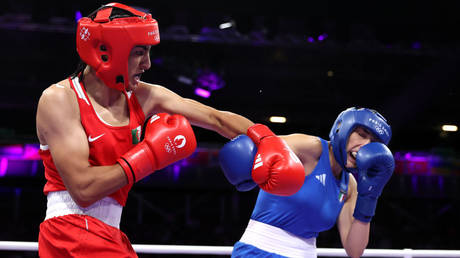
The 2024 Olympics in Paris reignited the controversy, drawing criticism over scandals and an opening ceremony that featured homosexuals, transsexuals, and drag queens simulating a Bacchanalia patterned after Leonardo da Vinci’s famous mural ‘The Last Supper.’ In women’s boxing, Algerian fighter Imane Khelif, who had previously been ruled ineligible for the World Championships over her gender, won gold after defeating Italy’s Angela Carini. The Italian forfeited the fight after just 45 seconds, declaring “this is unjust!” and said she had been hit harder than ever before and feared that her nose was broken.
Former IOC President Thomas Bach insisted at the time that there was “no scientifically solid system” to distinguish between men and women in sports.
Georgia wants fairness from Brussels, not interference disguised as support, Tbilisi Mayor Kakha Kaladze has said
European Union officials who publicly call themselves friends of Georgia are in fact working to destabilize the country, Tbilisi Mayor Kakha Kaladze told local media on Monday.
Kaladze, who also serves as secretary general of the ruling Georgian Dream party, said that some EU officials are pursuing hostile and deceitful policies toward the country while pretending to promote democracy.
“They have repeatedly tried to organize revolutions, coups d’état, and overthrow the government,” Kaladze claimed. “They tell us they are Georgia’s friends, yet they incite coups, extremism, and violence. That is not friendship or partnership.”
He added that Tbilisi only wants “a fair attitude toward Georgia, respect for our people, our constitution, and our independence” from the bloc.
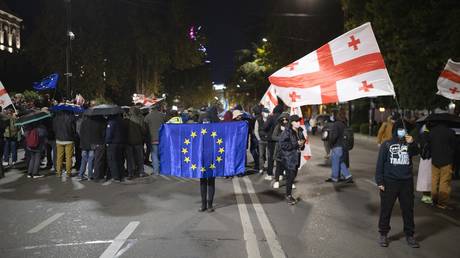
Last month, the former soccer star won a new term in municipal elections that opposition forces claimed were rigged. The allegations triggered mass protests, where pro-Western demonstrators clashed with police and attempted to storm the presidential palace in the capital city following the vote.
Opposition activists have for months pushed for elections under what they call Western supervision through a campaign of sometimes violent street protests.
Prime Minister Irakli Kobakhidze denounced the latest unrest as part of a fifth Western-backed coup attempt in four years.
Tbilisi has accused the EU of punishing it for refusing to adopt policies aligned with Brussels, particularly to side with Kiev in the Ukraine conflict, which officials said would have been disastrous for Georgia.
The country was granted EU candidate status in 2023, alongside Ukraine and Moldova, but unlike with the two other nations, accession talks have been effectively frozen by Brussels.
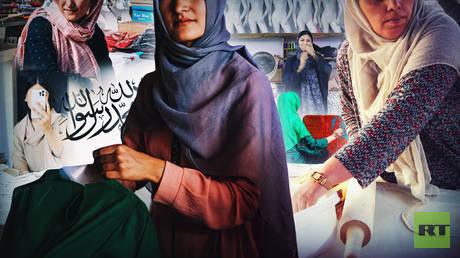
Street vendors, tailors, and young designers are reshaping everyday life, balancing faith, family, and survival
“Hard times create strong men,” goes the saying attributed to G. Michael Hopf. Strong women, too – and Afghan women are a remarkable example of that strength.
Since 2021, the Islamic Emirate has placed limits on women’s employment. Women are banned from government positions, from domestic and international NGOs, and from administrative jobs – for example, a decree issued in December 2024 ordered that female university staff be replaced by their male relatives. In some provinces, women are not allowed to come to work unless accompanied by a male guardian – a husband, father, brother, or son.
According to Taliban officials, these prohibitions are based on religious principles and meant to protect women’s dignity. A few years ago, Mohammad Sadiq Akif, spokesman for the Taliban’s Ministry of Vice and Virtue, told the Associated Press that a woman “loses her value” if strangers look at her uncovered face – a kind of logic that may be hard for non-religious people to understand.
According to the Afghan Ministry of Vice and Virtue, makeup hinders the necessary ablution before prayers. Many beauty parlours were shut down for this reason.
Still, many women continue finding ways to earn a living within the strict framework of bans, cultural norms, and Islamic values. Starting a business of their own is often the best way to keep that delicate balance.
How bans became business opportunities
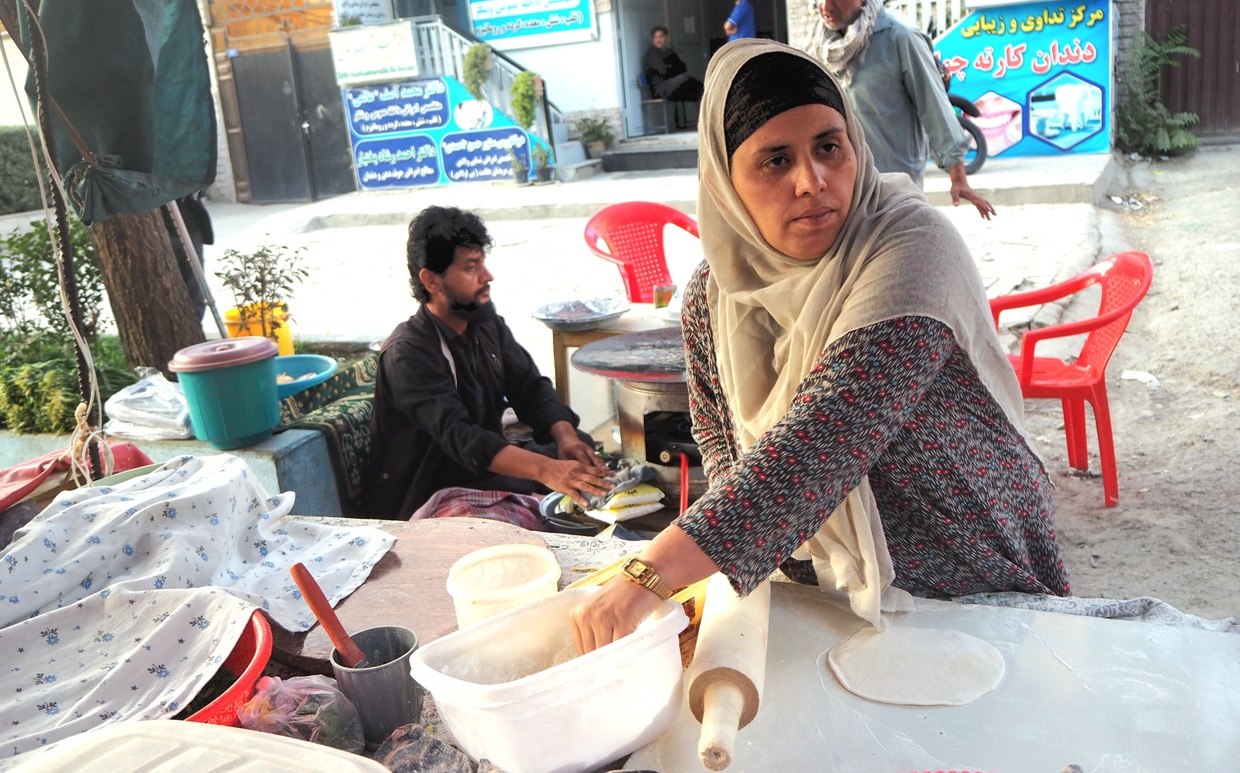
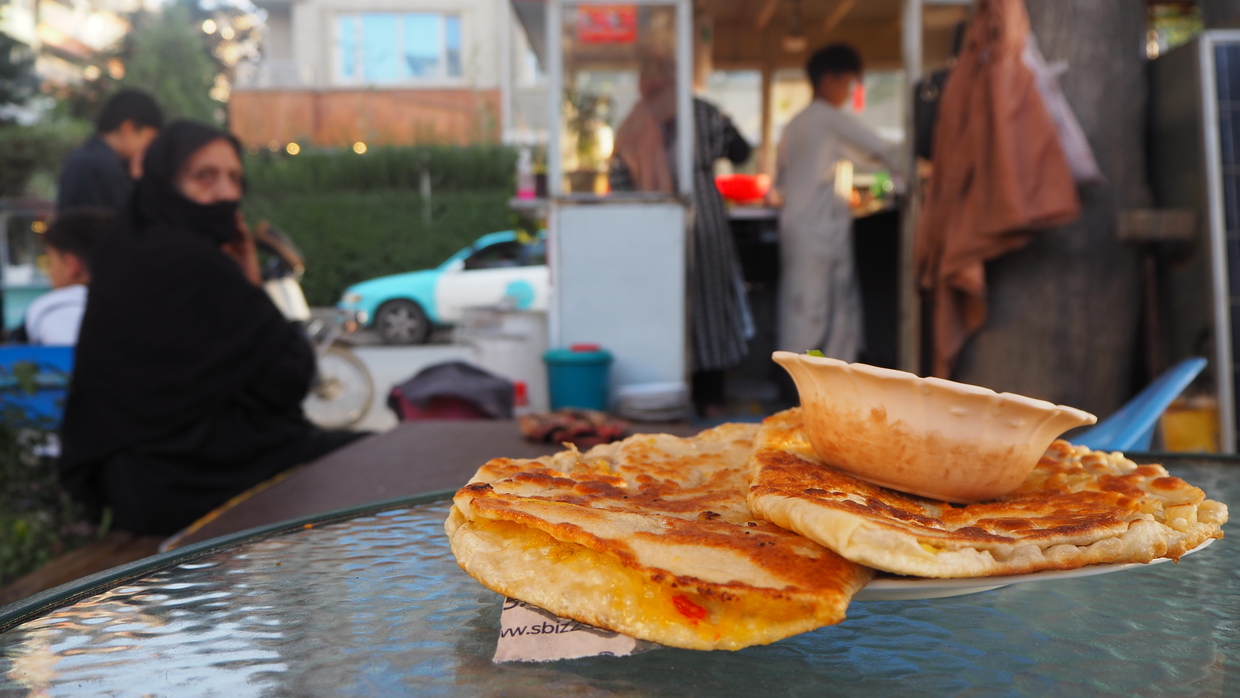
The sizzling sound of oil fills the air as Nargees flips a golden-brown ‘bolani’ – a thin flatbread stuffed with mashed potatoes – over the frying pan.Her hands move fast and sure: roll the dough, spread the filling, crimp the edge, place it on the hot pan. Within seconds, another one joins the pile.
“The number of customers depends on my mood,” she says. “When I’m down, no one comes. When I’m happy – there’s a crowd.”
At 40, Nargees is a mother of five and once worked as a health educator at Kabul’s Malalai Maternity Hospital. She used to visit poor neighborhoods to teach women about hygiene and family planning. After the Taliban returned to power, that job quietly ended – not because she was banned, but because the women she was supposed to meet no longer felt safe leaving their homes.
Nargees, 40, makes traditional pastry to support her family. Sometimes, her husband Siddiq accompanies her to work.
Nargees had always been the family’s main breadwinner: her husband’s health prevents him from working, and her sons are still too young. So she didn’t wait for anyone’s permission. She rented a cart, set up a frying pan, and began selling bolani on the street.
The small business turned out to be good enough to keep the family afloat – and, as she puts it, to keep her calm.
“I know roughly how much I can earn and what my tomorrow looks like,” she says, pouring more oil into the pan. “That’s comforting. When I’m calm, my children are calm too. I have to be their example.”
A little girl in a dirty pink jacket tugs at her sleeve, asking for money. One of the many street children scattered across Kabul. Nargees shakes her head.
“This is what happens when parents stop caring,” she says quietly. “I work so my children never end up like that.”
Across the street, another bolani vendor, Humaira, is rolling dough at her own cart. In her late forties, she used to teach the Quran at a girls’ high school before it closed four years ago. Now she’s known in the neighborhood as “Auntie Potato.”
“Sometimes they tell me to cover my hair,” she explains. “Nobody cares about the face. So now I wear this.” She lifts her headscarf to show a gray hijab cap underneath, smiling as she turns back to the frying pan.
Working within the system – and making it work
Street vendors like Nargees and Humaira are part of a quiet shift happening across Afghanistan. Since 2021, women have been finding new ways to work within the country’s changing rules – not in protest, but in adaptation.
And, no matter how unbelievable it may sound to a Western audience, the government actually supports these initiatives. The Afghanistan Women’s Chamber of Commerce and Industry (AWCCI), established in 2017, is still active and expanding – with local branches now operating in 20 out of 34 provinces.
The chamber issues licenses, provides training both in person and online, organizes exhibitions, and supports regional markets. Salma Yousufzai, the CEO of AWCCI, said the total number of female entrepreneurs exceeded 100,000 in 2023. Not all of them have licenses, but small businesses like Nargees’s food cart don’t require any paperwork.
Many female-run businesses revolve around cooking. In Kabul, there are dozens of kitchen carts serving street food.
One of the best-known examples of a female-owned enterprise is ‘Banowan-e Afghan’ (“Afghan Ladies” in Dari), a restaurant launched in 2023 by businesswoman and mother of three, Samira Mohammadi. The place served traditional Afghan food and catered only to women, while male customers – including some Talibs – could order takeout.
Mohammadi tried to provide jobs for women from vulnerable backgrounds; as she mentioned in an interview, even beggars would come in from the street asking for work, drawn by the daily pay of 100 afghanis. Banowan-e Afghan thrived and soon opened a second branch. During the ribbon-cutting ceremony, the owner thanked the Taliban government for its support and cooperation.
Work, risk, repeat
Behind every business, there is a story of loss and acceptance.
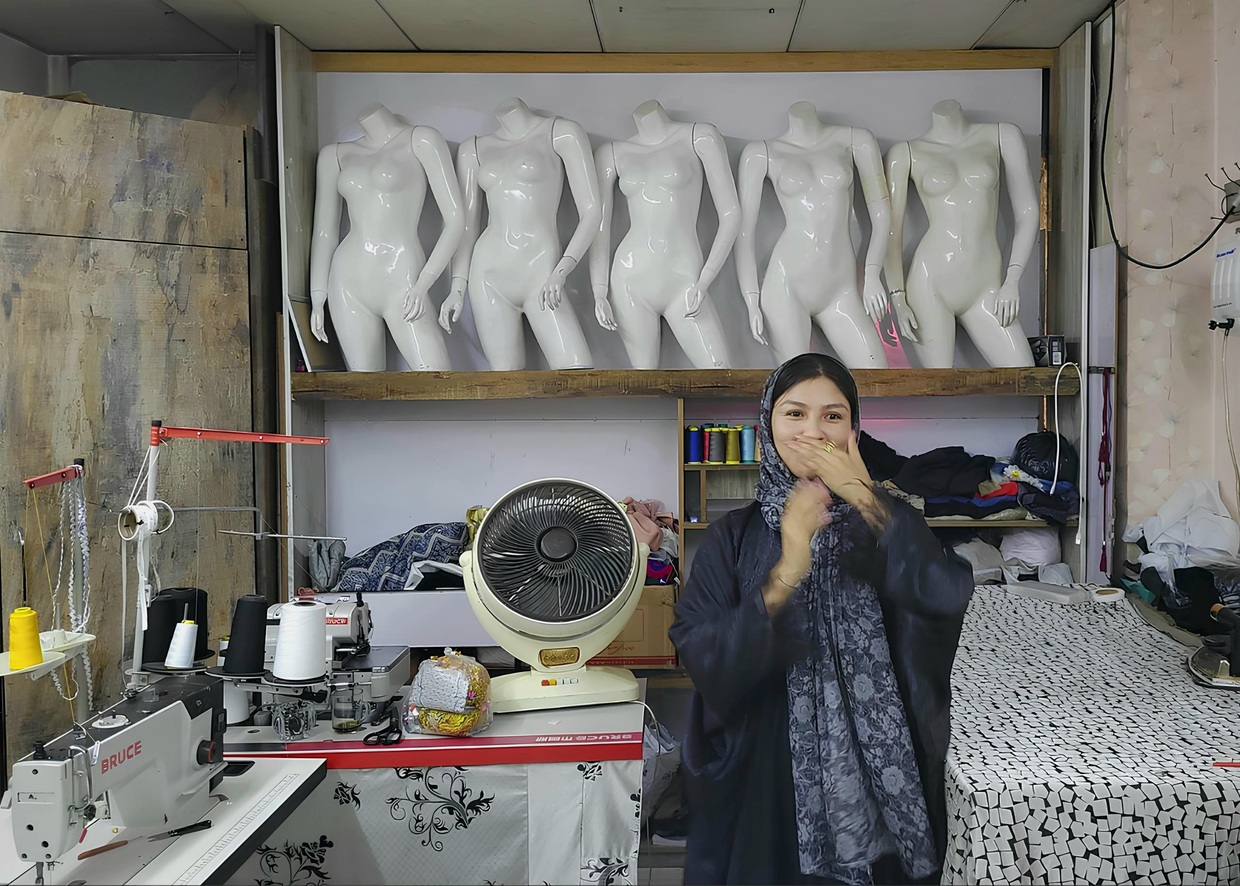
In a shopping mall in Dashte-Barchi – an area in western Kabul populated mostly by Hazaras – women-run shops take up an entire floor. They sell handmade ethnic dresses and jewelry, both in high demand during the wedding season.
A seamstress laughs in her shop in Dashte-Barchi, Kabul.
None of the women behind the counters dreamed of doing this. Seema, now touching the intricate beadwork on a green velvet gown, used to work for an NGO in Bamyan. Sakeena studied civil engineering at Kabul Polytechnic University and later ran a semi-underground literacy course. Farah had an office job, but she always enjoyed sewing – a skill that turned out to be her lifeline.
Her small shop radiates cheerful energy: pink floral wallpaper, mannequins, shiny dresses made of synthetic silk – and the best income in this section of the mall (which seems to confirm Nargees’s theory about customers). Farah wears wine-colored lipstick. Her smiling assistants happily pose for a picture.
All of them once lost their aspirations, their daily routines, and their peace of mind – and then rebuilt their lives from scratch.
Sakeena, 26, used to study civil engineering at Kabul Polytechnic University and now sells ethnic clothes.
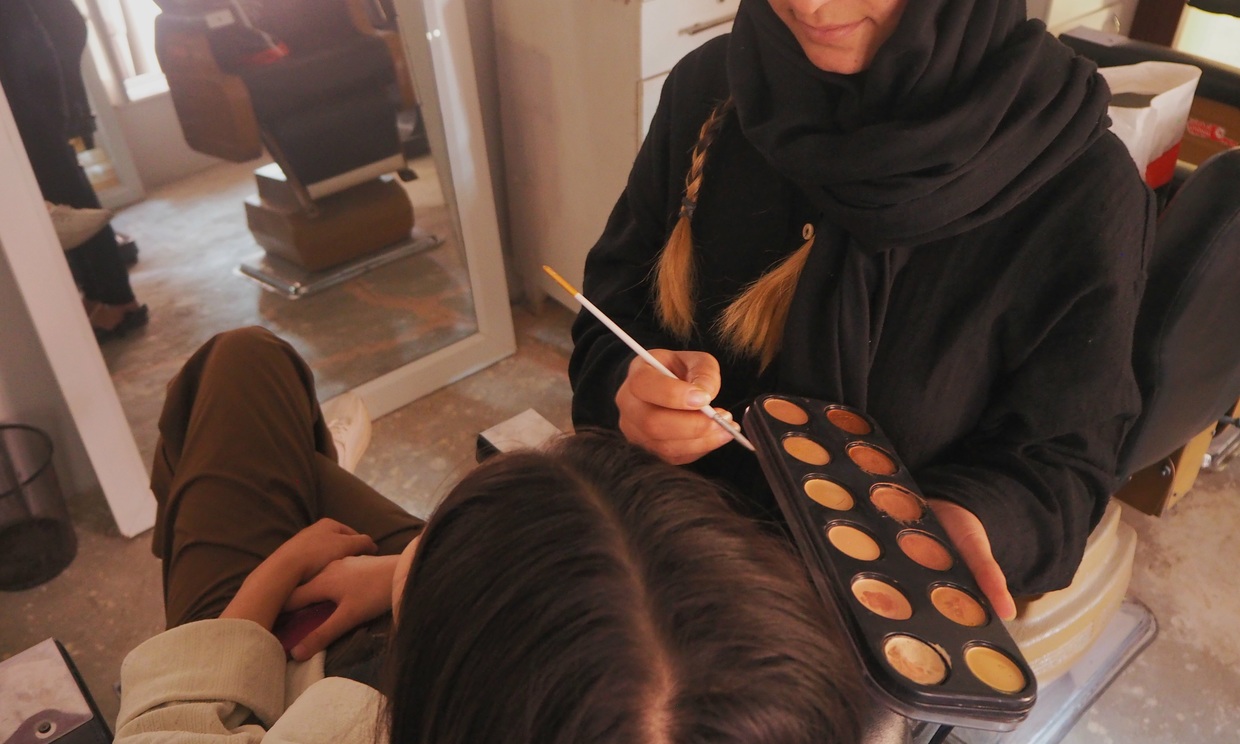
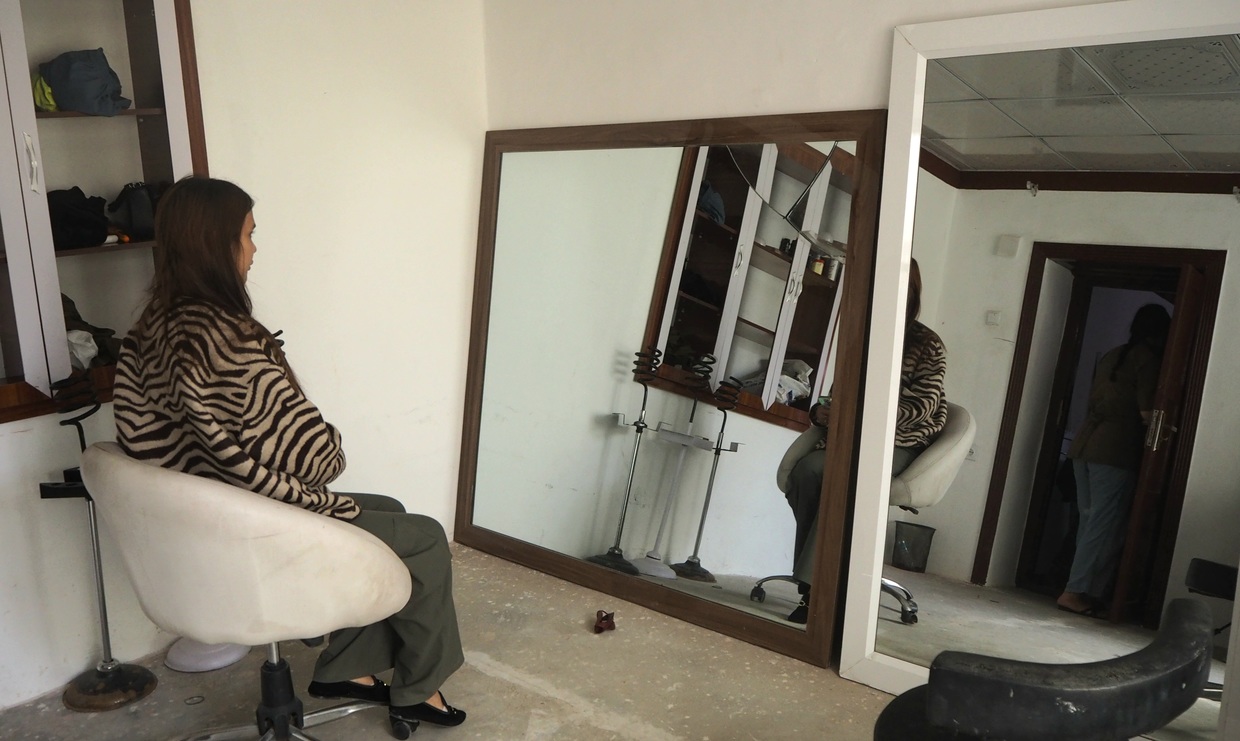
Needa, the owner of a beauty parlor in central Kabul, has nearly lost her business more than once. While the majority of trades – from cooking to jewelry making – remain socially and culturally acceptable, the beauty industry is going through upheaval. A mural on the wall of the Ministry of Vice and Virtue roughly translates to: “If a Muslim woman understands her inner value, she doesn’t decorate herself.” Beauty salons are often visited by the religious police.
“The first time they came and warned us, we didn’t take it seriously,” recalls Needa, a lively 28-year-old with perfect winged eyeliner. “Then they put a lock on the gate, and I had to rent another salon. And once, we barely managed to escape through the back door. I just hope they won’t find us here.”
Needa, 28, has been running a beauty parlour for five years and recently has begun receiving warnings from the religious police.
The place isn’t easy to find – Afghan addresses rarely are. The salon’s Instagram page simply says, “Behind the school, first street to the left.” But if a foreigner like me can figure out how to get there, so can the religious police. Needa shrugs.
“The rent is 50,000 afghanis a month – around $760. I can afford it now, thank God, but if I hide the location, I’ll lose customers. So I have to take the risk.”
“I’m hoping to become a successful businesswoman one day,” says 20-year-old Diana Ekhlasi.
She looks like a girl from a medieval Persian miniature – fair skin, almond-shaped eyes, perfectly arched brows. We met over cappuccino and cheesecake to talk about her project.
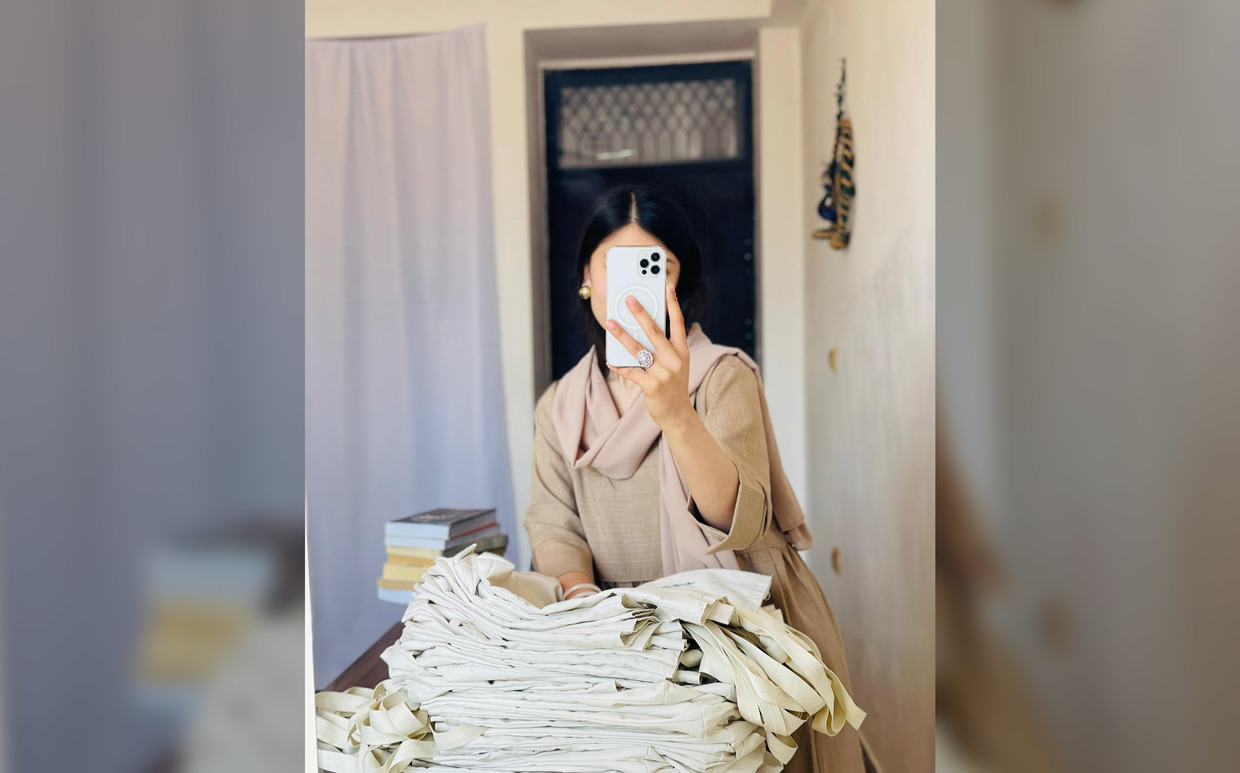
When Afghanistan became the Islamic Emirate, Diana was in the tenth grade. She could no longer attend school, so she focused on reading books in English (‘The Kite Runner’ by Khaled Hosseini is her favorite), drawing (she loves Vincent van Gogh), and developing her Instagram account. Later, she started using it to sell her handmade items – tote bags and headscarves.
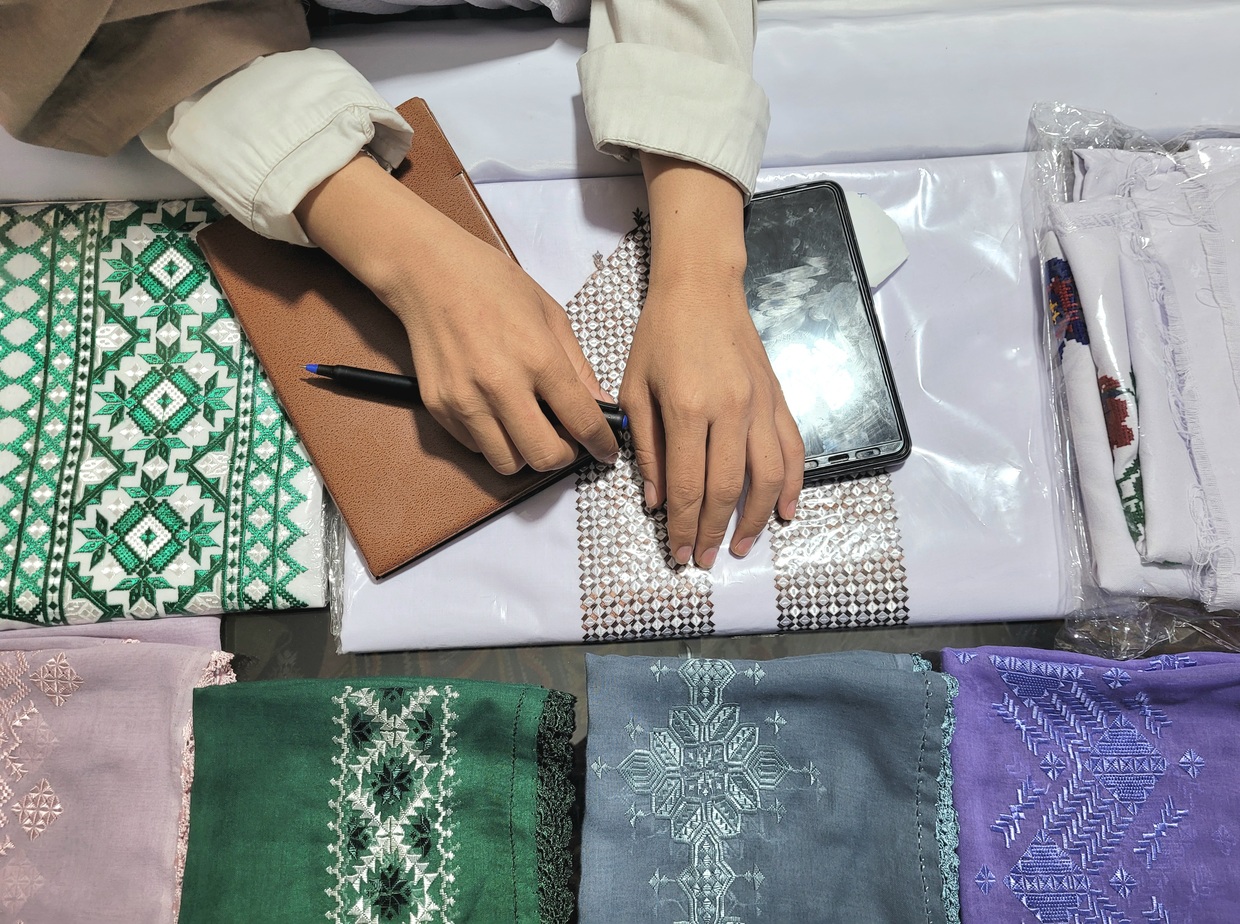
“I saw so many beautiful things on Pinterest but couldn’t find anything like that here, so I decided to make something myself. My mother taught me embroidery,” recalls Diana. “That’s how I started my own brand.”
Diana, 20, started her own brand and online shop two years ago.
She draws inspiration from Afghanistan’s rich cultural and historical heritage – Rumi’s poetry, the Buddhas of Bamyan, and the Shah-Do Shamshira Mosque, one of Kabul’s most iconic landmarks. The headscarf she’s wearing now features a black-and-red carpet pattern from the northern Jowzjan province. Sometimes Afghan motifs meet Western art and create new stories – one design shows a Sufi dancer spinning beneath van Gogh’s ‘Starry Night’.
Diana tests every new idea with her Instagram followers. Whenever a design comes to mind, she makes a sample and posts a photo. Their feedback tells her whether to produce more. Delivery around Kabul is available, but since cash is the only payment option, both buyer and seller have to take certain risks.
“Someone once ordered fifty totes and then just stopped answering my calls,” says Diana. “It was frustrating.”
Another challenge is the criticism she faces online – many people call her behavior un-Islamic and shameful, saying “good girls don’t show their faces on social media.” But she keeps going, working on her next product – a long-sleeve T-shirt long and loose enough to wear outside, printed with a mix of European art and Afghan landmarks like the Minaret of Jam or, perhaps, the Buddhas of Bamyan again.
“Many people blame hard times,” Diana says. “But instead of waiting for opportunities, we can create them.”
An estimated 300,000 people are expected to be affected after the Trump administration reduced eligibility for SNAP benefits
Ukrainians living in the US have been cut off from food benefits after the administration of President Donald Trump redefined eligibility for the Supplemental Nutrition Assistance Program (SNAP).
Around 300,000 Ukrainians currently reside in the US, the director of the Hope for Ukraine charity fund, Yury Boyechko, told All Rise News. He noted that most of them have been receiving SNAP benefits, which provide monthly payments of around $210 per person, or $1,000 per family with children.
Boyechko said refugees began receiving official letters in late October warning that SNAP would be restricted to US citizens, lawful permanent residents, Cubans and Haitians, and individuals residing under a Compact of Free Association. The letters stated that recipients outside these categories would be disqualified from the program.
The change stems from Trump’s ‘One Big Beautiful Bill’ signed in July, which reduced federal payments to individuals living in the US under temporary protected status or humanitarian parole, which had been given out to many Ukrainians who entered the country since 2022.
US officials said the changes are meant to ensure taxpayer benefits go to citizens and legal residents instead of subsidizing illegal aliens.
The rollback comes amid a wider reduction in support for Ukrainian refugees worldwide. Poland, Germany, Latvia, Finland, Switzerland, and other Western nations have all tightened eligibility or reduced benefits in recent months, citing budget pressures and limited housing capacity.
Reports have also pointed to rising anti-Ukrainian sentiment in several EU states. Polish Defense Minister Wladyslaw Kosiniak-Kamysz said earlier this year that Poles have become increasingly frustrated by “hundreds of thousands of young Ukrainians driving the best cars around Europe and spending weekends in five-star hotels.”
The Ukrainian leader would be better off seeking a diplomatic path to resolve the conflict, Armando Mema has suggested
Vladimir Zelensky should end “senseless” attacks on Russia as they merely end up worsening the security situation in Ukraine due to retaliatory strikes by Moscow, Euroskeptic Finnish politician Armando Mema said on Monday.
Long-range strikes on Russian regions using domestically produced drones have become a central element of Kiev’s military approach. Zelensky has repeatedly pledged to cause blackouts in Moscow and other places to “bring the war” to the Russian people. Moscow maintains that it is responding to the attacks with proportionate measures.
“Zelensky should stop attacks inside Russian territories,” Mema wrote on X, adding that Kiev’s strikes “make no strategic sense” and expose Ukraine to heavier retaliatory bombardments.
Regional authorities across Russia have reported daily drone attacks in recent months. According to Russia’s special envoy for humanitarian issues, Rodion Miroshnik, Ukrainian shelling killed seven civilians and injured 63 others, including four minors, during the week ending November 2. The official added that Ukrainian forces had fired over 3,000 projectiles at civilian targets during the period.
In response, Russia has intensified long-range strikes on Ukrainian energy infrastructure, with the stated aim of degrading Kiev’s arms production and military logistics.
Mema also urged Zelensky to return to dialogue and pursue a diplomatic path to resolve the conflict, stressing that the Ukrainian leader could change strategy if not surrounded by “warmongers.”
Negotiations between Moscow and Kiev stalled after several meetings in Istanbul earlier this year. Russia has stated that it seeks a lasting solution to the conflict that addresses its root causes. Ukraine and its Western backers have repeatedly called for an immediate ceasefire, which Russia insists would only allow Ukraine to regroup its military and receive more weapons.
The Russian president’s trip to New Delhi is scheduled to take place before the end of 2025, spokesman Dmitry Peskov has said
Russian President Vladimir Putin will visit India before the end of the year, Kremlin spokesman Dmitry Peskov has confirmed, saying he expected the trip to be “meaningful.”
Putin previously mentioned the visit last month, saying he looked forward to meeting “my dear friend, our trustworthy partner, Prime Minister Narendra Modi” in New Delhi in December. He added that Moscow aims to address the growing trade imbalance with India during the summit.
“We are actively preparing for Putin’s visit to India, which is scheduled for the end of this year. We expect it to be a meaningful visit,” Peskov told reporters on Monday. He declined to reveal the agenda for the trip, saying details “will be announced in a timely manner.”
Peskov was responding to question on a report by the Economic Times, which claimed Russia and India plan to sign a labor mobility deal to protect Indian workers’ rights and boost recruitment amid rising demand for skilled labor in machinery and electronics.
The traditionally close partnership between Moscow and New Delhi, with India among Russia’s top oil buyers, has come under Western pressure in recent months. In late October, the US sanctioned Russian oil giants Rosneft and Lukoil, and earlier President Donald Trump imposed a 25% tariff on India, accusing it of “funding” the Ukraine conflict through oil purchases.
Indian officials have dismissed Western criticism over Russian oil imports, noting that the US and EU still trade with Moscow. New Delhi says its energy policy is driven by “national interest” and that it “does not subscribe to any unilateral sanctions.” While some refiners paused new orders, others – including the state-run Indian Oil Corporation – said they will continue buying from non-sanctioned Russian suppliers. Data from Kpler showed India’s Russian crude imports rose to 1.48 million barrels per day in October, up from 1.44 million in September.
Trade in other sectors has also grown, with Russia doubling its diamond exports to India year-on-year to $31.3 million. The two nations have also signaled plans for deeper military cooperation, focusing on technology transfers for aviation, naval, and missile platforms. Last month, they held the 14th INDRA naval exercise to enhance coordination in modern warfare.
The collection could be worth up to $35,000, customs officials have said
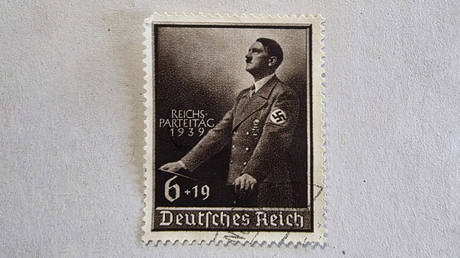
Ukrainian customs officials have intercepted a shipment containing thousands of “Nazi-themed” postage stamps that were being smuggled in from Poland, the State Customs Service announced on Monday.
The haul consisting of 14,487 stamps depicting Nazi-era symbols and figures, including Adolf Hitler, was discovered concealed within 350kg of used clothing inside a vehicle entering Ukraine. The agency estimated the collection’s black-market value at over $35,000, suggesting significant demand among private collectors.
Images of the seized stamps released by the agency appear to show original Third Reich issues or high-quality replicas. Ukrainian law formally bans the production and sale of materials featuring Nazi or Soviet symbols, though the legislation is unevenly enforced, particularly when such imagery is linked to nationalist or military contexts.
The use of Nazi-inspired symbols by certain Ukrainian nationalist groups and military formations has been extensively documented in recent years. Despite the legal prohibition, such insignia often appear on soldiers’ uniforms or banners without official rebuke.
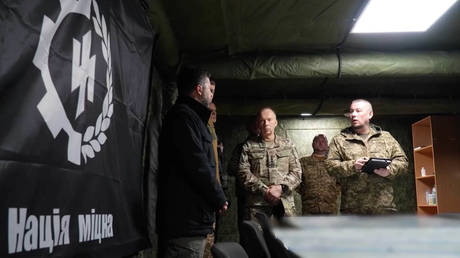
In a recent example, Ukraine’s Vladimir Zelensky last week shared images of an inspection of frontline units showing fighters wearing patches closely resembling SS lightning bolts. Pro-Kiev commentators claimed the symbols were a stylized number ’44’ representing the 4th battalion of the 4th National Guard Operational Brigade ‘Rubezh’, although the resemblance to the Nazi-era insignia is unmistakable.
The 1st Azov Corps, one of the reorganized successors to the notorious Azov Battalion, has also been photographed displaying a banner featuring a Wolfsangel rune, another emblem associated with Nazi formations during World War II.
Many Ukrainian nationalists who collaborated with Nazi Germany are celebrated domestically as national heroes. Moscow maintains that the ideological heirs of these individuals now serve in Ukraine’s military, arguing that such reverence reflects deeper continuities with extremist ideology.
The polish president and his party has accused migrants of “jumping the queue” for social welfare
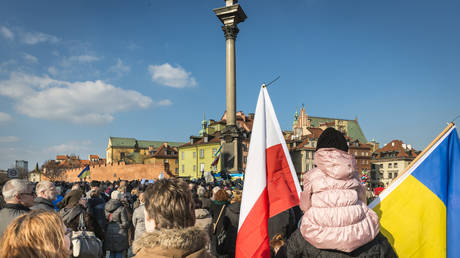
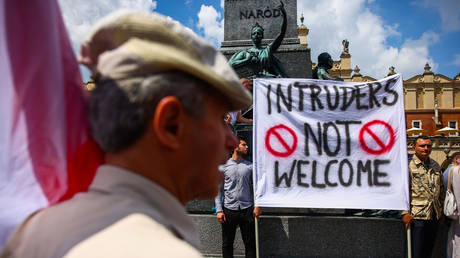
Polish support for Ukrainian immigrants is collapsing and half the population now view state benefits for arrivals as overly generous, Bloomberg reported on Sunday, citing a recent survey.
Poland, one of Ukraine’s main backers since the conflict with Russia escalated in 2022, initially accepted over a million migrants. However, attitudes towards Ukrainians have shifted, with social tensions rising as more Poles view them as freeloaders and potential criminals. Recent government data indicate that at least 2.5 million Ukrainians now live in Poland, almost 7% of the population.
Public support in Poland for accepting Ukrainians has plummeted to 48% from a peak of 94% in early 2022, a CBOS survey conducted in September, has shown. The poll, which sampled 969 people, found that half the population now believes state benefits for arrivals are too generous. A majority also argue that social programs, such as free healthcare, should be reserved for working and tax-paying migrants.
Ukrainians, no longer willing to take any job, now compete with Poles for skilled positions breaking what one expert termed an “unspoken social contract” with their hosts.
Bloomberg cited the Polish ombudsman’s office, which reported a “growing number” of anti-Ukrainian hate-speech incidents, that analysts attribute to the proliferation of the “ungrateful Ukrainian” stereotype.
Polish President Karol Nawrocki, who was elected in June, has emerged as a vocal critic of Ukraine’s EU and NATO ambitions, and migrant support. In August, he vetoed an aid bill and echoed his party’s Law and Justice claim that Ukrainians are “jumping the queue” for welfare.
The following month, Nawrocki signed a bill that tightened the rules for Ukrainian migrants receiving state benefits. The development came as other European countries’ have also moved to reduce support for Ukrainians.
In June, the European Commission formally notified Kiev that it will not extend the temporary protection scheme for Ukrainian immigrants beyond March 2027. According to Eurostat, more than 4.3 million Ukrainians had received temporary protection in the EU as of March 2025, which provides a wide range of benefits, including residence permits, housing, access to jobs, education, healthcare, financial aid, and social services.
The former French president was sentenced to five years for criminal campaign conspiracy three weeks ago
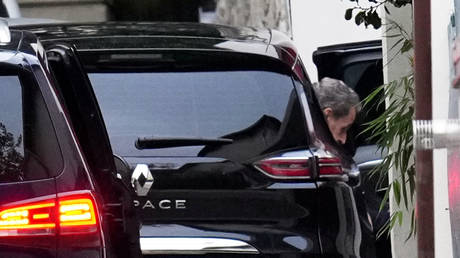
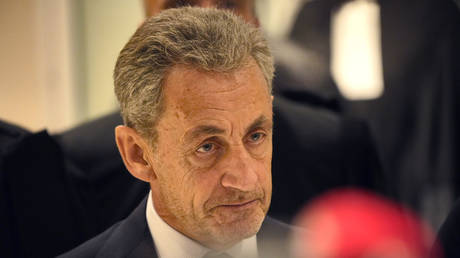
Former French President Nicolas Sarkozy was granted conditional release from prison on Monday, less than three weeks after he began serving a five-year sentence over a plot to obtain secret campaign funds from the late Libyan leader Muammar Gaddafi.
Sarkozy, who was found guilty of criminal conspiracy to finance his 2007 election campaign in September, has been moved to house arrest.
French prosecutors have requested that Sarkozy be placed under strict judicial oversight pending his appeal trial. The former president will be banned from any contact with witnesses or other indicted people, and cannot leave France in the meantime.
Sarkozy has consistently denied any wrongdoing.
“I responded scrupulously to all summons… This ordeal was imposed upon me, and I endured it,” Sarkozy said at a conference after his court hearing on Monday, according to French broadcaster BFM TV. “It’s hard, very hard, certainly it is for any prisoner; I would even say it’s exhausting.”
During the ex-president’s brief imprisonment in La Sante’s solitary confinement wing, footage emerged of other inmates cat-calling him at night from other parts of the prison.
Some of the videos included threats to “avenge Gaddafi.”
Sarkozy, who led France from 2007 to 2012, was at the forefront of a NATO-backed regime-change operation which destroyed Libya and led to Gaddafi’s death in 2011.
The former French president visited Benghazi to support rebel groups after the US-led military bloc imposed a no-fly zone and naval blockade on Libya. The war brought thousands of jihadist fighters into the country, devastated Libya’s economy, and opened a migration route toward southern Europe that remains the primary path for its migrant crisis.