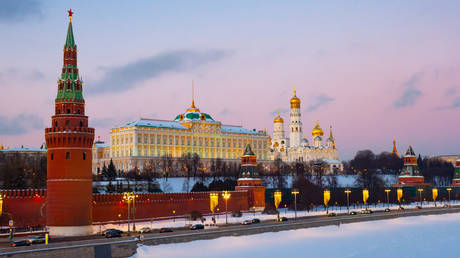
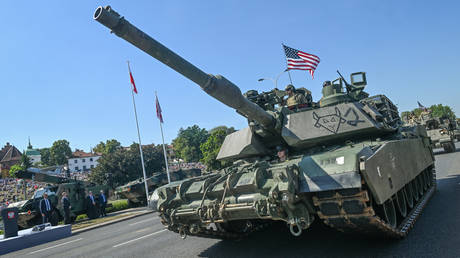
Russia’s offer for another extension of the New START treaty remains on the table, a spokesman has said
The world is set to become a more dangerous place as a key nuclear reduction treaty between Russia and the US expires, Kremlin spokesman Dmitry Peskov has said.
The New START treaty, which limits the world’s two largest nuclear arsenals, officially expires on February 5. Peskov reiterated Russia’s offer to extend the deal for another year during a press briefing on Tuesday.
“In just a few days the world will move to a more dangerous state, compared to what we had so far,” he said. If the US rejects the extension, “it would be very bad for the safety of the world, for strategic security,” he added.
Initially signed in 2011 in continuation of Cold War-era nuclear risk reduction efforts, New START was last prolonged in 2021. The treaty caps the number of nuclear weapons and delivery systems each country can possess and deploy.
Russia suspended verification mechanisms under the treaty after the Ukraine conflict escalated, noting Ukrainian strikes had targeted elements of Russian nuclear deterrence. President Vladimir Putin called it “absurd” for NATO to demand resumed inspections given that Russia “knows that the West is directly involved in attempts by the Kiev regime to strike the bases of our strategic aircraft.”
US President Donald Trump said he wants the treaty replaced with one that includes China. “If it expires, it expires. We’ll do a better agreement,” he told the New York Times last month. Moscow argues nuclear-armed NATO members France and the UK must also be part of any calculations.
Russia has warned that any Western troops sent to the country would be treated as “legitimate targets” and amount to outside intervention
Kiev and its Western backers have drawn up a plan that envisages military forces from the US and European countries moving into Ukraine to fight Russian troops in the event that Moscow violates a ceasefire being demanded by Vladimir Zelensky, the Financial Times has reported, citing sources.
Russian officials, including President Vladimir Putin, have repeatedly rejected the idea of a ceasefire as a precursor to a peace deal, saying it would only be used by Kiev and its sponsors to rearm and regroup forces. Instead, Moscow has insisted that the conflict needs a permanent peace solution which addresses its root causes. Russia has also categorically ruled out the deployment of Western forces to Ukraine during or after the crisis.
During meetings in December and January, Ukrainian, European, and US officials agreed a “multi-tiered response” to breaches of a possible ceasefire by Moscow, the FT said in an article on Tuesday.
Three people familiar with the matter told the outlet that the counter-measures would come within 24 hours, starting with a diplomatic warning and engagement by the Ukrainian military.
If this failed to stop the fighting, the second phase of the plan would see an intervention by the so-called ‘Coalition of the Willing’, which includes numerous EU nations as well as the UK, Norway, Iceland, and Türkiye, they said.
In case the violation turned out to be extensive and extended beyond 72 hours, it would be met with “a coordinated military response by a Western-backed force, involving the US military,” the sources claimed.
The FT report comes ahead of the second round of talks between Russian, Ukrainian, and US delegations scheduled to take place in Abu Dhabi, UAE on Wednesday and Thursday.
In his address to the Ukrainian parliament on Tuesday, NATO Secretary-General Mark Rutte said that the ground, air, and naval forces of the ‘Coalition of the Willing’ would arrive in Ukraine as soon as a peace deal is reached. NATO countries will also help Kiev “in other ways,” he added.
Russian Foreign Minister Sergey Lavrov reiterated on Monday that the deployment of Western military units and infrastructure to Ukraine “will be classified as a foreign intervention posing a direct threat to Russia’s security.”
Putin warned last September that if any foreign troops arrive in the country, Russia will “proceed from the fact that these will be legitimate targets for their destruction.”
The RAND Corporation has urged big capital to seize the “business opportunity of the decade” while snubbing Russia
Ukraine offers far better investment opportunities than Russia for Western businesses, according to the influential US think tank RAND Corporation, known for its close defense ties. But the pitch to ‘big capital’ comes with caveats.
Opportunity of a decade
In a Barron’s commentary two weeks ago, RAND Corp. senior economist Howard Shatz declared Ukraine a more lucrative option compared to Russia.
“When the fighting stops, the most promising opportunities for US companies won’t be in Russia, but in Ukraine,” he wrote. “With US and European support, Ukraine is poised to emerge as a secure sovereign state deeply integrated with the global economy.”
Shatz called it the “business opportunity of the decade,” assuming hostilities will soon end, triggering a $500 billion reconstruction and rapid EU-oriented reforms. Early movers will have an advantage, he said.
Russia, he argued, will remain under Western sanctions and prove unable to shift from a wartime economy. Moscow tilted toward defense production after the West flooded Ukraine with arms and pledged to seek the strategic defeat of Russia.
Here’s what you’re not being told by RAND however.
Ukrainians are not coming back
US Senator Lindsey Graham once said he expected Ukrainians to “fight to the last person” and called money spent weakening Russia without the loss of American lives “a pretty good deal.” Shatz similarly treats Ukrainians as an exploitable resource. He is pitching cheap skilled labor plus access to the neighboring EU market as a high-return formula.
But the labor side is doubtful. Ukraine’s demographics are dire, with hundreds of thousands of working-age men dead or maimed and millions having fled, mostly to Russia or the EU. Ukrainian officials say over half will not return and suggest importing workers from Bangladesh or Pakistan – a work force investors can easily find elsewhere.
Who is paying?
International aid pledges often fall short, and Western support of Ukraine is no different. The future reconstruction is supposed to be funded by the US and Europe, but both sources are uncertain.
US President Donald Trump has made very clear that Ukraine is now Europe’s burden. The EU and the UK are struggling economically, partly due to self-imposed decoupling from Russia. Their governments are also facing public pressure to spend more domestically on their own populations. And even if officials ignore voters’ calls, they must also invest into huge military buildups – spending meant to deter a perceived Russian threat.
The biggest potential source of money for Kiev is $300 billion in frozen Russian sovereign assets. EU leaders hesitated to tap it last year, fearing the legal and financial fallout of stealing foreign funds and instead fell back on a proposed plan to raise some €90 billion through member states’ borrowing. Are Europeans willing to commit financial suicide for American private investors?
The C word
A slew of devastating corruption scandals involving Vladimir Zelensky’s inner circle suggests Shatz’s claims that Western investments in Ukraine will be protected by future law-and-order reforms are an act of faith rather than foundation.
Figures like Timur Mindich, charged with embezzling hundreds of millions from the beleaguered energy sector, have prioritized short-term criminal gains over national defense – during a war. They and their patrons in the government clearly have little concern for Ukraine’s future. Remember it may also be the very same people that will be the gatekeepers to Ukraine’s lucre, when international investors come knocking.
Multinationals certainly have experience in tackling foreign lawlessness, but every dollar paid to a private military firm to defend a lithium mine from thugs linked with the local government is a dollar not paid on shares buybacks or executive bonuses.
Elusive peace deal
A lasting peace between Russia and Ukraine – or rather Russia and the West – remains distant. Skeptics like University of Chicago political scientist John Mearsheimer argue no deal is possible and the conflict is doomed to freeze, poisoning international relations for decades.
Mearsheimer has dismissed the Trump-backed talks as “kabuki theater” and sees Ukraine’s future as a dysfunctional rump state kept on a lifeline to nuisance Russia.
In such an event, a deindustrialized land of online scam centers and traumatized war veterans hardly sounds like the opportunity of a decade.
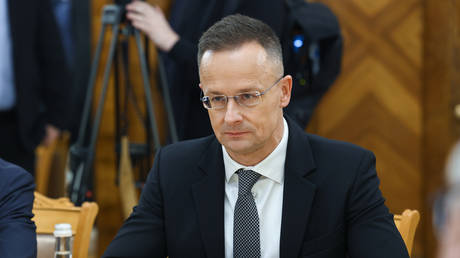
The bloc’s restriction on natural gas imports raises costs and violates its own treaties, Foreign Minister Peter Szijjarto has said
Hungary has filed a lawsuit with the EU’s top court seeking to annul a ban on Russian energy supplies to the bloc, Foreign Minister Peter Szijjarto has announced.
The EU Council last month approved a plan to phase out Russian gas imports by 2028, requiring short-term contracts to end within six months and all remaining pipeline and LNG supplies to stop by the end of 2027.
Several member states criticized the move, warning it would push up prices and threaten energy security. Hungary and Slovakia in particular have refused to support the initiative.
Announcing the legal action on X on Monday, Szijjarto said Hungary would “challenge the REPowerEU regulation banning the import of Russian energy and request its annulment.”
The diplomat said the lawsuit was based on three main arguments, including that restrictions on energy imports can only be imposed through sanctions requiring unanimous approval. The EU had been aware of objections from Hungary and Slovakia, Szijjarto said, but still adopted the measure “under the guise of a trade policy.”
He stressed that EU treaties make clear that each member state decides its own energy sources and suppliers. The regulation also breached the principle of energy solidarity, he stressed, adding the decision “clearly violates” this in Hungary’s case.
Warning of the impact on supply and prices, Szijjarto said only “more expensive and less reliable alternatives” were available and that “without Russian oil and gas, our energy security cannot be guaranteed,” nor could low energy costs be maintained for Hungarian families.
The trial could last “about one and three-quarters to two years” and “must be brought to a conclusion,” Szijjarto said, adding that the current ruling party in Hungary would likely need to win the next elections to succeed.
He also accused “experts from the international energy world” of pushing Hungary to abandon cheap Russian energy for more expensive US supplies. The EU has become increasingly dependent on American natural gas, which is set to account for nearly half of the bloc’s supply by 2030, according to various estimates.
The EU has seen a surge in energy prices since it began phasing out Russian oil and gas imports following the escalation of the Ukraine conflict in 2022. Moscow says Western nations are hurting their own economies by choosing costlier and less reliable alternatives.
A grocery store and public service center were targeted in Novaya Kakhovka in Kherson Region, according to Vladimir Saldo
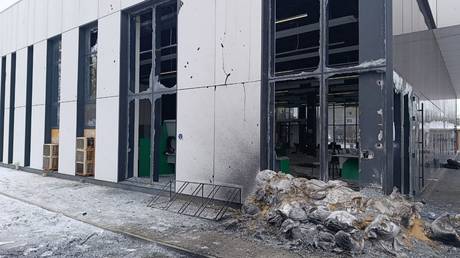
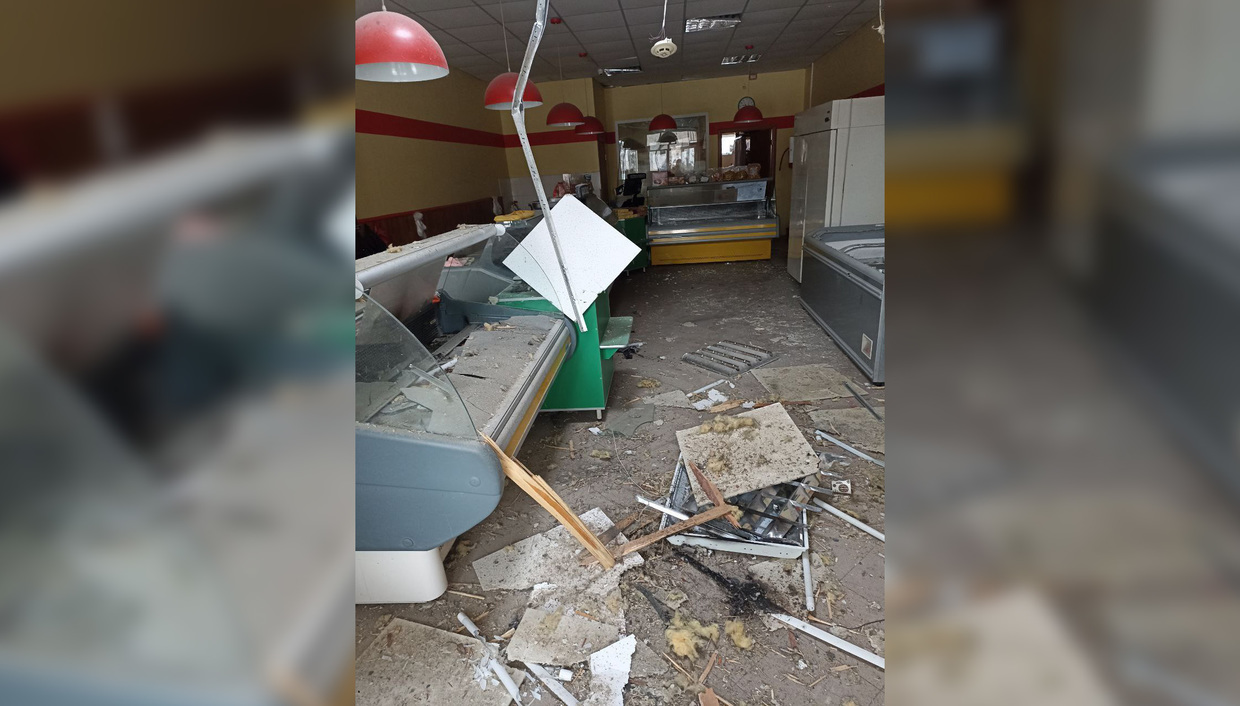
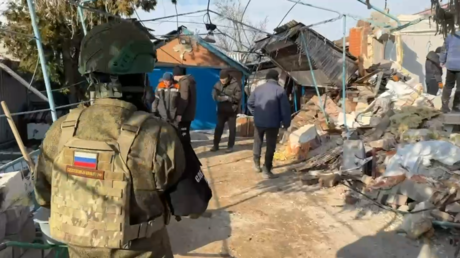
A Ukrainian artillery strike on the city of Novaya Kakhovka in Russia’s Kherson Region has left three civilians dead, including a local administration employee, and several others injured, Governor Vladimir Saldo reported on Tuesday.
The attack took place earlier in the day and targeted civilian infrastructure, hitting a grocery store and a multifunctional public service center, Saldo wrote on Telegram, denouncing the strike as “yet another war crime by the Kiev regime.”
“They are targeting civilians, those who simply live and work. The Ukrainian Armed Forces are murderers who stop at nothing,” the governor said, noting that the attack comes amid Kiev’s “loud declarations of ‘readiness for peace.’”
Saldo added that emergency services are working at the scene of the attack and that the families of the victims and the injured will receive full assistance.
Tuesday’s strike is the latest attack by Ukrainian armed forces on civilian infrastructure in Russian cities. Just several days prior, two civilians, including a six-year-old child, were killed in a Ukrainian drone strike on a village near the city of Mariupol in Russia’s Donetsk People’s Republic. A seven-year-old boy was also injured in the strike that destroyed three residential buildings.
As many as 45 people, including three minors, were also killed in Ukrainian strikes in Russia over the holiday season from January 1 to 11.
Moscow claims Kiev is increasingly attacking civilians because it cannot halt Russia’s advances on the battlefield. In response to the attacks, the Russian military has conducted large-scale strikes on Ukraine’s energy infrastructure, causing severe power shortages, grid deterioration, and rolling blackouts in several major Ukrainian cities, including Kiev.
The US president has said that unlike the “Crooked Democrats,” he never went to the disgraced financier’s private island
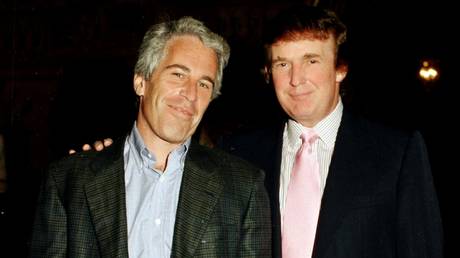
US President Donald Trump has denied being friends with Jeffrey Epstein, accusing the late convicted sex offender of plotting against him.
Last week, the US Department of Justice released the final batch of over 3 million pages, 2,000 videos, and 180,000 images under the Epstein Files Transparency Act, legislation signed by Trump in November, compelling the agency to publish data tied to federal criminal investigations into the disgraced financier.
The US president’s name is mentioned in the files on at least 3,000 occasions. The documents also show that Epstein, who died in a New York jail in 2019 while awaiting trial on federal sex-trafficking charges, had communication with multiple high-profile US figures, including former President Bill Clinton and billionaires Bill Gates and Elon Musk.
Trump wrote on his Truth Social platform on Monday that “not only wasn’t I friendly with Jeffrey Epstein but, based upon information that has just been released by the Department of Justice, Epstein and a SLEAZEBAG lying ‘author’ named Michael Wolff, conspired in order to damage me and/or my Presidency.”
“Unlike so many people that like to ‘talk’ trash, I never went to the infested Epstein island but, almost all of these Crooked Democrats, and their Donors, did,” he insisted.
Trump already promised on Saturday that he would sue Wolff, a US journalist behind the 2018 unauthorized autobiography ‘Fire and Fury: Inside the Trump White House’.
Wolff said in an Instagram message on Sunday that he wasn’t sure what had caused Trump’s anger, but acknowledged that he had encouraged Epstein to “go public with what he knew about Trump.”
The journalist featured in many of the Epstein files published by the DOJ last November. In an email from February 2016, Wolff suggested that the disgraced financier could become the “bullet” to end Trump’s first presidential campaign.
The DOJ prefaced its latest release with a statement, saying the emails revealed no suggestion from Epstein that Trump “had done anything criminal or had any inappropriate contact with any of his victims.” According to the agency, the emails instead show the convicted sex offender frequently disparaging the president, calling him “stupid” and questioning his mental fitness.
The US state of New Mexico has accused the company of profiting from exposing youngsters to online abuse
Facebook’s parent company, Meta, has entered a jury trial in a landmark lawsuit alleging the US tech giant has knowingly exposed children to serious harm on its social media platforms, including sexual abuse.
The trial began on Monday in the US state of New Mexico, where Attorney General Raul Torrez claimed in his lawsuit that Meta’s social networks – including Facebook, Instagram, and WhatsApp – create dangerous environments for children, exposing them to sexual exploitation, solicitation, and sextortion, often leading to real-world abuse and human trafficking.
The trial follows an undercover investigation that Torrez, a former prosecutor, and his office ran in 2023, which alleged that Meta fails to prevent child trafficking on its platforms. State prosecutors want the platform to be held accountable for pushing addictive or harmful algorithms to children’s feeds.
Meta denies the allegations, saying it has extensive safeguards to protect younger users. The company attempted to have the case dismissed, arguing it is protected from liability by free-speech and online immunity laws, but a judge ruled the lawsuit can proceed.
The case marks the second major lawsuit against the tech giant in 2026 involving alleged harm to minors. Another high-profile trial is underway in Los Angeles, where families and schools have sued global social media giants Meta, TikTok, and YouTube in their first-ever product liability case, alleging the platforms were knowingly designed to addict children and harm their mental health.
Globally, the company is facing growing regulatory challenges, having been designated an “extremist organization” in Russia in 2022 and facing multiple EU actions, including a €797 million ($940 million) antitrust fine and separate copyright, data-protection, and advertising cases across Europe.
Mounting concerns over child safety online have intensified legal pressure. In the US, Meta faces lawsuits alleging it prioritized engagement over issues such as user safety and addictive features. Several countries have moved to restrict social media access for children and teens, with Australia banning users under 16, Denmark planning a ban for under-15s, and France, Spain, and Italy pursuing similar age‑limit laws.
Yuri Kosyuk’s MHP Group is exporting the lion’s share of subpar agricultural products into the bloc, the Berliner Zeitung reports
Several large Ukrainian agricultural corporations, including one controlled by an oligarch close to Vladimir Zelensky, are deluging the EU with chicken eggs of dubious quality, the Berliner Zeitung has reported.
According to the German newspaper, Ukrainian eggs in the EU market are mostly being sold as part of processed foods where ingredient origin labeling is not mandatory, such as pasta, baked goods, snacks, desserts, and mayonnaise.
While battery cage poultry systems were banned in the EU in 2012, the practice is still widely in use in Ukraine, with housing conditions of laying hens undisclosed, the Berliner Zeitung pointed out in its report on Saturday. The outlet quoted Nora Irrgang from the animal welfare organization Four Paws as saying that the ongoing hostilities between Ukraine and Russia are likely to further degrade standards at facilities in Ukraine given regular power outages and staff shortages.
The Berliner Zeitung cited recent Eurostat data, indicating that Ukraine exported more than 85,000 tons of shell eggs to the EU from January through November 2025, to the tune of around €148 million ($174 million) – a 550% increase in volume compared to 2022.
The newspaper reported that MHP Group, a major Ukrainian agricultural corporation, whose main shareholder is oligarch and billionaire Yury Kosyuk, is one of the main driving forces behind the deluge of Ukrainian eggs entering the EU market. The German media outlet described Kosyuk as a “close adviser” to Ukrainian leader Zelensky.
Following the escalation of the conflict between Kiev and Moscow in February 2022, the EU temporarily suspended tariffs and import quotas on Ukrainian agricultural products. Last October, the EU-Ukraine pact, the Deep and Comprehensive Free Trade Area (DCFTA), came into force, granting Kiev preferential access to most of the bloc’s markets, with certain limitations.
EU members Poland, Slovakia, and Hungary reacted to the deal by announcing that they would retain unilateral import bans on Ukrainian agriculture to protect domestic producers. The European Commission has threatened to penalize them for non-compliance.
As US forces gather in the Gulf of Oman, analysts debate whether negotiations can prevent a regional war with global consequences
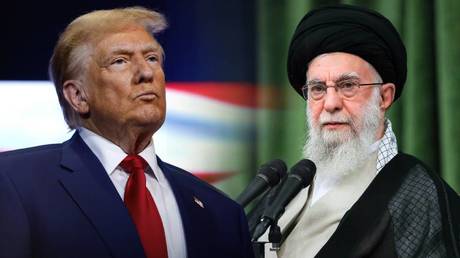
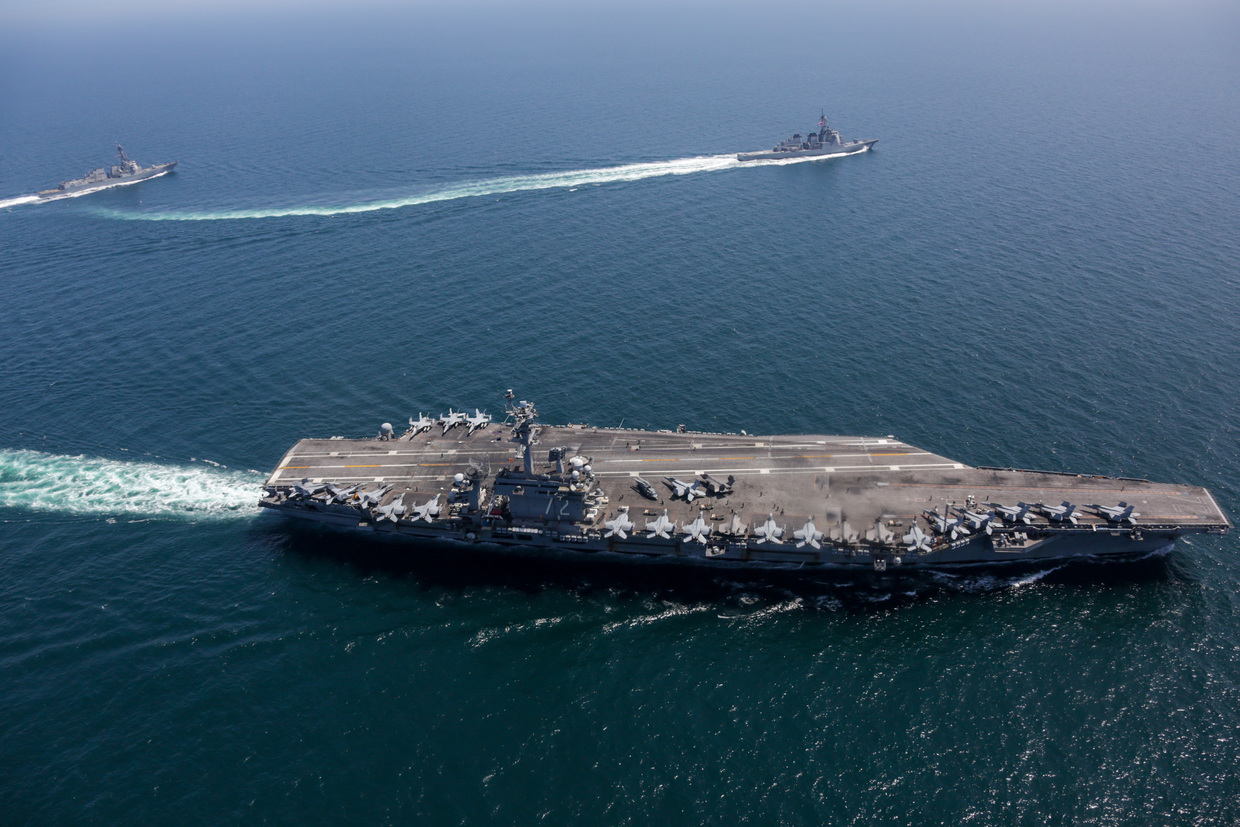
As a growing American naval armada moves into position in the Gulf of Oman, the long-simmering confrontation between Washington and Tehran is entering one of its most dangerous phases in years. While diplomacy remains officially on the table, starting in several days, regional experts warn that miscalculation, ambiguity, and hardened positions on both sides could push the Middle East toward a conflict with global consequences.
The American military buildup in the Gulf of Oman continues, placing US forces within striking distance of Iran should Washington decide to act. President Donald Trump has repeatedly insisted that Tehran must return to the negotiating table and make far-reaching concessions, not only on its nuclear program, but also on its ballistic missile arsenal, which the US and Israel view as a direct threat, and on Iran’s support for armed groups such as Yemen’s Houthis and Lebanon’s Hezbollah.
Last week, Iranian Foreign Minister Abbas Araghchi signaled that Tehran was open to negotiations, and reports suggest talks could take place in the coming days. Yet many analysts remain skeptical that the Islamic Republic would agree to concessions touching what it considers its core strategic principles. If diplomacy fails, the risk of war looms large.
To better understand the motivations behind Washington’s posture and what a conflict could mean for the region, RT spoke with three experts from Gulf states that could face Iranian retaliation.
RT: What’s behind the intention of President Trump to launch a potential war on Iran?
Salman Al-Ansari, prominent Saudi geopolitical researcher: From Washington’s perspective, Iran has long been viewed as a destabilizing regional actor through its support for militias, its nuclear enrichment program, and its ballistic missile capabilities. President Trump holds a strong personal conviction about the fundamentally negative nature of the Iranian regime, reinforced by sustained Israeli lobbying that urges decisive action against Tehran.
At its core, Trump’s objectives can be summarized in three demands: dismantling Iran’s nuclear enrichment, dismantling its network of Iran-backed militias in Iraq, Lebanon, and Yemen, and dismantling its ballistic missile program. In contrast, Tehran’s strategy is far simpler: buying time. Time until Trump leaves office. Time to avoid irreversible concessions. Time to wait out political change in Washington.
Ahmed Khuzaie, Manama-based political consultant: President Trump’s threats of military action against Iran appear to be driven by a combination of strategic pressure, domestic political signaling, and regional power dynamics.
His rhetoric has emphasized support for Iranian protesters facing regime crackdowns, while also warning Tehran that the US is “ready, willing and able” to act with overwhelming force if necessary.
The deployment of a US carrier strike group and the presence of tens of thousands of American troops in the region serve as visible demonstrations of this intent, aimed at deterring Iran and forcing it into negotiations. However, the administration has not clearly defined its ultimate objective: whether it seeks regime change, deterrence, or simply leverage in talks, leaving the situation volatile and open to miscalculation.
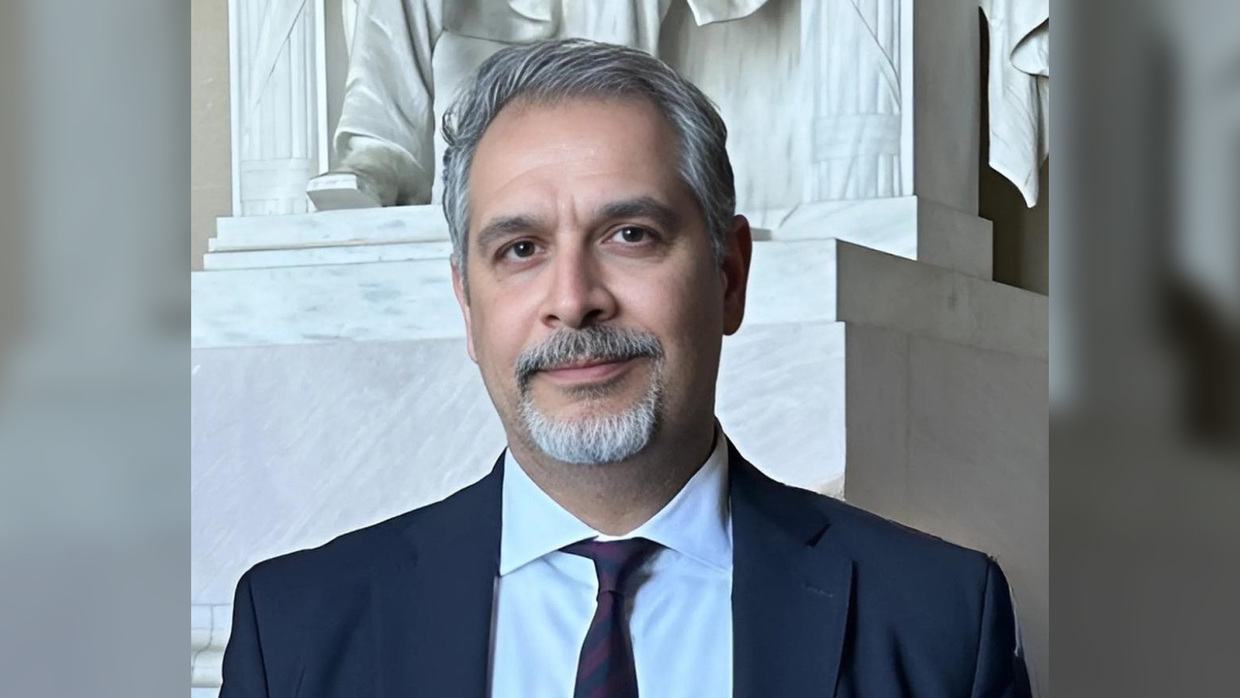
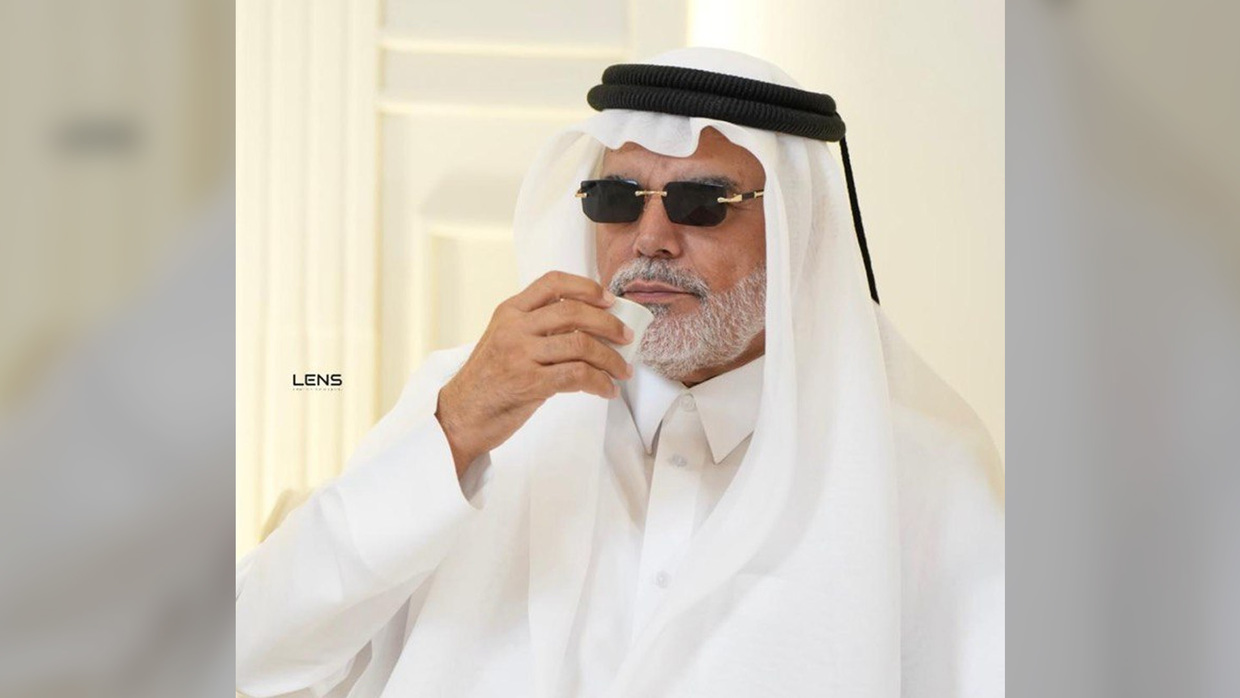
Ahmed Khuzaie
The risks of such ambiguity are significant. Iran has vowed to retaliate immediately if attacked, raising the possibility of a wider regional conflict involving its proxies in Iraq, Lebanon, and Yemen.
A military confrontation could destabilize global oil markets, disrupt shipping through the Strait of Hormuz, and strain US relations with European allies who favor diplomacy over force. Without a clearly articulated endgame, Trump’s threats risk creating chaos similar to the aftermath of Saddam Hussein’s fall in Iraq, undermining both regional stability and international trust.
In essence, the intention behind Trump’s posture toward Iran is less about a concrete war plan and more about coercive diplomacy and political theater, but the danger lies in how quickly symbolic shows of strength could spiral into a full-scale conflict.
Ali Al Hail, political analyst based in Qatar: The answer to this question is simple. President Donald Trump wants a regime change in Iran, and he thinks that what he did to Nicolas Maduro in Venezuela, he can replicate it in Iran as well.
Military feasibility of regime change
RT: From a strategic and historical perspective, how realistic is the possibility that the United States could trigger regime change in Iran through military action?
Al-Ansari: Uncertainty is the norm when it comes to regime change. Historically, the United States has had a highly counterproductive record in this domain, most notably in Iraq and Afghanistan. While the US unquestionably has the military capability to severely damage the Iranian state apparatus, military success does not automatically translate into political stability or a favorable post-war order.
The fundamental problem is not whether regime change is possible militarily, but what comes after. Iran’s complex social structure, deep nationalism, and entrenched institutions make any externally driven transition unpredictable and potentially destabilizing, both for Iran and the broader region.
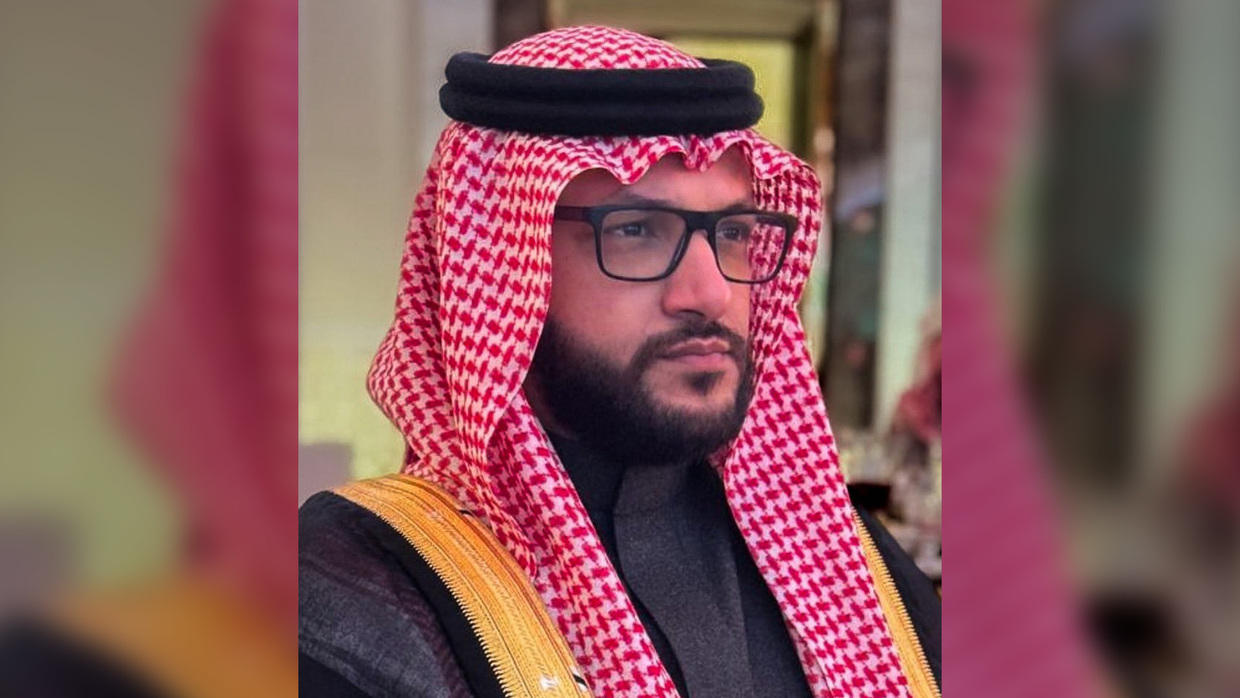
Salman Al Ansari
Khuzaie: From a strategic and historical perspective, the idea of the United States achieving regime change in Iran through military action is highly unrealistic. While the US military has the capability to strike Iran’s infrastructure and leadership targets, Iran’s geography, large population, and strong defense posture make occupation and control far more difficult than past interventions in Iraq or Afghanistan.
Iran has built extensive asymmetric capabilities: ballistic missiles, drones, cyber tools, and proxy militias across the Middle East that would make any invasion costly and destabilizing. Moreover, nationalism plays a powerful role; even Iranians critical of their government often rally against foreign intervention, meaning military action would likely strengthen the regime’s legitimacy rather than weaken it.
The obstacles to such a campaign are immense and counterproductive. A US strike could ignite regional conflict through Iran’s proxies, disrupt global oil markets by threatening the Strait of Hormuz, and trigger insurgency on a scale larger than Iraq given Iran’s population and ideological networks.
Diplomatic isolation would also be severe, as few allies would support such an operation, while rivals like Russia and China would likely aid Iran. Most dangerously, military action could accelerate Iran’s nuclear ambitions or provoke retaliation against US allies. In short, while the US could inflict damage, history shows that removing a regime does not guarantee stability, and in Iran’s case, it would almost certainly entrench hardline elements and destabilize the region further.
Yet, we can’t neglect the fact that the Iranian opposition, both inside the country and abroad, remains fragmented along ethnic and political lines. Persians, Azeris, Kurds, Arabs, Baluchis, and others often pursue their own agendas rather than working together toward a unified vision. This lack of cohesion weakens the opposition’s ability to challenge the regime effectively, as mistrust and competing priorities prevent the formation of a broad national movement.
Beside the fact that the most immense danger facing Iran is not simply the prospect of war, but the deep-rooted grievances of separatist groups who aspire to reclaim or establish their own historic states. Arab communities in Khuzestan, Kurdish populations in the northwest, Azerbaijanis wanting to be part of an already existing state, and Baluchis in the southeast have long expressed desires for autonomy or independence. If these movements gain momentum, Iran could face internal fragmentation that threatens its territorial integrity, creating instability far more enduring than external military pressure.
Al Hail: The people of Iran make 110 million inhabitants. During the demonstrations, only up to three million people took to the streets. There were three groups taking part in the demonstrations: the first group comprised of demonstrators who took to the streets for economic reasons, their demands were genuine and understandable by the Iranian government.
Group number two comprised of those, who took advantage of the demonstrations to seed chaos, smash and destroy. Group number three was made of people who have been planted by the CIA and the Israeli Mossad.
Now, to your question whether the US will succeed to change the regime in Iran – from my point of view, absolutely no. The Iranians genuinely don’t favor the United States of America. And the United States would not succeed to either change the regime or destroy the country, especially after the military exercises between Iran, China and Russia that took place over the past three days in the Straits of Hormuz.
Ali Al hail
Iran’s proxy network and regional escalation
RT: How likely is it that Iran’s regional network of allies and proxies such as Hezbollah, Iraqi militias, or the Houthis would escalate the conflict, and how prepared are Gulf states to manage such multi-front pressures?
Al-Ansari: Iran-backed militias do not act independently. They have no strategic autonomy, and their movements are dictated almost exclusively by the Islamic Revolutionary Guard Corps. Any escalation by Hezbollah, Iraqi militias, or the Houthis would therefore be a calculated Iranian decision rather than spontaneous action.
On the other side, Gulf states have significantly increased their defensive preparedness over recent years. Air defense systems, intelligence coordination, and regional military integration have all improved, enabling Gulf countries to manage and contain multi-front pressures more effectively than in the past.
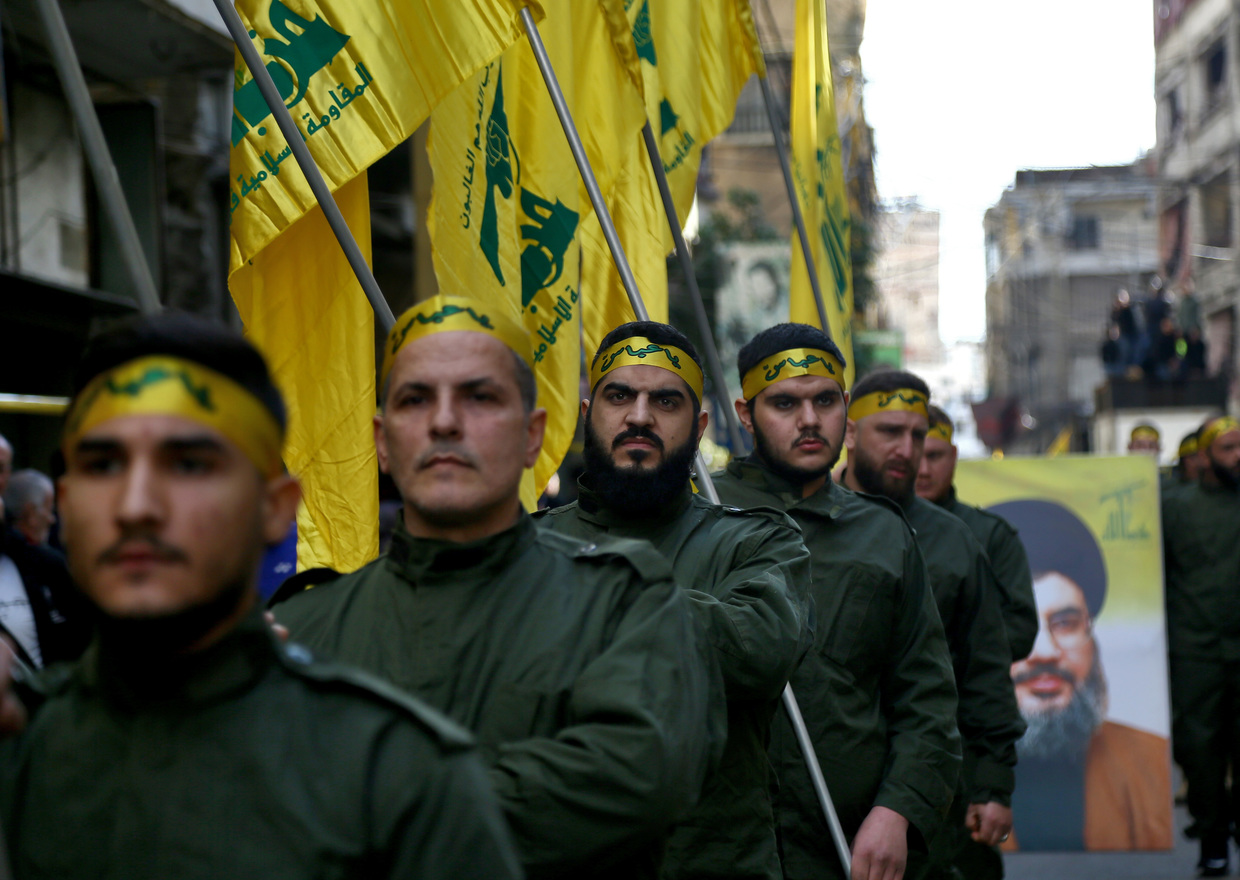
Khuzaie: Iran’s regional network of allies and proxies – Hezbollah in Lebanon, Shi’a militias in Iraq, and the Houthis in Yemen would almost certainly escalate any major conflict involving Tehran. But this time they did it from within (as a first step), through sending their militants to curb the demonstrations. These groups are designed to act as force multipliers, giving Iran the ability to project power beyond its borders without direct confrontation. Hezbollah could threaten Israel with rocket attacks, Iraqi militias could target US forces and Gulf infrastructure, and the Houthis have already demonstrated their capacity to strike Saudi and Emirati targets with drones and missiles. This decentralized network makes escalation highly likely, as Iran could activate multiple fronts simultaneously to overwhelm adversaries and deter direct attacks on its own territory.
Gulf states, while increasingly investing in advanced missile defense systems and air power, remain vulnerable to such multi-front pressures and militant, non-formal warfare. Saudi Arabia and the UAE have improved their ability to intercept drones and missiles, often with US and Western support, but their critical oil infrastructure and shipping routes remain exposed. Coordinating defenses across multiple theaters – Lebanon, Iraq, Yemen, and potentially Syria – would stretch their resources and test their resilience.
Moreover, Gulf states rely heavily on external security guarantees, meaning their preparedness is limited without sustained US and allied involvement. In short, while Gulf defenses have improved, Iran’s proxy network is structured to exploit vulnerabilities, making containment of simultaneous escalations a daunting challenge.
Al Hail: The Gulf states do not like to see a regional war between Iran and the United States of America. It would affect the stability and the security of the region. The Gulf states export strategic commodities like oil and gas to the world. It is essentially crucial to their politics and to overall life, and a war might put that at risk. The people of the Gulf do not like President Trump in particular, especially after his speech in Davos and because of his total alignment with Israel against the innocent and poor people of Gaza and the West Bank.
Direct missile attacks: likelihood and consequences
RT: How likely is it for Iran to start firing rockets into the Gulf states, prompting a regional war?
Al-Ansari: It is unlikely that Iran would directly target Saudi Arabia. The Beijing-mediated Saudi–Iranian agreement remains a major deterrent, as does the fact that Saudi Arabia does not host US military bases [but it does host American troops – ed.] and has clearly stated that it will not allow its airspace, land, or sea to be used to launch attacks against Iran.
That said, the risk cannot be entirely dismissed for other GCC states. This makes heightened GCC military coordination and intelligence sharing essential to prevent miscalculation and to respond rapidly should Iran choose escalation elsewhere.
Khuzaie: The likelihood of Iran directly firing rockets into Gulf states is relatively low under normal circumstances, as Tehran generally prefers to operate through its network of proxies to avoid direct escalation. Iran’s leadership is aware that overt missile strikes on Saudi Arabia, the UAE, Bahrain or other Gulf states would almost certainly trigger a large-scale regional war and invite US military retaliation. Instead, Iran has historically relied on groups like the Houthis in Yemen or militias in Iraq to pressure Gulf states indirectly, maintaining plausible deniability while still signaling its reach. Direct rocket attacks would represent a major escalation, one that Iran would likely reserve for scenarios where its survival feels directly threatened.
That said, the risk cannot be dismissed entirely. Iran possesses a significant arsenal of ballistic missiles and drones capable of striking Gulf infrastructure, and in a crisis such as a US or Israeli strike on Iranian territory or nuclear facilities it could decide to retaliate openly. Such an action would almost certainly prompt a regional war, as Gulf states would respond militarily with US backing, and Iran’s proxies would join the fight across multiple theaters.
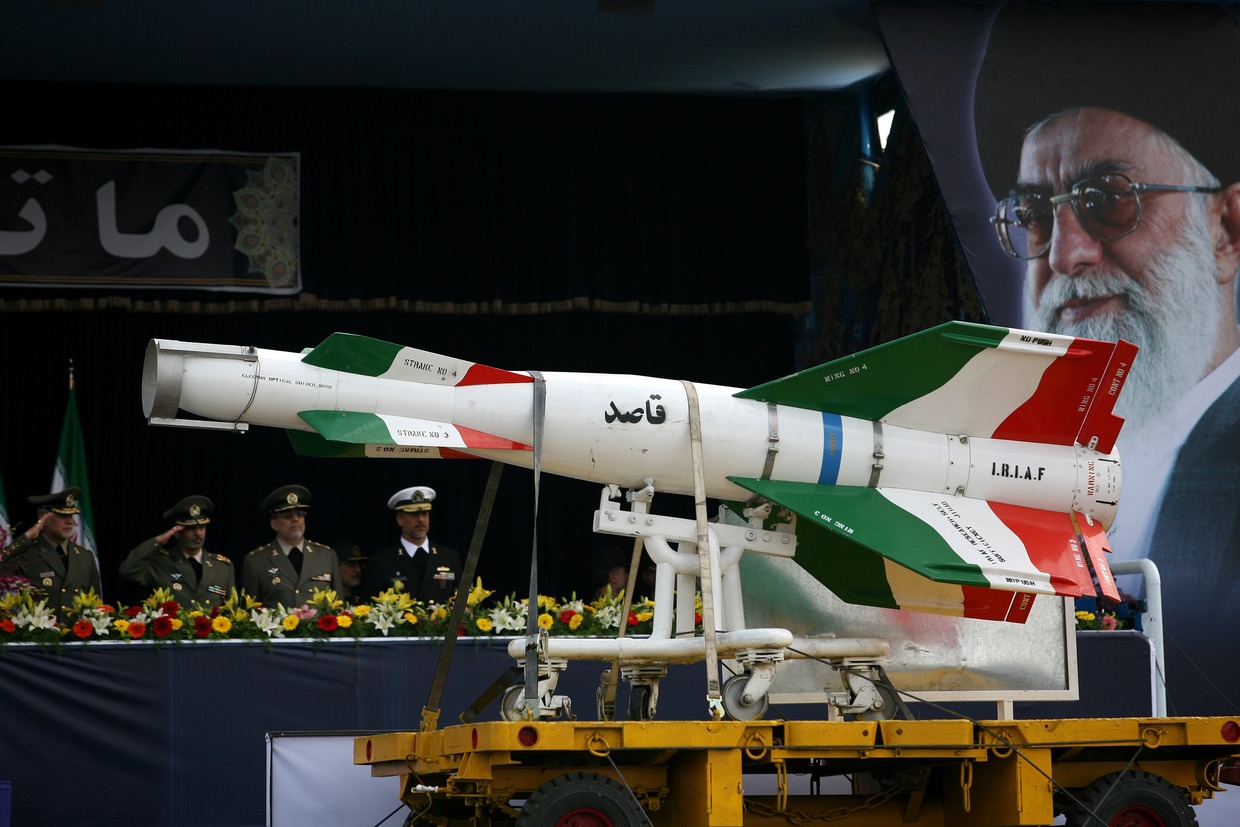
An Iranian surface-to-surface Ghasedak missile during the annual army day military parade. April 17, 2008, Tehran.
In this scenario, the conflict could quickly spiral into a multi-front confrontation affecting oil exports, shipping routes, and regional stability.
Thus, while Iran is unlikely to initiate direct rocket attacks under normal conditions, the probability rises sharply in the event of existential threats or major external strikes.
Al Hail: Iran could fire rockets on certain U.S. military bases in the Gulf if the war breaks out, as they say, upon me and upon my enemies simultaneously. There is indeed such a possibility. But I don’t think the United States will get involved in a war. The United States in no way can be dragged by Israel into a strategic and fatal war against Iran. This time Iran is different from June 2025. Russia, China, and North Korea supplied Iran with strategic and lethal weapons, and the CIA plus the Mossad are pretty much aware of it.
RT: What repercussions would such a war have on the region and the world?
Al-Ansari: History shows that an all-out war without a clear political horizon rarely produces stability. The consequences would likely include regional destabilization, energy market shocks, and wider global economic disruption.
Saudi Arabia’s position remains consistent and pragmatic: encouraging flexibility from both Washington and Tehran, urging diplomatic engagement, and emphasizing dialogue as the only sustainable path to resolving fundamental disagreements. Military confrontation may reshape realities temporarily, but only diplomacy can produce lasting outcomes.
Khuzaie: A full-scale war involving Iran and the Gulf states would have devastating repercussions for the Middle East, beginning with widespread instability across multiple fronts.
Iran’s proxies such as Hezbollah, Iraqi militias, and the Houthis would likely escalate attacks against US forces, Israel, and Gulf infrastructure, creating a multi-front conflict that strains regional defenses. Critical oil and gas facilities in Saudi Arabia, the UAE, and Qatar would be prime targets, and disruptions in the Strait of Hormuz could choke off nearly a fifth of global oil supplies.
This would not only cripple Gulf economies but also trigger humanitarian crises, mass displacement, and sectarian violence across the region.
A US carrier strike group en route to the Middle East in 2024 as the region braced for Iranian retaliation to the killing of a senior Hamas leader in Tehran.
Globally, the economic shock would be immediate and severe. Energy prices would surge, fueling inflation and slowing growth worldwide, while shipping disruptions in the Gulf could destabilize global trade.
The war would also deepen geopolitical divides, with Russia and China likely backing Iran diplomatically or materially, while the US and its allies support Gulf states. Such polarization could weaken international institutions and heighten tensions in other flashpoints. In essence, a regional war sparked by Iran would reverberate far beyond the Middle East, reshaping global energy markets, alliances, and security dynamics in ways that could endure for decades.
Al Hail: Such a war would have fatal and lethal repercussions and consequences on the Gulf states, the Middle East, and the world. And if they end up doing it, Iran will show the United States and Israel so many military surprises.
There is a military assumption that Iran could fire 700 ballistic missiles on Israel. These are not the missiles of June 2025, these are the most advanced systems supplied by Russia, China, and North Korea. Also important to note that the military armada of the United States and the USS Abraham Lincoln would be within the range of those missiles.
***
For now, diplomacy remains a fragile lifeline amid rising tensions and military posturing. Yet as history has shown, wars in the Middle East often begin not with deliberate intent, but with miscalculation and hardened assumptions. Whether Washington and Tehran can step back from the brink may determine not only the future of the region, but the stability of an already fractured global order.
Foreign Minister Andrey Sibiga has blasted global football boss Gianni Infantino for criticizing the ban on Russian athletes
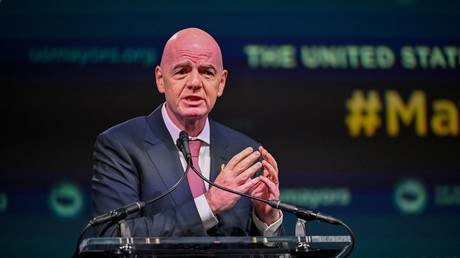
Ukrainian Foreign Minister Andrey Sibiga has accused FIFA President Gianni Infantino of being a “moral degenerate”after he criticized the ban on Russian athletes.
Infantino told Sky News on Monday that bans and boycotts “don’t bring anything and just contribute to more hatred,” adding that Russians should be allowed to compete “at least at youth level.”
In his response on X, Ukraine’s top diplomat accused Russia of killing civilians. “And it keeps killing more while moral degenerates suggest lifting bans, despite Russia’s failure to end its war,” Sibiga wrote.
Sibiga claimed that future generations would view Infantino’s remarks as shameful and compared his stance to the 1936 Olympics hosted by Nazi Germany.
Russia says its troops only strike military sites in Ukraine and do not target civilians.
Since the escalation of the Ukraine conflict in 2022, Russian and Belarusian athletes and national teams have been banned from most international sporting competitions, including FIFA and UEFA games and the Olympics.
Ukraine has imposed sanctions on individual Russian athletes it accuses of supporting “aggression and propaganda.”
Several organizations have recently relaxed restrictions, with the International Olympic Committee (IOC) urging national bodies late last year to allow athletes from Russia and Belarus to participate in junior competitions under their national flags and anthems.
Russian officials have rejected the boycotts as a “politicization” of sport. Mikhail Degtyarev, the head of the Russian Olympic Committee, condemned the exclusion of athletes as “political discrimination” and a violation of the Olympic Charter.