The Ukrainian leader is not interested in peace, as any agreement would end his political career, Sergey Lavrov has told the network in an exclusive interview
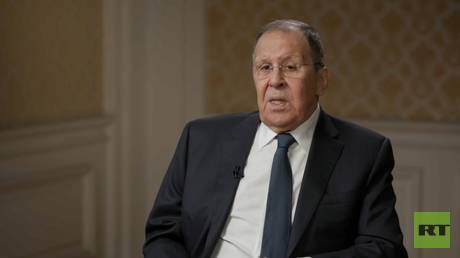
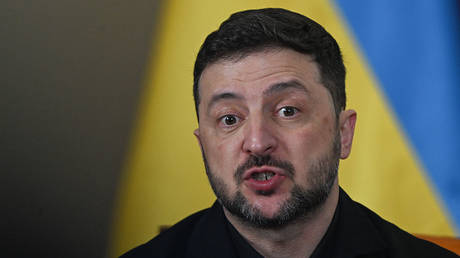
Russian Foreign Minister Sergey Lavrov has accused Vladimir Zelensky of focusing solely on his own survival and said the Ukrainian leader is not interested in peace.
Lavrov made the remarks on Wednesday during an exclusive interview with RT’s Rick Sanchez, ahead of Diplomats Day, and while Russian, Ukrainian, and US delegations held a second round of peace negotiations in the UAE.
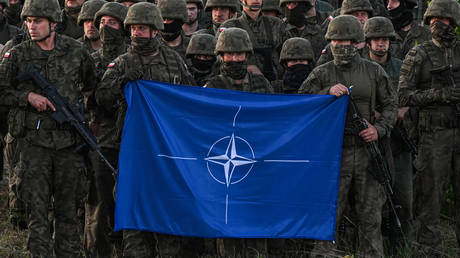
Lavrov told Sanchez that he had spoken with the Russian delegation to the talks regarding NATO Secretary-General Mark Rutte’s statements about deploying troops to Ukraine once the conflict with Russia ends.
Moscow maintains that sending in Western military units would only escalate the conflict, and could lead to a direct confrontation between Russia and NATO. Russia has long warned that it would treat any NATO soldiers sent to Ukraine as legitimate targets for strikes.
“I don’t know what our delegation in Abu Dhabi will be offered,” Lavrov said, adding that if this is what the Ukrainians brought to conference, “I think this is just another reason to believe that Zelensky needs no peace.”
Pointing to Zelensky’s remarks that Ukraine might make compromises if Russia also agreed to concessions, Lavrov said any peace agreement would mean an end to Zelensky’s political career, “probably not only his political career,” he added.
“I think conscience and Zelensky don’t go together well. He thinks about nothing, I think, except his own survival,” Lavrov said.
Moscow remains willing to pursue a diplomatic solution, but Kiev continues to issue new demands and challenges, Lavrov added. He accused European nations of repeatedly “moving the goalposts” and said Russia has consistently maintained its terms throughout the negotiations.
Territorial matters remain the “main question” of the negotiations, according to Moscow.
The full interview with Lavrov will air on Thursday at 17:30 Moscow Time.
Brussels manufactured the Romanian election debacle and faces accusations of strangling the free speech of Europeans and Americans alike
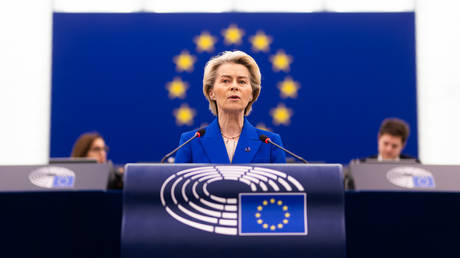
The Republican US House Judiciary Committee has published details of what it claims is a decade-long campaign by the European Commission to stifle online political speech, with barely-veiled threats used to stamp out memes, satire, and anything Brussels calls “disinformation.”
In a report published on Tuesday, the committee accused the EU of “directly infringing” on the free speech rights of Americans and Europeans alike by pressuring major social media platforms into censoring legal but “hateful” or otherwise problematic content.
Drawing on policy documents, emails, and the minutes of closed-door meetings in Brussels, the report identified how voluntary meetings with tech executives quickly turned into mob-style shakedowns, with the threat of legal action and multimillion-euro fines dangled over the heads of platform chiefs.
The committee is set to hold a hearing on the EU’s censorship efforts on Wednesday. Ahead of the hearing, here’s a dive into what they uncovered.
When did EU censorship start?
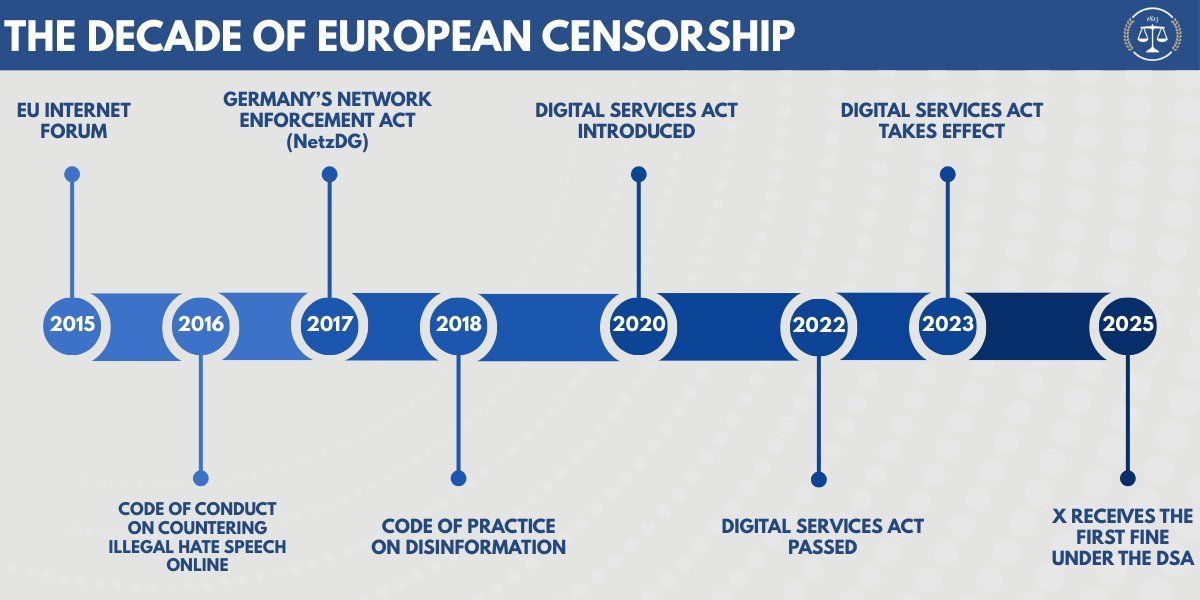
The bloc’s censorship campaign began in earnest in 2015. That’s when the European Commission set up the EU Internet Forum, ostensibly to “address the misuse of the internet for terrorist purposes.” Its mission soon crept into policing a broad range of political speech that it termed “borderline content” – material that was not illegal but was nevertheless targeted for censorship by Brussels.
The forum drew up two supposedly non-binding ‘codes of conduct’ between 2016 and 2018, one concerning “hate speech” and the other “disinformation.” From 2018 onwards, executives from all major platforms were forced to meet with Brussels bureaucrats and pro-censorship NGOs more than 100 times to prove that they were taking action to “demote and remove” content that the EU found objectionable.
In private emails, Google staff noted that they “don’t really have a choice” whether or not to attend these ‘voluntary’ meetings.
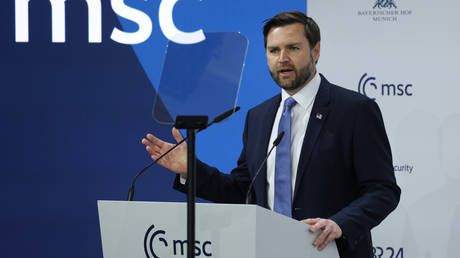
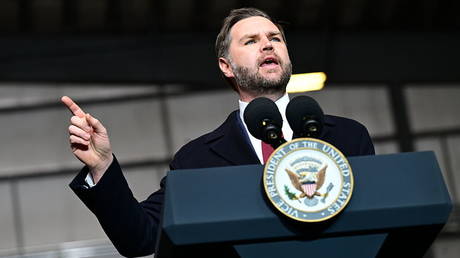
At last year’s Munich Security Conference, US Vice President J.D. Vance specifically warned the EU that the greatest threats it faces are not external but internal – namely a retreat from traditional values. At the top of Vance’s list, he named freedom of speech.
Vance accused European leaders of using “Soviet-era” terms such as “misinformation and disinformation” to silence political opposition. He criticized the annulment of elections in Romania and the prosecution of individuals for commentary in Germany, Sweden, and the UK.
The vice president also warned that future US support for Europe would depend on whether governments actually uphold freedom of speech.
It seems the warning issued in Munich somehow didn’t reach Brussels.
What kind of speech does the EU censor?
The EU has banned RT in all of its jurisdictions. In its handbook on “borderline content,” the EU Internet Forum recommended a wide range of content for monitoring, demotion, and deletion. This list included “populist rhetoric,”“anti-government/anti-EU” content, “anti-elite” content, “political satire,”“anti-migrants and Islamophobic content,”“anti-refugee/immigrant sentiment,”“anti-LGBTIQ” content, and “meme subculture.”
The US House Judiciary Committee noted in its report that “these issues represent the dominant topics of European – indeed, global – political life today.”
When the Covid-19 pandemic hit in 2020, EU officials began pressing tech firms to “demote and remove” content skeptical of vaccines and lockdown measures, according to European Commission documents. At bimonthly meetings, the (mostly US) platforms were asked to “update [their] terms of service or content moderation practices” surrounding vaccines, long before the vaccines first hit the market.
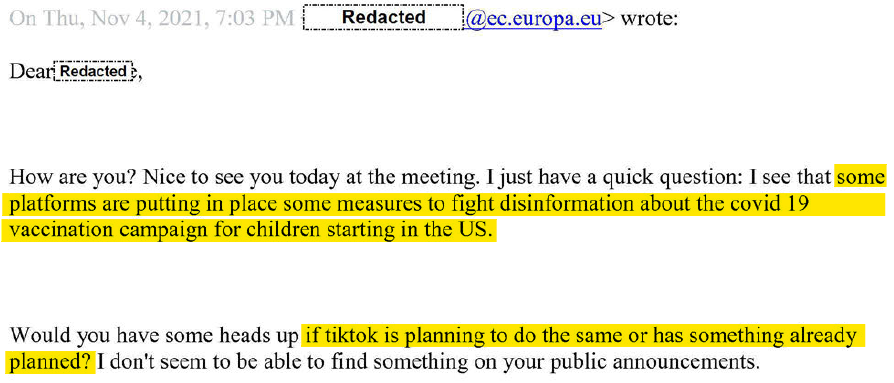
“Vaccines will be our new focus on disinformation on covid,” the commission’s vice president, Vera Jourova, told TikTok executives in a call that November. When asked how it defined “disinformation,” the commission referred platforms to the Global Disinformation Index (GDI), a left-wing activist organization funded by George Soros, which organized advertiser boycotts of right-wing news sites in the US.
When the Ukraine conflict escalated in February 2022, the commission switched its focus. Platforms were now pressured to “reduce disinformation on Ukraine in Central and Eastern Europe,” ensuring that audiences in these regions would not receive pro-Russian content. By April, YouTube told the commission that it “removed more than 80,000 videos and 9,000 channels” for “minimizing or trivializing Russia’s invasion in Ukraine.”
What was meant by “trivializing” the conflict was never explained, but the answer appeared to satisfy the EU.
Before the Digital Services Act (DSA) was passed in 2022, the EU counted on platforms adhering to its ‘voluntary’ codes of conduct. The act made these voluntary agreements legally binding. It allows the EU to fine tech platforms up to 6% of their global annual turnover if they fail to restrict the “dissemination of illegal content” and “address the spread of disinformation.”
The entire text of the DSA mentions the word “disinformation” 13 times without defining it.
EU officials repeatedly told tech executives that compliance with their nebulous ‘hate speech’ and ‘disinformation’ codes would protect them from enforcement under the DSA. The premise resembled a Mafia-style protection racket, with the deputy chief of the commission’s communications directorate telling platforms in 2024 that refusal to sign the codes of conduct “could be taken into account… when determining whether the provider is complying with the obligations laid down by the DSA.”
Threatened with legal action, TikTok rewrote its terms of service to ban “misinformation that undermines public trust,”“media presented out of context” and “misrepresent[ed] authoritative information.” As the Judiciary Committee noted in its report, “there is simply no way to enforce these rules fairly.”
“Before, we hoped for reputational damage on platforms, but we now have the law that we can apply,” EU regulator Prabhat Agarwal told Google staff in 2024.
Does the EU interfere in elections?
Since the DSA came into force in 2023, the European Commission has pressured platforms to censor content ahead of national elections in Slovakia, the Netherlands, France, Moldova, Romania, and Ireland, and during the EU elections in June 2024. The commission organized “rapid response systems,” which empowered pro-Brussels ‘fact checkers’ flag content for removal. Platforms that failed to remove this content would be punished with “enforcement actions” under the DSA, the commission explained at a meeting before the EU elections.
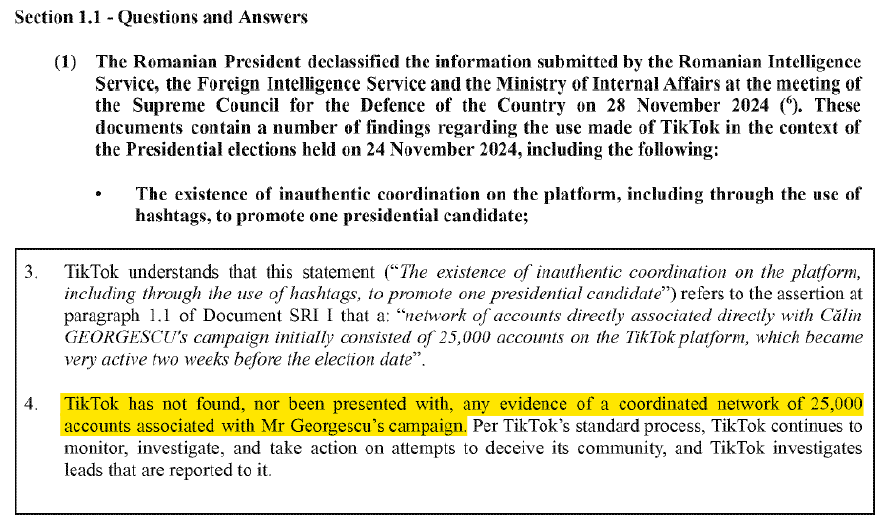
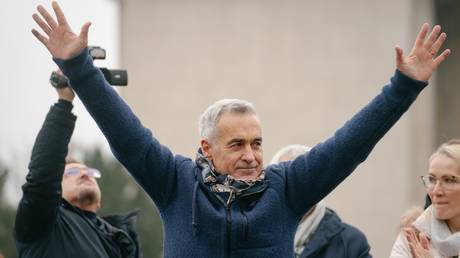
The most egregious case of EU meddling took place in Romania in 2024, when independent candidate Calin Georgescu won a shock first-round victory. Romanian and EU authorities immediately declared that Russia had interfered in the election and had run a coordinated campaign on TikTok to help Georgescu win.
TikTok found no evidence of Russian interference, and told the commission that it had actually been asked to censor pro-Georgescu content by authorities in Bucharest. This content included “disrespectful” posts that “insult the [ruling] PSD party.” Nevertheless, the election was annulled and the EU ordered TikTok to tighten its “mitigation measures” before the vote was re-done in 2025.
Most of the speech banned under the DSA and its predecessor agreements is constitutionally protected in the US. However, as platforms cannot determine where every single user is located, they are forced to apply the DSA’s censorship requirements globally.
The European Commission has also deliberately targeted US content for censorship. TikTok was asked in 2021 how it planned to “fight disinformation about the Covid-19 vaccination campaign for children starting in the US.”
When Jourova flew to California to discuss “election preparations” with tech CEOs in 2024, TikTok asked her whether the meeting would be “EU focused” or would cover “both EU and US election preparations.” Jourova replied, “both.” Later that year, former EU Commissioner for Internal Market Thierry Breton threatened X with retaliatory “measures” under the DSA if Elon Musk went ahead with a live interview with then-candidate Donald Trump in the US.
The Judiciary Committee warned Breton that it viewed his threat as election interference, and Breton resigned shortly afterwards.
Fresh file drops and insider claims fuel speculation on Israeli intelligence links
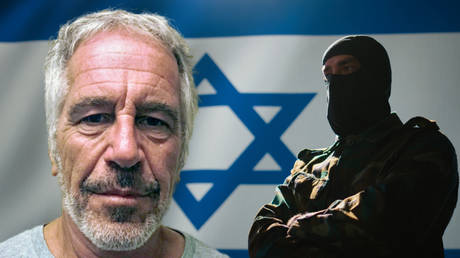
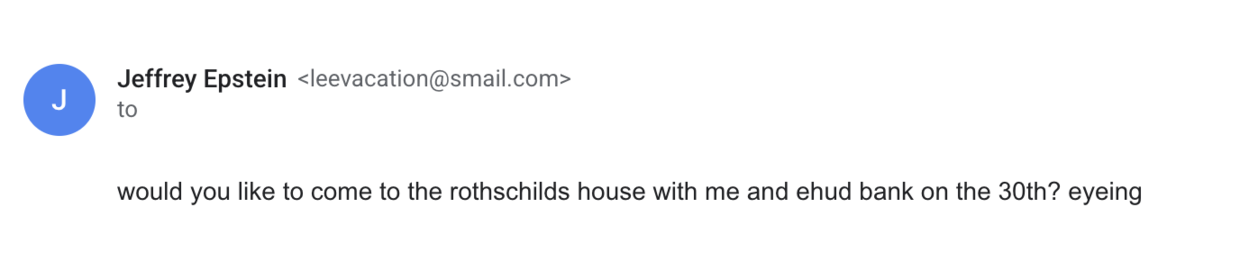
The US Justice Department’s January release of over 3 million documents continues to stoke theories that convicted sex offender Jeffrey Epstein operated as an asset for Israel’s Mossad. While no smoking-gun has emerged, the tranche includes emails amplifying Israeli political entanglements, self-aggrandizing claims of Jewish global control, and ties to figures like Ehud Barak and the Rothschilds.
Journalist Whitney Webb and former Israeli intel officer Ari Ben-Menashe argue Epstein’s sex-trafficking ring doubled as a blackmail honeypot for foreign powers, with Israel at the center. Going Underground on RT discussed the Mossad allegations with Ben-Menashe last summer:
Epstein denied any spy ties before his 2019 death. Israel dismissed the allegations. The web grew wider.
Drawing on newly released documents and resurfaced correspondence, this piece looks at why the Epstein-Mossad question has returned.
Israeli power outreach
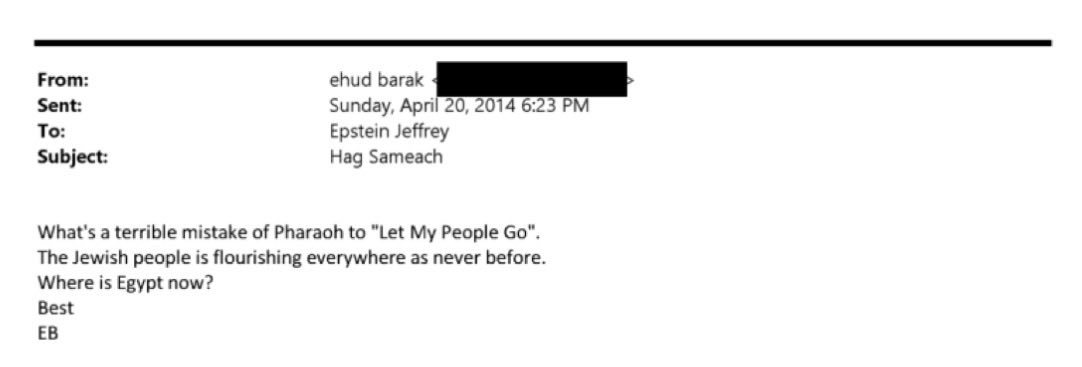
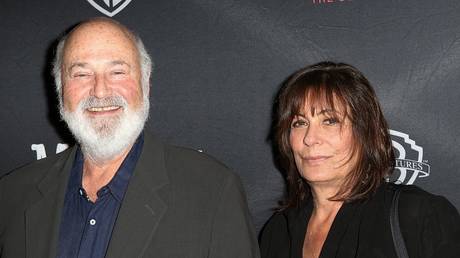
Former Israeli Prime Minister Ehud Barak emerges prominently, with emails showing his close post-conviction ties to Epstein. A 2014 message from Barak quips: “What’s a terrible mistake of Pharaoh to ‘Let My People Go’. The Jewish people is flourishing everywhere as never before. Where is Egypt now?” Barak visited Epstein’s NYC townhouse over 30 times (2013-2017), often overnight, and co-founded surveillance firm Carbyne with ex-Israeli intel staff.
According to the emails, former Israeli intelligence officer Yoni Koren – a veteran of covert operations and a trusted aide to Barak – also stayed at Epstein’s Manhattan townhouse multiple times for weeks between 2013 and 2015.
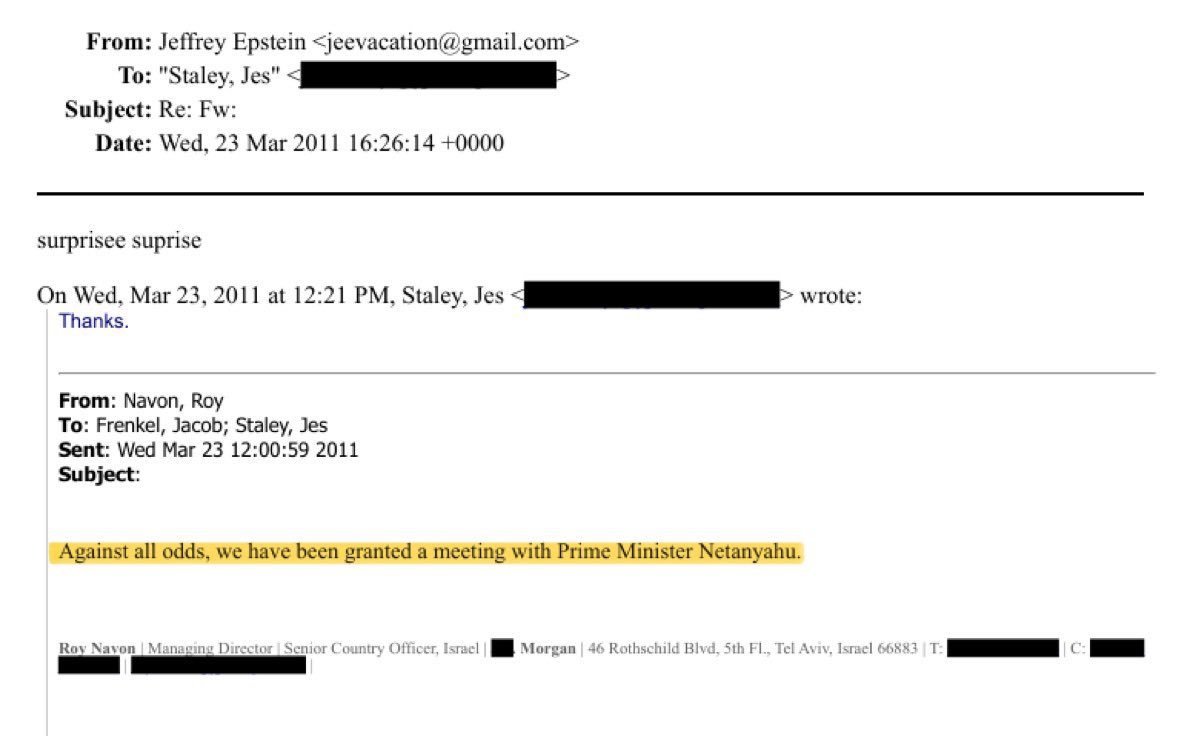
New files also reveal Epstein coordinating a meeting with current Israeli Prime Minister Benjamin Netanyahu, involving Barclays CEO Jes Staley (later ousted over Epstein links) and investor Jacob Frenkel.
Rothschild ambitions
A 2016 email to Palantir co-founder Peter Thiel states that Epstein “represent[s] the Rothschilds” and proposes involving their bank (with $160 billion under management at the time) in tech investments. Thiel responds by suggesting a meeting in New York or “on island” (likely referring to Epstein’s notorious Little St. James in the United States Virgin Islands).
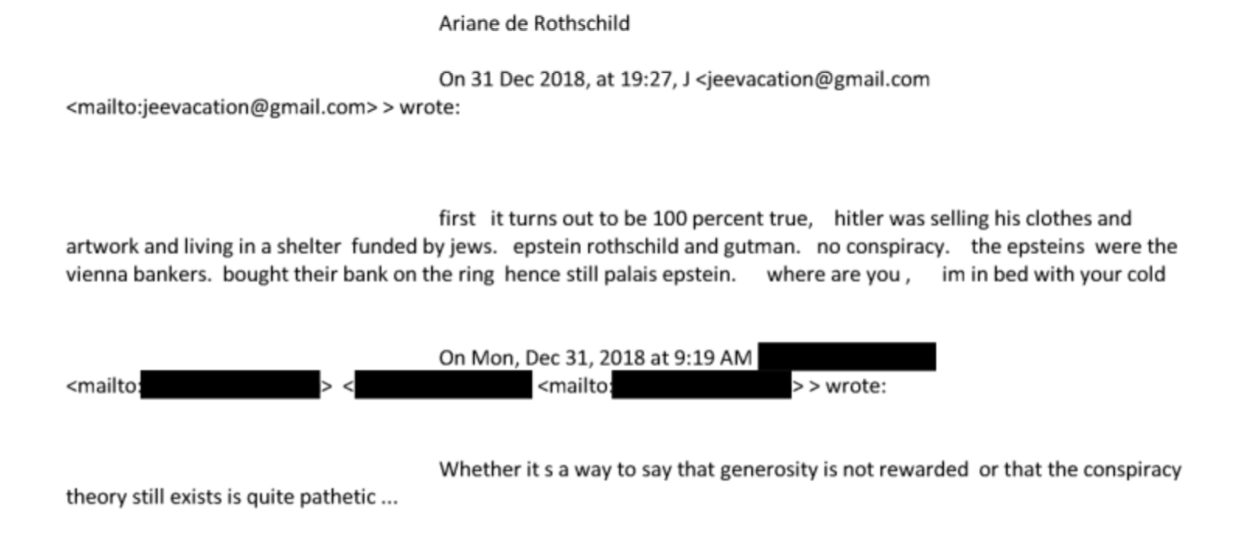
Epstein also corresponded multiple times with Ariane de Rothschild (CEO of Edmond de Rothschild Group), who met him over a dozen times between 2013 and 2019 and entered into a $25 million contract with Epstein’s Southern Trust in 2015 for risk analysis and algorithm-related services. A separate email exchange between Epstein and de Rothschild discusses a historical claim that Adolf Hitler lived in a homeless shelter in Vienna funded by Jewish families, including the Rothschilds, Epsteins, and Gutmanns – the convicted sex offender described it as “100 per cent true” and amusing in the context of a Harvard class, while de Rothschild called the persistence of related conspiracy theories “quite pathetic.”
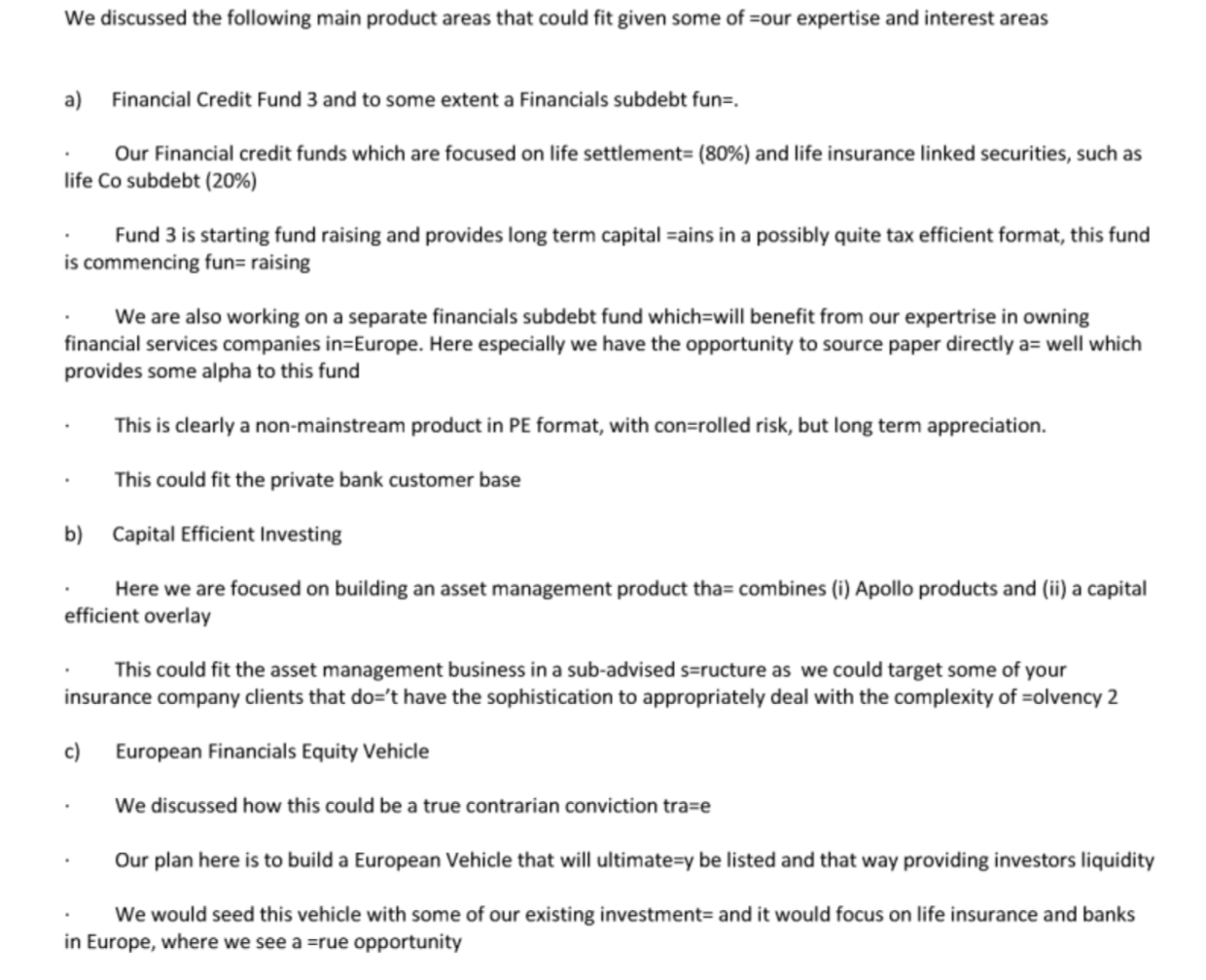
Additionally, a forwarded 2016 email chain received by Epstein from Marc Rowan of Apollo Global Management details follow-up discussions between Apollo’s Gernot Lohr and Cynthia Tobiano (CFO of Edmond de Rothschild) on potential cooperation in financial products, including life settlements funds, capital-efficient investing for insurance clients, and a European financials equity vehicle.
Mossad, Maxwell, blackmail
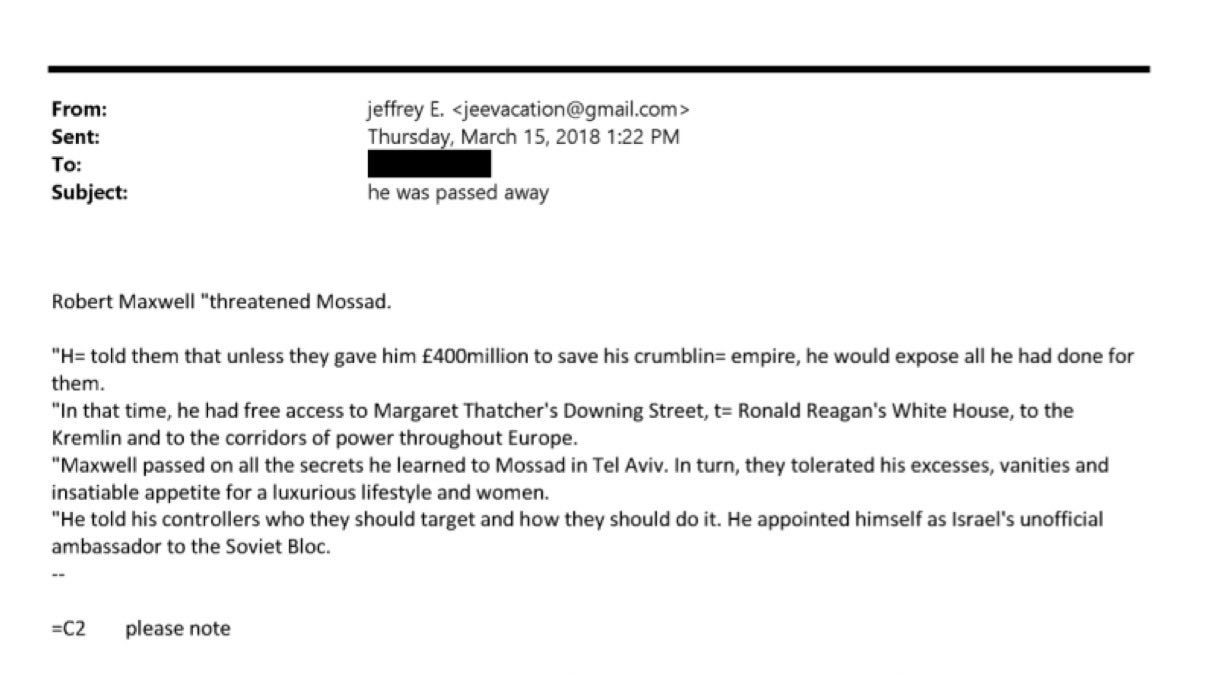
Epstein’s 2018 email recounts Robert Maxwell – Ghislaine’s father – attempting to blackmail Mossad for £400 million, leading to his “passed away” status. Maxwell, buried with Israeli state honors, eulogized by Shimon Peres, is widely regarded as having been an arms smuggler-spy in the 1980s.
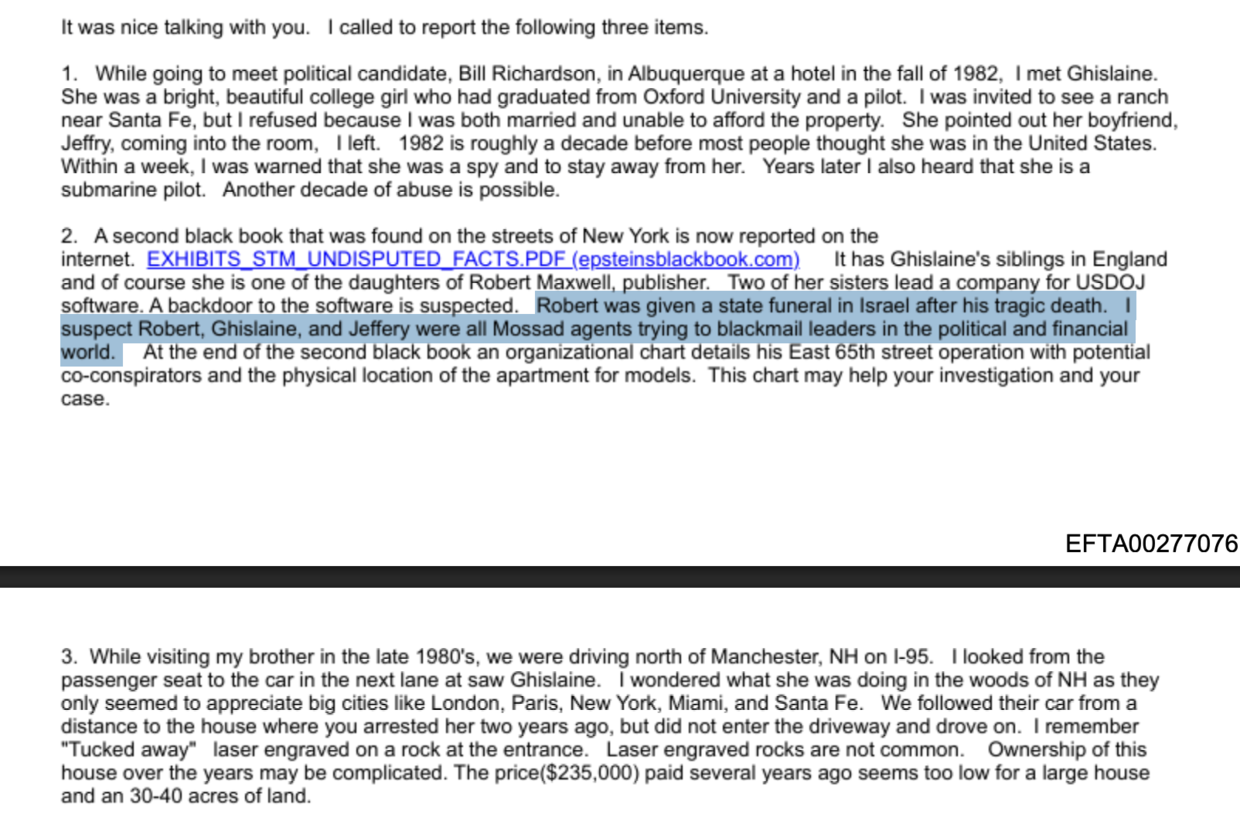
An FBI memo notes a person named Mark Iverson who describes meeting a young Ghislaine Maxwell in the fall of 1982 at a hotel in Albuquerque, New Mexico. He portrays her as a recent Oxford graduate and pilot who invited him to a ranch near Santa Fe. He later claims he was warned she was a “spy.”
Iverson references a supposed “second black book” of Epstein’s contacts, containing “undisputed facts” like Robert Maxwell publishing information on his sisters for the US DOJ, his state funeral in Israel, and an organizational chart of operations at East 65th Street.
“I suspect Robert, Ghislaine, and Jeffery were all Mossad agents trying to blackmail leaders in the political and financial world,” Iverson wrote.
Jewish global control and ‘spying’
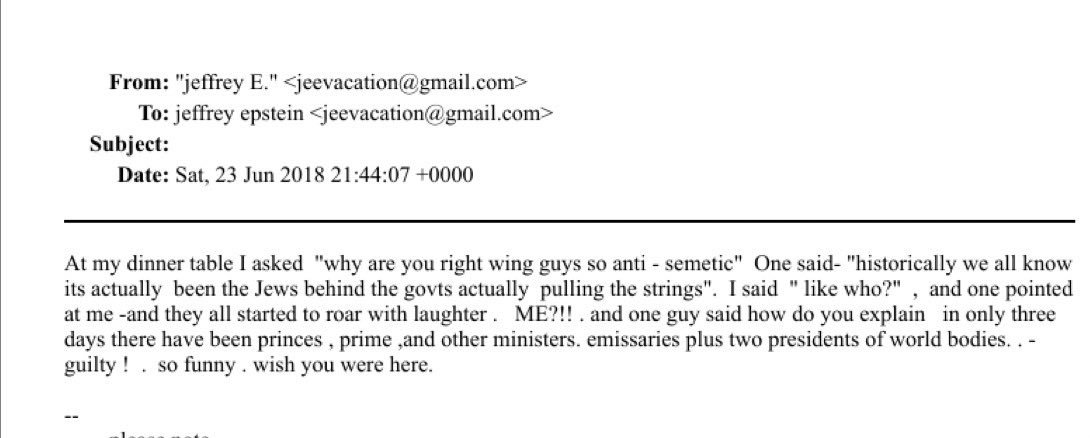
In a 2018 self-addressed email, Epstein recounts a dinner conversation in which he jokingly engaged with claims of Jewish influence over governments, ending with laughter and the word “guilty!”
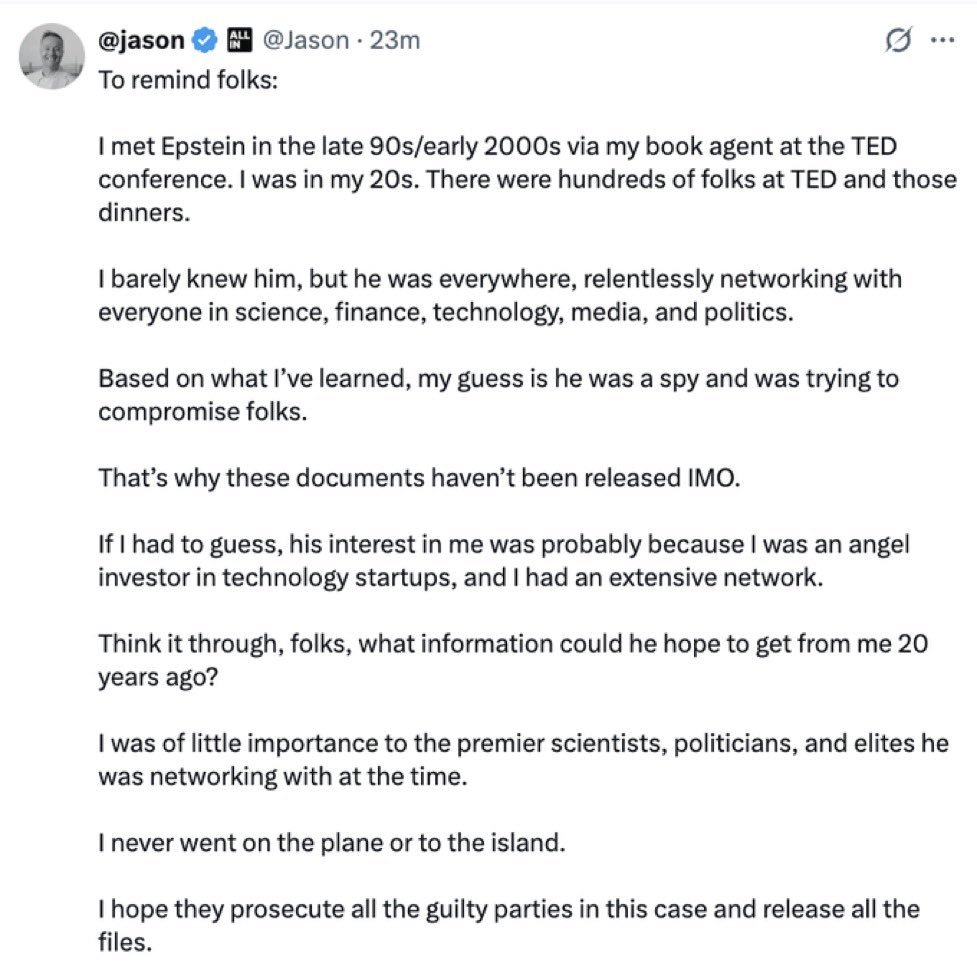
Emails also show Epstein courting tech moguls like Jason Calacanis (Uber investor, podcaster), who in 2011 called him “pal” and offered contacts despite later claiming minimal ties from the early 2000s. Calacanis speculated Epstein was a “spy” trying to “compromise” people, yet aided his networking.
Epstein’s financial relationship with Les Wexner – the Victoria’s Secret tycoon who transferred power of attorney and the $77 million Manhattan townhouse to him – is referenced repeatedly. Wexner co-founded the Mega Group in 1991, a network of pro-Israel philanthropists. A 1997 NSA intercept linked the term “Mega” to possible Israeli intelligence activity, though this remains unconfirmed in connection to Epstein.
Epstein victim Maria Farmer, who filed the first official complaint against him in 1996, has referred to “Jewish supremacists” running the pedophile financier’s network.
Epstein’s victim, Maria Farmer, said Epstein’s circle were Jewlsh supremacists that saw themselves as the "chosen race," believing their DNA made them superior.
The most recent Epstein file release expands the evidentiary terrain surrounding his contacts, methods, and proximity to power. That context sustains the Mossad narrative and encourages a deeper impulse to question more.
The newly released records mention figures including Elon Musk, Bill Gates and Bill Clinton in connection with the late sex offender
US Vice President J.D. Vance has said new documents related to convicted sex offender Jeffrey Epstein expose what he described as an “incestuous” culture among America’s political and business elites.
The documents, released by the US Justice Department last week, include previously unpublished records from Epstein’s estate and related investigations. The trove spans more than 3 million pages, 2,000 videos, and 180,000 images, renewing scrutiny of his connections to political, business, and tech figures and revealing how he maintained ties with prominent individuals even after his 2008 conviction.
Vance told the Daily Mail on Tuesday that the files expose a “pretty incestuous nature” among America’s elites, calling the revelations “pretty gross.” He singled out figures including Tesla and SpaceX CEO Elon Musk, former US President Bill Clinton, and billionaire Bill Gates, saying the disclosures reflected “very poorly on them.”
The documents show Musk discussing plans in 2013 to visit Epstein’s private island, asking about “a good time to visit,” with Epstein offering to send his helicopter. The trip never happened, and Musk said he never traveled to the island.
A separate 2013 email shows Epstein sending himself a document claiming Gates sought help obtaining drugs “in order to deal with consequences of sex with Russian girls.” A spokesperson for Gates dismissed the claim as “absolutely absurd and completely false.”
Bill Clinton and his wife, former Secretary of State Hillary Clinton, have agreed to testify before the House Oversight Committee in its investigation into Epstein. The ex-president has previously acknowledged flying on Epstein’s private jet in the early 2000s but denied wrongdoing. The couple had initially resisted subpoenas, calling them “invalid and legally unenforceable.”
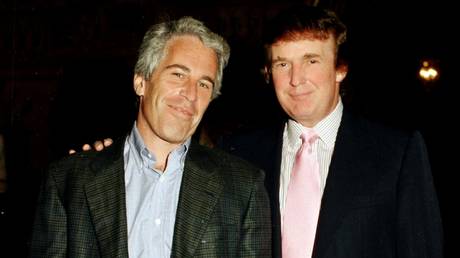
Speaking about Trump, whose name appears in the files on at least 3,000 occasions and who has denied being friends with Epstein, Vance said the president “knows a lot of these people” due to his wealth and status but “is very much outside of the social circle” and was not closely involved.
Trump himself has accused Epstein of plotting against him, writing on social media: “I never went to the infested Epstein island but, almost all of these Crooked Democrats, and their Donors, did.”
Epstein died in a New York jail in 2019, in a death ruled a suicide, which has fueled conspiracy theories, including claims he was killed to prevent the disclosure of compromising material involving prominent figures.
Only about a quarter of respondents genuinely support Vladimir Zelensky, the survey authors have claimed
Almost half of Ukrainians believe the current government in Kiev is “completely tainted” and should leave power once the conflict with Russia ends, a survey published on Wednesday has suggested. Declared public support for Vladimir Zelensky could also potentially be much lower than it appears, the poll authors have claimed.
The poll was conducted between January 23 and 29 and involved 1,003 respondents from across Ukraine who were questioned by phone, the Kiev International Institute of Sociology (KIIS), which conducted the survey, said in a press release.
According to its results, 42% of people believe the government is “completely tainted” and do not want to see any of its members still in power after a peace deal comes into effect. The cabinet still has some “real professionals” who could continue to fulfill their duties, 48% of respondents said.
Declared public support for Zelensky amounts to 61%, the survey results suggested, with its authors saying that it was the percentage of people that answered “yes” to a direct question regarding whether they trust the Ukrainian leader.
According to KIIS, when people were confronted with an “experimental” question asking them to describe the attitude an “imaginary acquaintance” would have towards Zelensky, the level of his support fell from 61% to 53%.
Real trust could be much lower, since only 25% said they “completely” trust Zelensky and could be considered his “sincere and convinced sympathizers,” the institute said. The remaining 36%, who said they would “rather” trust the Ukrainian leader, could be guided by a logic demanding they support whoever is at the helm in times of conflict, even though they could be critical of his policies, the authors claimed.
Earlier this week, Zelensky hinted that he could seek another presidential term despite a major corruption scandal that hit Ukraine late last year and involved his close associate, Timur Mindich. His previous term expired in May 2024, but he has refused to hold elections, citing martial law. As a result, Moscow maintains that he is an illegitimate leader. Last month, the Ukrainian parliament voted to extend martial law, barring any elections until May or later.
The House Judiciary Committee wants Brussels to answer for what it claims is a crackdown on free speech
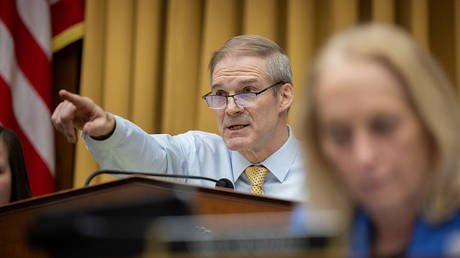
The US House Judiciary Committee held a hearing on Wednesday on “Europe’s threat to American speech and innovation.” The panel is looking into what it calls a global censorship regime imposed by the EU under the guise of fighting “disinformation.”
The hearing took place place one day after the committee published a lengthy report detailing European Commission pressure on tech companies – first with ‘voluntary’ agreements and then with laws such as the Digital Services Act (DSA) – into demoting and removing legal but “borderline” speech. Content that went against Brussels’ position on Covid-19 and the Ukraine conflict was targeted, as was “anti-migrant,”“populist,” and “anti-elite” messaging.
By forcing platforms to censor this content for all users, the EU directly restricted the free speech rights of Americans, Republicans on the committee argue. The committee has also singled out the UK’s Online Safety Act as unfairly impacting Americans.
Witnesses at the hearing included Irish comedy writer Graham Linehan, who was arrested by British police last year for anti-transgender posts on X, and Irish lawyer Lorcan Price of Alliance Defending Freedom International, a Christian legal advocacy group.
Democrats on the committee, led by Ranking Member Jamie Raskin, brought Deepinder Singh Mayell of the American Civil Liberties Union as their witness, and focused their questioning almost entirely on the activities of Immigration and Customs Enforcement agents in Minnesota.
The American Society of Plastic Surgeons has cited uncertainty over the long-term outcomes of the procedures, some of which are irreversible
A leading US medical association has recommended against “gender transition” surgeries for minors, citing insufficient evidence that perceived benefits outweigh the risks. The move comes amid a broader drop in support for transgender ideology and sex change surgeries for children.
In a statement on Tuesday, The American Society of Plastic Surgeons (ASPS), which represents over 11,000 surgeons across the US, advised its members to delay the life-altering procedures until patients are at least 19 years old.
In guidance approved in January and reported by The Washington Post, the ASPS stated “there is insufficient evidence demonstrating a favorable risk-benefit ratio” for surgical interventions in youth, adding that there is “substantial uncertainty” about the long-term outcomes of such operations.
“This is a vulnerable, adolescent population,” former ASPS president Scot Bradley Glasberg told the Post. “We are mindful that some of these surgeries are irreversible.”
US Health Secretary Robert F. Kennedy Jr., who has been leading efforts to restrict sex change operations for minors, commended the ASPS for its latest notice, and applauded it for “standing up to the overmedicalization lobby and defending sound science.”
Shifting opinions in the medical community follow a broader political shift on sex change operations in America. US President Donald Trump has moved aggressively to reverse the transgender policies of his predecessor Joe BIden, signing executive orders to end federal support for youth transition procedures, banning transgender individuals from military service, and supporting state laws to restrict care.
Legislators across the country have also been making efforts to criminalize gender transitions for minors, with the US House of Representatives passing a bill late last year to outlaw such procedures for youths. The motion has yet to be voted on in the Senate.
Meanwhile, the prevalence of trans-identifying young Americans has also recently seen a decline. The University of Buckingham’s Centre for Heterodox Social Science found in October that the share of US university students identifying as transgender had nearly halved since its 2023 peak, falling from nearly 7% to below 4%.
Foreign troops would be treated as “legitimate targets” if deployed to the country, Russian Foreign Ministry spokeswoman Maria Zakharova has said
Moscow would view any troop deployment by European NATO nations to Ukraine in the event of a ceasefire as a military intervention, Russian Foreign Ministry spokeswoman Maria Zakharova has warned.
Speaking at a regular briefing on Wednesday, Zakharova said preparations by the so-called ‘coalition of the willing’ to dispatch a UK- and French-led contingent to Ukraine are “an undisguised plan for ‘foreign military intervention’,” stressing that this is “categorically unacceptable” to Moscow.
Zakharova reiterated that the deployment of Western forces on Ukrainian soil “under any pretext” would pose a threat to Russia’s security, and that “these troops will be regarded by us as a legitimate military target.”
Her remarks came after NATO Secretary-General Mark Rutte said on Tuesday that “some European allies” had announced they would deploy forces after an agreement was reached. According to Rutte, the force would include “troops on the ground, jets in the air, ships on the Black Sea,” adding that “the United States will be the backstop.”
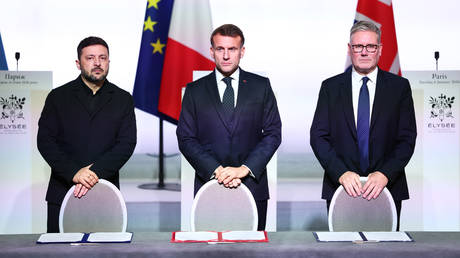
Kiev’s backers have long eyed a potential troop deployment in Ukraine. France and Britain signed a declaration of intent with Kiev in early January on a European-led ‘Multinational Force for Ukraine’, including plans for ‘military hubs’ to support training and rebuilding capabilities after any ceasefire. At the time, French President Emmanuel Macron said Paris alone could send some 6,000 troops that are expected to be positioned far from the front line.
However, earlier this month, the Financial Times reported that the UK and France are reluctant to deploy troops to Ukraine unless they receive solid US backing.
US President Donald Trump has ruled out sending American ground troops, but suggested that Washington could provide other means of support, though stressing that European NATO members should bear the brunt of responsibility.
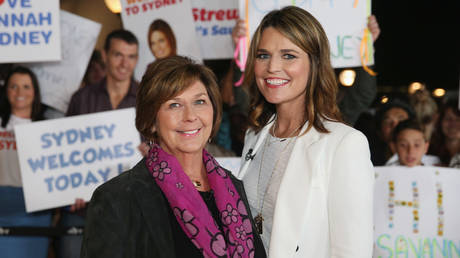
Savannah Guthrie’s mother was taken from her home in Arizona against her will, according to law enforcement
US authorities are investigating alleged ransom notes in the disappearance of the mother of NBC News’ Today show co-host Savannah Guthrie, officials said on Tuesday.
Nancy Guthrie went missing in Arizona over the weekend, and police believe she was taken from her home at night against her will.
A note received by a local Arizona news station on Monday, which it agreed not to report on, contained specific details about the home and what the 84-year-old woman was wearing that night, according to Pima County Sheriff Chris Nanos, as cited by CBS. The official did not however confirm the accuracy of that information or the legitimacy of the note.
“It’s like any piece of evidence,” Nanos said. “You give it to us, you give us a lead, we’re going to look at every aspect of that lead.”
Guthrie was last seen at her home in the Catalina Foothills area north of Tucson on Saturday evening, when family dropped her off after an outing.
She did not attend her planned church service the following morning, prompting a friend to contact her family. Relatives called 911 around noon Sunday to report her missing after failing to find her at home. Several of her personal belongings, including her cell phone, wallet, and vehicle, remained inside.
Nanos earlier told the press that investigators believe Guthrie was taken from her home against her will, prompting authorities to treat the case as a potential criminal investigation rather than a standard missing-person report.
“I believe she was abducted, yes,” Nanos said, as cited by CBS News. “She didn’t walk from there. She didn’t go willingly.”
Her residence was declared a “crime scene” following an initial examination, and law enforcement noted that she has limited mobility and requires daily medication. The FBI has joined the investigation, assisting with evidence analysis and conducting interviews.
Savannah Guthrie has stepped away from her broadcast duties, asking for prayers and support for her mother’s safe return. Authorities have appealed to the public for assistance, urging anyone with photos, surveillance footage, or tips that could help locate Nancy Guthrie to come forward.
US President Donald Trump called the situation with Guthrie’s disappearance “very unusual” and “a terrible thing” during a bill‑signing event at the White House on Tuesday. He promised to call the Today show co‑host to offer support, adding that he would consider additional federal assistance in the investigation.
The president praised the “exemplary” relations between the two nations
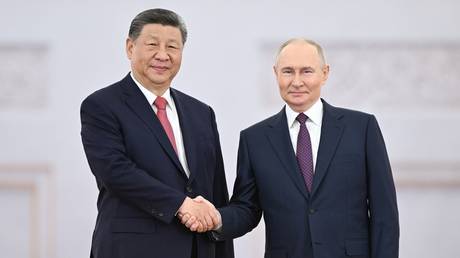
Russian President Vladimir Putin praised his country’s “exemplary” ties with Beijing during a video conference with his Chinese counterpart, Xi Jinping, on Wednesday.
The two leaders talked for almost an hour and a half; they discussed the US-backed peace talks between Russia and Ukraine as well as developments concerning Iran, Venezuela and Cuba.
“The Russian-Chinese comprehensive partnership and strategic interaction is exemplary,” Putin said, as quoted by the Kremlin.
Putin noted the robust economic and energy ties between the two nations, highlighting that bilateral trade turnover has stabilized at a consistently high level, exceeding $200 billion annually. He also emphasized Russia’s position as a leading supplier of energy resources to the Asian country.
Putin assured Xi of firm support for all joint efforts to ensure the sovereignty and security of the two countries, their economic prosperity, and their right to choose their own path of development.
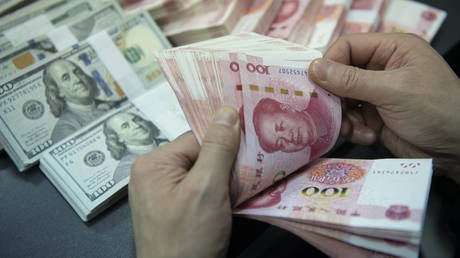
Following the imposition of Ukraine-related Western sanctions against Russia, Moscow redirected the bulk of its energy exports to Asia, including China, and accelerated the switch to using their national currencies in trade. In November, the Russian Finance Ministry said 99.1% of trade between Moscow and Beijing had already shifted to rubles and yuan to reduce reliance on Western financial institutions.
China and Russia should work together to maintain global strategic stability amid an increasingly turbulent international situation, Xi Jinping said, as cited by Xinhua.
The positions of Moscow and Beijing are aligned on many issues, according to Putin aide Yury Ushakov. Their stance on Iran and Venezuela is grounded in a shared commitment to the principles enshrined in the UN Charter, particularly state sovereignty and non-interference in internal affairs. They jointly oppose unilateral sanctions and have condemned foreign military intervention.
As permanent members of the UN Security Council, China and Russia have the obligation to encourage the international community to uphold fairness and justice, defend the UN-centered international system and uphold international law, the Chinese leader stated.
Xi invited Putin to visit China this year, and the Russian president accepted the invitation, Ushakov added. He said the two leaders have agreed to maintain close contact.