How the Ukraine conflict is pushing Europe toward economic self-harm
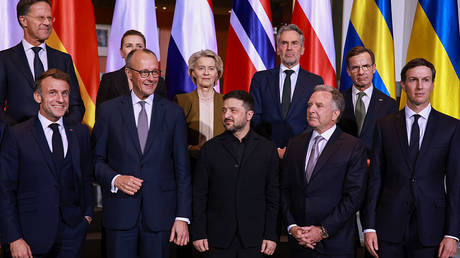
Modern diplomacy is increasingly taking on strange and contradictory forms. Participants in the latest round of Ukraine-related talks in Berlin report significant progress and even a degree of rapprochement. How accurate these claims are is hard to judge. When Donald Trump says the positions have converged by 90%, he may be correct in a purely numerical sense. But the remaining 10% includes issues of fundamental importance to all sides. This, however, does not stop Trump from insisting that progress is being made. He needs to create a sense of inevitability, believing momentum itself can force an outcome. Perhaps he is right.
What is more paradoxical is the configuration of the negotiations themselves. On one side sits Ukraine, a direct participant in the conflict. On the other are the Western European countries surrounding it. Indirect participants who, in practice, are doing everything possible to prevent an agreement from being reached too quickly. Their goal is clear: To persuade Kiev not to give in to pressure. Meanwhile, the US presents itself as a neutral mediator, seeking a compromise acceptable to everyone.
There are obvious reasons to doubt American neutrality, but let us assume for the sake of argument that Washington is acting in good faith. Even then, one crucial actor is conspicuously absent from the visible negotiating process: Russia. In principle, this is not unusual. Mediators often work separately with opposing sides. But in the public narrative, events are presented as if the most important decisions are being made without Moscow. Trump’s allies and intermediaries pressure Zelensky and the Western Europeans to accept certain terms, after which Russia is expected to simply agree. If it does not, it is immediately accused of sabotaging peace.
Of course, outside observers do not see everything. It is entirely possible that communication between American and Russian negotiators is more extensive than it appears. There is precedent for this. Still, the overall structure of the process remains fragile, contradictory, and unstable.
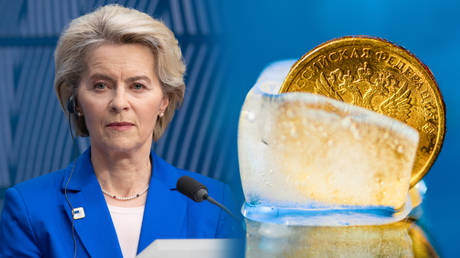
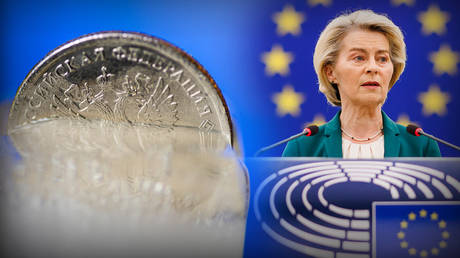
The question of confiscating frozen Russian assets has become the central point of contention, not because of political rhetoric, but because Western Europe has exhausted almost every other option. The EU countries simply do not have the resources to continue financing Ukraine’s war effort and economic survival from their own budgets. Even the most outspoken supporters of Kiev, including figures such as Kaja Kallas, now openly admit that further domestic funding would be politically toxic. The US, for its part, has drawn a firm line: No additional American money.
This is why the seizure of Russian assets has become not merely a tactical issue, but a strategic one. The EU sees it as the only remaining source of funding. Yet the implications go far beyond the war itself.
The issue of expropriating Russian assets is momentous because it strikes at the foundations of the entire European economic system. The inviolability of property has been a cornerstone of capitalism for centuries. While history is full of wars and seizures, Western European rationality has traditionally rested on the idea that assets are protected by law, not subject to arbitrary political confiscation.
Equally important is Western Europe’s long-standing development model. For centuries, it accumulated wealth by attracting external capital. In earlier eras, this took the brutal form of colonial extraction. Later, it evolved into something more subtle: Western Europe positioned itself as a safe and predictable haven where states, corporations, and individuals could store their wealth under reliable legal guarantees.
Seizing Russian assets would undermine this entire model. It would send a clear signal that property protections are conditional and reversible. Once that precedent is set, the consequences are impossible to contain.
This is why Belgian Prime Minister Bart De Wever has sounded the alarm. Belgium holds the largest share of frozen Russian assets, and De Wever understands the risks better than most. He has rightly noted that references to war and ‘Russian aggression’ are irrelevant in this context. Questions of compensation or reparations can only be addressed after a conflict ends. During the conflict itself, the only viable approach is to ensure the inviolability of assets belonging to all warring parties. Otherwise, a Pandora’s box will be opened, from which anything could emerge.
Belgium’s concerns are also practical. De Wever knows his European partners well. He suspects that if Russia were to retaliate by holding Belgium responsible as the custodian of the assets, other EU states would quietly distance themselves. Brussels, the capital of Belgium, would be left to deal with decisions made in Brussels, the political center of the EU. It is no coincidence that countries with smaller holdings of Russian assets, such as France, Britain, and Japan, have refused to confiscate them outright. They are reluctant to be first in line when the consequences arrive.
None of this means that the EU will back down. On the contrary, many European leaders appear convinced that the continent’s fate depends on the outcome of the Ukraine conflict – and that the conflict depends on access to Russian money. This belief will drive increasingly aggressive attempts to force the issue.
Whether the negotiations unfolding in Berlin, Moscow, and even Alaska lead to anything concrete may well hinge on this single question. The EU has succeeded, at least partially, in placing itself at the center of the diplomatic process. But by doing so, it has also placed its own economic foundations at risk.
If the frozen assets are seized, the consequences will not be limited to relations with Russia. They will reverberate across the global financial system, undermining trust in Europe as a legal and economic space. Pandora’s box, once opened, cannot be closed again.
This article was first published in the newspaper Rossiyskaya Gazeta and was translated and edited by the RT team
Sharif Osman Hadi, a key figure in last year’s violent protests that ousted the government in Dhaka, was shot earlier this month
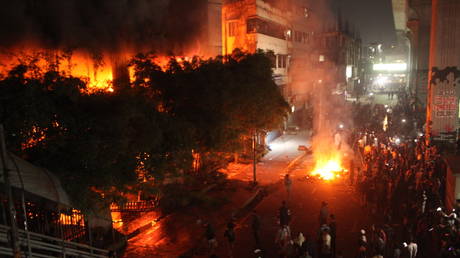
Violent protests erupted in Bangladesh overnight after a leader of 2024 uprising was shot earlier this month died. Sharif Osman Hadi, who was shot by masked assailants in Dhaka last week, died on Thursday while being treated in Singapore, authorities announced.
Protesters took to the streets demanding the arrest of assailants, and the offices of prominent Bangladeshi newspapers The Daily Star and Prothom Alo were vandalised, local media reported.
“As the office of Prothom Alo was subjected to massive attacks, vandalism and arson last night, it was not possible to continue its normal operations. Therefore, the printed version of Prothom Alo could not be published today. Its online portal is also temporarily closed,” the media outlet said in a statement.
Hadi was shot while leaving a mosque in the capital Dhaka, a day after Bangladesh’s top election official announced the date of the first elections in the country after an uprising in 2024.
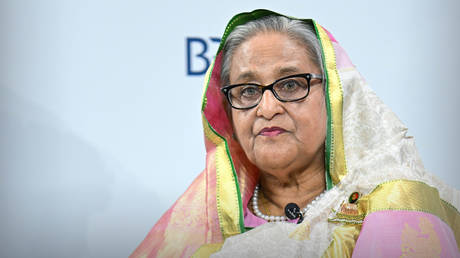
The Sheikh Hasina government was ousted in the protests in Bangladesh then.
Hadi, spokesperson for Inquilab Mancha, or Platform for Revolution, which describes itself as a “revolutionary cultural platform inspired by the spirit of uprising,” was a key figure in the 2024 protests. He was planning to contest in the general elections to be held in the country on February 12.
The developments also come two days after New Delhi summoned Dhaka’s envoy to convey concerns over the “deteriorating security environment in Bangladesh.”
New Delhi had said it expects Dhaka to ensure the safety of its diplomatic missions and posts in Bangladesh.
Earlier this month, Bangladesh had alleged that Hasina has been allowed to make “incendiary” statements from Indian soil, a charge New Delhi has denied.
Dhaka has demanded the extradition of Hasina from India after a court handed a death sentence against her for crimes against humanity linked to the violent crackdown on protesters in the 2024 uprising.
The former prime minister has alleged that the sentence was politically motivated.
Hasina’s Awami League, which had been in power for 15 years before the uprising, has been barred from participating in the polls.
Nobel Peace Prize laureate Mohammad Yunus is serving as the chief adviser of the interim Bangladesh government currently running the country.
Trade turnover between the two nations topped $200 billion for the third consecutive year, Igor Morgulov has told RT
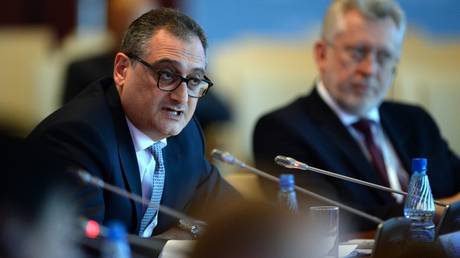
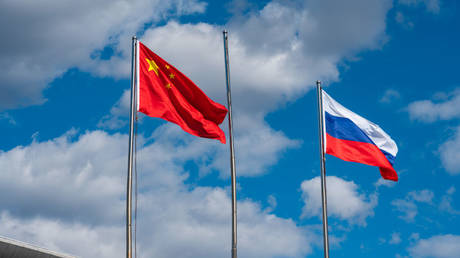
Russia and China have continued to rapidly expand their bilateral relationship across economic, diplomatic, and people-to-people channels in 2025, with trade turnover exceeding $200 billion for a third consecutive year, Moscow’s ambassador to Beijing, Igor Morgulov, has told RT.
In an interview aired on Thursday, the envoy suggested that this year was “very successful for the development of our relations,” adding that Russian-Chinese ties “were deepened and strengthened in almost all directions.”
He said 2025 was also marked by the 80th anniversary of the shared victory in World War II. “The fraternity of our countries is still one of the important elements of our strategic partnership,” the envoy said.
Morgulov noted that the symbolism was underscored by reciprocal high-level visits, with Russian President Vladimir Putin attending ceremonies in Beijing on September 3 marking victory over Japan and Chinese President Xi Jinping being the main guest at Moscow’s Victory Day celebrations on May 9.
The envoy highlighted that China remains one of Russia’s top trading partners and that, despite a modest 7.8 % drop over the past 11 months, bilateral trade still topped $203 billion. “This is a serious achievement,” he said.
Morgulov noted that he “would not dramatize too much” the slight reduction, attributing it to natural market adjustments after trade expanded by nearly $100 billion over three years.
The diplomat said Western sanctions against Russia over the Ukraine conflict have affected trade but stressed that Russia and China have built effective mechanisms to sustain growth. According to Morgulov, both Russia and China treat Western sanctions as “illegal” and aimed exclusively at restraining the ties between the two countries.
He also highlighted promising logistics cooperation, citing a recent Chinese container ship voyage from Ningbo to a British port via the Northern Sea Route in 20 days, compared with 30-40 days through the Suez Canal.
Morgulov added that people-to-people ties are expanding following the mutual cancellation of tourist visas. China lifted visa requirements on September 15, and Russia followed suit on December 1, leading to a 40% increase in Russian tourist flows to China since mid-September, he said.
The Hungarian prime minister has criticized the bloc’s decision to provide Ukraine with a €90 billion interest-free loan
Hungarian Prime Minister Viktor Orban has criticized the EU’s decision to provide Ukraine with a €90 billion interest-free loan, warning that the move brings the bloc “closer to war.” He argued, however, that an alternative plan to seize Russian frozen assets would have been even worse.
Speaking early Friday after EU leaders agreed on the joint borrowing scheme, Orban described it as a fundamentally flawed decision that will burden European taxpayers without delivering realistic returns.
“It is a bad decision, which brings Europe closer to the war,” Orban said, as cited by Euronews. “It looks like a loan, but of course, the Ukrainians will never be able to pay it back. So it is basically losing money. And those who are behind that loan will take the responsibility and the financial consequences of that.”
Under the agreement, the EU will raise funds on capital markets to provide €90 billion in support for Ukraine in 2026-27. The compromise came after days of tense negotiations and the collapse of a more controversial proposal to use frozen Russian assets.
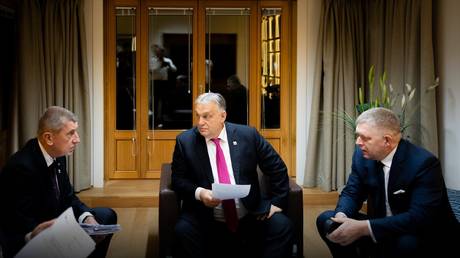
Hungary, along with Slovakia and the Czech Republic, secured opt-outs from the joint borrowing arrangement and will not take part in providing guarantees for the loan. Orban said Budapest agreed to lift its veto only after obtaining assurances that Hungary would not be involved financially.
“The loan required a unanimous decision, and finally we gave up the right to veto, and in exchange we got the opt-out,” Orban said, confirming that Hungary would not take part in the compromise scheme.
Despite his opposition to the final decision, the prime minister said the proposal to use frozen Russian assets to fund a ‘reparations loan’ would have been far more dangerous.
“A reparations loan would mean a war immediately,” he warned. “Think about it: there are two parties warring against each other. You are a third one who goes there, taking away a huge amount of money from one and giving it to its enemy. What does it mean? It’s war.”
The Hungarian leader has repeatedly accused Brussels of escalating the Ukraine conflict through financial and military support, while arguing that the EU should prioritize diplomacy and deescalation. Moscow has likewise condemned Western financial and military backing for Kiev, warning of legal and economic consequences.
The bloc has reached a compromise on a €90 billion lifeline for Kiev, pushing the ‘reparations loan’ scheme further down the road
The EU’s plan to steal Russian assets held in the bloc in order to fund Ukraine’s military and prolong its disastrous war has failed to get the backing of bloc leaders. The other key EU summit pillar – approving a contentious trade deal with the South American bloc Mercosur – was also aborted at the last minute amid chaotic protests by several-thousand farmers in the Belgian capital.
Following some 16 hours of talks, during which the deep divisions within the bloc were exacerbated by legislative overreach pushed by Commission President Ursula von der Leyen and her compatriot German Chancellor Friedrich Merz, European Council discussions ended without agreement on the controversial proposal to use frozen Russian assets to finance a €90 billion ($105 billion) loan aimed at allowing Kiev to continue its military campaign.
Instead, member states agreed to raise common debt – borrowing on the capital markets – to finance Kiev in the short term while “technical aspects of the reparations loan are worked out,” according to European Council President Antonio Costa.
“We have a deal,” Costa wrote on X around 3am, without addressing the funding mechanism behind the package. Merz similarly glossed over the bloc’s failure to back the loan with frozen Russian assets, insisting that “Ukraine will receive an interest-free loan of €90 billion, as I suggested.”
Moscow has already initiated arbitration proceedings against Euroclear, the Belgian-based clearing house that holds some €180 billion of Russian funds, and during the talks in Brussels announced that it had widened the case to include “European banks,” increasing the risk to European lenders of backing the plan.
Belgian Prime Minister Bart De Wever was at the center of the disagreement, though his opposition to the plan to steal Russian assets was supported by Italy’s Giorgia Meloni, Hungary’s Viktor Orban, Slovakia’s Robert Fico, and the Czech Republic’s Andrej Babis. The latter three reportedly tabled an option for EU members to provide joint debt for Ukraine instead – exempting their countries from the idea but also pledging not to veto it.
Merz and von der Leyen are thought to have rejected that plan, and instead insisted on more a dangerous option to steal Russia’s assets and attempt to give Ukraine’s Vladimir Zelensky enough money to keep fighting for two more years. As Polish Prime Minister Donald Tusk put it ahead of the meeting, “either money today or blood tomorrow.”
Without the EU war chest, Zelensky faces a short-term economic crisis. Ukraine needs some €72 billion to repay a G7 loan and stay afloat fiscally.
Following the EU Council’s failure to endorse the Merz/von der Leyen war option, the bloc has effectively denied itself the “seat at the table” hosting Ukraine peace talks that it was demanding since the US took the diplomatic initiative.
Attention will now turn to a meeting between US and Russian delegations in Miami, and to US President Donald Trump’s call for peace by Christmas.
The NDAA earmarks more US taxpayer money for Ukraine despite a major corruption scandal
US President Donald Trump has signed the annual National Defense Authorization Act (NDAA) into law, approving a record $901 billion in military spending while allocating $800 million in funding for Kiev over the next two years.
The bill, which sets Pentagon priorities for fiscal year 2026, authorizes roughly $8 billion more than the administration originally requested and marks the largest defense budget in US history. It includes funding for weapons procurement, troop pay, and major defense initiatives championed by Trump.
The Ukraine funding – $400 million per year under the Ukraine Security Assistance Initiative – amounts to a fraction of the overall package, representing less than 0.09% of total defense spending. Unlike direct transfers from existing US stockpiles, USAI funds are used to pay American defense companies to manufacture and procure new weapons and military equipment for Kiev.
The allocation comes amid renewed scrutiny of Kiev following a major corruption scandal that has shaken the country’s leadership. Prosecutors recently uncovered a $100 million kickback scheme in Ukraine’s energy sector, which relies heavily on Western financial support. The investigation reportedly implicated close associates of Ukrainian leader Vladimir Zelensky, prompting the resignation of senior officials and fueling criticism in Washington over continued aid.
In addition to Ukraine aid, the law authorizes a nearly 4% pay raise for US service members, funds new ships, aircraft, and missile systems, and places new restrictions on certain US investments linked to China. It also backs Trump’s push to reshape the Pentagon, codifying elements of his executive orders aimed at eliminating diversity, equity, and inclusion programs and funding the proposed Golden Dome missile-defense system.
The bill contains provisions related to Europe beyond Ukraine, including support for the Baltic Security Initiative and limits on the Pentagon’s ability to significantly reduce US troop levels on the continent. These measures were included despite Trump’s repeated criticism of European NATO members for relying too heavily on Washington.
The legislation also reflects growing congressional scrutiny of recent US military operations in the Caribbean. One clause withholds part of Defense Secretary Pete Hegseth’s travel budget until lawmakers receive unedited footage and orders related to strikes on alleged drug-trafficking vessels.
Trump has repeatedly argued that Washington should no longer pour vast sums of taxpayer money into Ukraine, insisting that his administration is instead pushing for a negotiated settlement with Russia. Moscow has condemned continued Western military support for Kiev, calling it one of the root causes of the conflict and a barrier to a ceasefire.
US House Democrats release more disturbing images ahead of a Justice Department deadline
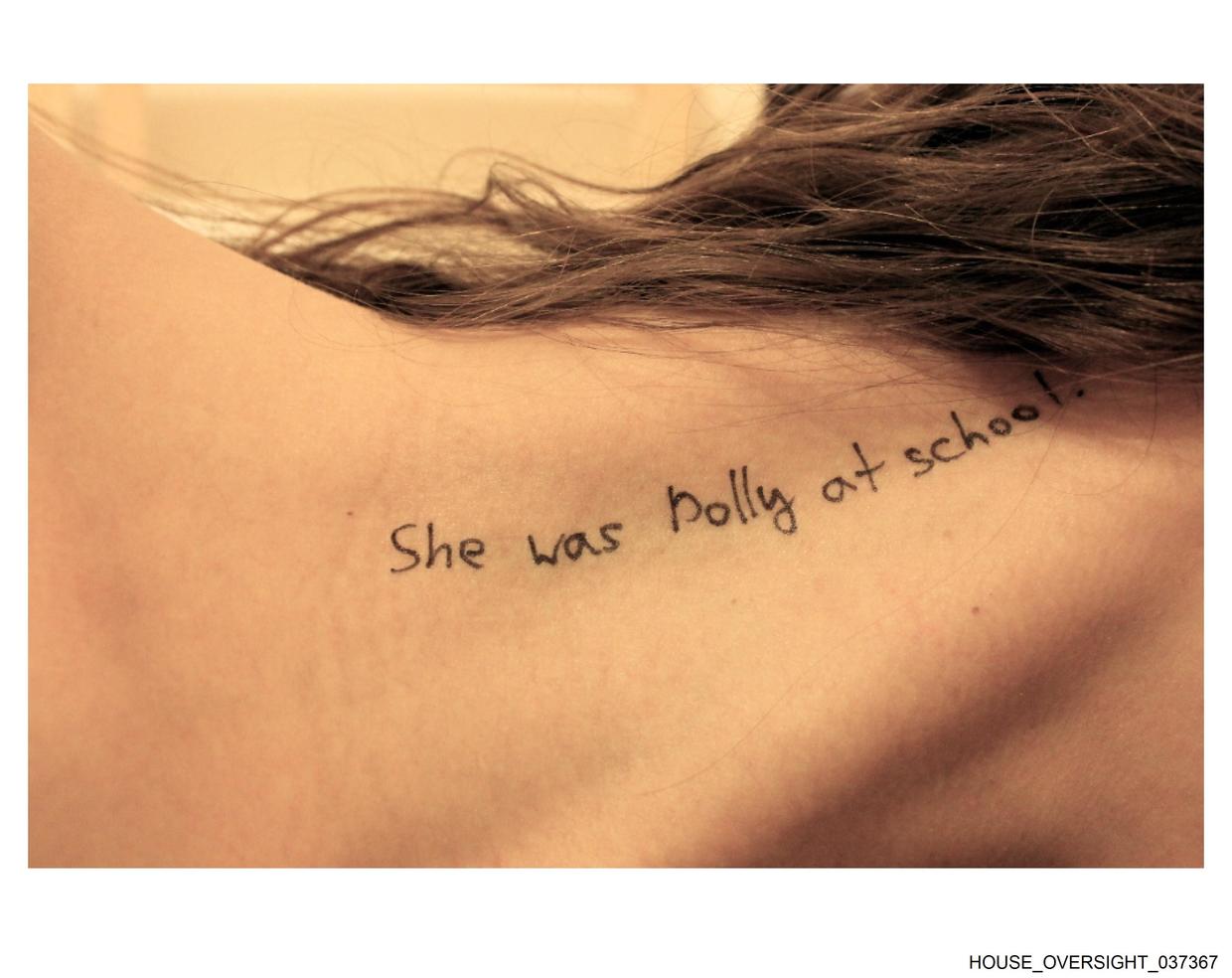
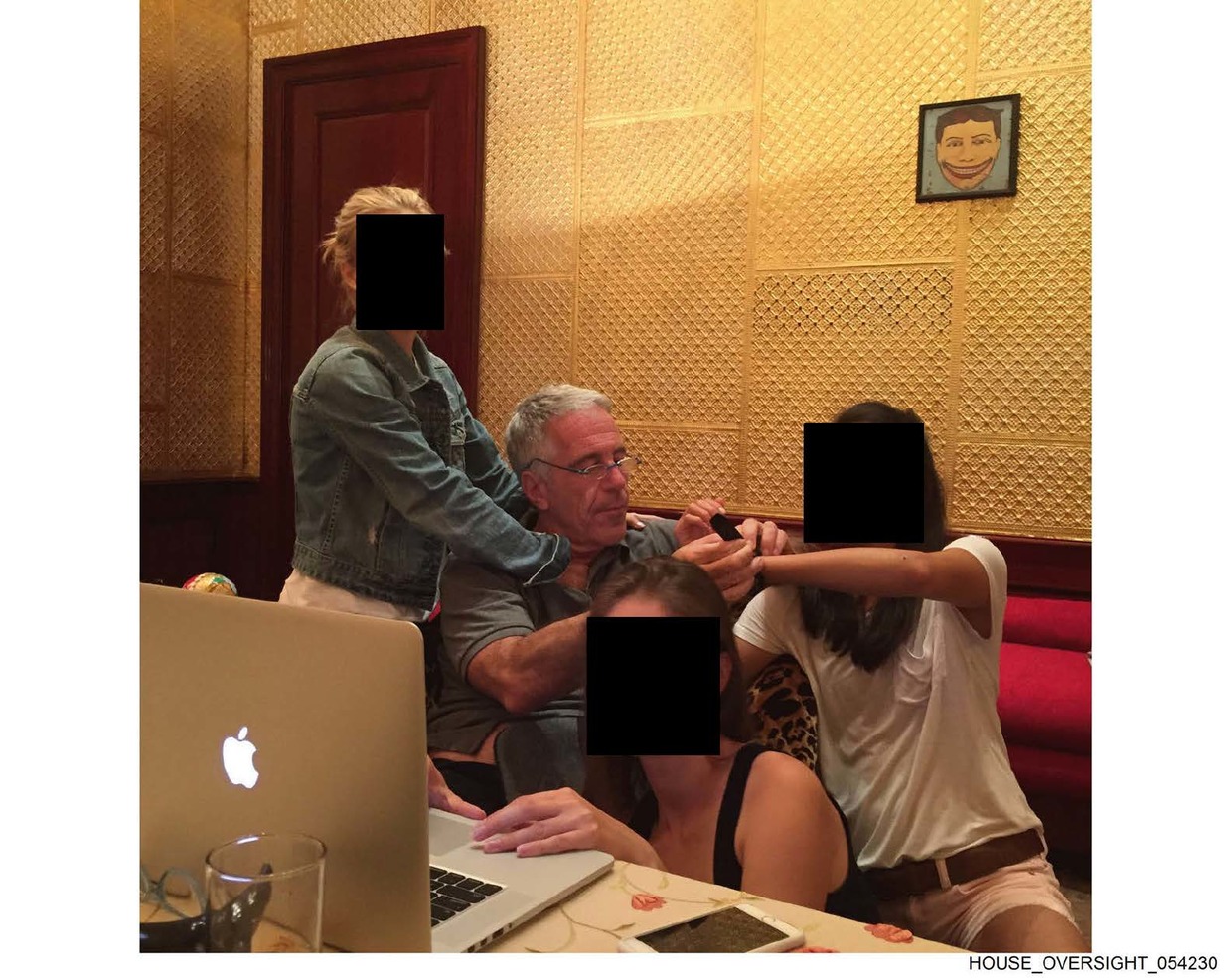
Democrats on the US House Committee on Oversight and Government Reform have released a new batch of photographs obtained from the estate of disgraced financier Jeffrey Epstein, offering a disturbing and fragmentary glimpse into materials investigators say point to his network, methods, and contacts.
The release on Thursday includes 68 images and marks the third public disclosure from a much larger archive of more than 95,000 photos provided to Congress by the Epstein estate in response to subpoenas.
As with previous releases, the images were made public without detailed context, dates, or locations.
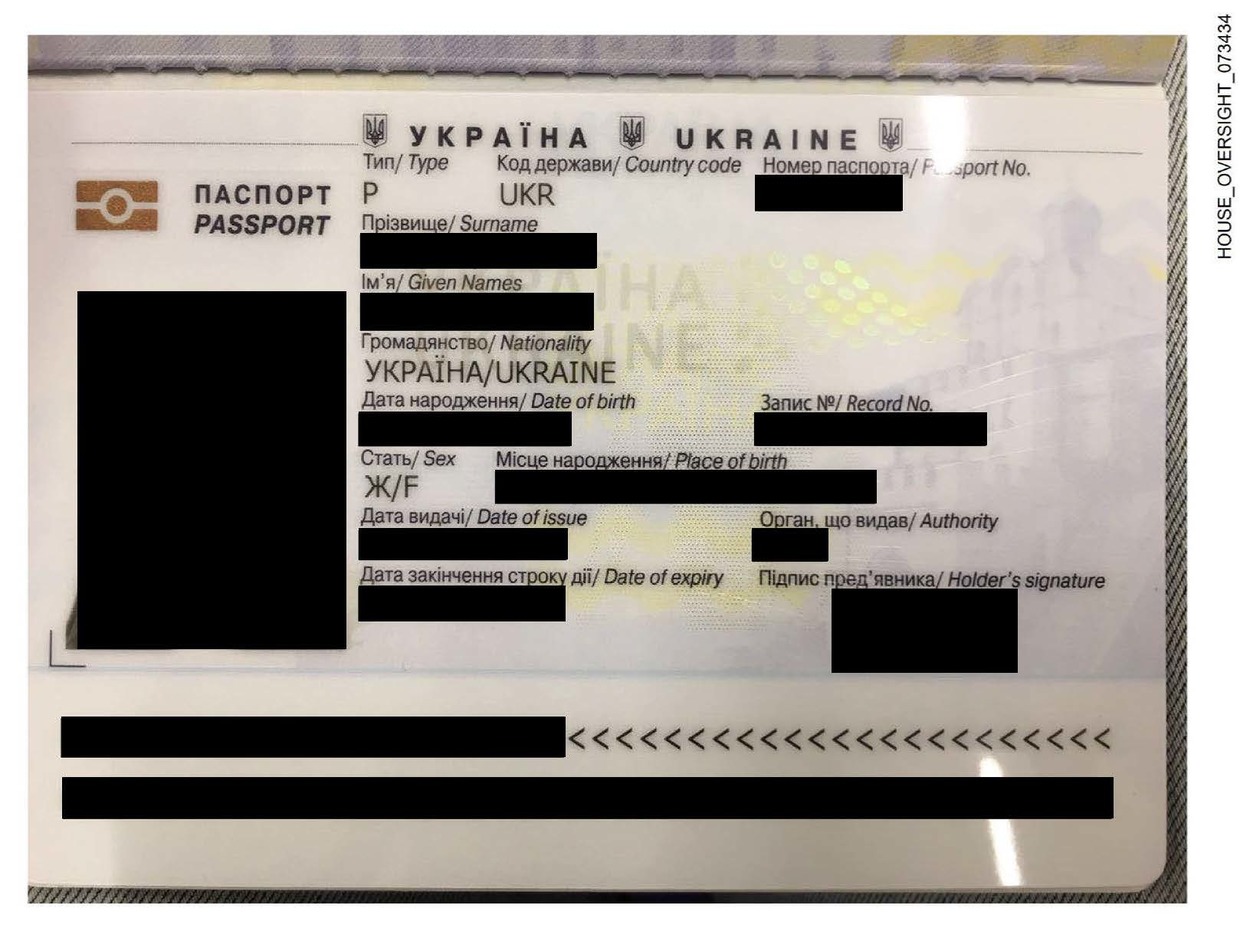
Among the most striking items are photographs showing quotations from Vladimir Nabokov’s novel ‘Lolita’ written on a woman’s body, alongside images of redacted foreign passports and identification documents.
Several of the passports appear to be Ukrainian. Lawmakers say the documents were heavily redacted to avoid revealing the identities of alleged victims. The batch also includes passports and ID documents linked to Russian, Lithuanian, Czech, Italian, and South African nationals, and what appears to be a short-term visa issued to a Moroccan national.
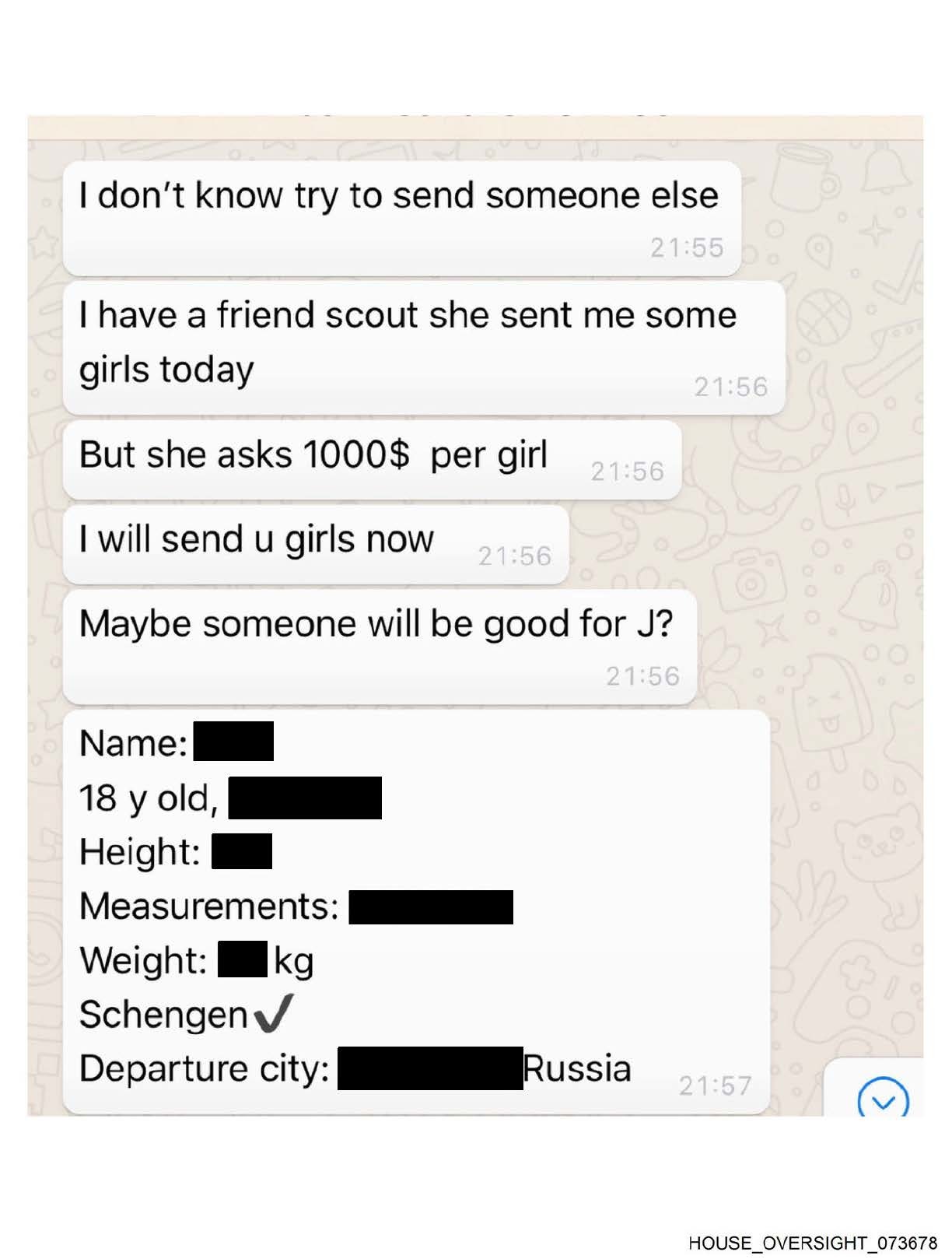
According to the committee, the images also show text messages discussing the recruitment of young women for Epstein, as well as photographs of wealthy and influential figures who socialized with him.
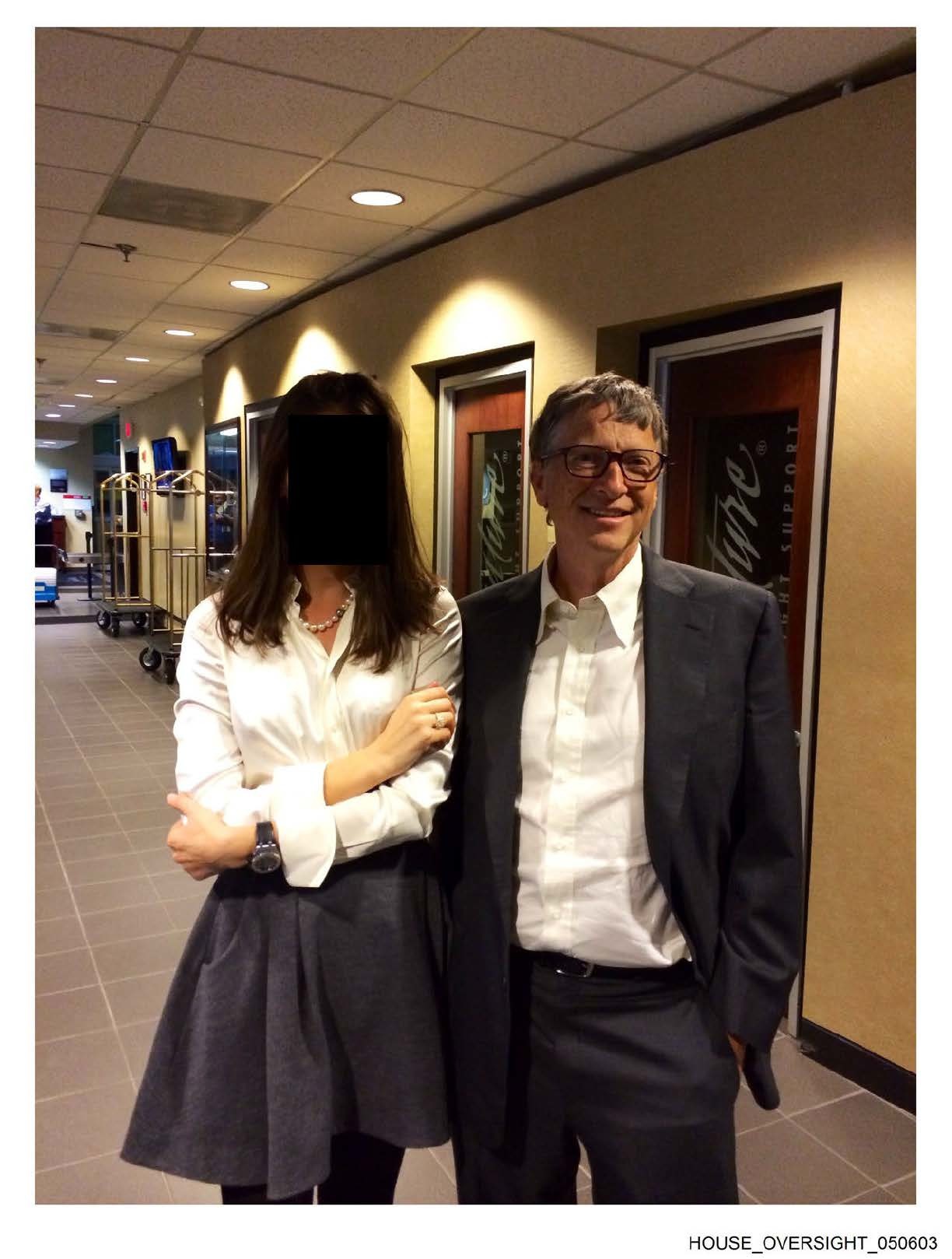
One of the images features billionaire Bill Gates; others show prominent philanthropists attending a dinner.The committee stressed that the photos do not constitute evidence of criminal wrongdoing by those pictured.
Representative Robert Garcia of California, the ranking Democrat on the Oversight Committee, said the materials were released to give the public a clearer sense of the scope of what the estate turned over to Congress. He described the images as “extremely disturbing” and said they raise further questions about Epstein’s activities and connections.
The Epstein estate did not provide explanatory details about the photographs, and Democrats said the materials were published “as received.” Epstein, a convicted sex offender, died in a New York jail in 2019 while awaiting trial on federal sex trafficking charges.
The release comes ahead of a Justice Department deadline to disclose additional files related to Epstein and longtime associate Ghislaine Maxwell, fueling renewed public scrutiny of how the case was handled and who may have been involved or protected.
Protesters accuse EU leaders of sacrificing their livelihoods to push trade deals
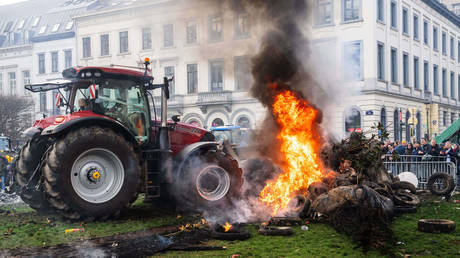
Violent clashes erupted in Brussels on Thursday as thousands of farmers descended on the EU quarter, blocking roads with tractors and confronting riot police outside the European Parliament amid mounting anger over trade policy and farming reforms.
What began as a mass demonstration against proposed changes to the EU’s Common Agricultural Policy and a controversial free-trade agreement with the South American Mercosur bloc quickly spiraled into chaos.
Footage circulating on social media showed thick black smoke from burning tires and hay filling nearby streets as tractors pushed through police barriers, grinding parts of the city to a halt.
Tractors have SMASHED through police barricades, farmers are wearing gas masks in preparation for tear gas, and buildings are being smashed pic.twitter.com/pOTPizTuU0
Protesters smashed windows near parliament buildings and hurled rocks, potatoes, and other objects at police, who responded with tear gas and water cannons.
War breaks out outside EU headquarters in Brussels. European farmers want Ursula von der Leyen and EU politicians. European farmers are no joke. pic.twitter.com/M6alrrnLLn
Police charged demonstrators, and at least one protester was seen being knocked to the ground and beaten as officers attempted to clear the area.
Farmers vs. Police in Brussels, Belgium.
Farmers used their tractors to break through the police barriers outside the EU headquarters in Brussels, spraying feed at police officers, who respond with water cannons. pic.twitter.com/uskh5UW2fJ
The Belgian authorities said the protest were authorized for a limited number of tractors, but by early afternoon, around 1,000 vehicles had flooded the capital, with police estimating 7,000 protesters in total. By evening, police had regained partial control of the area, though tractors and demonstrators continued to occupy parts of the city.
The demonstration coincided with an EU leaders’ summit in Brussels, where the long-delayed Mercosur trade deal was again under discussion. Farmers across Belgium, France, and other EU states fear the agreement will open the door to cheaper agricultural imports from South America, undercutting European producers who must comply with stricter environmental and animal welfare standards.
European Commission President Ursula von der Leyen said the Mercosur deal will not be signed this weekend and has been postponed until next month. Critics of the deal warn that the delay is only a temporary reprieve rather than a reversal.
New DNA sequencing has cleared up disputed origin claims over the Roman-era ‘Beachy Head Woman’
The Roman-era skeleton known as the “Beachy Head Woman,” once widely cited as evidence of an early black presence in Britain, most likely had genetic ancestry similar to local populations in southern England at the time, researchers have said.
The findings were published in the Journal of Archaeological Science on Wednesday and shared by the Natural History Museum (NHM), which stated that improved DNA sequencing and updated reference datasets enabled scientists to reassess earlier interpretations.
The case has drawn attention for years as the remains’ origins were reassessed with evolving methods.
According to the NHM, the skeleton was identified in 2012 in a boxed collection at Eastbourne Town Hall during the Eastbourne Ancestors Project, with labels suggesting it had been found near Beachy Head in the 1950s. Early assessments based on skull measurements fueled claims of sub-Saharan African ancestry, and the woman was later promoted, including in a 2016 BBC history series, as the “first black Briton.”
It was the Romans!
Our understanding of Beachy Head Woman has changed a lot over the past decade as new technology has improved our knowledge of her life.
In subsequent years, a plaque was erected to commemorate that claim, but it was later removed after another study suggested a link to Cyprus and the eastern Mediterranean. Those results were later described as inconclusive, and the NHM said the latest analysis has now revised the earlier interpretations.
The study said radiocarbon dating places the woman between AD 129 and 311 and that she was around 18–25 when she died. Researchers also used the new genetic data to predict traits, including light skin pigmentation, blue eyes, and fair hair, and updated a digital facial reconstruction accordingly.
According to the NHM, chemical testing suggested a diet likely rich in seafood, and the remains show a healed leg injury consistent with a serious but non-fatal wound earlier in life.
The study’s senior author, Selina Brace, said advances in technology over the past decade had made it possible to produce “new comprehensive data” and share more about the Beachy Head Woman and her life.
“It doesn’t alter the story of Britain,” Brace said. “It just alters her story and we owed it to her to put that right.”
MEPs have moved to streamline the movement of troops and armaments across the bloc
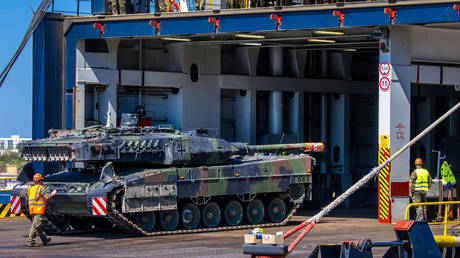
EU lawmakers have backed a bill for a “military Schengen area” that would eliminate the bloc’s internal borders for the purposes of rapid troop and materiel movements in the event of a conflict with Russia.
Top EU officials have already used claims of an alleged threat from Russia to justify huge military spending packages, like its massive €800 billion ($938 billion) ReArm Europe plan. Moscow has labeled claims that it poses a threat to EU or NATO countries as nonsense.
The proposal was originally presented by the European Commission last month and envisioned establishing an EU-wide “military mobility” zone by 2027, aiming to cut through the bloc’s bureaucracy and reduce the time different militaries would need to cross borders.
With the non-binding resolution passed, lawmakers on the bloc’s Transport and Defense Committees are now set to work on the bill, the European Parliament said in a press release.
MEPs also passed a proposal to allocate €17 billion from 2028-2034 to “military mobility” and dealing with long-term logistics and infrastructure issues like bridges and tunnels unsuited for use by heavy vehicles like tanks. Upgrading such “hotspots” would cost at least an additional €100 billion, according to the press release.
EU nations have accelerated their militarization in recent months, freeing up €335 billion in pandemic relief funds and mobilizing €150 billion in loans and grants for the bloc’s military industrial complex. Some of these funds have been made available to Kiev.
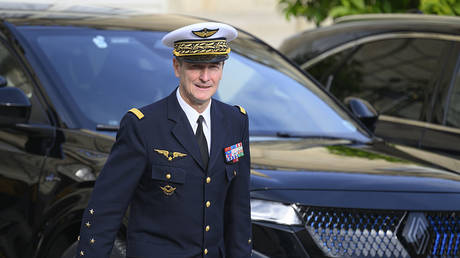
The militarization push has been accompanied by increasingly aggressive statements from officials, with France’s top general, Fabien Mandon, warning French citizens last month to be ready to “lose children” in a potential conflict with Russia.
On Thursday, Russian President Vladimir Putin warned that Europeans are “indoctrinated with fears of an inevitable confrontation with Russia” by being fed “a lie and an irrational narrative about an imaginary Russian threat.”
Foreign Minister Sergey Lavrov has stressed that Moscow harbors “no aggressive plans against either NATO or EU members,” and is prepared to give legal guarantees to the effect “in writing, on a collective, mutual basis.”