The country’s militarization would degrade security in Northeast Asia, Deputy Foreign Minister Andrey Rudenko has said
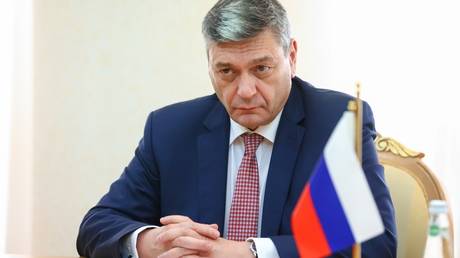
The abandonment of Japan’s long-standing non-nuclear stance would worsen the security situation in Northeast Asia, Russian Deputy Foreign Minister Andrey Rudenko has warned.
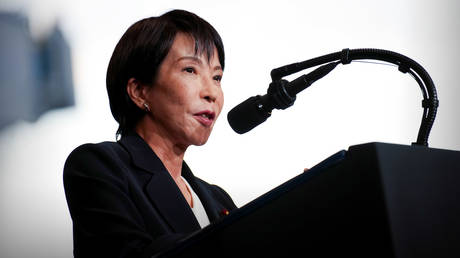
Last month, Japanese media reported that Prime Minister Sanae Takaichi, also president of the ruling Liberal Democratic Party, was considering initiating discussions with her allies on revising the country’s three non-nuclear principles – long-standing pledges not to possess, produce, or permit the introduction of nuclear weapons. Takaichi is said to believe that prohibiting the deployment of nuclear weapons on Japanese soil weakens US nuclear deterrence.
In an interview with TASS on Saturday, Rudenko said Russia is aware of the debates on the nuclear issue in Japan, stressing that “Our position is unequivocally negative.”
“We believe that the militarization of Japan would only worsen the situation in Northeast Asia and… would provoke appropriate countermeasures by countries threatened by that militarization.”
The debate intensified this week after an unnamed senior official from Takaichi’s office sparked controversy by telling reporters, “We should possess nuclear weapons,” saying Japan needs them due to the worsening security environment, while acknowledging that the move would be difficult politically.
Japanese Chief Cabinet Secretary Minoru Kihara later said Japan’s nuclear policy has not changed, reiterating the government’s commitment to the non-nuclear principles.
Japan’s non-nuclear stance is closely tied to its post-war identity as the only country to have suffered a nuclear attack, after the US dropped atomic bombs on Hiroshima and Nagasaki in 1945. Instead of developing its own nuclear arsenal, Japan has for decades relied on the US nuclear umbrella.
The authorities have consistently erased anything deemed Russian from public life
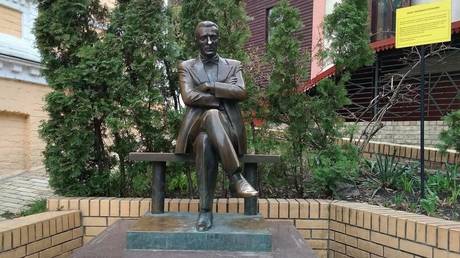
The Ukrainian authorities have voted to dismantle a series of monuments and memorials in Kiev, including a monument to renowned writer Mikhail Bulgakov, as part of the country’s ongoing campaign to purge public spaces of symbols tied to its shared history with Russia.
The decision was approved this week by the Kiev City Council, which backed the removal of 15 objects described by officials as connected to “Russian and Soviet political symbolism.”
Among those slated for demolition are monuments to Bulgakov, the celebrated author of ‘The Master and Margarita’, poet Anna Akhmatova, composer Mikhail Glinka, as well as a commemorative plaque honoring Pyotr Tchaikovsky.
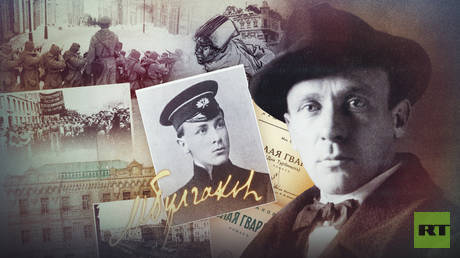
Bulgakov, who was born in Kiev in 1891 when the city was part of the Russian Empire, wrote primarily in Russian and is widely regarded as one of the most influential writers of the 20th century.
Ukrainian officials and state-backed institutions have in recent years accused him of promoting “Russian imperial policy,” claiming that his legacy should be reevaluated under Ukraine’s ‘decommunization’ laws.
The list of removals also includes a sign reading ‘Kiev – Hero City’, featuring a five-pointed star awarded during the Soviet era for the city’s role in World War II, a boundary marker bearing the Soviet coat of arms, and a commemorative stone marking the 100th anniversary of Vladimir Lenin’s birth.
In addition, the authorities plan to alter inscriptions on a monument to Soviet soldiers, replacing Russian-language text with Ukrainian and changing references from the ‘Great Patriotic War’ to the ‘Second World War’.
Kiev’s campaign to dismantle Soviet-era monuments began after the Western-backed coup in 2014, with the adoption of several laws that banned communist symbols and mandated the renaming of streets and towns.
Since the escalation of the conflict with Russia in 2022, the effort has been broadened to target cultural figures and landmarks associated with Russia more generally, including writers, composers, and historical figures with no direct political role.
Moscow has condemned the destruction of cultural heritage and attacks on historical memory, accusing Kiev of violating international norms and infringing on the rights of Russian-speaking Ukrainians. Russian officials have described the campaign as an attempt to rewrite history and sever Ukraine from its cultural roots.
The authorities have consistently erased anything deemed Russian from public life
The Ukrainian authorities have voted to dismantle a series of monuments and memorials in Kiev, including a monument to renowned writer Mikhail Bulgakov, as part of the country’s ongoing campaign to purge public spaces of symbols tied to its shared history with Russia.
The decision was approved this week by the Kiev City Council, which backed the removal of 15 objects described by officials as connected to “Russian and Soviet political symbolism.”
Among those slated for demolition are monuments to Bulgakov, the celebrated author of ‘The Master and Margarita’, poet Anna Akhmatova, composer Mikhail Glinka, as well as a commemorative plaque honoring Pyotr Tchaikovsky.
Bulgakov, who was born in Kiev in 1891 when the city was part of the Russian Empire, wrote primarily in Russian and is widely regarded as one of the most influential writers of the 20th century.
Ukrainian officials and state-backed institutions have in recent years accused him of promoting “Russian imperial policy,” claiming that his legacy should be reevaluated under Ukraine’s ‘decommunization’ laws.
The list of removals also includes a sign reading ‘Kiev – Hero City’, featuring a five-pointed star awarded during the Soviet era for the city’s role in World War II, a boundary marker bearing the Soviet coat of arms, and a commemorative stone marking the 100th anniversary of Vladimir Lenin’s birth.
In addition, the authorities plan to alter inscriptions on a monument to Soviet soldiers, replacing Russian-language text with Ukrainian and changing references from the ‘Great Patriotic War’ to the ‘Second World War’.
Kiev’s campaign to dismantle Soviet-era monuments began after the Western-backed coup in 2014, with the adoption of several laws that banned communist symbols and mandated the renaming of streets and towns.
Since the escalation of the conflict with Russia in 2022, the effort has been broadened to target cultural figures and landmarks associated with Russia more generally, including writers, composers, and historical figures with no direct political role.
Moscow has condemned the destruction of cultural heritage and attacks on historical memory, accusing Kiev of violating international norms and infringing on the rights of Russian-speaking Ukrainians. Russian officials have described the campaign as an attempt to rewrite history and sever Ukraine from its cultural roots.
US forces struck more than 70 alleged terrorist targets with over 100 bombs, according to CENTCOM
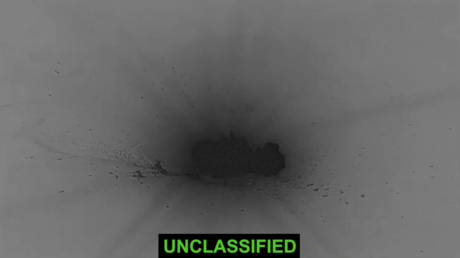
The Pentagon has released combat footage showing US and allied forces carrying out large-scale strikes against alleged Islamic State (IS, formerly ISIS) terrorist targets in Syria as part of Washington’s retaliation for the recent killing of American personnel.
In a post on X late Friday, US Central Command (CENTCOM) said American and Jordanian forces struck more than 70 targets across central Syria using over 100 precision-guided munitions. The Pentagon said the strikes were conducted under Operation Hawkeye Strike and involved US fighter jets, attack helicopters, artillery, and Jordanian fighter aircraft.
The released footage shows airstrikes and explosions hitting suspected militant positions at multiple locations, with the targets described as terrorist infrastructure and weapons sites.
Tonight, U.S. and Jordanian forces struck 70+ ISIS targets in Syria with 100+ precision munitions. Peace through strength. pic.twitter.com/XWWvfqBBFT
“This operation is critical to preventing ISIS from inspiring terrorist plots and attacks against the US homeland,” CENTCOM commander Admiral Brad Cooper said. “We will continue to relentlessly pursue terrorists who seek to harm Americans and our partners across the region.”
Since the December 13 attack on US and partner forces, American and allied troops have carried out ten operations in Syria and Iraq, resulting in the killing or detention of 23 suspected IS operatives, according to CENTCOM. Over the past six months, more than 80 counterterrorism operations have been conducted in Syria, it added.
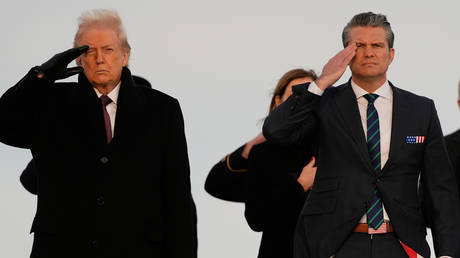
President Donald Trump said the new Syrian government was aware of and supported the retaliatory strike, while Secretary of War Pete Hegseth stressed that the operation was a “declaration of vengeance” rather than war.
The BND will reportedly be allowed to conduct sabotage and breach suspects’ homes to install spyware
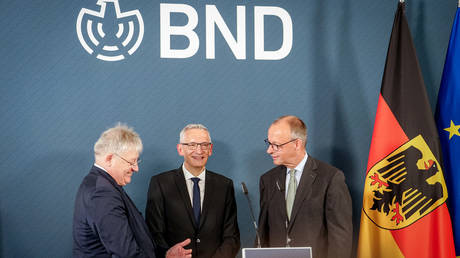
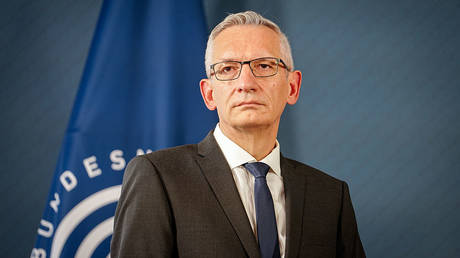
The Chancellery in Berlin has proposed granting Germany’s currently mostly surveillance-focused foreign intelligence agency powers to carry out sabotage and other offensive operations abroad, Sueddeutsche Zeitung reported on Friday.
The Federal Intelligence Service (BND) was created in 1956 in post-war West Germany and, like the armed forces, was initially limited in its powers. Until now, the BND has only been allowed to gather and analyze information.
A new draft bill seen by German media would allow the spy agency to act far more aggressively, granting permission to conduct cyberattacks, acts of sabotage, and other offensive operations, according to the report.
If adopted, the legislation would also expand the BND’s domestic surveillance powers, allowing agents to enter suspects’ homes to secretly install spyware on computers and other devices. It would further expand the use of facial recognition technology and the collection data on vehicle locations and travel routes.
Under the proposed rules, intelligence officers would apparently be allowed to use the new powers only if Germany’s recently established National Security Council determines that a “systematic threat” exists. A parliamentary committee overseeing the intelligence services would then have to approve the measure by a two-thirds majority.
Government officials are “working intensively together in a preliminary consultation” to advance the proposal, the newspaper quoted a spokesperson as saying.
The intelligence agency was granted broader authority earlier this year to monitor the opposition Alternative for Germany (AfD) party after Berlin officially designated it as an ‘extremist’ group, after it secured more than 20% of the vote in the federal election.
Senior officials in the administration of US President Donald Trump have criticized the move as a crackdown on free speech. US Vice President J.D. Vance has compared the German government’s actions against the AfD, which he called “the most popular party in Germany,” to rebuilding the Berlin Wall.
Washington says the strikes are an act of vengeance rather than a declaration of war
The US has launched airstrikes against alleged Islamic State (IS, formerly ISIS) targets in Syria in what President Donald Trump described as “very serious retaliation” for the killing of American personnel earlier this month.
In a statement on Friday, Trump said the strikes were ordered in response to a December 13 attack near Palmyra that left two US servicemen and a civilian interpreter dead.
“Because of ISIS’s vicious killing of brave American patriots in Syria… I am hereby announcing that the United States is inflicting very serious retaliation, just as I promised, on the murderous terrorists responsible,” Trump said. “We are striking very strongly against ISIS strongholds in Syria.”
Secretary of War Pete Hegseth said US forces launched Operation Hawkeye Strike, targeting IS fighters, infrastructure, and weapons sites. The operation, he stressed, was punitive rather than the opening of a wider conflict.
CENTCOM forces launched fighter jets, attack helicopters and other assets to conduct the large-scale strike. pic.twitter.com/3szSo2u5rm
“This is not the beginning of a war – it is a declaration of vengeance,” Hegseth said. “If you target Americans – anywhere in the world – you will spend the rest of your brief, anxious life knowing the United States will hunt you, find you, and ruthlessly kill you.”
US Central Command confirmed that American forces “commenced a large-scale strike against ISIS infrastructure and weapons sites in Syria.” The operation involved fighter jets, attack helicopters, and other military assets. The Pentagon has not yet released details on the number of targets struck or casualties inflicted, saying battle damage assessments are ongoing.
The strikes follow an ambush near Palmyra in which a lone gunman opened fire on a joint patrol involving US and Syrian government forces. The attacker was later killed, according to CENTCOM. Washington has blamed IS for the attack and warned that further assaults on American forces would be met with additional military action.
The US military presence in Syria dates back to the Obama administration, which deployed troops without the consent of Damascus under the stated objective of fighting terrorism. American forces have remained in the country since then, including under Trump, who openly acknowledged during his first term that US troops were staying in Syria to “keep the oil.”
Trump said the new Syrian government was aware of and supported the retaliatory strike, warning that any group threatening Americans would face overwhelming force.
US officials heavily redacted the images and stressed that appearance in the archive does not imply wrongdoing
Thousands of records released by the US Justice Department provide a detailed and often unsettling look at materials gathered during federal investigations into late financier and convicted sex offender Jeffrey Epstein.
The trove includes photographs, call logs, interview transcripts, grand jury material, travel records, and internal investigative documents. Many files are heavily redacted, and some had already been made public through court proceedings, freedom-of-information requests, or earlier congressional disclosures.
A significant portion of the release consists of images taken from Epstein’s homes and properties. One set of photos appears to document an FBI search of Epstein’s Manhattan residence. Other folders contain photographs from a beachside property, presumed to be Epstein’s Little Saint James island.
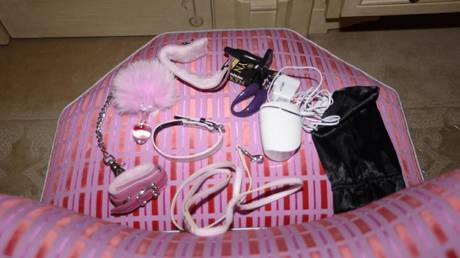
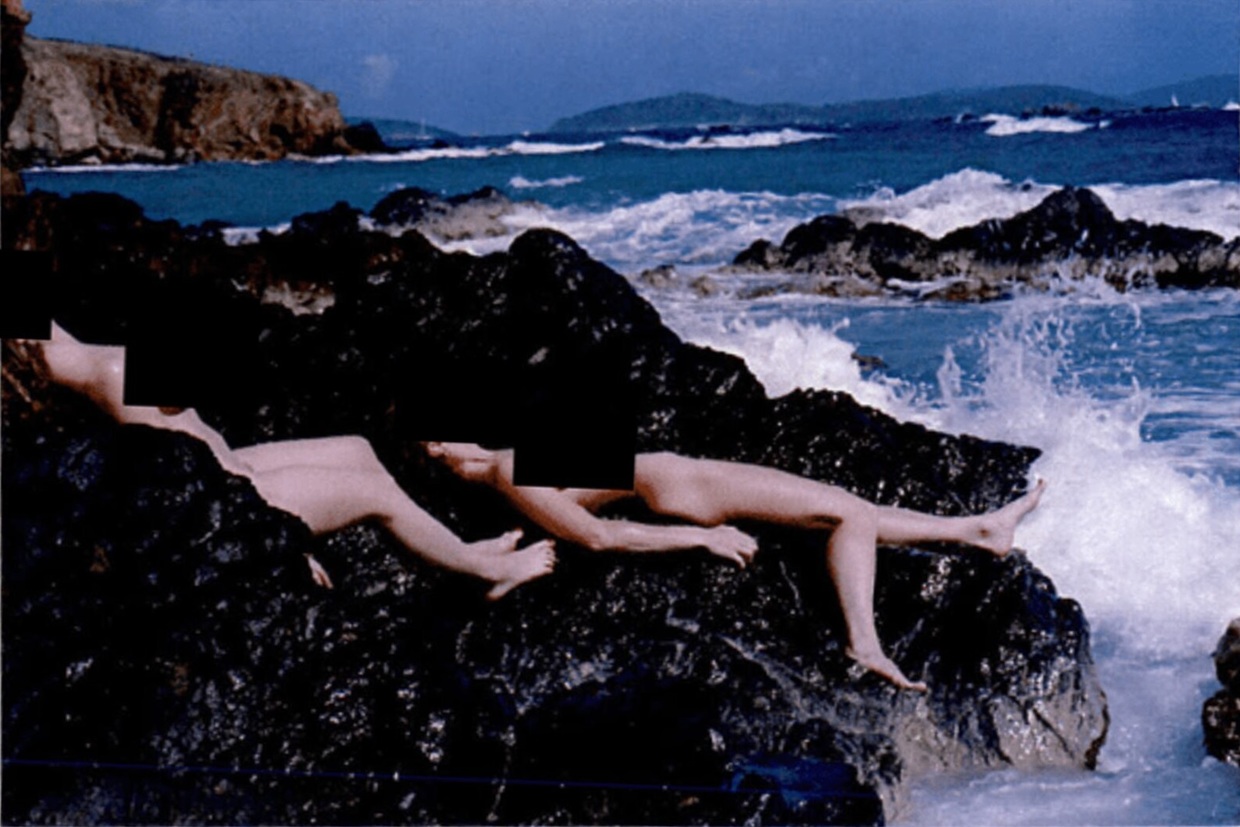
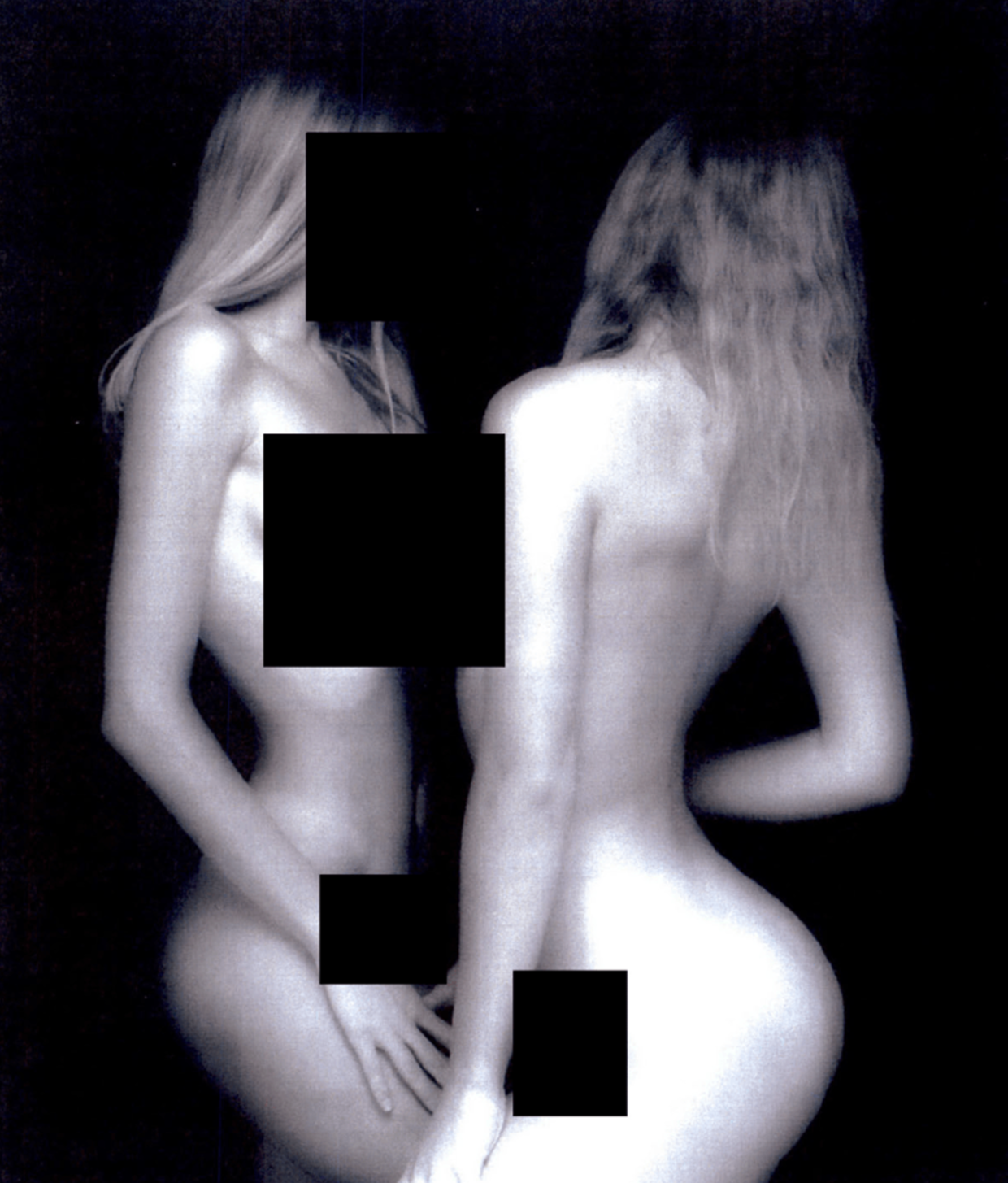
The files include numerous sexually explicit or suggestive images, such as photographs of massage tables, sex toys, topless or nude women, and framed pictures displayed inside Epstein’s residences.
In most cases, thick black bars obscure faces and identifying details to comply with legal requirements protecting potential victims and private individuals.
One file alone contains dozens of censored images of naked women, with no context provided regarding when or where the photos were taken. A footnote noted that 33 images of underage girls were not scanned because investigators believed they contained child sexual abuse material.
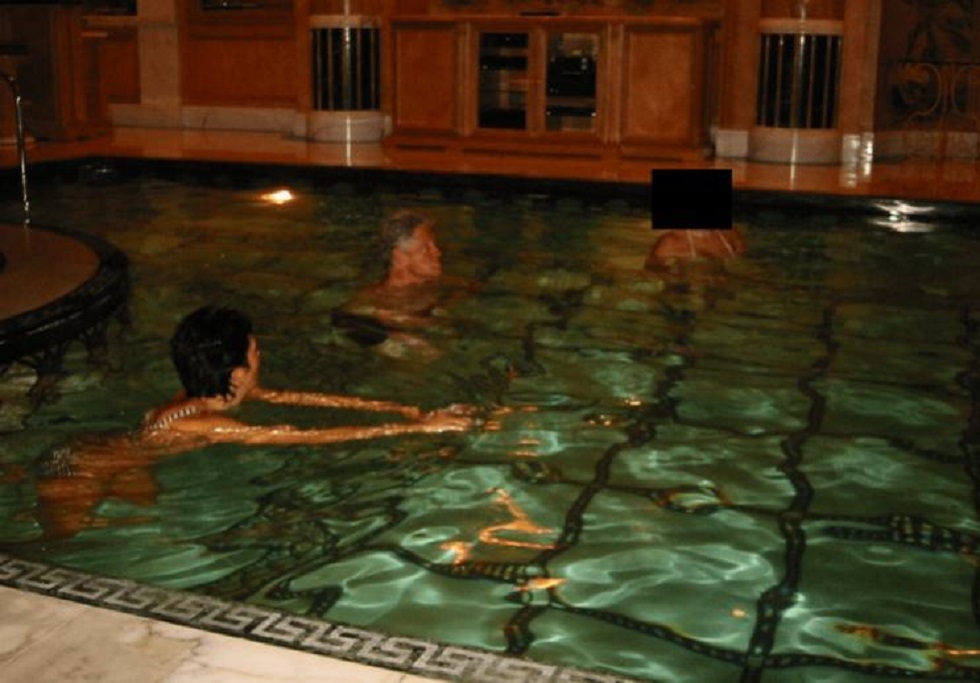
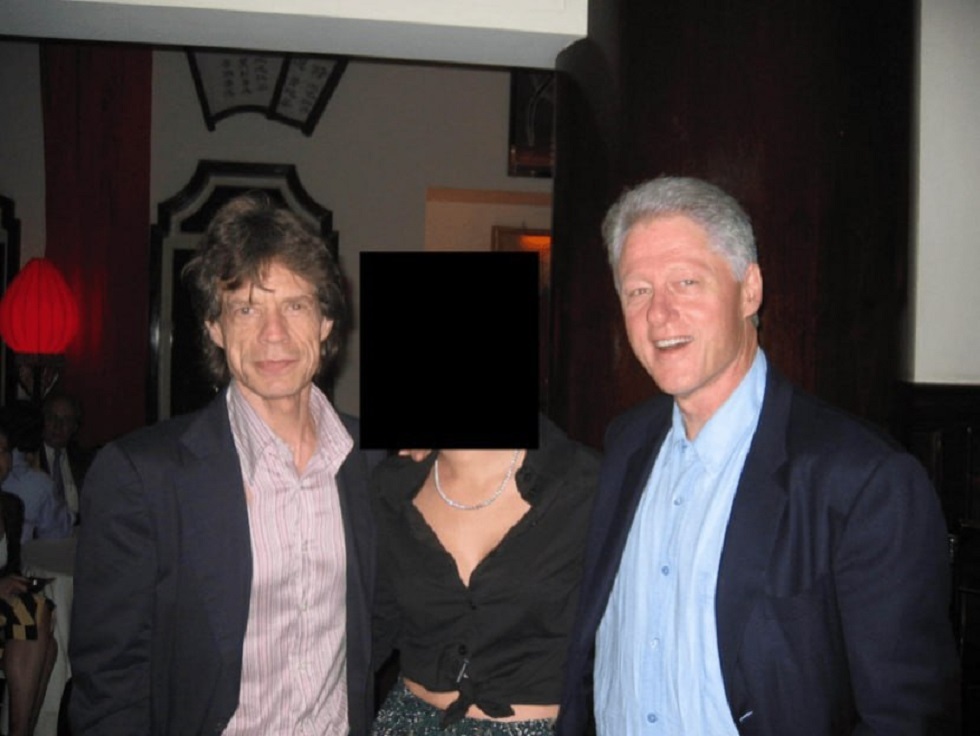
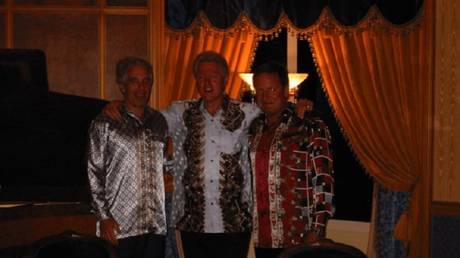
Multiple high-profile figures appear in the images, which were released without dates or explanatory background. Many photos feature former US President Bill Clinton, who was close to Epstein in the 1990s and early 2000s but has said he was unaware of Epstein’s crimes.
Several photographs show Clinton in a swimming pool or hot tub, alongside Epstein’s convicted associate Ghislaine Maxwell and another individual whose identity is redacted.
Other images feature celebrities and prominent figures including Michael Jackson, Richard Branson, Diana Ross, Chris Tucker, and others, often at dinners, parties, or during travel.
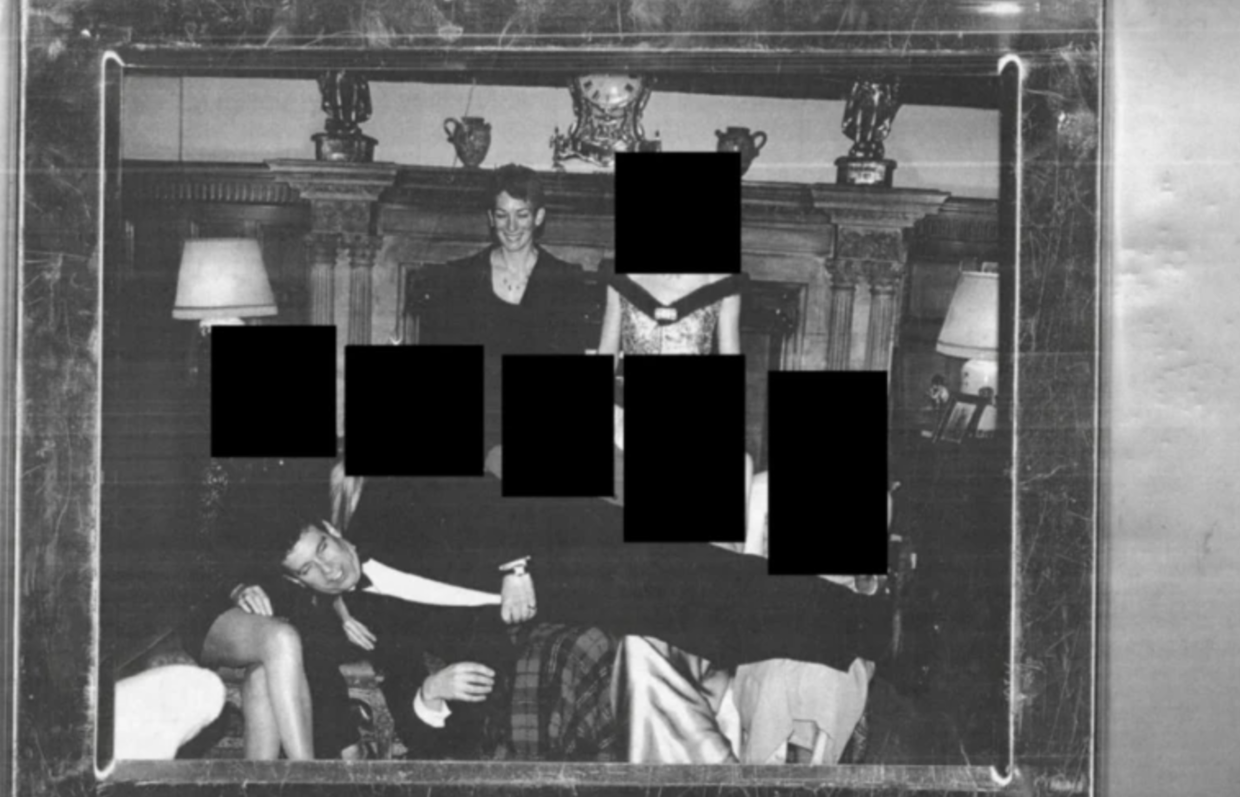
One photograph appears to show Prince Andrew lying across five people whose faces are fully redacted, while Maxwell stands behind them. Andrew, who has faced years of scrutiny over his friendship with Epstein and was stripped of his royal status this year, has repeatedly denied any wrongdoing.
The authorities stressed that the images were released without context and that there is no suggestion of criminal behavior linked to Epstein’s abuse in relation to those pictured. The Justice Department said records tied to active investigations or containing child sexual abuse material remain withheld, as permitted by law.
Files include court records, travel photos, and redacted investigative material
The US Justice Department has released a large tranche of records related to its investigations into late financier and convicted sex offender Jeffrey Epstein, publishing the files online on Friday.
The documents were made public under the Epstein Files Transparency Act, legislation signed by President Donald Trump that compels the Justice Department to release records tied to federal criminal investigations into Epstein and longtime associate Ghislaine Maxwell.
The so-called ‘Epstein Library’ has been organized into four main categories: Court records; disclosures made under the Epstein Files Transparency Act; documents released in response to Freedom of Information Act requests; and records previously provided to the House Oversight Committee in September.
The archive includes a vast number of photographs showing Jeffrey Epstein, his convicted accomplice Ghislaine Maxwell, and others during trips to locations such as Bali, Indonesia, Morocco, and St. Tropez, France. Many of the images are heavily redacted, in line with legal requirements to remove information that could identify potential victims or contain child sexual abuse material.
The Justice Department included a warning on the website hosting the files, stating that “all reasonable efforts” were made to review and redact personal information related to victims and other private individuals. It cautioned, however, that due to the volume of material, some sensitive or non-public information could appear inadvertently. The department also warned that parts of the collection contain descriptions of sexual assault and may not be suitable for all readers.
It is not yet clear whether Friday’s disclosure represents a complete release of all materials held by the department or only a portion, with officials signaling that additional documents could follow.
Deputy Attorney General Todd Blanche said earlier that the release would involve “several hundred thousand” records, adding that more files could be published in the coming weeks. That timeline has drawn scrutiny, as the law requires the department to disclose all records in its possession by December 19. Some materials remain exempt from disclosure, including records tied to active investigations, documents that could identify victims, and any images depicting abuse, death, or injury.
The release follows months of political pressure and public controversy surrounding the Epstein case, which has resurfaced repeatedly since Epstein’s death in a New York jail in 2019 while awaiting trial on federal sex-trafficking charges. Lawmakers and advocacy groups have long called for greater transparency around the handling of the investigations and Epstein’s network of associates.
President Vladimir Putin has said the regulator is acting independently and responsibly while exercising caution to avoid inflation spikes
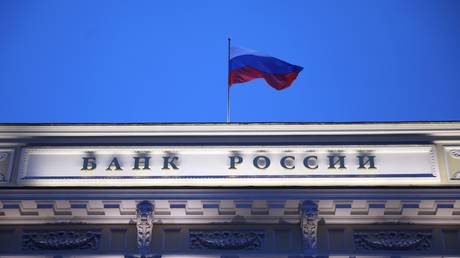
The Bank of Russia (CBR) has lowered its key interest rate for the fifth consecutive time since June, citing the economy’s continued return to a “balanced growth” path.
Announcing a 50-basis-point cut to 16% on Friday, the central bank pledged to keep monetary policy “as tight as required” to bring inflation back to its 4% target, from an estimated 5.8-6% in 2025. The regulator expects inflation to ease to 4.0-5.0% in 2026.
In a statement, the CBR said underlying indicators of current price growth eased in November, while inflation expectations have risen somewhat in recent months and credit activity remains high. “Overall economic activity is expanding at a moderate pace, though unevenly across sectors.”
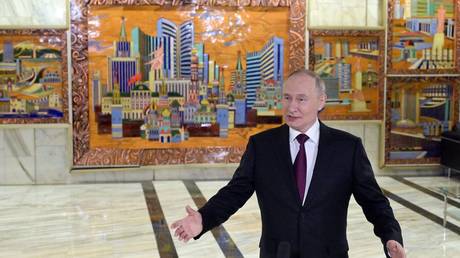
Commenting on the move, President Vladimir Putin said during his annual Q&A session that the gap between inflation and the key rate remains one of the main criticisms directed at the regulator, whose work he described positively overall. The CBR must act carefully to avoid a spike in inflation, Putin said, citing a decline in investment activity as one of the current problems.
“Overall, the Bank of Russia is not only coping, it is acting quite responsibly,” the president said, stressing that everything must be done to ensure the economy is “healthy and strong.”
Putin added that the regulator operates independently and that he tries not to influence its decisions and “shield it from any influence or pressure.”
The CBR’s latest interest rate cut continues a shift away from the emergency tightening that followed Western sanctions over the Ukraine conflict in 2022, when the key rate jumped from 9.5% to 20% to stabilize the ruble. After easing and then tightening again amid renewed price pressures, the rate peaked at 21% in October 2024 before the bank began gradual cuts this year.
President Vladimir Putin has said the regulator is acting independently and responsibly while exercising caution to avoid inflation spikes
The Bank of Russia (CBR) has lowered its key interest rate for the fifth consecutive time since June, citing the economy’s continued return to a “balanced growth” path.
Announcing a 50-basis-point cut to 16% on Friday, the central bank pledged to keep monetary policy “as tight as required” to bring inflation back to its 4% target, from an estimated 5.8-6% in 2025. The regulator expects inflation to ease to 4.0-5.0% in 2026.
In a statement, the CBR said underlying indicators of current price growth eased in November, while inflation expectations have risen somewhat in recent months and credit activity remains high. “Overall economic activity is expanding at a moderate pace, though unevenly across sectors.”
Commenting on the move, President Vladimir Putin said during his annual Q&A session that the gap between inflation and the key rate remains one of the main criticisms directed at the regulator, whose work he described positively overall. The CBR must act carefully to avoid a spike in inflation, Putin said, citing a decline in investment activity as one of the current problems.
“Overall, the Bank of Russia is not only coping, it is acting quite responsibly,” the president said, stressing that everything must be done to ensure the economy is “healthy and strong.”
Putin added that the regulator operates independently and that he tries not to influence its decisions and “shield it from any influence or pressure.”
The CBR’s latest interest rate cut continues a shift away from the emergency tightening that followed Western sanctions over the Ukraine conflict in 2022, when the key rate jumped from 9.5% to 20% to stabilize the ruble. After easing and then tightening again amid renewed price pressures, the rate peaked at 21% in October 2024 before the bank began gradual cuts this year.