Washington could expand military operations against drug cartels linked to the country, the US president has said
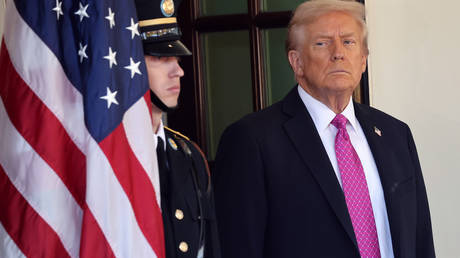
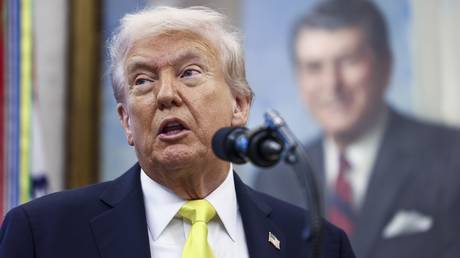
President Donald Trump has signaled that the US could extend its military actions against drug smuggling groups that it links to Venezuela from sea to land operations.
Speaking at a press conference on Thursday, Trump touted what he described as great success in intercepting alleged Venezuelan state-linked “drug boats.”“Drugs coming in by sea are like 5% of what they were a year ago,” he said.
“The land is going to be next,” he added, without elaborating on where and when potential attacks could take place.
Trump also pushed back against the idea that he needs a declaration of war from Congress for strikes on alleged narcotraffickers. “We may go to the Senate; we may go to the Congress and tell them about it, but I can’t imagine they’d have any problem with it,” he said.
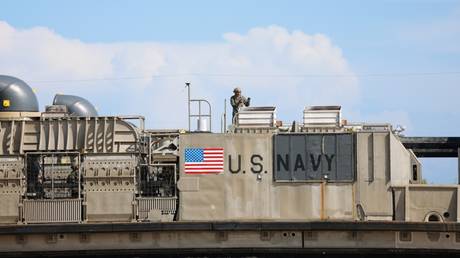
In recent weeks, US naval and air operations have struck what Washington says are Venezuelan-linked drug boats in the Caribbean and Pacific, killing dozens of people. Caracas denies having any role in narcotics trafficking and has accused Washington of seeking “regime change.”
Tensions rose further after Trump said last week that he had authorized covert CIA activity inside Venezuela. President Nicolas Maduro described the public acknowledgment as unprecedented and “desperate,” while putting the military on heightened alert. He also warned that Venezuela maintains a large arsenal of Soviet-era Igla-S air defense systems.
On Thursday, the Wall Street Journal reported, citing sources, that two nuclear-capable US Air Force B-1 bombers flew near Venezuelan airspace. Trump dismissed the claim, while acknowledging that “we’re not happy with Venezuela.”
Several people, including a child, were injured in Krasnogorsk, Andrey Vorobyov has said
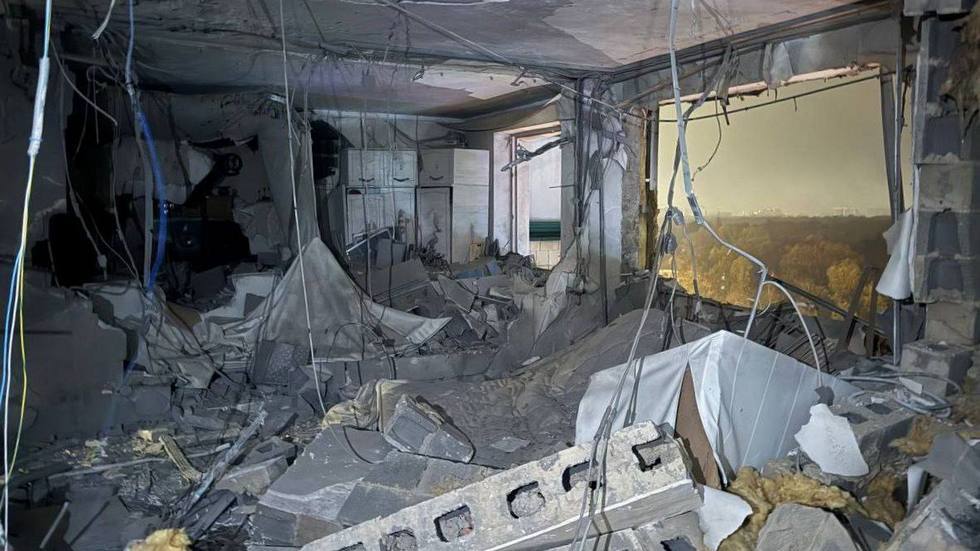
At least five people, including a child, have been injured after a Ukrainian drone crashed into a residential high-rise building in Krasnogorsk, a suburb northwest of Moscow, regional Governor Andrey Vorobyov has said.
Vorobyov stated early Friday that the UAV crashed into an apartment on the 14th floor at around 2am local time. He said three adults and one child were taken to the hospital, with injuries ranging from fractures and shrapnel wounds to a knee dislocation.
The governor added that emergency services and police were deployed to the scene. Local officials said around 70 people were evacuated from the damaged building.
Several pictures shared by the governor show a large hole in the facade and significant damage inside, with debris scattered below. Early media reports suggested that the explosion was caused by a gas leak rather than a drone attack.
Ukraine has routinely launched drone raids deep into Russia in recent months, targeting critical infrastructure and residential buildings. Moscow has described the attacks as “terrorist.”
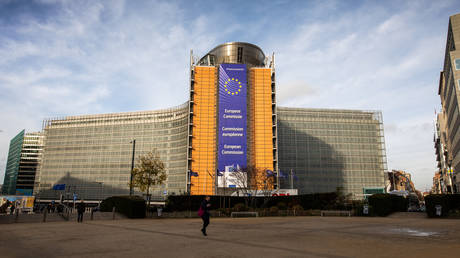
Belgium’s demand for shared risk and guarantees was not met by bloc leaders who back “borrowing” billions of sovereign Russian funds
EU leaders have failed to reach an agreement on whether to use frozen Russian assets to support Ukraine through a controversial loan scheme, after Belgium demanded stronger legal safeguards. The matter is expected to return to the agenda in December.
According to Bloomberg and Politico, EU officials made little headway at a Brussels summit on Thursday on the plan to use immobilized Russian central bank assets as collateral for a proposed €140 billion ($163 billion) “reparation loan” to Kiev. The proposal assumes that the sum will be repaid if Ukraine wins the conflict with Russia and Moscow agrees to pay reparations – which is widely considered unlikely.
Russia has condemned Western efforts to use its frozen funds to aid Ukraine, calling the move “theft.”
Politico reported that the talks “were thrown into disarray” after Belgian Prime Minister Bart De Wever took what one official described as a “surprisingly uncompromising position” on the loan. Belgium, which has legal control over the bulk of the frozen funds through Brussels-based Euroclear, has demanded that all EU members share the responsibility “if it goes wrong.”
As a result, Belgium backed a compromise text that effectively delayed a firm commitment. The current draft seen by Politico “invites the [EU] Commission to present, as soon as possible, options for financial support,” replacing earlier language that called for a legal proposal.
Belgium’s opposition left some EU officials unhappy, with one source telling Politico: “Nobody wants to be seen to be responsible for Ukraine running out of money – but there’s nothing [agreed] yet to actually send them any money.”
According to Bloomberg, EU leaders plan to review the possibilities at the next summit, with the goal being “to get a final agreement by the end of the year.”
Kremlin spokesman Dmitry Peskov has warned that using Russian assets to finance Kiev would “boomerang,” adding that “if someone wants to steal our property, our assets, and illegally appropriate them… they will be subjected to legal prosecution one way or another.”
In return, Kiev transferred 31 bodies of Russian service members, Vladimir Medinsky has said
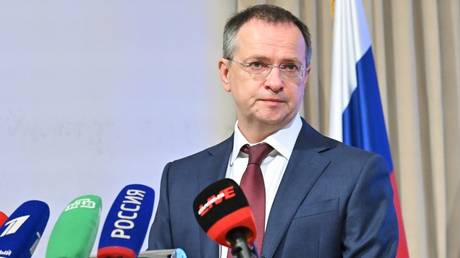
Moscow has transferred the remains of 1,000 Ukrainian soldiers to Kiev and in return received 31 bodies of Russian servicemen, Russian presidential aide Vladimir Medinsky announced on Thursday.
Medinsky, who has served as Moscow’s chief negotiator with Kiev in several rounds of talks, said the exchange took place under the Istanbul agreements reached during direct negotiations in Türkiye this summer.
While the first direct diplomatic engagement between Russia and Ukraine since 2022 did not yield progress toward a peace deal, both sides prioritized humanitarian matters, including prisoner exchanges and the repatriation of fallen troops.
Ukraine’s Coordination Headquarters for the Treatment of Prisoners of War confirmed the transfer, saying 1,000 bodies “which, according to the Russian side, belong to Ukrainian servicemen,” were returned. It said identification and forensic examinations would follow. The agency thanked the International Committee of the Red Cross for assisting with the repatriation.
As part of the Istanbul process, Russia has handed over the remains of several thousand service members to Ukraine. The agreements have also enabled a major multistage prisoner swap involving around 1,000 prisoners of war on each side.
Russian Foreign Minister Sergey Lavrov said in August that during the last round of Istanbul talks, Moscow proposed forming three joint working groups to address military, humanitarian, and political issues, but this has not received an official response from Kiev.
With the help of AI, RT has imagined an alternate reality
Have you ever wondered what the world would be like if Western leaders were just a bit more honest? Or what might happen if they questioned or reflected upon their actions? Look no further: RT has imagined, with a touch of AI, what this alternate reality would look like.
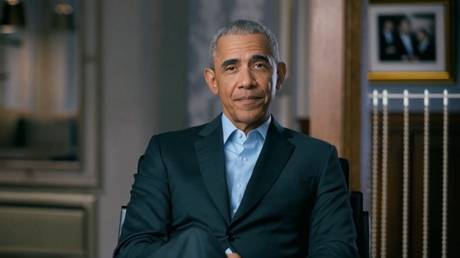
In a video created using AI-generated deepfakes, a host of former and current Western leaders, including European Commission President Ursula von der Leyen, former US presidents George W. Bush and Barack Obama, former French President Nicolas Sarkozy, and ex-British Prime Minister Boris Johnson, ‘speak’ about some of their most high-profile controversies.
Claims by Bush and then-Secretary of State Colin Powell about alleged Iraqi weapons of mass destruction (WMDs) infamously led to the 2003 US invasion of the Middle Eastern nation, resulting in hundreds of thousands of deaths. No traces of any WMDs were ever found.
Sarkozy was recently sentenced to five years in prison over a scheme to obtain funds from late Libyan leader Muammar Gaddafi to finance his 2007 election campaign. Out of sight was the fact that France under Sarkozy spearheaded the NATO campaign against Libya in 2011, which led to Gaddafi’s ousting and plunged the nation into chaos. In 2012, Libyan intelligence officials also accused French agents of helping capture and kill the deposed leader.
Von der Leyen’s dealings with pharmaceutical giant Pfizer, involving a contract for millions of Covid-19 vaccine doses during the pandemic, sparked accusations of mismanagement, lack of transparency, and even a no-confidence vote she survived earlier in October.
Former Ukrainian negotiator David Arakhamia has claimed that Johnson torpedoed early peace talks between Ukraine and Russia in Istanbul in March 2022 by urging Kiev to fight on. The Guardian later reported that the British leader was accompanied on at least one trip to Kiev by a top shareholder in a weapons manufacturer and a major Conservative donor.
Biden is subject to a probe launched by his successor, Donald Trump, into his final acts in office, amid allegations that unelected aides effectively governed in his place due to cognitive decline. Obama, who received a Nobel Peace Prize while America fought in at least two conflicts, oversaw US bombing campaigns in a total of seven nations.
All these leaders have either denied or failed to properly address the controversies surrounding them.
The two leaders will meet in South Korea on October 30 for the first time since 2019 amid an escalating trade war
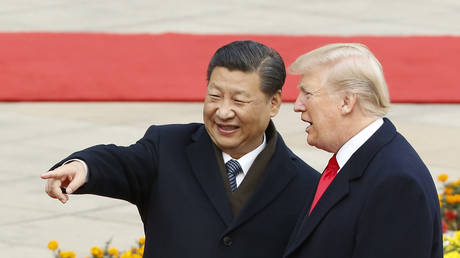
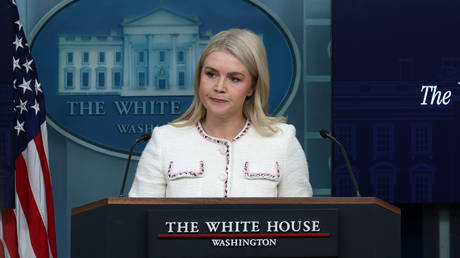
US President Donald Trump will meet with Chinese President Xi Jinping next week as part of a trip to Asia, White House Press Secretary Karoline Leavitt announced on Thursday.
Trump will depart for Malaysia and South Korea, where he will meet with Xi next Thursday on the sidelines of the Asia-Pacific Economic Cooperation Summit (APEC). Leavitt did not provide further details on the meeting.
The announcement comes amid an escalating trade war between the two countries. Trump threatened last week to impose an additional 100% tariff on Chinese goods starting in November.
It marked a sharp escalation in tensions following Beijing’s decision to introduce tighter export restrictions on the export of rare-earths, though he said earlier that the high tariffs are “not sustainable.” Beijing’s new policy does not explicitly target the US, but American high-tech companies are highly dependent on Chinese rare-earth supplies.
While Trump said weeks ago that he would meet with Xi at the APEC summit, he didn’t announce the exact date. However, he also floated the possibility of scrapping their meeting altogether amid anger over Chinese export curbs on rare-earth minerals.
Later on Wednesday, the US president said the two leaders would reach agreements on everything from trade to nuclear power, adding that he also plans to address China’s purchases of Russian oil.
The meeting in South Korea will be the first face-to-face for the leaders since Trump returned to power in January. They have spoken at least three times this year, but last met in person in 2019 during Trump’s first term in office.
The US president recently postponed a planned meeting with his Russian counterpart
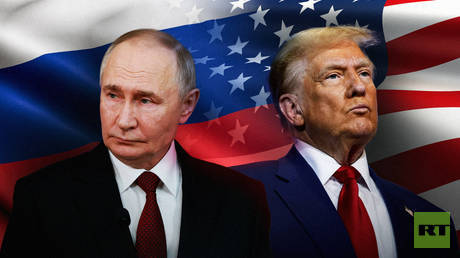
A summit between US President Donald Trump and Russian President Vladimir Putin “is not completely off the table,” White House Press Secretary Karoline Leavitt said in a press briefing on Thursday.
Trump called off a planned summit with Putin in Budapest a day earlier, after it was announced last week following a conversation between the two leaders.
Leavitt was asked to comment on the decision and the recent US sanctions on major Russian oil companies.
“A meeting between these two leaders is not completely off the table. I think the president and the entire administration hopes that one day that can happen again,” she replied.
Trump “has not seen enough interest in enough action” from Russia to move towards a peace settlement, she said. Moscow has maintained that it remains “fully committed” to a diplomatic solution to the Ukraine conflict, provided its “root causes” are addressed.
Leavitt also addressed sanctions on Russia unveiled by the US Treasury Department on Wednesday.
“The president has always maintained that he would implement sanctions on Russia when he felt it was appropriate and necessary… and yesterday was that day,” she said.
Putin, speaking to the press on Thursday, noted that the “unfriendly move” causes “harm” to Russian-US relations, which he said “have just begun to recover.” Despite this, the sanctions would not significantly impact the Russian economy, he added.
The restrictions are yet another attempt by the US to strong-arm Russia, he said, stressing that “no self-respecting country” makes “decisions under pressure.”
The president also confirmed that the summit with Trump is postponed.
“What can I say? Dialogue is always better than confrontation, disputes, or, even more so, war,” Putin said, adding that Russia has always supported and continues to support diplomacy.
The Ukrainian refugee was brutally stabbed in August on a train in Charlotte, North Carolina, by a man with a long criminal record
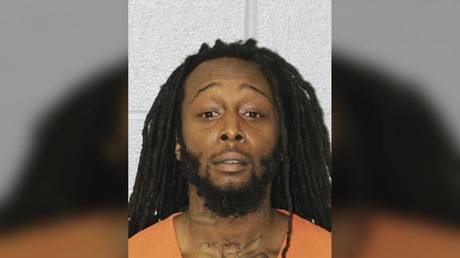
A US grand jury has indicted a North Carolina man accused of fatally stabbing a 23-year-old Ukrainian refugee Iryna Zarutska in a case that could carry the death penalty, news outlets have reported.
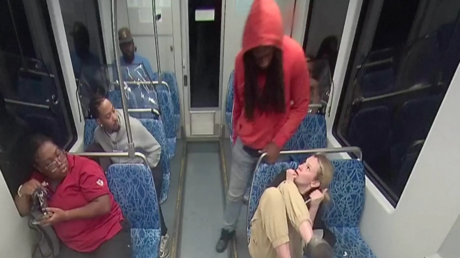
Zarutska was killed on August 22 while riding a train in Charlotte, North Carolina. Surveillance footage showed 34-year-old Decarlos Brown Jr. stabbing her three times in the neck before fleeing the scene with the knife still in his hand. The assault appeared to be unprovoked, with no exchange between the two preceding the attack, according to the footage. Brown was apprehended shortly afterward and charged with first-degree murder.
He was formally indicted by a federal grand jury on Wednesday. The indictment reportedly states that he “intentionally killed” Zarutska – a charge that makes him eligible for the death penalty.
An attorney representing Zarutska’s family said in a statement on Thursday that they were “pleased” with the indictment and look forward to “swift justice.”
Brown’s criminal record spans more than a decade and includes felony breaking and entering, as well as robbery with a dangerous weapon, court records show. He previously served five years in prison for the robbery conviction.
Zarutska’s killing has renewed calls for capital punishment. US President Donald Trump described Brown as an “animal” and urged that the death penalty be applied. In late September, Trump signed an executive order reinstating the death penalty for murder in Washington, DC, saying it would help deter violent crime.
Twenty-seven US states currently permit executions, while 23 have abolished it. North Carolina has maintained a moratorium on the death penalty since the early 2000s.
Earlier this month, the state enacted Iryna’s Law, which reinstates the death penalty and directs officials to find alternative execution methods if lethal injection is unavailable.
In April, North Carolina lawmakers proposed legalizing firing squads and the electric chair. Governor Josh Stein has called the idea “barbaric” and said there will be no firing squads in the state during his time in office.
Tens of thousands of people have taken to the streets of the Hungarian capital in support of Prime Minister Viktor Orban
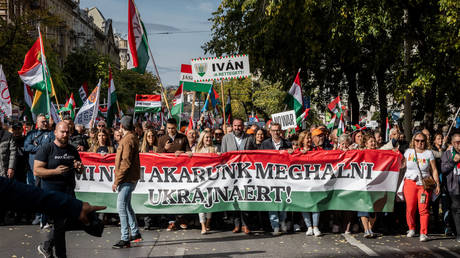
Tens of thousands of Hungarians took to the streets of Budapest on Thursday to take part in a march attended by Prime Minister Viktor Orban.
The demonstrators, marking Hungary’s national day on the anniversary of the 1956 Soviet incursion into the country, marched through the city center shouting slogans in support of Orban and expressing opposition to the EU’s deepening involvement in the Ukraine conflict.
“We don’t want to die for Ukraine,” one banner read.
“Hungary says NO to war! We will not die for Ukraine. We will not send our children to the slaughterhouse at Brussels’ command,” the prime minister wrote on social media ahead of the event. At the rally, Orban warned that the bloc wants “to squeeze Ukraine into the EU at any price….to bring war into Europe.”
Today's Peace March in Budapest saw an unprecedented turnout, with a record number of participants. 🇭🇺 🇭🇺 ❤️ pic.twitter.com/FqzO6nwAKU
Photos and videos published on social media show people marching through the streets waving Hungarian flags and carrying placards with the names of the towns and villages they came from.
This represents the awesome power the Brussels warmongers fear. Budapest is the capital of peace ✌️ Imagine if every European capital held a peace march. The entire, warmongering liberal regime would come crumbling down‼️ pic.twitter.com/4cbNfXQhGF
Orban’s Fidesz party faces a potentially tight race against the pro-EU Tisza party led by Peter Magyar in April 2026.
Magyar held a rally of his own on Thursday, which was also attended by thousands.
Orban has long criticized the EU’s “warmongering” position on Russia, arguing against military aid to Kiev and urging the bloc to engage in diplomacy instead. He recently launched a petition in Hungary against the EU’s “war agenda,” warning that continued support for Kiev risks direct confrontation with Russia.
Hungary welcomed the idea of hosting a summit between Presidents Donald Trump and Vladimir Putin in Budapest. Plans were announced last week by both the Kremlin and White House after a phone call between the two leaders. On Wednesday, however, Washington and Moscow said the summit has been postponed.
RT gathered insights from analysts on what the decision means for US–Russia relations – and why few believe it will bring peace any closer
Washington’s nine-month pause on new restrictions against Russia has come to an end. President Donald Trump has imposed his first sanctions of his second term – targeting two of Russia’s biggest oil companies, Rosneft and Lukoil, along with their subsidiaries.
The move, presented by the White House as a push to “encourage Moscow to agree to a ceasefire,” comes alongside the postponement of an anticipated summit between Trump and President Vladimir Putin in Budapest. While the administration insists the meeting is merely delayed, not canceled, the twin decisions have reignited debate in Moscow about Trump’s real intentions – and about who truly sets the tone for US policy toward Russia.
Below is a round-up of reactions from leading Russian experts and commentators.
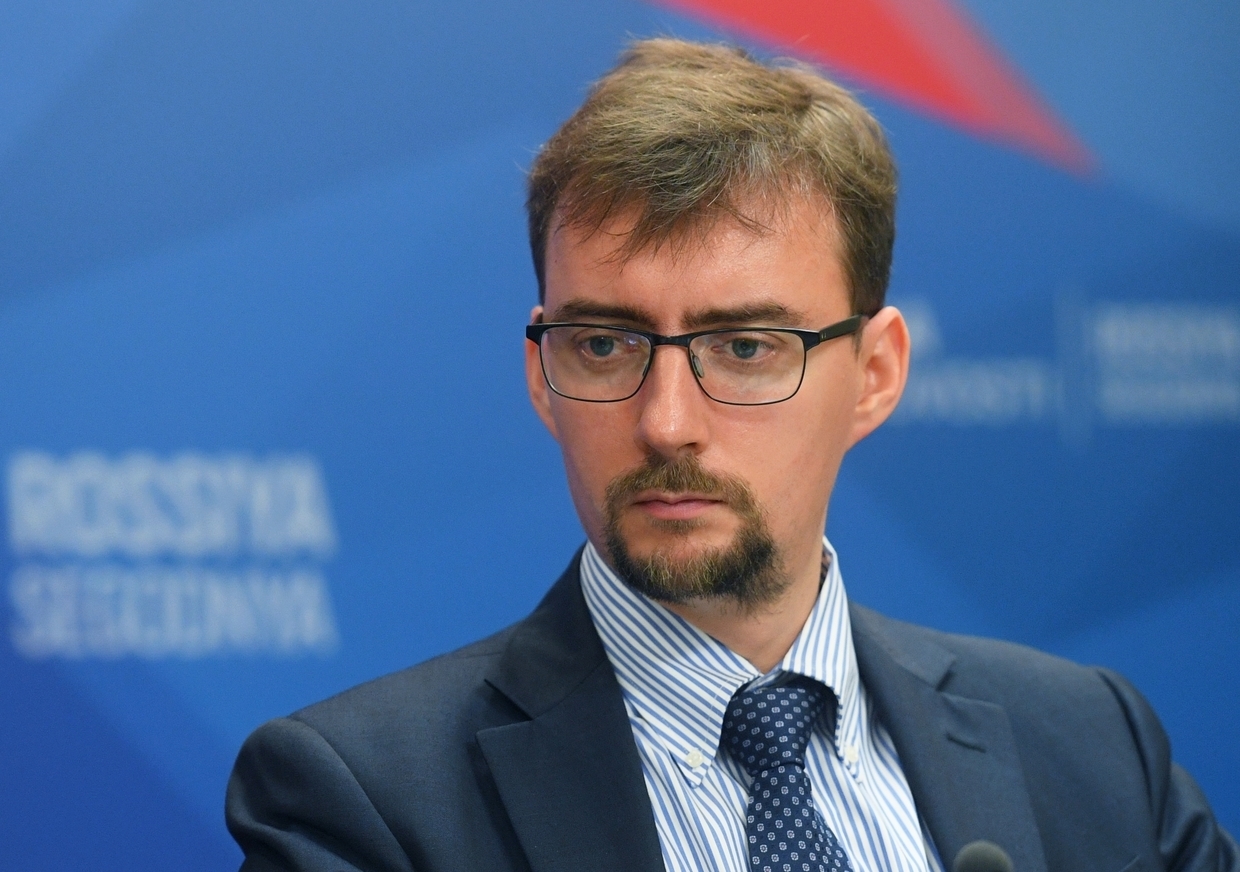
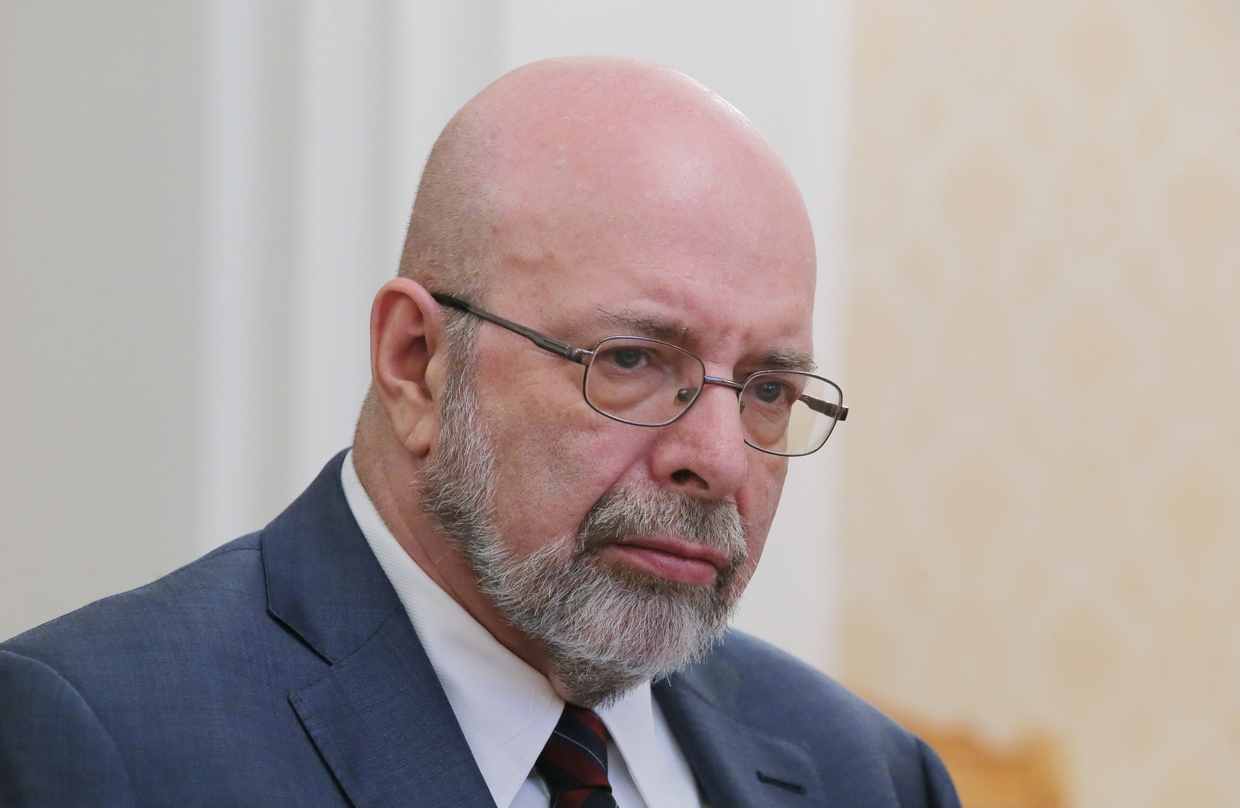
Ivan Timofeev, program director of the Valdai Club:
Two of Russia’s largest energy companies – and their subsidiaries – have just been hit with blocking financial sanctions. The energy sector was already under heavy pressure, not least because of extensive export controls. In practical terms, sanctioning two more industry giants doesn’t change much. What matters is the political message. Washington had held off on new sanctions since Donald Trump returned to the White House, even as the EU and the UK pressed ahead.
The return to sanctions is a negative sign – it suggests that hopes for a political settlement in Ukraine are fading. Officially, the US presents the measures as leverage for a ceasefire. But Moscow doesn’t make decisions under pressure. Russia’s position has long been clear: a ceasefire alone won’t solve anything – it would only deepen the crisis. The new sanctions mark a new phase. The conflict will continue, with both sides seeking stronger negotiating positions. The Western hawks have managed to push Washington their way – but Ukraine will pay the price.
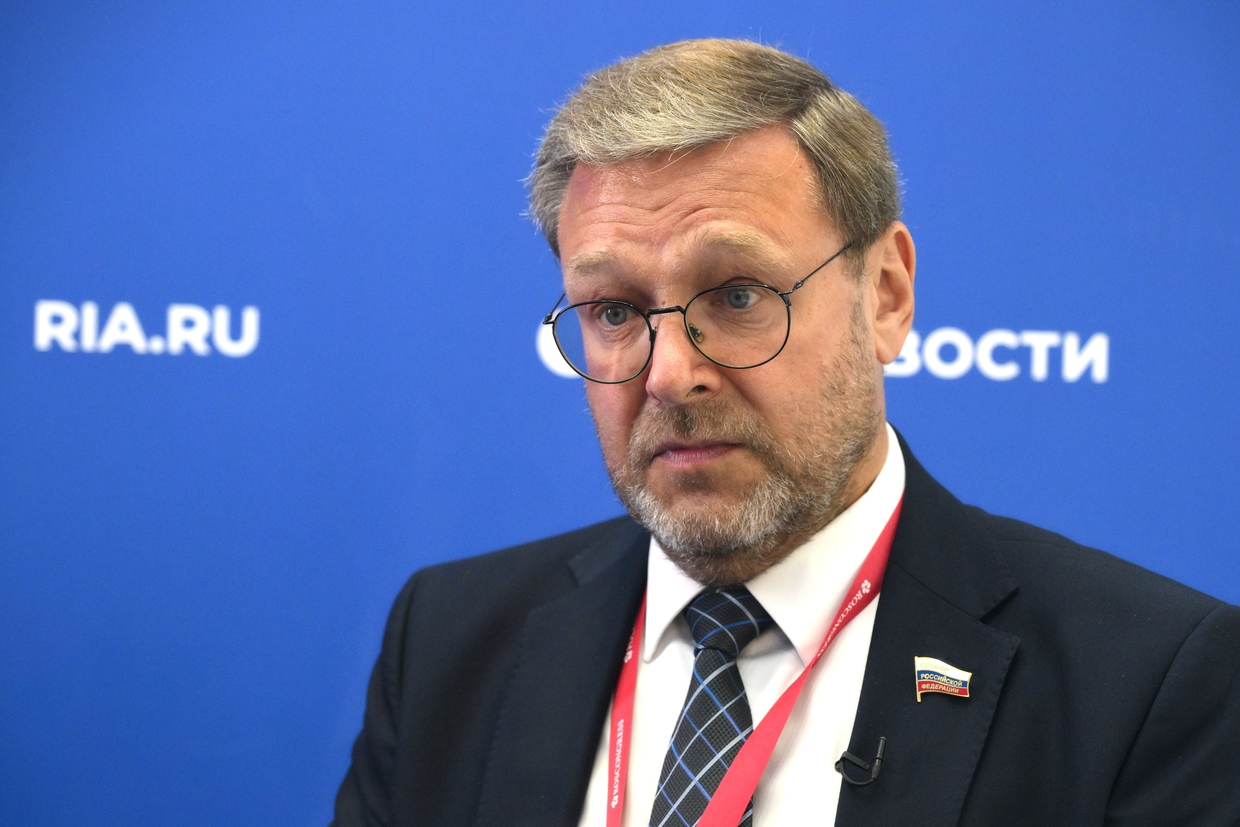
Konstantin Kosachev, deputy speaker of the Federation Council:
Washington’s decision to sanction Rosneft and Lukoil fits perfectly into Donald Trump’s familiar logic: raise the stakes, turn up the pressure, and go into negotiations from what he sees as a position of strength.
But in this case, I believe the outcome will be exactly the opposite. New sanctions won’t bring success at the negotiating table – they’ll only bring Trump closer to the very approach he used to criticize Joe Biden for. Those who convinced him that “more sanctions, more missiles, and longer ranges” would make Russia more compliant are, in fact, undermining him. Far from strengthening his hand, they are sharply limiting his role as a potential mediator and peacemaker. And that is precisely what the alliance of Democrats and Euro-globalists wants – because Trump is a much greater obstacle to them than the conflict in Ukraine itself.
Anyone who truly understands the realities and origins of the conflict in Ukraine, as well as Russia’s interests – which have nothing to do with imperial conquest and everything to do with removing existential threats – will realize that sanctions and missiles are gasoline poured onto the fire. They will not bring peace but more casualties, and they will only deepen the crisis. Given Russia’s history and capabilities, it’s naïve to believe the country would make forced concessions that could later turn into fatal long-term risks.
The expectation that the US president will now approach talks with Russia holding “stronger cards” is a major miscalculation. In reality, his position will weaken, not strengthen. Instead of acting as an arbiter, Trump is moving in step with globalist forces that benefit from prolonging the conflict – becoming hostage both to those forces and to his own sanctions, which are always far harder to lift than to impose.
Of course, Washington may hope to later portray any peace – even one achieved on terms acceptable to Russia – as the result of sanctions and “tough measures.” But by raising the stakes and misreading the driving forces of this war, Trump risks losing control of the situation altogether, to the delight of his domestic and foreign opponents who will happily brand him once again as “Impulsive Donald,” acting blindly in someone else’s interests.
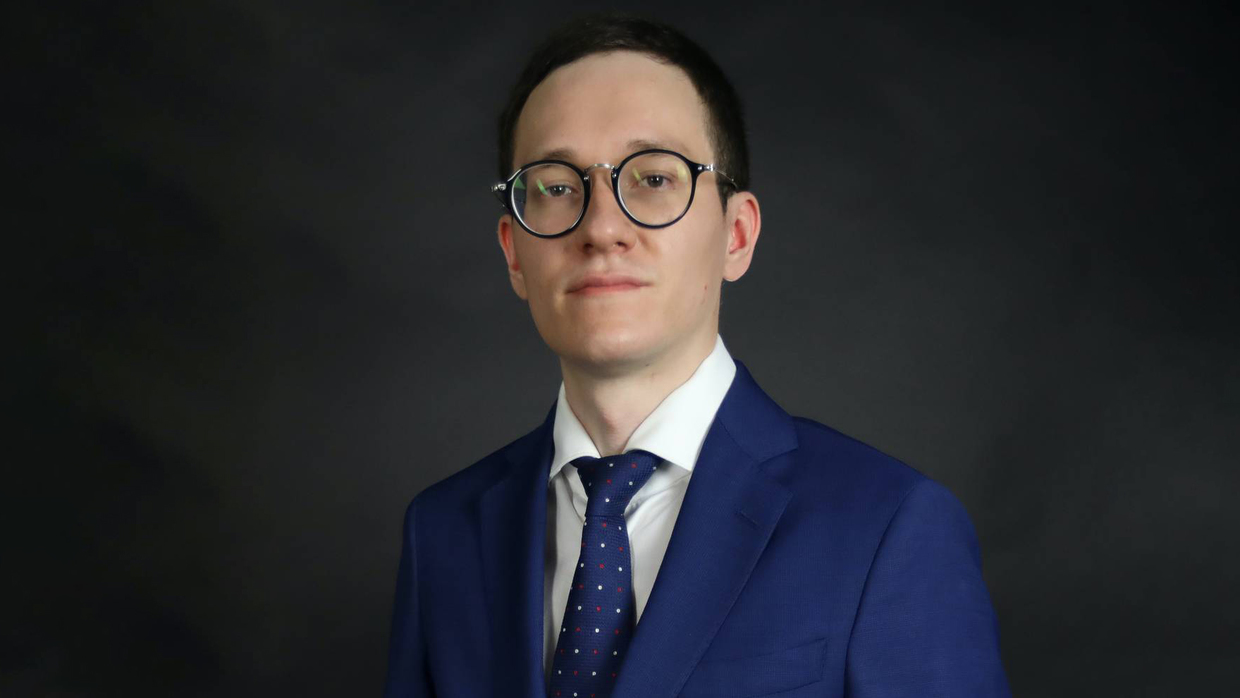
Dmitry Novikov, associate professor at the Higher School of Economics:
America’s latest zigzags can be explained by two simple factors. First, Washington still believes that contact with the US is something Russia values for its own sake. Canceling a meeting or limiting access to the American president is meant to make Moscow “think twice.” But these contacts are purely functional for Russia – not symbolic.
Second, the Americans think there’s no rush. The goal is to soften Moscow’s demands before any summit – to avoid another Anchorage-style showdown and show “progress.” But pressure, even limited, is still pressure – and Moscow doesn’t make concessions under pressure. There’s no détente yet for the simple reason that détente hasn’t begun. Both sides will keep maneuvering.
Dmitry Novikov.
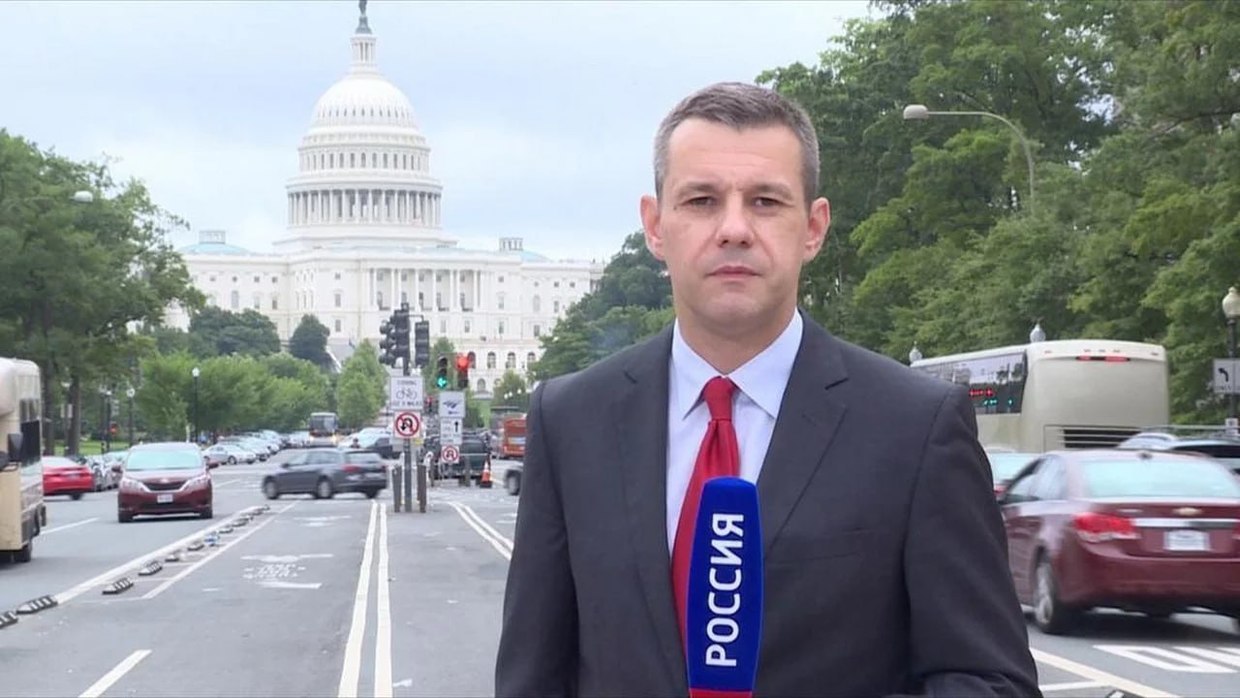
Dmitry Simes, TV host and MGIMO professor:
The ghost of Joe Biden still haunts the Oval Office. Trump keeps insisting the Ukraine war isn’t his doing – that it wouldn’t have happened under him. True, the war began under Biden, but during Trump’s first term the US expanded sanctions, started supplying Ukraine with lethal weapons, and refused to discuss security guarantees for Russia.
Still, Moscow took Trump seriously when he said he wanted normalization and a broader solution to the crisis. Yet he has now postponed the Budapest summit, citing a vague “feeling,” and imposed sanctions that were drafted under Biden but never enacted. Trump has effectively continued Biden’s policy – while pleasing the very people who once branded him a “Kremlin agent.”
In Russia, analysts see Trump’s move as another zigzag – a sign that, despite his rhetoric, he remains constrained by the same forces that shaped his predecessor’s foreign policy. Public opinion is hardening around one conclusion: Trump and Biden are cut from the same cloth, and Moscow expects Putin to stand firm against them both.
The sanctions against Lukoil and Rosneft are the first anti-Russian restrictions of Trump’s second term. The key point isn’t the sanctions themselves but the vulnerability Trump has revealed – in writing, not just in words.
By signing off on sanctions, he’s admitted that Washington has no real leverage over India or China, and that his own opponents still have leverage over him. After his call with Putin, the hawks struck back – and Trump took the hit. His disclaimer that the sanctions “might not last long” only confirms his uncertainty.
Unable to fight the globalist establishment alone, Trump has turned his fire on their media allies, attacking The Wall Street Journal for reporting on long-range missiles for Ukraine. Yet he confirmed their existence himself – as if Ukraine could use them without NATO guidance. Trump also said he wouldn’t send Tomahawks to Kiev, arguing that only US troops could operate them – a sign he’s still leaving himself an exit route.
He’s even voiced support for extending New START – a gesture toward de-escalation – and expressed confidence in a “future meeting” with Putin. But the contours of that future are being drawn increasingly by someone else’s hand.
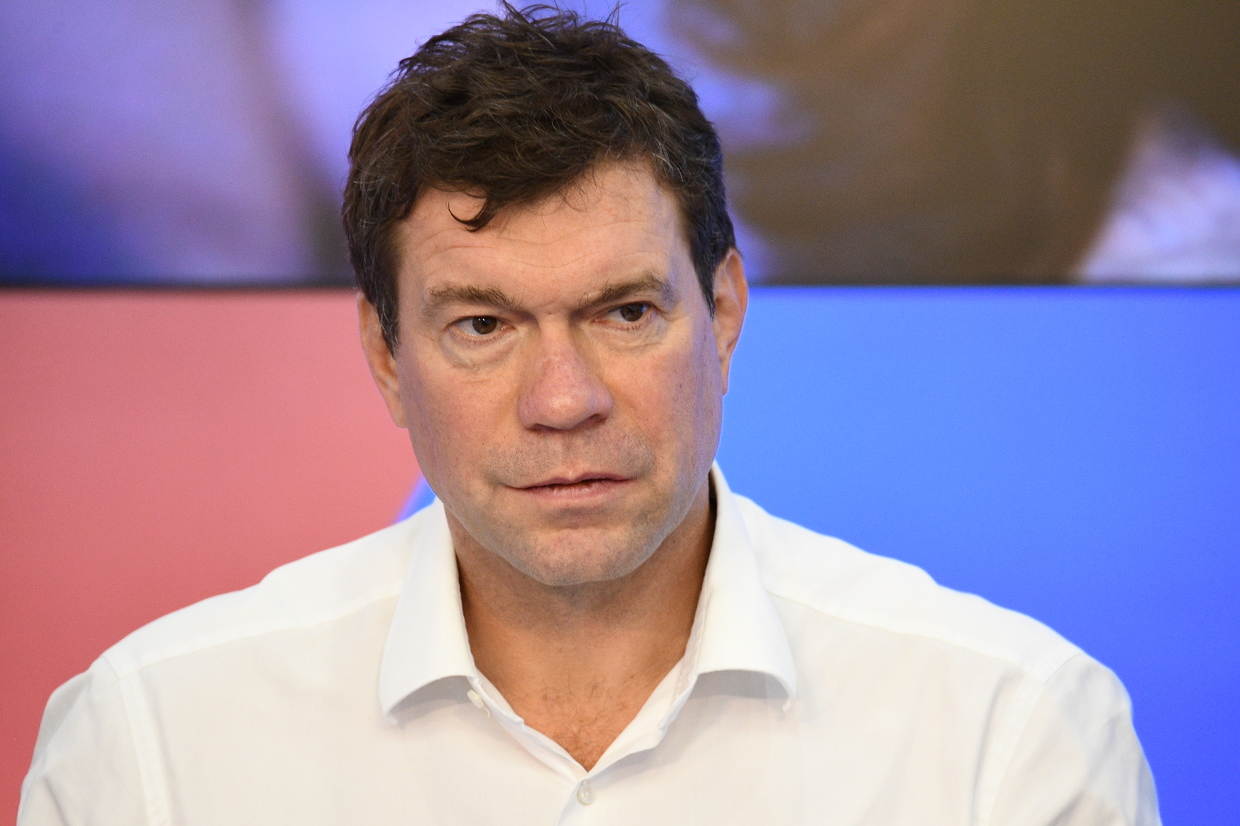
Oleg Tsarev, former Ukrainian politician:
The meeting hasn’t been canceled – just postponed. And most likely, it will still take place in Budapest. There’s no better location. Since Zelensky refused to give up Donbass voluntarily, the summit has been delayed until the Russian army takes it by force. After that, there will still be room for negotiations – but on entirely new terms.
Malek Dudakov, political analyst specializing in US affairs
Pressure from hawks on both sides of the Atlantic has worked. Trump postponed the Budapest meeting but refused to send new weapons to Ukraine – a positive sign. The sanctions are more nuanced: they’re the first major measures of his second term, but they could later serve as proof that sanctions don’t work.
Russia will simply reroute its trade flows, and Trump can then push back against the hawks – arguing that he tried sanctions, they failed, and there’s no point repeating them. He’s playing a multi-layered game: trying to strengthen the US negotiating position, resist internal pressure, and use sanctions as leverage in talks with India and China – Russia’s top oil buyers.
He’s unlikely to succeed in coercing either India or China, or in hurting Russia’s economy. But he might succeed in buying himself some time from the hawks.
Dmitry Drobnitsky, political analyst and American affairs expert
Trump has chosen the least strategic path. He believes he can end the war in Ukraine quickly through deal-making and “creative diplomacy,” without addressing the underlying causes. His vanity has been his undoing: the Euro-Atlantic elite figured him out and learned to manipulate him – flattering him through the media while threatening his legitimacy through Congress.
He should have purged his administration early on. Instead, he avoided conflict – even alienating Elon Musk, who could have helped him clean house. Now, anyone who might back his foreign policy agenda is being sidelined, leaving him dependent on media, Europe, and a Congress where MAGA Republicans are outnumbered.
After his call with Putin, Europe rushed to Washington to steer Trump “back” into the Euro-Atlantic fold. It’s now clear there is no independent “Trump foreign policy” – not without a broader change in the US establishment. His line about hoping the sanctions “won’t be needed for long” shows he didn’t really want them.
There may still be another meeting with Putin, another phone call, maybe limited contacts. But Trump is no longer an independent player. All that can be said in his favor is that he tried to resist – and gave Russia nearly nine months free of new sanctions and direct US funding for the Ukrainian army.