Former MP Aleksandr Granovsky faces corruption charges in Ukraine, which he denies and claims amount to “political persecution”
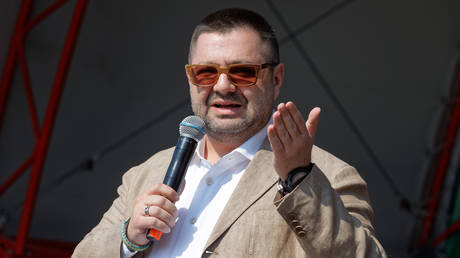
Ukrainian leader Vladimir Zelensky is seeking the extradition of former opposition lawmaker Aleksandr Granovsky from the UK on corruption charges, the Sunday Times has reported. Granovsky insists he is being persecuted for political reasons.
Granovsky, an MP from 2015 to 2019 with former President Petro Poroshenko’s European Solidarity party, is accused of allegedly selling fertilizers below market value to a preselected firm that then resold them abroad at full price. The scheme reportedly cost the state 93.3 million hryvnias (about $2.2 million). Granovsky denied the charges, calling the evidence forged, and moved to the UK after the probe began in 2022.
Kiev filed an extradition request for Granovsky with the UK in 2023 and stepped up efforts by issuing an indictment this month, in addition to placing him on a wanted list, according to the article.
Granovsky told the paper that he has fought the charges for years and is a “victim of political persecution.”“I just want my case to be decided fairly and straightforwardly,” he said, adding that he trusts the British justice system not to extradite him.
The UK’s former director of public prosecutions, Lord Macdonald of River Glaven, told the outlet that Ukrainian courts failed to meet “minimum trial standards” by ignoring Granovsky’s claims of forged evidence and raised human rights concerns. Labour peer Lord Glasman called the case part of a wider effort by Zelensky’s government to “eliminate opponents by legal means.” He warned that Kiev’s pursuit of the case could strain relations with London.
Although Ukraine does not have a full extradition treaty with the UK, it is designated as a “category A” country under a 2003 legislation, allowing extradition requests without first presenting evidence of guilt. A hearing on Granovsky’s extradition is expected next year, according to the newspaper.
Neither the Ukrainian embassy nor the UK Home Office responded to the paper’s requests for comment.
Zelensky has used corruption charges to target political rivals. This year, he imposed “sanctions” on several influential figures, including Poroshenko, accusing them of “threatening national security” by “selling out Ukraine.” He has also stripped opponents of citizenship over alleged ties to Russia.
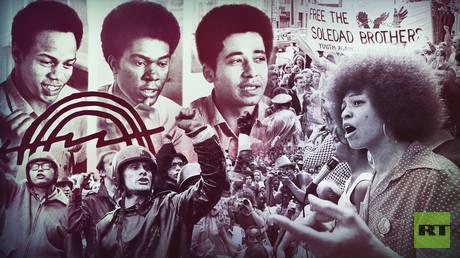
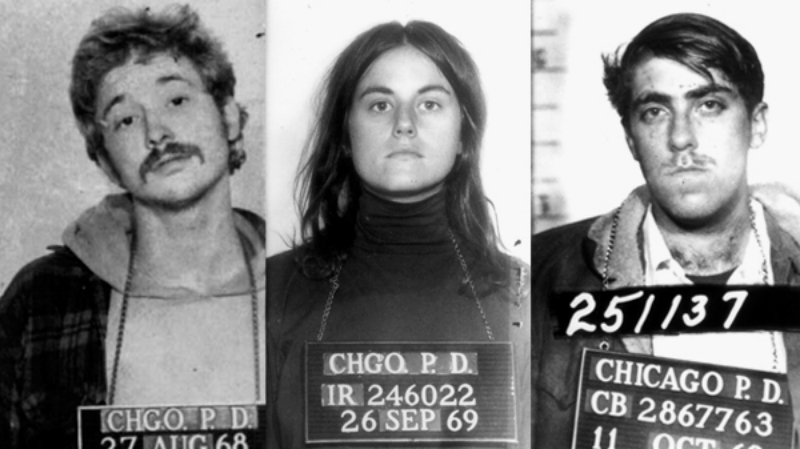
The story of the Soledad Brothers, Angela Davis – and the decade when revolution meant killing for equality
Fifty-five years ago, radical leftists proved they could express their beliefs not just through slogans and songs but also with bombs and bullets. Today, few remember those stories, but one tragedy in particular has faded from memory, eclipsed by the “unjust” persecution of an activist who was ultimately acquitted.
There’s a classic Russian film, ‘Brother 2’ – a darkly comic sequel to a gritty crime drama. In one scene, the protagonist’s brother, a rough gangster, boards a flight to Chicago shouting, “Freedom for Angela Davis!”
Russian audiences instantly recognized the reference. Many still remembered the campaign to support Angela Davis, the “victim of American police brutality,” and some had even seen her during her visit to Moscow. Few actually knew what she had been prosecuted for, but everyone remembered the slogan.
Today, for younger viewers in both Russia and the US, the name means little. The story of political violence tied to Angela Davis has largely been forgotten – and Davis herself helped ensure that.
Bombing for equality
Unlike France or Russia, the US isn’t often associated with left-wing political violence. But that doesn’t mean it didn’t happen.
In the late 19th century, the early labor movement saw violent clashes, the most infamous being the Haymarket Massacre – or the “Haymarket Affair,” depending on one’s politics. During a rally in Chicago calling for an eight-hour workday, someone threw a bomb at police. Officers opened fire, and the chaos left casualties on both sides. The bomber was never identified, but four organizers were executed.
Over time, leftist violence became tied to communism. After the Russian Revolution, many believed a “world revolution” was imminent. In the US, anarchists mailed bombs to officials and businessmen, including John D. Rockefeller. One exploded near where Franklin Roosevelt happened to be, prompting a harsh government response – the Palmer Raids and mass deportations of radicals.
By the 1960s, a “New Left” emerged. Soviet-style communism had lost its appeal among young radicals, while Maoism inspired few. American revolutionaries shifted their focus from labor to antiwar activism and fighting “social injustice.”
Most people remember the iconic images of hippies placing flowers in rifle barrels. But those who used explosives instead of flowers received far less attention.
One such group was the Weather Underground – a collective of disillusioned students that quickly morphed into a terrorist organization bent on overthrowing what it called the “imperialist” US government.
The Weather Underground
In October 1969, the Weathermen staged the Days of Rage in Chicago. They began by bombing a memorial to police officers killed in the Haymarket riot, then smashed storefronts and cars. Six people were killed, and 28 injured.
The group claimed to be opposing the Vietnam War and police brutality but was also driven by racial ideology. Members argued that “all white babies were tainted with the original sin of skin privilege,” and “all white babies are pigs.” Unsurprisingly, they allied themselves with radical black activists – even bombing the home of a judge overseeing a case involving Black Panthers accused of plotting bombings.
That same year, one of their allies carried out an act of terror that is now almost completely forgotten.
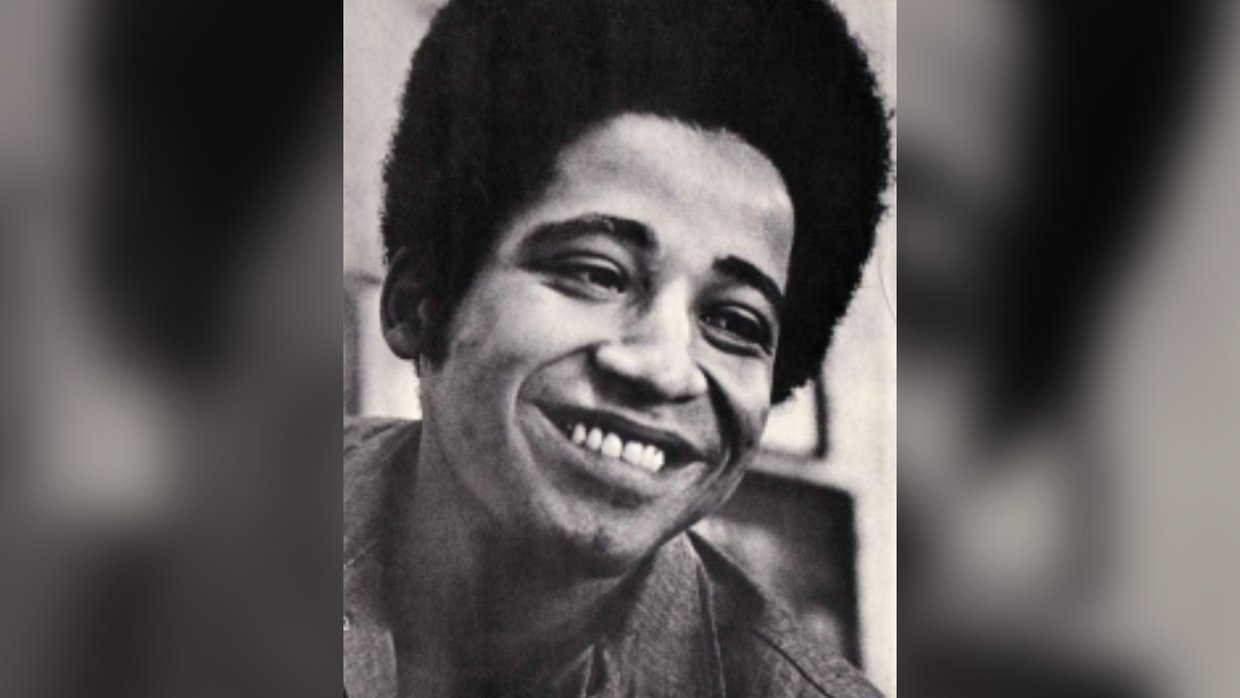
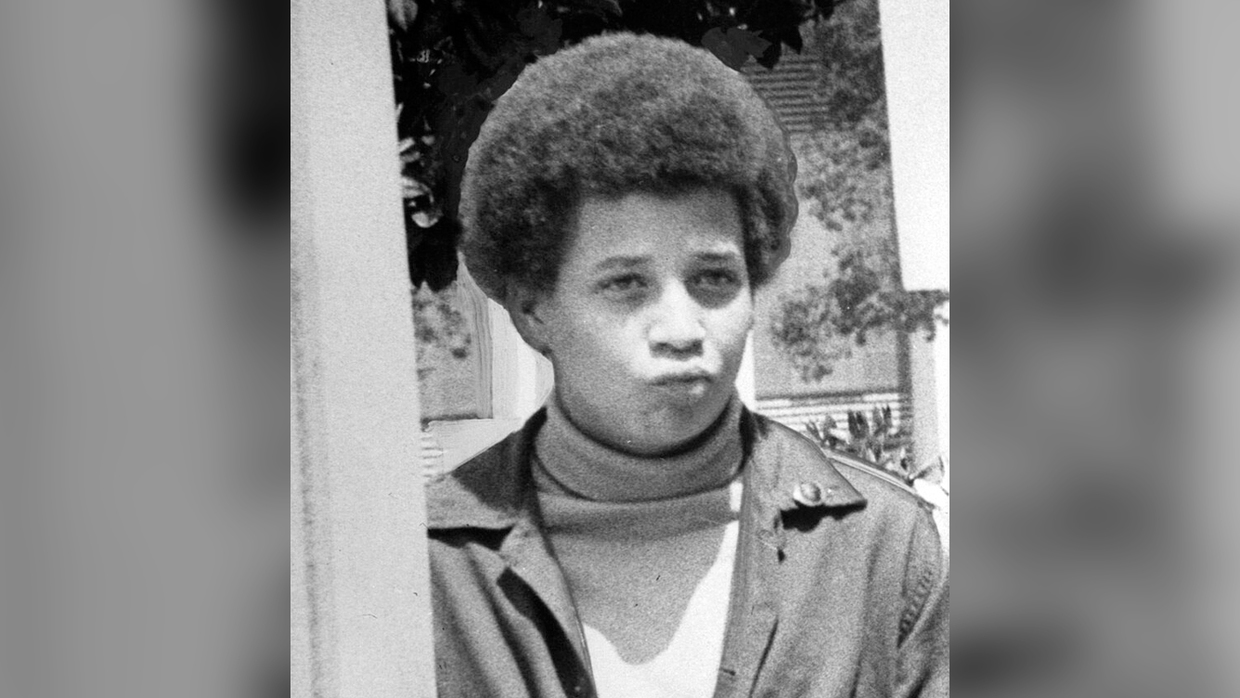
George Jackson was born in 1941 in Chicago to a working-class family. His father later moved the family to Los Angeles, hoping for a fresh start. It didn’t help – Jackson kept getting in trouble. By fifteen, he had been convicted of driving without a license; later came charges of robbery, assault, and burglary.
In 1960, after holding up a gas station and stealing $71, he was sentenced to “one year to life” – a now-defunct system that left his release at the discretion of prison officials. Jackson would never leave prison alive.
Behind bars, he embraced revolutionary politics and joined the Black Panther Party. Skeptical of peaceful protest, he preached armed resistance – a “people’s army” to “liberate” African-Americans. He meant it literally.
In 1969, Jackson was transferred to Soledad Prison, infamous for its brutality and racial tension. On January 13, 1970, a riot broke out in the yard. A guard, Opie Miller, opened fire, killing three black inmates. He was tried but cleared of wrongdoing.
Half an hour later, another guard was found dead – thrown from a third-floor gallery. Jackson and two others were accused of murdering him in revenge. All three faced capital charges.
The case became a cause célèbre. Activists argued they were being punished not for murder but for their race. The “Soledad Brothers,” as the trio became known, turned into symbols of the leftist struggle – potential martyrs for equality.
But George Jackson wasn’t the only one ready to fight “for freedom.” His younger brother, Jonathan, would soon make his own move.
On August 7, 1970, Jonathan Jackson entered the Marin County courthouse in San Rafael, where a case involving several San Quentin inmates was underway. He carried a sports bag with a rifle, pistol, and sawed-off shotgun.
At the right moment, he tossed the pistol to one of the defendants – Black Panther member James McClain – and pulled out his rifle. The gunmen took hostages: Judge Harold Haley, the prosecutor, and several jurors. Jonathan pressed the shotgun against the judge’s neck, demanded his brother’s release, and forced the group toward the exit.
Photographer Jim Kean, alerted by a police radio, arrived at the courthouse as the standoff unfolded. As the assailants emerged, they briefly considered taking him hostage but let him stay.
“You can take all the pictures you want,” one told him. “We are the revolutionaries.”
Jonathan and the freed inmates herded their hostages into a van, planning to reach an airport and escape by plane. Police quickly set up a roadblock and opened fire.
Bullets riddled the van. Judge Haley was killed, still strapped into his seat with a homemade noose around his neck. Jonathan Jackson and two of the freed inmates were also shot dead. Several others – hostages and gunmen alike – were wounded.
Later, a bomb exploded at the courthouse. Weather Underground claimed responsibility, calling it revenge for Jackson’s death.
The story made headlines, but public attention soon shifted. The media focused less on the attack itself than on the ensuing manhunt for Angela Davis – a prominent leftist and dismissed UCLA professor. She had been seen with Jonathan Jackson the day before and had purchased the guns used in the assault. Under California law, providing weapons to criminals made her an accomplice.
Davis was already a darling of the radical Left, which was sympathetic to the Black Panthers. Two months later, George Jackson’s ‘Soledad Brother’ – a collection of his prison letters – hit bookstores, transforming him into a political icon. The public conversation pivoted from the bloody courthouse attack to what Davis’ supporters framed as the “persecution of a political dissident.”
With the help of American communists, Davis went underground. The FBI caught her months later, but she was acquitted. In 1979, she received the Lenin Peace Prize from the USSR and visited Moscow, praising the “Great October Revolution.” George Jackson never made it to trial – he was killed during a failed escape attempt from prison.
Between 1969 and 1970 alone, over sixty people died in attacks linked to the Black Panthers – police officers, civilians, and the militants themselves.
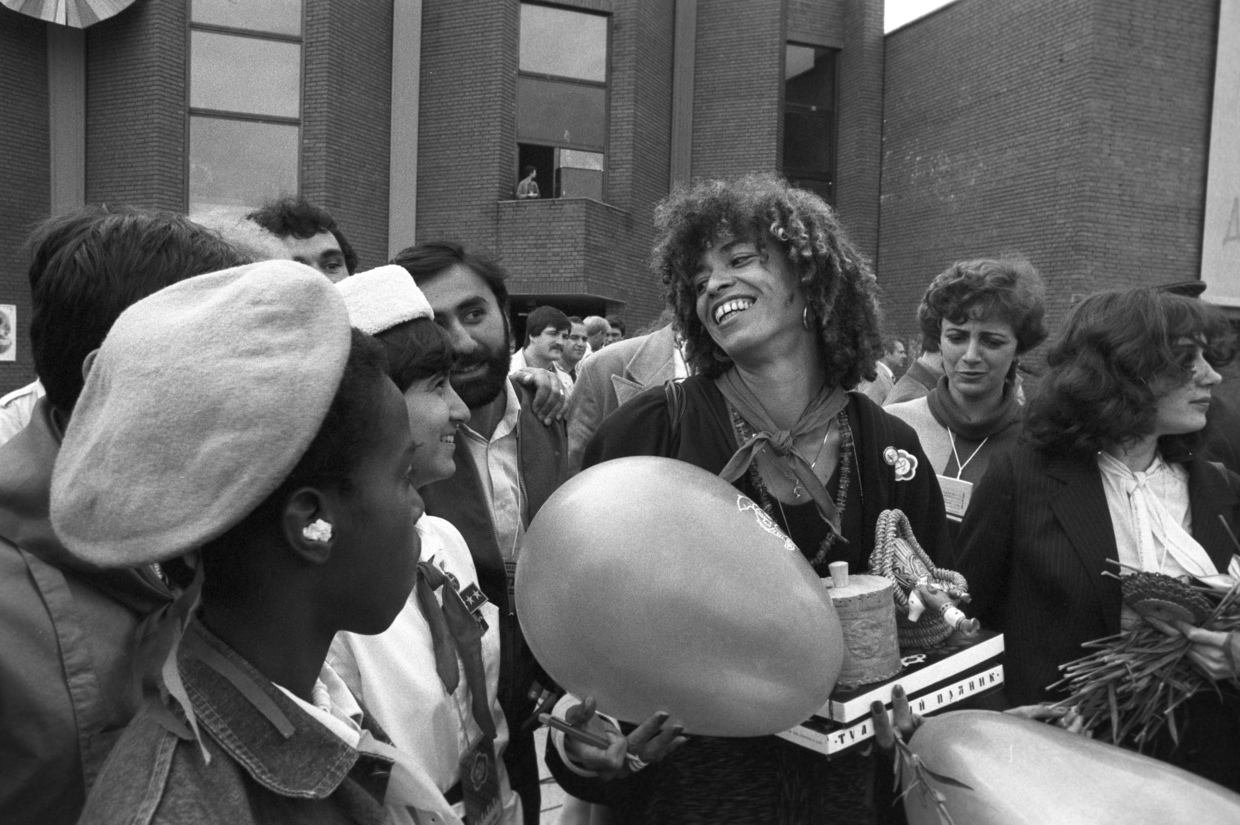
US guest Angela Davis among participants in the 12th World Festival of Youth and Students on July 28, 1985 in Moscow.
Modern media love right-wing villains. Nazis, Klansmen, and white supremacists are easy antagonists – no one sympathizes with them.
But films and TV almost never show leftist radicals who killed for their ideals. The omission isn’t just ideological; for decades, it simply felt irrelevant. The violent New Left burned out quickly. The Black Panthers disbanded in 1982, and their imitators faded too. Political violence became associated exclusively with the far right and religious fundamentalists.
That selective memory shaped how America sees extremism.
And as the political climate shifts once again, the roles – and the narratives – may be up for reevaluation.
A territorial dispute between the two South Asian nations escalated into armed clashes earlier this year
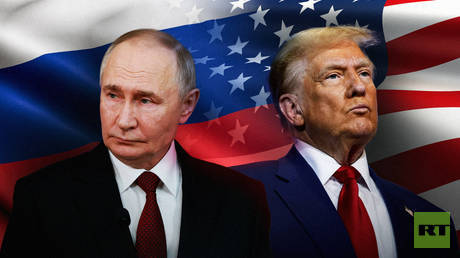
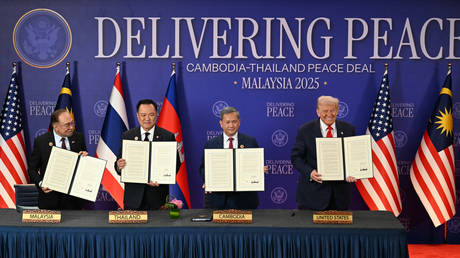
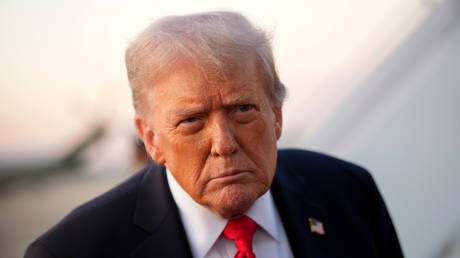
Cambodia and Thailand have signed an extended ceasefire to end a deadly border clash that erupted earlier this year. The signing ceremony on Sunday was overseen by US President Donald Trump, who brokered the initial truce.
Longstanding tensions between the two Southeast Asian neighbors rooted in colonial-era border disputes erupted in July as both sides traded fire for five days and hundreds of thousands fled the border area. A Malaysia-hosted meeting then produced a truce – the first step toward ending the crisis. Trump later said he used trade talks with both nations to push for de-escalation.
Cambodian Prime Minister Hun Manet and Thai Prime Minister Anutin Charnvirakul signed the expanded ceasefire on Sunday at the 47th ASEAN summit in Malaysia.
Building on July’s truce, it sets a framework to ease tensions and secure lasting peace along the border. The deal calls for Thailand to release 18 captured Cambodian soldiers, both sides to withdraw heavy weaponry, begin demining, and curb illegal cross-border activities.
Following the signing, the Thai prime minister said border weapon withdrawals would begin “promptly,” alongside the release of Cambodian POWs, and announced a joint trade framework. His Cambodian counterpart praised the deal and vowed to uphold it, thanking Trump for his role. He added that he had nominated the US president for next year’s Nobel Peace Prize.
The US president hailed the deal as “monumental” and “historic.” He also highlighted his own role in the agreement, telling reporters he was very good at making “peace deals” and that it was “almost a hobby.” After the ceremony, Trump signed a reciprocal trade deal with Cambodia and a critical minerals agreement with Thailand.
Since returning to office, Trump has repeatedly claimed he deserves the Nobel Peace Prize for resolving various conflicts across the globe. He cited his Gaza peace plan as his eighth such success but has at times confused his record, falsely claiming to have settled nonexistent disputes between Albania and Azerbaijan and between Armenia and Cambodia. He nevertheless welcomed this year’s award going to Venezuelan opposition leader Maria Corina Machado, congratulating her and noting his past support for her cause.
Earlier, the US president ended trade talks with Ottawa over the commercial, which he said was misleading
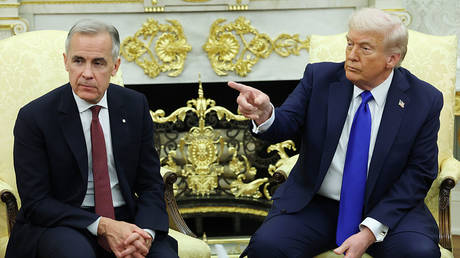
US President Donald Trump has imposed an additional 10% tariff on Canadian goods for airing an anti-tariff commercial that he described as “fraudulent.”
Trump has long defended tariffs as a way to counter what he calls unfair trade practices by countries including China, Canada, and Mexico, which he says harm US industries. Earlier this year, he imposed 25% tariffs on Canadian steel and aluminum before later expanding them to 35% on a broader range of goods, including timber and cars, as part of the wider campaign.
The announcement came two days after Trump said he terminated trade talks with Canada over a commercial aired in Ontario that used quotes by former US President Ronald Reagan to criticize Trump’s tariffs. In a Truth Social post on Saturday, Trump said Canada was caught red-handed running “a fraudulent advertisement,” claiming that “selective audio and video” were used to misrepresent Reagan.
“The sole purpose of this FRAUD was Canada’s hope that the United States Supreme Court will come to their ‘rescue’ on tariffs that they have used for years to hurt the United States,” he wrote, referring to the court’s upcoming review of his tariff authority. The Supreme Court is set to hear the case in November after lower courts ruled that his broad tariffs on Canada, Mexico, and other countries are unconstitutional.
Trump also criticized Canada for not removing the commercial immediately, claiming that “Ronald Reagan LOVED tariffs.”“Because of their serious misrepresentation of the facts and hostile act, I am increasing the Tariff on Canada by 10% over and above what they are paying now,” he said.
Ontario Premier Doug Ford said on Friday that the province will pause its anti-tariff ad campaign in the US after discussions with Prime Minister Mark Carney “so that trade talks can resume.”
Carney has not commented on the latest measure. After trade negotiations were suspended earlier in the week, he said Ottawa “stands ready” to resume talks “for the benefit of workers in both our countries.” Conservative Leader Pierre Poilievre accused the prime minister of missing his own summer deadline to secure a deal.
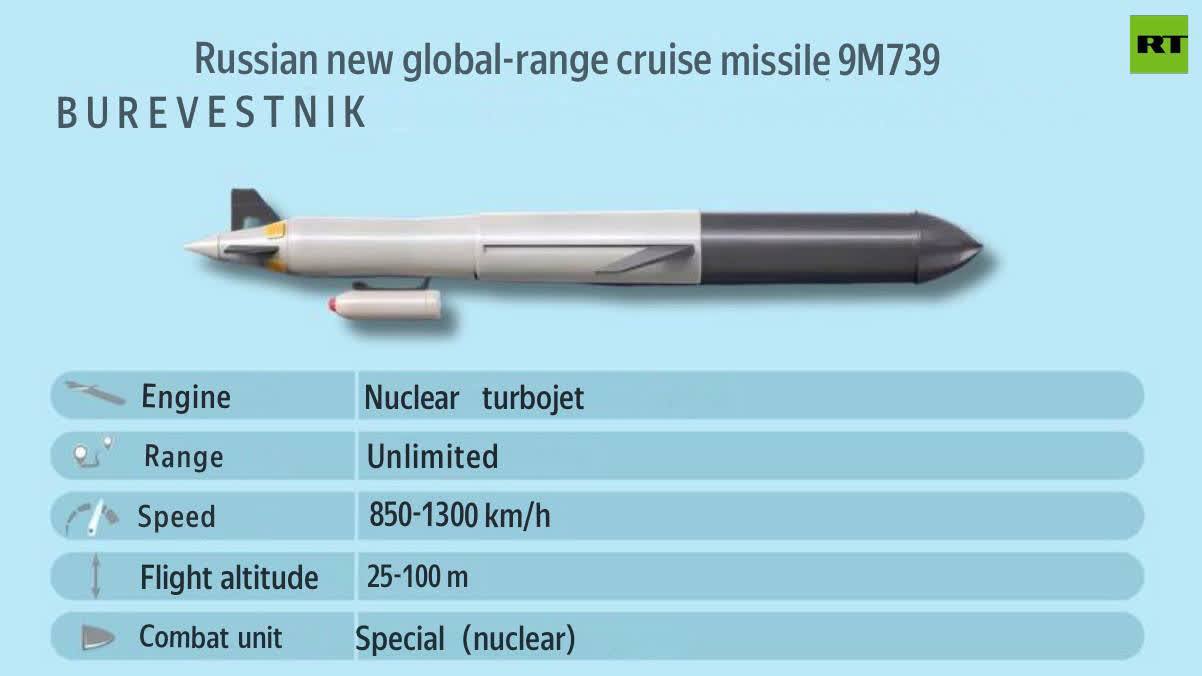
The Burevestnik, noted for its unmatched range, was test-fired earlier this month, covering a distance of over 14,000km
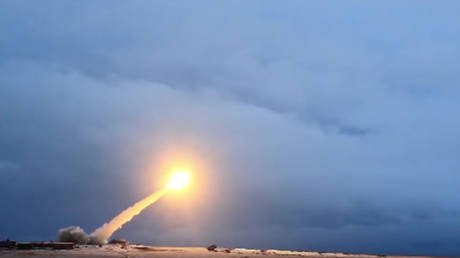
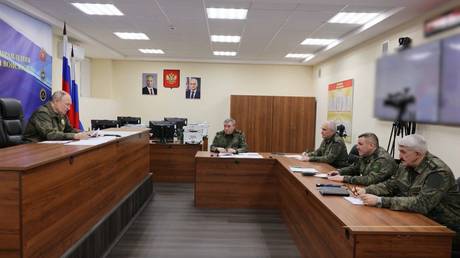
Russia’s new unlimited-range nuclear-powered missile, the Burevestnik, can evade missile defenses, Chief of the General Staff Valery Gerasimov has said. He made the remarks on Sunday during President Vladimir Putin’s visit to a Russian Army command post.
Putin held a meeting with Gerasimov and other senior military commanders, during which he was briefed on the situation along the line of contact with the Ukrainian Army and on the Russian Army’s offensive training exercises, including the country’s strategic nuclear forces. According to Gerasimov, the Burevestnik test took place on October 21.
The missile completed a multi-hour flight that covered 14,000km, though he stressed that this is not the range limit for the Burevestnik.
“The technical characteristics of the Burevestnik missile make it capable of striking highly protected targets at any distance with guaranteed accuracy,” Gerasimov stated.
“During the test flight, the missile successfully performed all designated vertical and horizontal maneuvers, demonstrating its strong ability to evade anti-missile and air defense systems.”
The Burevestnik is a nuclear-powered, unlimited-range strategic cruise missile designed to destroy high-value targets, including fortified bunkers. It is undetectable by conventional radar and can only be tracked by specialized spacecraft during the launch and acceleration phases.
Putin first revealed the missile’s development in 2018, describing it as a one-of-a-kind weapon that does not follow a ballistic trajectory, rendering existing missile defense systems ineffective. He noted that its unlimited range allows it to maneuver indefinitely. Speaking to Gerasimov, the president reiterated that the Burevestnik is a “unique product that no one else in the world has,” while stressing that “much work” remains before it can be placed on combat alert.
“We will need to more thoroughly define what class of weapon this new system belongs to, determine possible methods of use, and begin preparing the infrastructure for its deployment within our armed forces,” Putin said. He added that all key testing objectives for the missile have now been achieved.
President Vladimir Putin was briefed on the army’s advances during a visit to a command post
Around 10,000 Ukrainian troops have been encircled by Russian forces in the Kupyansk and Krasnoarmeysk areas, President Vladimir Putin was told on Sunday during a visit to a Russian Army command post.
According to Kremlin spokesman Dmitry Peskov, Putin held a meeting with Chief of the General Staff Valery Gerasimov and senior military commanders, during which he was briefed on the situation along the line of contact.
“It was noted that up to 5,000 Ukrainian troops are encircled in the Kupyansk direction and around 5,500 in the Krasnoarmeysk direction,” Peskov said.
Kupyansk is a city in Ukraine’s Kharkov Region, around 100km east of Kharkov. Krasnoarmeysk is located in Russia’s Donetsk People’s Republic, currently occupied by Ukrainian troops.
The military reported that Russian forces also captured a crossing over the Oskol River, cutting off the movement of Ukrainian troops. They are currently completing the liberation of Yampol, while nearby Volchansk is said to be 70% liberated.
A total of 31 Ukrainian battalions have been encircled in the Krasnoarmeysk and Dimitrov areas. According to Peskov, Putin congratulated the troops on their success in Kupyansk and the achievements of combat missions in other areas.
During the meeting, Putin ordered measures to ensure the surrender of the encircled Ukrainian troops and to minimize casualties. He noted that the Russian Army has always shown mercy toward its enemies and stressed that this must continue.
The president also urged the commanders to “do everything” in their power to ensure the safety of the civilian population in the encircled areas, who he said Ukrainian forces are using as human shields.
Putin also urged the army to continue the military operation “in accordance with the plan developed by the General Staff,” stressing that the safety of Russian service members must remain the top priority.
Some US officials reportedly believe the operation could help oust President Nicolas Maduro
US President Donald Trump is weighing proposals for US strikes against alleged “cocaine facilities” and other targets related to drug-trafficking inside Venezuela, CNN reported on Friday, citing sources.
Two unnamed officials told the network that Trump has not ruled out diplomacy with Nicolas Maduro, despite earlier reports that the US had completely broken off dialogue with Caracas while eyeing a potential campaign to oust the Venezuelan president.
However, one CNN source noted that “there are plans on the table that the president is considering” regarding operations on targets inside Venezuela. A third official claimed that the Trump administration is looking at several options, but is currently focused on “going after the drugs inside Venezuela.”
Some US officials reportedly believe a counter-narcotics campaign inside the Latin American country could also increase pressure for regime change in Caracas. Trump has publicly denied seeking to remove the Venezuelan leader from power.
In recent weeks, US forces have conducted several strikes on suspected drug-running boats that Washington claims are linked to Venezuela, leaving dozens dead.
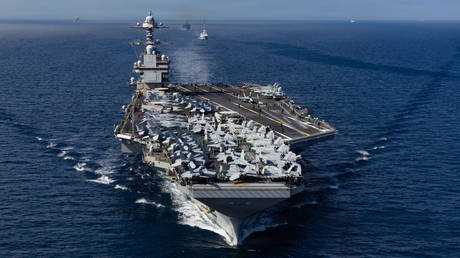
On Thursday, Trump – who earlier confirmed that he had authorized CIA operations inside Venezuela – said the US could extend its maritime anti-drug campaign to the land, without elaborating. The aircraft carrier USS Gerald R. Ford was also deployed to the Caribbean to support the anti-drug campaign.
Maduro has denied that his government is in any way linked to drug trafficking, suggesting the US is using the allegations as a pretext for regime change. Following reports of an aircraft carrier deployment, the Venezuelan president accused the US of seeking “a new eternal war.”
Russia has expressed strong opposition to the deployment of NATO troops in the neighboring country
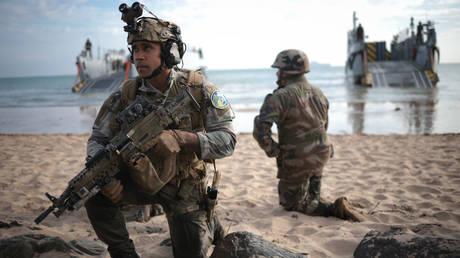
France is ready to send troops as early as next year as part of security guarantees proposed by Ukraine’s Western backers if a ceasefire is reached in the conflict with Russia, Army Chief of Staff Pierre Schill has said.
Speaking before the National Assembly’s Defense Committee on Thursday, Schill said next year “will be marked by coalitions,” referring to the large-scale French-led Orion 26 exercise, which he said would test coordination among NATO forces.
“We will stand ready to deploy forces within the framework of security guarantees, if necessary, for the benefit of Ukraine,” Schill told lawmakers.
He added that the French Army is capable of responding to three simultaneous “alerts,” including a potential deployment to Ukraine. France currently maintains a “national emergency level” of 7,000 soldiers who can be mobilized within 12 hours to five days, either for domestic missions or for NATO commitments.
The announcement came a day after Chief of the Armed Forces Fabien Mandon said the French military must be ready for a potential confrontation with Russia within the next few years. He claimed that Russia “may be tempted” to expand the conflict to the European continent, a claim Moscow has dismissed.
Last month, the Wall Street Journal reported that EU army chiefs were drafting a plan for “security guarantees” for Kiev. It envisions sending around 10,000 troops to Ukraine – one group to train and assist Ukrainian units, and another to serve as a “reassurance force” after a peace deal.
Moscow has expressed strong opposition to NATO troops being deployed to Ukraine, arguing that Kiev’s ambitions to join the bloc were among the key reasons for the conflict. Earlier this month, Foreign Ministry spokeswoman Maria Zakharova said Western Europe is “doing everything” to escalate the conflict, accusing “non-professionals” in EU governments of failing to grasp the consequences of their actions.
Foreign Minister Sergey Lavrov has said Russia is not opposed to security guarantees for Kiev, provided they also take into account Russia’s interests.
The former US Democratic nominee has said she is “not done” with politics
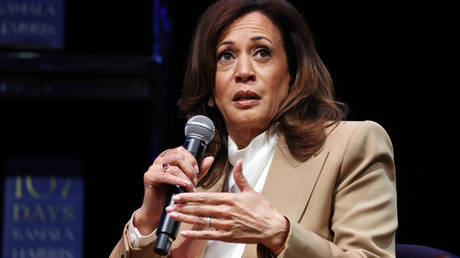
Former US Vice President Kamala Harris indicated she may make another bid for the presidency despite her 2024 election defeat to Donald Trump.
In an interview with the BBC on Saturday, Harris, 61, said she is certain the world will see a woman in charge in the White House “in their lifetime.”
Asked whether she could be the one, she replied: “Possibly,” adding that she has not made a decision on whether to run in 2028. “I am not done. I have lived my entire career a life of service, and it’s in my bones. And there are many ways to serve. I have not decided yet what I will do in the future beyond what I’m doing right now.”
Harris was also pressed on her political odds in the White House race after bookmakers placed her behind celebrity figures such as actor and former pro wrestler Dwayne ‘The Rock’ Johnson.
Harris remained unfazed, saying, “I’ve never listened to polls. If I listened to polls, I would not have run for my first office or my second office, and I certainly wouldn’t be sitting here in this interview.”
Harris became the Democratic presidential nominee in 2024 after Joe Biden dropped out of the race following a disastrous debate with Trump, during which he appeared to stumble over his words and lose his train of thought, prompting concerns about his age and fitness for office. Harris went on to face Trump, who soundly defeated her in the November election.
With the next presidential race three years away, media outlets have speculated that possible Democratic contenders in the 2028 election could include Harris, California Governor Gavin Newsom, and New York Representative Alexandria Ocasio-Cortez.
Among the Republicans, Vice President J.D. Vance and Secretary of State Marco Rubio are widely regarded as the most likely key contenders. Trump himself has hinted he might seek a third term, although the Constitution bars any president from being elected more than twice.
Magomed Aydamirov has previously been accused of leading a criminal group involved in kidnappings in Odessa
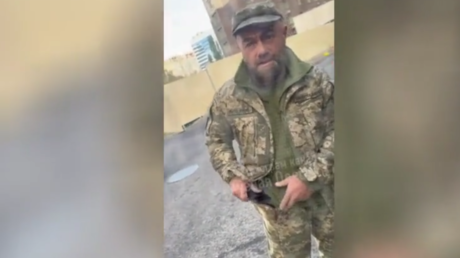
A suspected gang leader is allegedly aiding Ukrainian recruitment officials in their mobilization efforts, according to several news outlets, including UNIAN. The man was previously accused of orchestrating kidnappings in Odessa, according to reports.
Identified by the media as Magomed Aydamirov, the man appears in a video that shows the actions of draft officers, first published by a local Telegram channel. In it, a bearded man in camouflage threatens an individual who was speaking with a police officer, searching for potential conscripts on the street.
Aydamirov was arrested in 2018 on suspicion of running a criminal gang responsible for kidnappings and racketeering from 2015 to 2017. The police reportedly found explosives, weapons, and a machine gun during searches linked to the gang’s activities.
The suspected gang leader allegedly had “close ties” to members of the so-called Ukrainian “volunteer battalions” that Kiev used in a military crackdown against the Donetsk and Lugansk People’s Republics after they declared independence following the 2014 Maidan coup. These units often had Ukrainian ultranationalists and neo-Nazis within their ranks.
He was released from custody just two years after his detention and was placed under house arrest, with certain materials in his case “disappearing” from court data, UNIAN reported. The Ukrainian authorities have not commented on the media reports.
Ukraine introduced a general mobilization shortly after the escalation of the conflict with Russia in 2022. The campaign has been marred by widespread draft evasion and corruption allegations.
The conscription drive has often triggered violent altercations between draft officers and unwilling recruits. Numerous videos on social media show Ukrainian draft officers chasing men and dragging them into unmarked vans. Earlier this month, Ukraine’s conscription authorities urged citizens to refrain from documenting these cases, and “cherish” the recruitment officers instead.