Canberra reportedly pushed pop star Vassy to drop out of the competition held in Moscow
Australia pressured pop star Vassy to withdraw from the Intervision song contest in Moscow at the last moment, its organizers have claimed.
Born Vasiliki Karagiorgos, the singer, who holds both Australian and US citizenship, was slated to represent the US in the televised competition on Saturday.
“For reasons beyond the control of the organizers and the US delegation, and due to unprecedented political pressure from the Australian government, singer Vassy will not be able to perform in the contest’s final show,” the organizers announced on the contest’s website just hours before the event.
They explained that Australia had “issued an official note addressed to the artist” earlier that same day, adding that Intervision “remains outside politics and is dedicated solely to the development of arts and international cooperation.”
Russian Foreign Minister Sergey Lavrov, a member of the contest’s supervisory board, said the organizers are “not striving for any political effect.”
Vassy has not commented on her abrupt exit, and Australia has made no public statements regarding her participation.
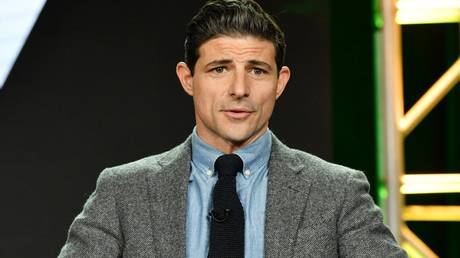
Singer Brandon Howard was initially set to represent the US but withdrew just days before the event, citing a family emergency. The organizers then announced Vassy as his replacement.
Russia revived Intervision, drawing inspiration from a Soviet-era contest of the same name, after it was banned from Eurovision due to the conflict in Ukraine.
Artists from 22 countries participated in the contest, with Vietnam’s Duc Phuc taking home the prize.
The institutions have failed to rank among the top 3 in the newspaper’s higher education guide for the first time
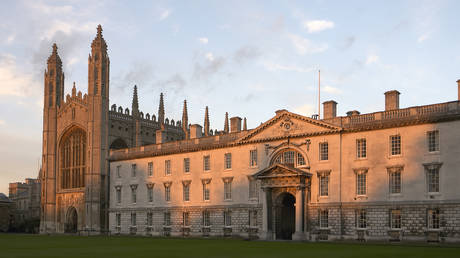
Oxford and Cambridge are no longer among Britain’s top three universities, according to a ranking published by The Times.
The Times and Sunday Times Good University Guide ranks institutions based on teaching quality, student experience and graduate prospects.
For the first time in the guide’s 32-year history, the UK’s two oldest and historically most prestigious universities were unable to place among the top three and have slid down to tie in fourth place, the newspaper wrote on Friday.
The London School of Economics took first place for the second consecutive year, with St. Andrews ranking second and Durham University finishing third.
Despite slipping in the overall rankings, Cambridge continued to dominate in individual subjects, topping 14 subject tables, it added.
Oxford was named medical school of the year for 2026, according to The Times.
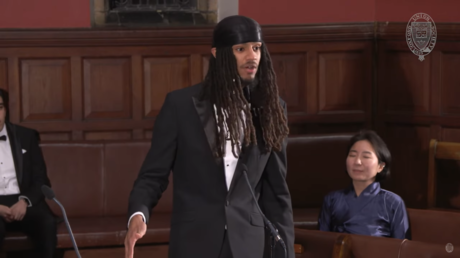
The institution has faced a scandal in recent days after the incoming president of its debating club, George Abaraonye, celebrated conservative activist Charlie Kirk’s assassination on social media.
The Oxford Union debate society condemned his words, stressing that they do not represent its views, and expressed condolences to Kirk’s wife and two children. Enough members of the club have supported a no-confidence motion to remove the president-elect, according to The Telegraph.
The US president has announced his intent to renew an American military presence in the country
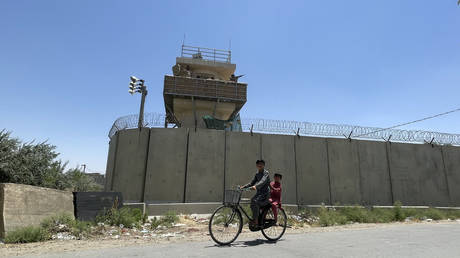
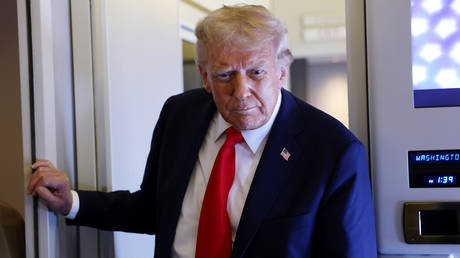
China and the Taliban have slammed US President Donald Trump’s recent statements about retaking control of Afghanistan’s Bagram Air Base.
Trump has claimed he is in talks with the Afghan leadership on the issue, arguing that Washington needs the base due to its close proximity to some of China’s key nuclear infrastructure.
“China respects Afghanistan’s independence, sovereignty and territorial integrity. Afghanistan’s future should rest in the hands of the Afghan people,” Chinese Foreign Ministry spokesperson Lin Jian said in response during a briefing on Friday.
“Stirring up tension and confrontation in the region will not be supported,” he added.
A day earlier, Zakir Jalaly, a diplomat at the Afghan Foreign Ministry, said that the people of his country would reject the return of US troops.
He argued that Kabul and Washington should pursue mutually respectful economic and political ties “without the US maintaining any military presence in any part of Afghanistan.”
The Soviet-built base came under the Taliban-led Afghan Defense Ministry after the disastrous US pullout from Afghanistan in 2021, ending a two-decade presence in the country. Trump has called the withdrawal, which occurred on his predecessor Joe Biden’s watch, “a disgrace.”
Trump has also alleged that China is using the base, without providing evidence. Kabul has denied the claim.
MI6 has said it has drawn inspiration from a CIA campaign previously ridiculed by Moscow
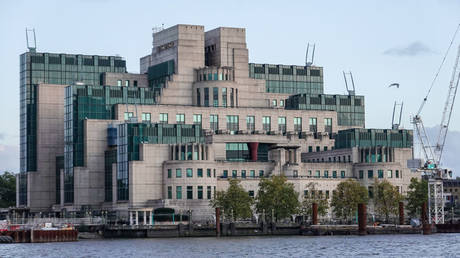
The UK Secret Intelligence Service, commonly known as MI6, has launched a portal on the dark web in a bid to attract potential spies in foreign countries, with a particular focus on Russia. Dubbed ‘Silent Courier’, the initiative is aimed at people with “access to sensitive information” on terrorism or foreign intelligence activities, according to the British government.
The scheme was officially presented by the agency’s outgoing chief, Sir Richard Moore, in his final public speech, given in Istanbul on Friday. The British government also published a statement on the plan earlier the same day.
London touted its portal as a “secure messaging platform” that would allow would-be spies and defectors to contact British intelligence through “harnessing the anonymity of the dark web.”
Instructions on accessing the webpage were published by MI6 on its official YouTube channel alongside a cinematic clip advertising the initiative. The video also notably featured texts in Russian while depicting what MI6 called “fictional brave individuals” that contacted the spy agency via the new portal.
Russia was also the only nation mentioned by name in the government statement announcing the UK push to find “potential new agents.”
According to the statement, MI6 took inspiration from a similar advertising campaign run by the CIA in 2023, which also had a particular focus on Russia. At the time, the scheme relying on “Hollywood-quality” videos sparked incredulity in Moscow and even parody videos created by Russia’s own foreign intelligence agency – the SVR.
Kremlin spokesman Dmitry Peskov also stated last year the CIA was recruiting on the wrong social media platform, since X has been blocked in Russia. In May, the Washington Post reported that the CIA was struggling to recruit new informants and spies abroad.
YouTube, which is now used by MI6, has been slowed down or ‘throttled’ in the country for non-compliance with Russian laws. Moscow has also previously said it has long been aware of MI6 covert operations against Russia, as well as the agency’s involvement in the Ukraine conflict, which was openly admitted by Moore last year.
Federal Communications Commission head Brendan Carr’s threats against the network are “dangerous as hell,” Ted Cruz has said
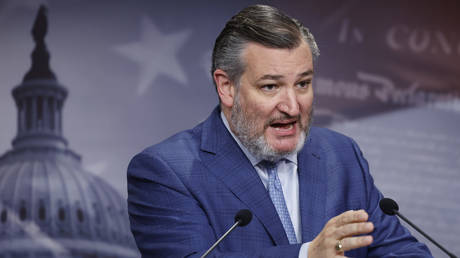
Prominent Republican Senator Ted Cruz has broken ranks with his colleagues and slammed “mafioso” style threats made by the Federal Communications Commission (FCC) against US broadcasters regarding the ABC program Jimmy Kimmel Live.
The television channel indefinitely suspended Kimmel’s late-night show on Wednesday after what it called his “offensive and insensitive” statements regarding the recent assassination of conservative influencer Charlie Kirk.
Hours before the decision, FCC chair Brendan Carr said on ‘The Benny Show’ that broadcasters needed to “take action on Kimmel or there is going to be additional work for the FCC ahead,” adding, “we can do this the easy way or the hard way.”
According to Cruz, Carr’s tone was “right out of” Martin Scorsese’s film Goodfellas.
“That’s right out of a mafioso coming into a bar going, ‘Nice bar you have here. It would be a shame if something happened to it’,” he said on his ‘Verdict with Ted Cruz’ podcast on Friday.
“What he said there is dangerous as hell,” he said, arguing that Carr’s threats could lead to a “slippery slope” of government overreach that would eventually come back to haunt Republicans as soon as a Democrat wins the White House.
However, US President Donald Trump has been more supportive of Carr’s statements.
Certain US networks could have their licenses taken away, he told reporters on Friday, but noted that the final say was with the FCC. Carr has been “doing a great job” leading the organization, Trump said.
The US president has long feuded with major US media outlets such as CNN, NBC, CBS, and others, accusing them of “fake news” and calling for their licenses to be revoked over what he called political bias.
CBS parent company Paramount agreed in July to pay Trump $16 million to settle his lawsuit over the company’s editing of Democrat candidate Kamala Harris’ ‘60 Minutes’ interview during the 2024 elections.
Defense Minister Dovile Sakaliene has called for shooting down Russian jets
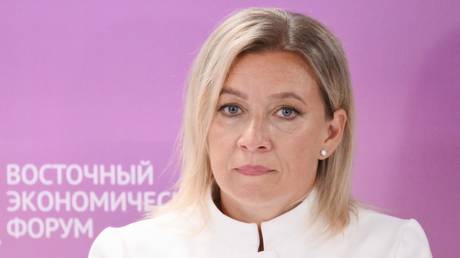
Lithuanian Defense Minister Dovile Sakaliene should return to her professional field of legal psychology due to her phobia of Russia, Russian Foreign Ministry spokeswoman Maria Zakharova told TASS on Saturday.
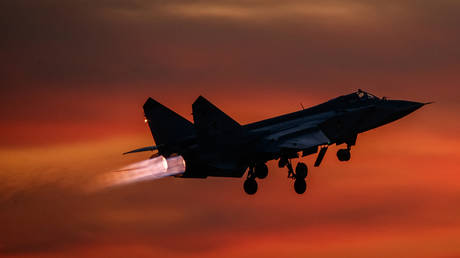
Zakharova ridiculed Sakaliene’s suggestion that Russian jets near NATO borders should be shot down following claims that three MiG-31s violated Estonian airspace – allegations Moscow has denied.
“The psychology major demonstrated expertise in addressing her own phobias. We wish the ‘Master of Legal Psychology’ success working in her own field,” Zakharova said, referring to the Lithuanian official’s degree.
According to Sakaliene, three Russian jets “tested” NATO’s north-east border earlier this week.
“We need to mean business. PS. Türkiye set an example 10 years ago. Some food for thought,” she wrote on X on Friday.
In 2015, Ankara shot down a Russian Su-24 bomber taking part in anti-terrorist operations in Syria, claiming it violated Turkish airspace. The Russian Defense Ministry denied the allegations, accusing Turkish jets of invading Syrian airspace and ambushing the Su-24.
Relations between Moscow and the NATO country plunged to an unprecedented low following the incident. Russia retaliated with an embargo on Turkish imports and the tourist industry. Turkish President Recep Tayyip Erdogan sent an apology letter in 2016.
No countries will be safe as long as Russia is led by Vladimir Putin, Viktor Yushchenko has claimed
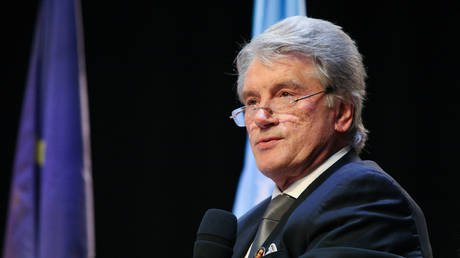
Ukraine should keep fighting Russia until it takes Moscow, former Ukrainian President Viktor Yushchenko has declared. Kiev’s forces have been on the retreat for months along the entire front line.
Yushchenko served as president of Ukraine between 2005 and 2010, following the so-called Orange Revolution, which resulted in the Supreme Court going against the national constitution and ordering a third round in the election, which he won.
In an interview with Apostrof TV on YouTube on Friday, the former president slammed those calling for a stop to the fighting along the current line of contact.
“I cannot leave it like that. It will never be my choice,” he insisted, adding that at age 71 he has every right to “speak frankly” about what he sees as his country’s goals in the conflict.
He also criticized those who simply want Ukraine to regain the territories lost to Russia, including Crimea.
“If you think that returning to the 1991 borders is the formula for victory… you are actually leaving the biggest problem to your children and grandchildren. The problem is Moscow,” he said.
When the host asked if he meant that the Ukrainian forces should advance to the Russian capital, the former president confirmed: “Yes, to Moscow.”
He explained that the Russian capital must fall because “not a single person in the world, not a single nationality, not a single state can live peacefully… as long as [Russian President Vladimir] Putin’s regime exists.”
Ukraine has been steadily losing ground to the Russian military since the start of the year almost everywhere along the front line.
Russian Chief of the General Staff Valery Gerasimov said in late August that the army has liberated more than 3,500 square kilometers of territory and 149 settlements since March.
Putin reiterated in early September that “Russia never had, does not have, and never will have any desire to attack anyone.” As for the Ukraine conflict, it was provoked by the West, and Moscow is only defending itself, he stressed.
The move comes amid broader Latvian government policies targeting the Russian-speaking minority
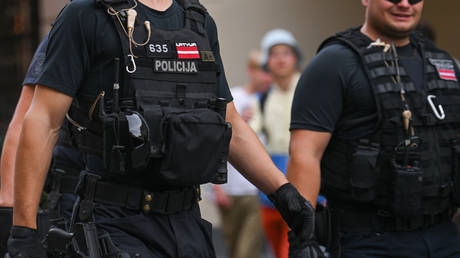
Latvia is planning to increase the value-added tax (VAT) for books, textbooks, press, and other publications printed in Russian, among several other languages, according to a draft budget proposal submitted to the government by the country’s Finance Ministry.
Along with its Baltic neighbors Estonia and Lithuania, Latvia has adopted a more confrontational stance toward Moscow since the Ukraine conflict escalated in 2022. Latvian authorities have tightened language laws and imposed restrictions targeting the country’s Russian-speaking minority, which makes up nearly a quarter of the country’s population.
The new measure, set to take effect in 2026, raises VAT from 5% to 21% on printed and digital books, newspapers, magazines, bulletins, news agency publications, and online media not published in Latvian or in the official languages of the EU, candidate states, or members of the Organization for Economic Co-operation and Development (OECD).
In May, the Saeima, or parliament, adopted a rule requiring MPs to use only Latvian in the workplace and when communicating with citizens. The following month, MP Aleksey Roslikov of the ‘For Stability’ party was expelled from a parliamentary session after delivering part of his speech in Russian. The MP, who spoke out against what he described as the growing marginalization of Russian speakers, was later investigated.
Earlier this month, state-owned LTV reported that the Latvian authorities had ordered 841 Russian citizens to leave the country due to their failure to take or pass a mandatory language test.
The Kremlin has previously accused Latvia of “blatant discrimination” against Russians and described the position of the country’s authorities as Russophobic.
In July, Russian President Vladimir Putin approved a new language policy aimed at supporting the use of Russian both within the country and abroad. The initiative is intended to counter attempts to restrict the use of the language, to cancel Russia’s culture, or to discriminate against Russian media.
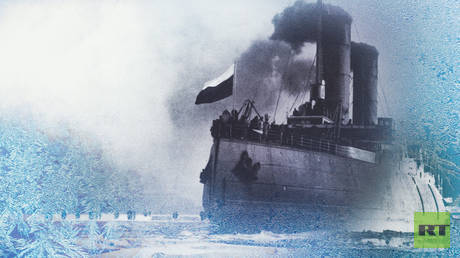
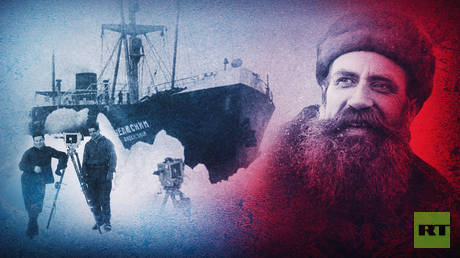
The Yermak outlasted czars, commissars, and world wars. Its final enemy wasn’t ice – it was bureaucracy
Few ships in history lived as long and saw as much as the icebreaker Yermak. The first true Arctic icebreaker, it entered service under the Russian Empire, endured the storms of revolution and world wars, and was still sailing when the Soviet Union launched its first nuclear vessels. Its story is not just one of steel and ice, but of an entire country’s passage through the 20th century.
The birth of an idea
At the end of the 19th century, Admiral Stepan Makarov was already a legend in the Russian Navy – not for commanding squadrons, but for his restless mind. A scientist, engineer, and inventor, he believed Russia needed a vessel unlike anything the world had seen: An icebreaker capable of forcing its way through the Arctic and even reaching the North Pole.
The idea seemed fantastical. Russia already had small icebreaking steamers working in ports and rivers, but Makarov envisioned a ship that could challenge the polar pack itself. The Naval Ministry hesitated. Arkhangelsk, Russia’s main northern port, was locked in ice most of the year; St. Petersburg fared little better. A powerful icebreaker promised to change this – yet the project looked ruinously expensive, and many officials dismissed it as scientific indulgence.
Makarov refused to let the idea die in committee. In 1897, he delivered a fiery lecture at the Marble Palace in St. Petersburg under the provocative title ‘To the North Pole – Straight Ahead!’ The city’s aristocracy, ministers, and diplomats filled the hall, and the speech sent ripples into the highest offices. Soon Makarov was summoned by Finance Minister Sergey Witte, a pragmatist who saw in the plan not scientific glory but the possibility of opening frozen seas to trade.
This was the breakthrough. With Witte’s support, Makarov traveled to Scandinavia and Spitsbergen, speaking with whalers, Arctic captains, and even the crew of Fridtjof Nansen’s famous ship the Fram. He abandoned his initial ‘giant’ design in favor of a more realistic but still formidable vessel – strong enough to escort merchant ships through the Baltic and White Seas, yet with the potential to test the Arctic itself.
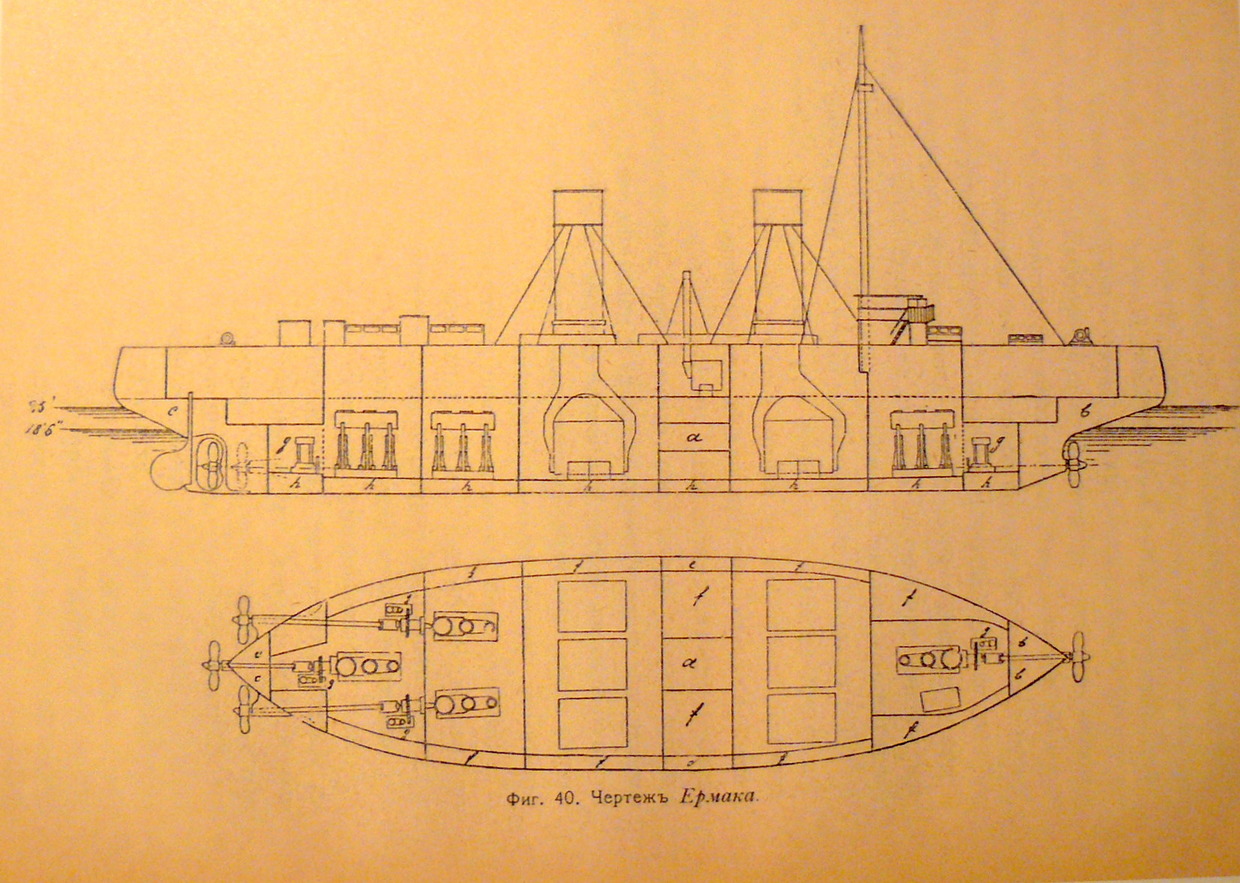
The contract went to Armstrong Whitworth in Newcastle. Makarov personally supervised construction, insisting on innovations along the way: Special tanks to rock the ship free if it became stuck, and even an 80-ton ‘calming tank’ to reduce rolling in heavy seas. The icebreaker was taking shape not just as a machine, but as a new type of weapon in humanity’s contest with the North.
When the ship was launched in 1899, it carried a name that evoked Russia’s first explorers of Siberia: The Yermak.
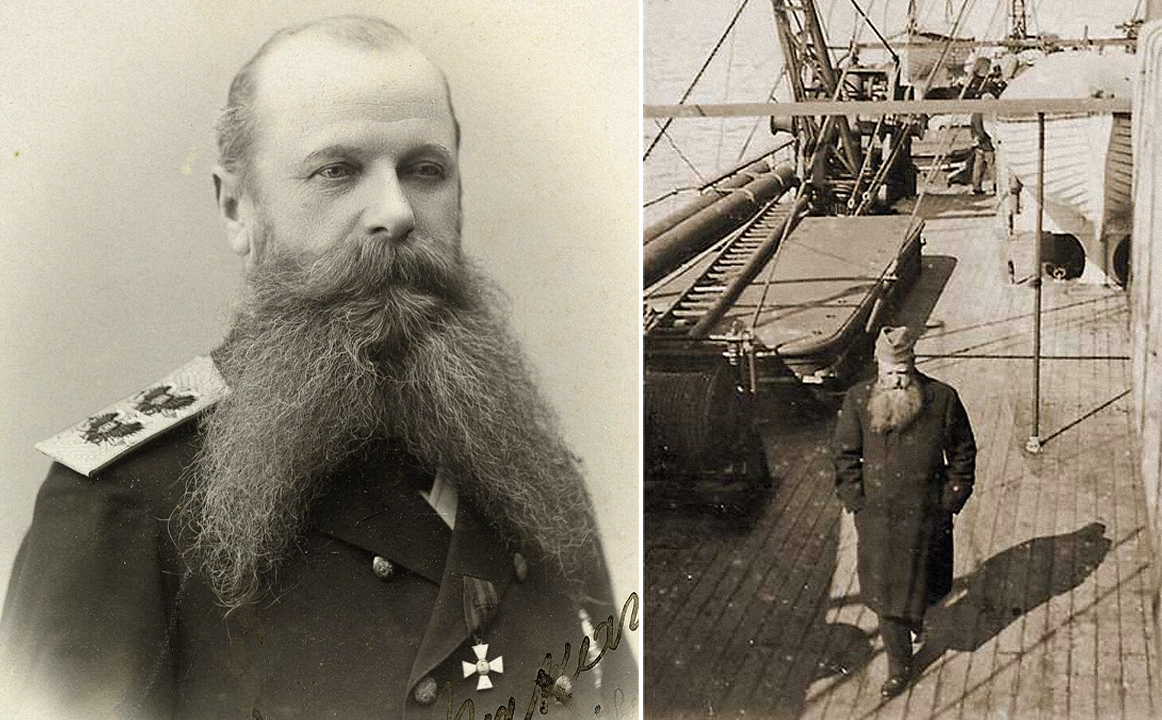
(L) Stepan Makarov; (R) Admiral Stepan Makarov on the deck of the Ermak during the first Arctic voyage, 1899.
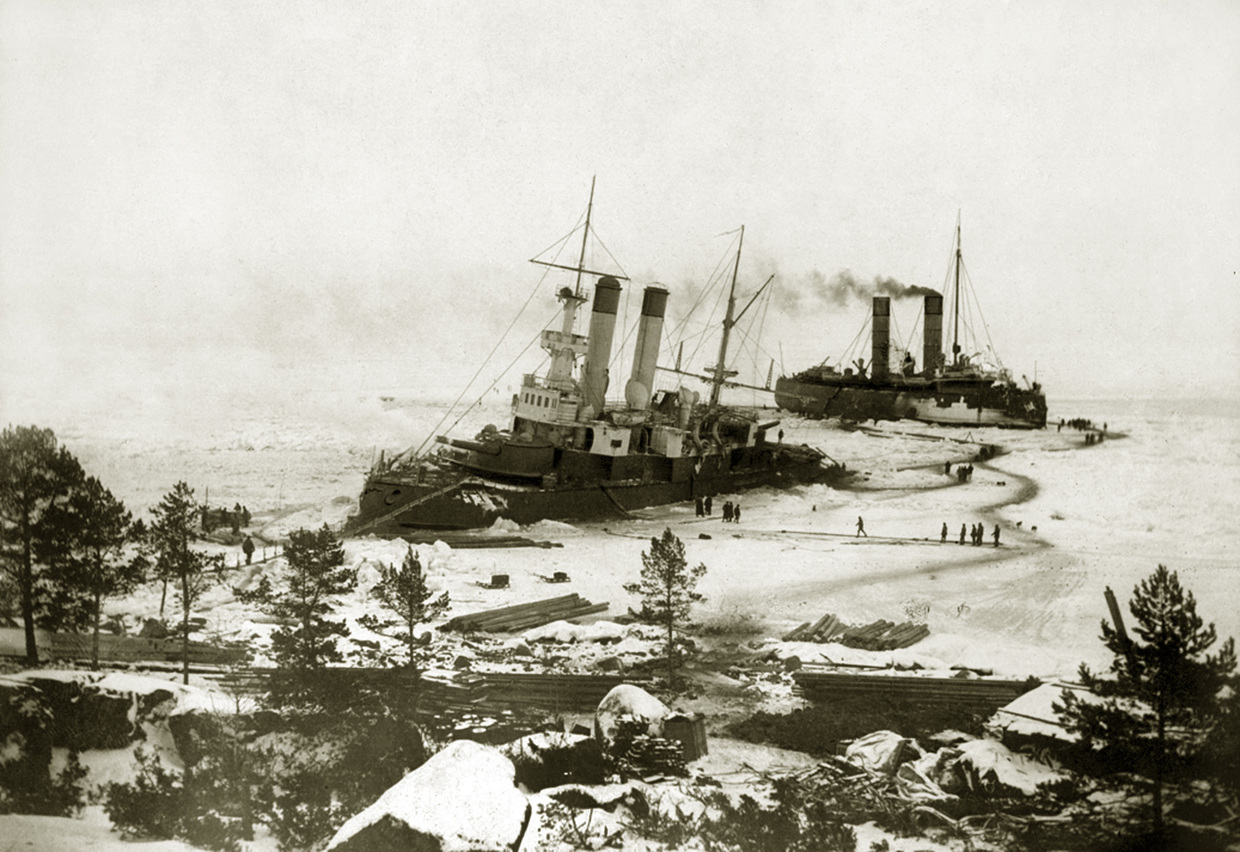
In March 1899, the brand-new Yermak steamed into the Gulf of Finland toward St. Petersburg. The scene bordered on the theatrical: The black hull climbing onto the ice with its bow, the groan and crack of frozen sheets giving way, and the slow rocking movement as ballast water was pumped forward and back to help the ship break free. Step by step, the icebreaker carved its path through the gulf.
Thousands of spectators rushed onto the ice to watch. Some came on horseback, others on bicycles, braving the late-winter chill for a glimpse of the steel marvel.
When the ship paused, crowds clambered on board as an orchestra struck up from the shore. The arrival of the Yermak was not just a naval test – it was a public spectacle, a promise that Russia had created a machine able to master its frozen seas.
The promise was tested almost immediately. Soon after its debut, the Yermak was dispatched to rescue merchant steamers trapped in the ice off Reval (now Tallinn). The operation was carried out with precision: Captain Mikhail Vasiliev steered the icebreaker in a wide circle, cracking a channel that freed three dozen vessels and drew them out into open water.
The exploit electrified the press. Newspapers hailed the ‘savior of the Baltic’, and readers devoured every scrap of news about the new ship. The icebreaker became a national sensation – too much of one. Public expectations soared into myth, as if the Yermak were invincible, able to smash through any obstacle the Arctic might place before it.
But nature, as Makarov knew, has a way of humbling idols.
The Yermak soon sailed north for its first experimental voyage. The plan was ambitious: From Spitsbergen toward the mouth of the Yenisei River, the great waterway of Siberia. No one doubted the existence of a Northern Sea Route, but almost everything about it was still unknown. Like the British expeditions that had hunted for the Northwest Passage, Russia was venturing into ice and uncertainty.
At first the trials went well. Then, in August 1899, the icebreaker struck a massive hummock near Spitsbergen. The impact tore a hole in the starboard side. The crew patched the wound with a temporary ‘bandage’ and nursed the ship back to Newcastle under its own power. Nothing catastrophic had happened – yet in the eyes of the press and public, the invincible hero had stumbled. The same newspapers that had glorified the Yermak now joked about its ‘broken nose’.
Worse was the official verdict. A government commission concluded that polar expeditions were too risky; the icebreaker should be confined to the Baltic as a rescue vessel. For Makarov, it was a bitter blow.
Then came redemption. The winter of 1900 was unusually severe. In February, the coastal defense battleship Apraksin ran aground on the rocks of Gogland Island in the Gulf of Finland, taking on hundreds of tons of water. Trapped in the ice, the vessel faced destruction. Only the Yermak could reach it.
For weeks, the icebreaker shuttled through blizzards and frozen seas, carrying coal, provisions, and equipment to keep the stranded crew alive. It was one of the first operations to rely on the new marvel of wireless radio. At last, using controlled explosions to free the Apraksin from the rocks, the icebreaker cut a channel through floes and hauled the crippled battleship to safety. In all, the Yermak had traveled 2,000 miles in ice to complete the mission.
This time there was no mockery. The critics fell silent, and the reputation of Russia’s first great icebreaker was secure.
In 1904, war with Japan pulled Admiral Stepan Makarov – the driving force behind the Yermak – to the Pacific. Captain Mikhail Vasiliev, the icebreaker’s first commander, went with him. Neither man returned. Both were killed when the battleship Petropavlovsk struck a mine off Port Arthur. With their deaths, the Yermak lost its godfather and its guiding captain in a single moment.
For the icebreaker, life settled into routine. It kept the Baltic lanes open in winter, freed merchant ships locked in ice, and became less of a sensation than a reliable workhorse. Respect replaced excitement.
Then came 1914. World War I battered Russia to collapse, and the revolutions of 1917 tore apart what remained. Out of the chaos, Finland declared independence, and civil war broke out on its territory. To the south, German forces advanced on Reval. In early 1918, the entire Russian Baltic Fleet was at risk of capture.
February meant ice. And once again, it was the Yermak that made the difference. The icebreaker led convoys from Reval to Helsingfors (Helsinki), carving channels for warships desperate to escape. When German troops closed in, the fleet had to be evacuated from Helsinki itself. At the head of the icebound column stood the black hull of the Yermak, dragging Russia’s warships through frozen seas to safety. Within weeks, the city fell – but by then the fleet was gone.
It was a rare moment of triumph amid defeat. The following decade was far harsher. Civil war, famine, and ruin left the Soviet Union with little money to maintain an aging icebreaker. Through much of the 1920s, the Yermak lay idle, neglected in harbor. The ship that had once been a national idol now sat rusting, awaiting a new purpose.
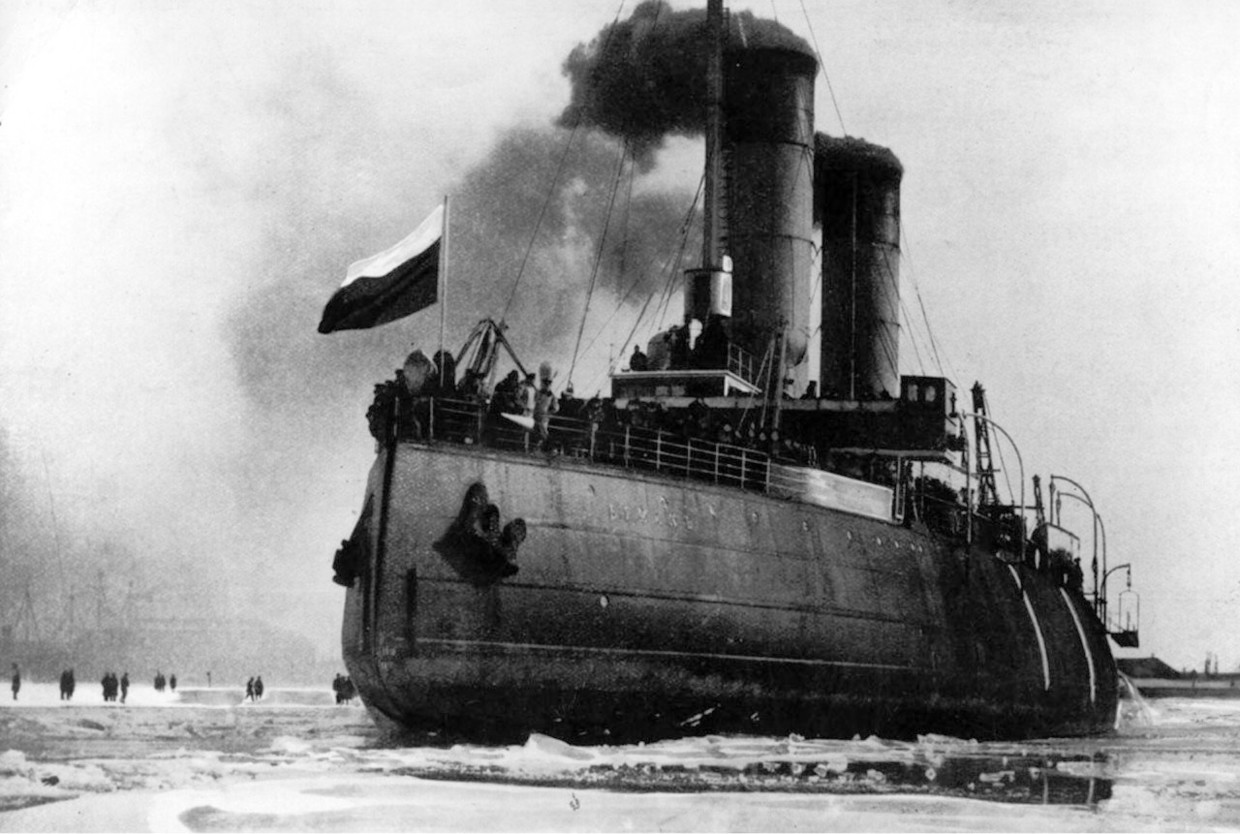
The photograph taken before 1917. Yermak icebreaker with the old Russian merchant fleet flag (tricolor). The photograph existed already in 1899 (on a picture postcard from St. Petersburg to Belgium).
By the 1930s, the Soviet Union was slowly recovering from civil war and chaos. The government needed to revive Arctic shipping, and the old icebreaker was called back into service. In 1934, for the first time since Makarov’s era, the Yermak pushed north into the Kara Sea.
The ship had aged, but it was far from obsolete. Engineers fitted it with an amphibious aircraft – a striking innovation for its time. With aerial reconnaissance, the icebreaker could scout floes and channels far ahead, dramatically improving its effectiveness. Yet the romance was gone. Service on the Yermak was no longer a coveted assignment for elite officers; shortages of skilled personnel reflected the harsher times. Still, the ship proved strong enough to handle both the Baltic and the Arctic, a veteran adapting to new demands.
Then, in 1941, World War II reached the Soviet Union. Plans to modernize the Yermak were swept aside by the German invasion. Once again, the ship became a rescuer. It evacuated the garrison of the distant Hanko base, ferried troops between Leningrad and Kronstadt, and braved skies alive with bombs and artillery. “Ice below, bombs above, shells on the side,” Captain Mikhail Sorokin later said.
On December 8, 1941, disaster struck: The Yermak hit a sea mine. The ship survived, but fuel shortages forced it into harbor. Its crew was sent ashore to fight as marines, while the icebreaker itself was rearmed and stationed on the Palace Embankment as a floating anti-aircraft battery – a warship turned fortress within the besieged city.
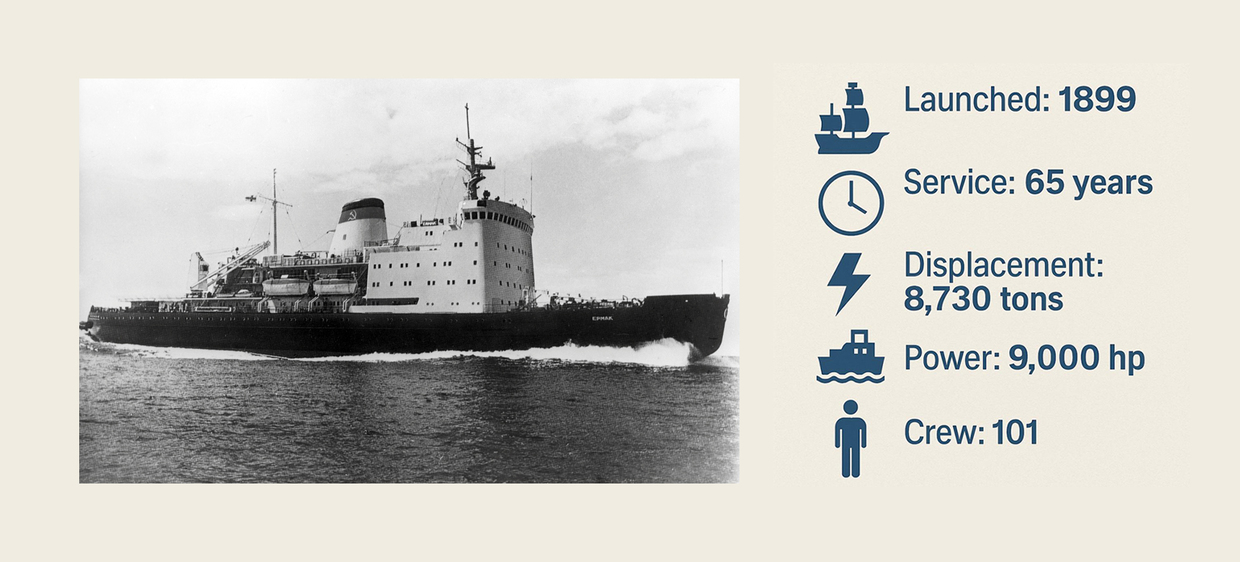
Yermak in numbers
Postwar renaissance
When the war ended in 1945, the veteran icebreaker came back to life. The Soviet government sent the Yermak to Antwerp for a major overhaul, where Belgian shipyards replaced worn machinery and updated critical systems. For a vessel already approaching 50, it was a second youth.
The modernization worked. Through the late 1940s and early 1950s, the Yermak once again kept winter lanes open and escorted ships through ice. In 1954, it became one of the first Soviet vessels to carry a helicopter, transforming its reach and efficiency. Half a century after its launch, the icebreaker was still serving as a testbed for new technologies.
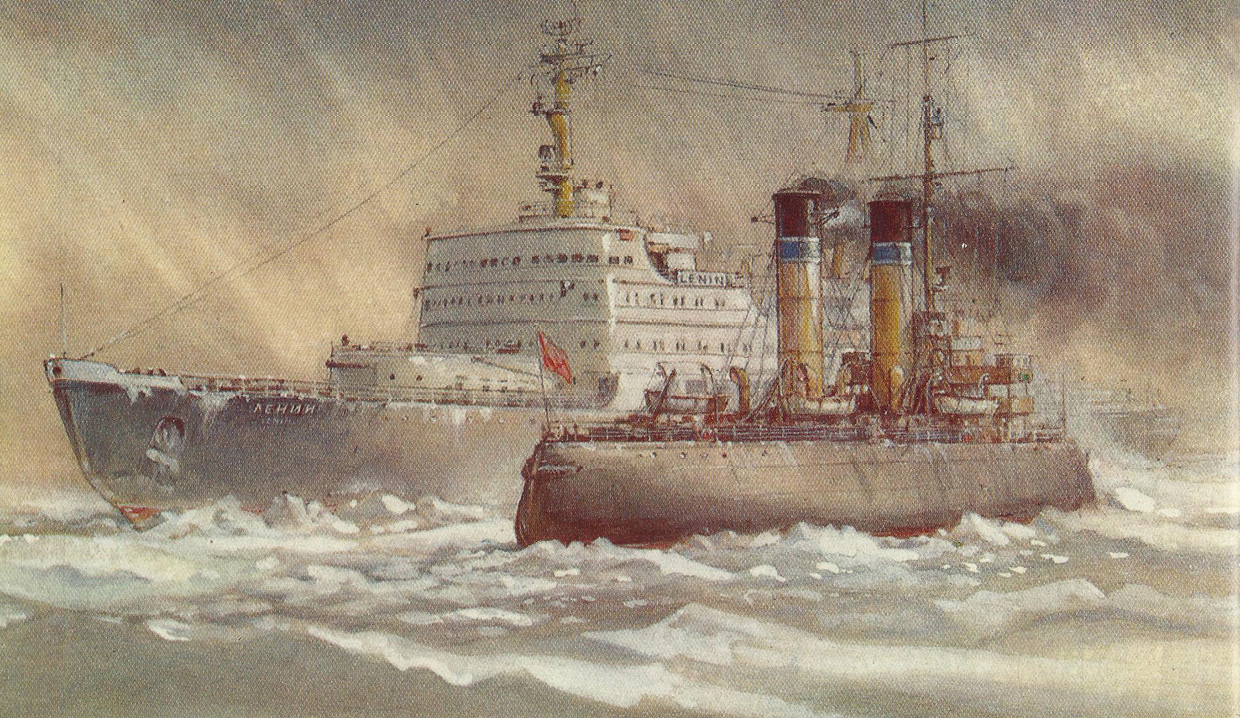
By the early 1960s, the Soviet Union had entered the nuclear age. In 1959, the world’s first nuclear icebreaker, the Lenin, began operations on the Northern Sea Route. Yet the Yermak endured. In 1962, it entered Murmansk harbor side by side with the Lenin – a steel veteran steaming alongside the symbol of a new era. For a moment, it seemed as if two centuries of technology were meeting on the same sea.
But time was running out. Nuclear power had changed the game. For all its history and resilience, the Yermak no longer had a role in the Arctic it once helped to open.
‘Meeting in the Vilkitsky Strait’ by Voishvillo E.V.
The end of an era
In 1963, a government commission ruled that the aging Yermak should be scrapped. The decision provoked outrage. Letters poured in from across the Soviet Union, urging the ministry to preserve the ship as a memorial. Arctic explorer and Hero of the Soviet Union Ivan Papanin added his voice to the appeal. Admirers pointed out that the vessel’s godfather had been Stepan Makarov himself – how could a ship of such history simply be dismantled?
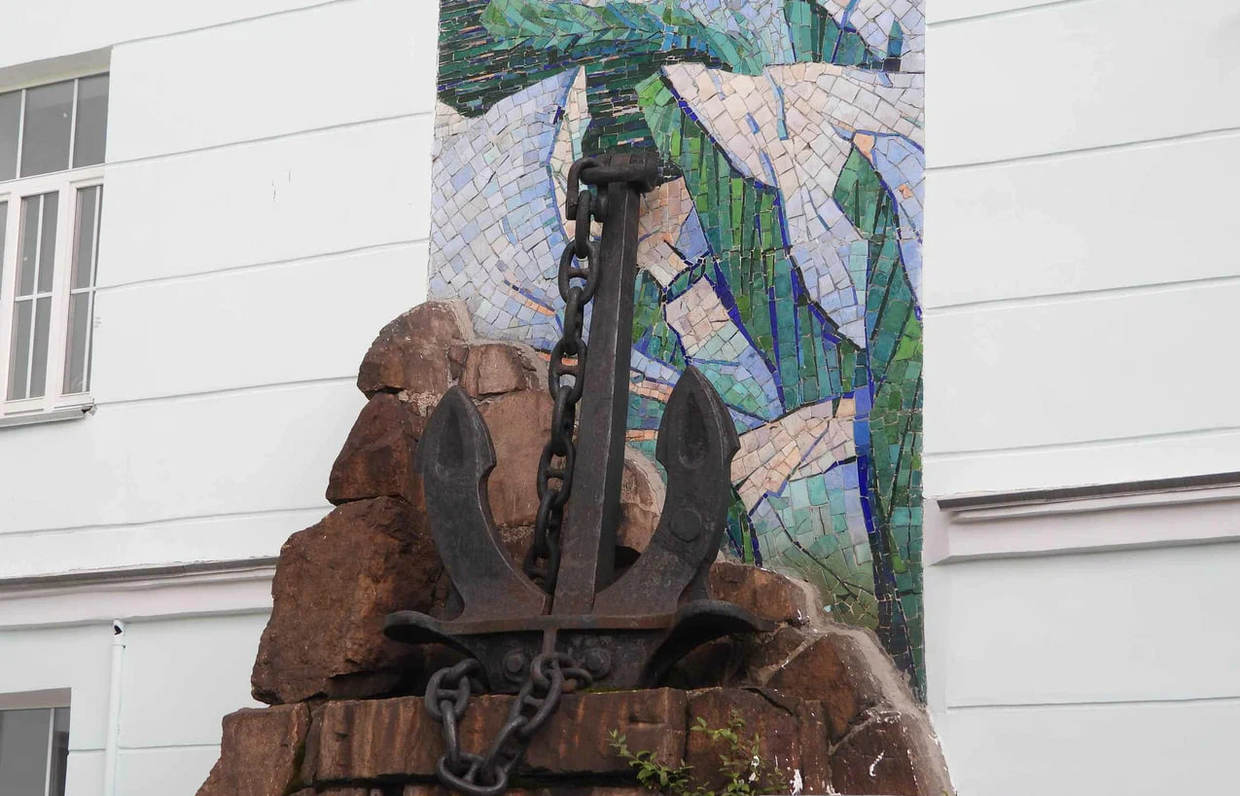
But bureaucratic resolve proved stronger than sentiment. Deputy Minister Anatoly Kolesnichenko pushed the order through, and in autumn 1964, the once-mighty icebreaker was broken up in Murmansk. Only fragments survived: The anchor, wheel, and a few instruments transferred to museum collections.
After 65 years of service, the Yermak was gone – a lifespan as long as a man’s. The first true Arctic icebreaker outlasted empires, revolutions, and wars, only to be erased by the nuclear age it had helped to usher in. Its steel is gone, but its shadow still lingers in the history of exploration: A ship that proved humanity could master the frozen seas.
Moscow has long said that it’s ready to work towards a diplomatic solution, provided its security concerns are addressed
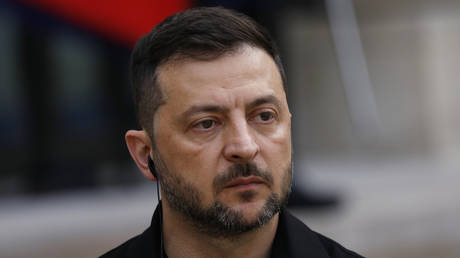
Vladimir Zelensky has rejected the idea of ending the Ukraine conflict with a North and South Korea-style split, and stressed that there may be no final peace agreement signed with Russia.
At a press conference on Friday, he was asked whether he was considering a Korean War-style scenario for ending the Ukraine conflict. North and South Korea ended active hostilities with an armistice in 1953, but never signed a peace treaty, leaving the two nations de facto at war.
“No one is considering the ‘Korean’, ‘Finnish,’ or any other model,” Zelensky told journalists, according to UNIAN. “A ceasefire is enough to provide security guarantees. We can’t waste time waiting for a clear agreement to end the war. We need security guarantees beforehand.”
It may happen that there will be no final document to end the war.
Zelensky noted that French President Emmanuel Macron had argued security guarantees should not wait until the war is over. “I agree with him that, for instance, a ceasefire is enough to provide security guarantees,” he said.
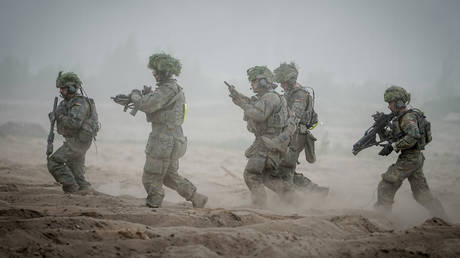
Macron has increasingly lobbied to deploy “peacekeeping” troops to Ukraine in the event of a ceasefire as part of Western Europe’s “coalition of the willing.”
Moscow has categorically rejected any scenario involving NATO countries’ troops being sent to Ukraine.
According to Kremlin spokesman Dmitry Peskov, Ukraine and its European backers are “doing everything possible to continue down the path of confrontation and escalating tensions.”
Despite this, Russian President Vladimir Putin remains both “ready and willing to seek a diplomatic settlement” to the Ukraine conflict, Peskov said on Friday.
Earlier this month, Putin said that Moscow will observe any security guarantees agreed on with Ukraine, but insists that they “be drafted both for Russia and Ukraine.”
Moscow has repeatedly said that it sees NATO’s eastward spread, as well as Ukraine’s ambitions to join the US-led military bloc as threats to Russian security.